How to Reduce Fulfillment Costs: 7 Actionable Strategies for 2026
How to Reduce Fulfillment Costs: 7 Actionable Strategies for 2026
As the 2026 New Year approaches, e-commerce brands are facing increasing pressure to control costs while maintaining fast delivery and high customer satisfaction. Rising shipping rates, labor costs, and customer expectations have made cost-efficient Fulfillment more critical than ever—especially for brands operating under Dropshipping or hybrid fulfillment models.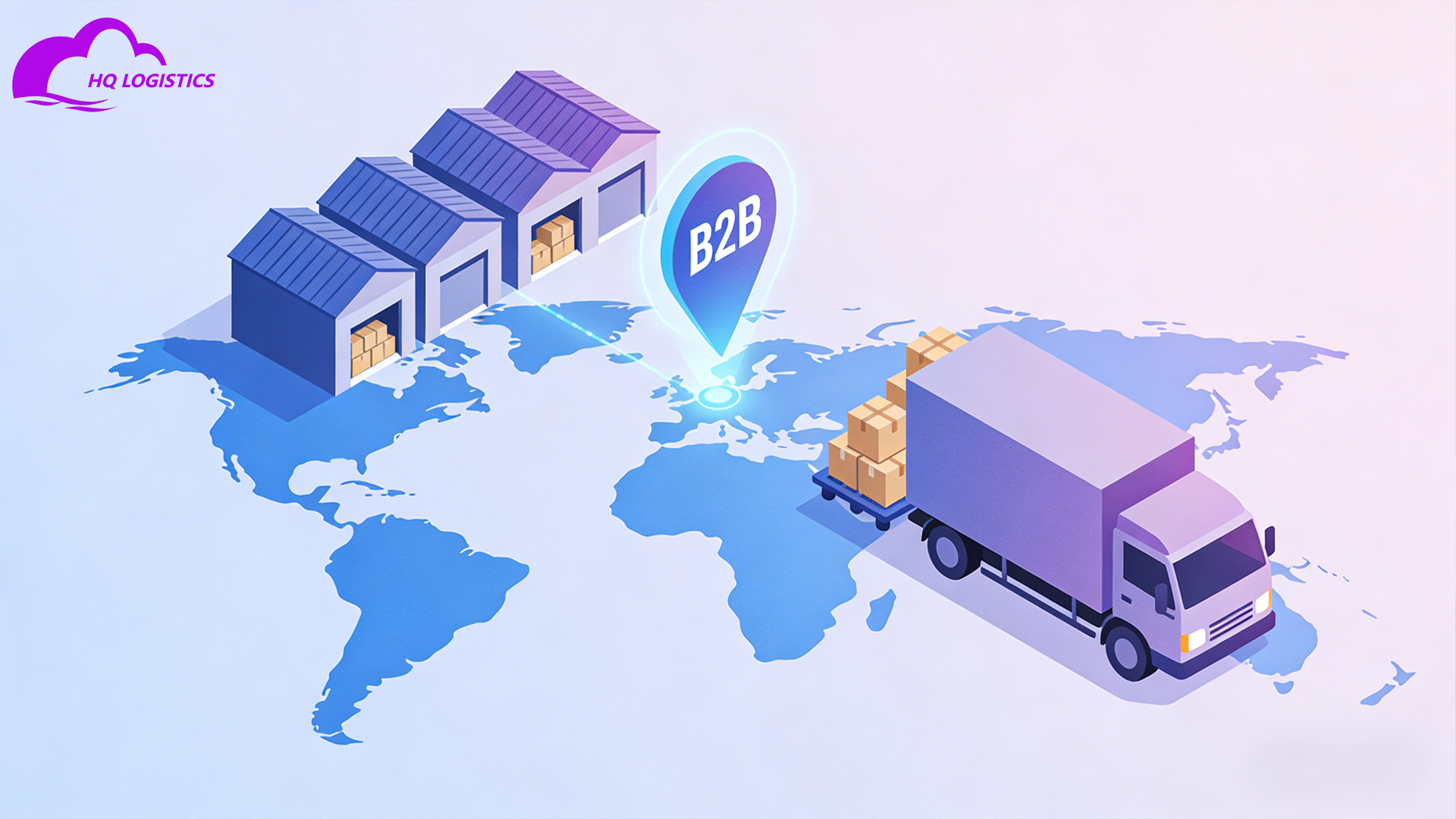
Why Fulfillment Cost Control Matters in 2026
In 2026, fulfillment is no longer a back-end function—it’s a competitive differentiator. Customers expect fast shipping, real-time tracking, and professional packaging, while brands must protect margins in an increasingly competitive market.
For Dropshipping businesses in particular, inefficient fulfillment can quickly erode profits. Reducing fulfillment costs allows brands to:
-
Improve profit margins
-
Offer competitive pricing
-
Scale operations sustainably
-
Invest more in marketing and brand growth
The 2026 New Year is the right time to rethink your fulfillment strategy.
1. Use Regional Warehousing to Shorten Delivery Distance
One of the most effective ways to reduce fulfillment costs is to ship orders closer to the customer.
Why it works
-
Lower international shipping fees
-
Faster delivery times
-
Fewer customs-related delays
By storing inventory in regional warehouses, brands reduce long-distance shipping costs while improving customer experience. For Dropshipping sellers, this approach bridges the gap between low-cost sourcing and fast local delivery.
2. Consolidate Shipments and Optimize Order Volume
Shipping individual packages for every order can significantly increase per-order costs.
Cost-saving actions
-
Consolidate inbound shipments to warehouses
-
Optimize carton sizes
-
Reduce unnecessary packaging materials
In 2026, smarter shipment planning helps brands lower both shipping and packaging expenses across fulfillment operations.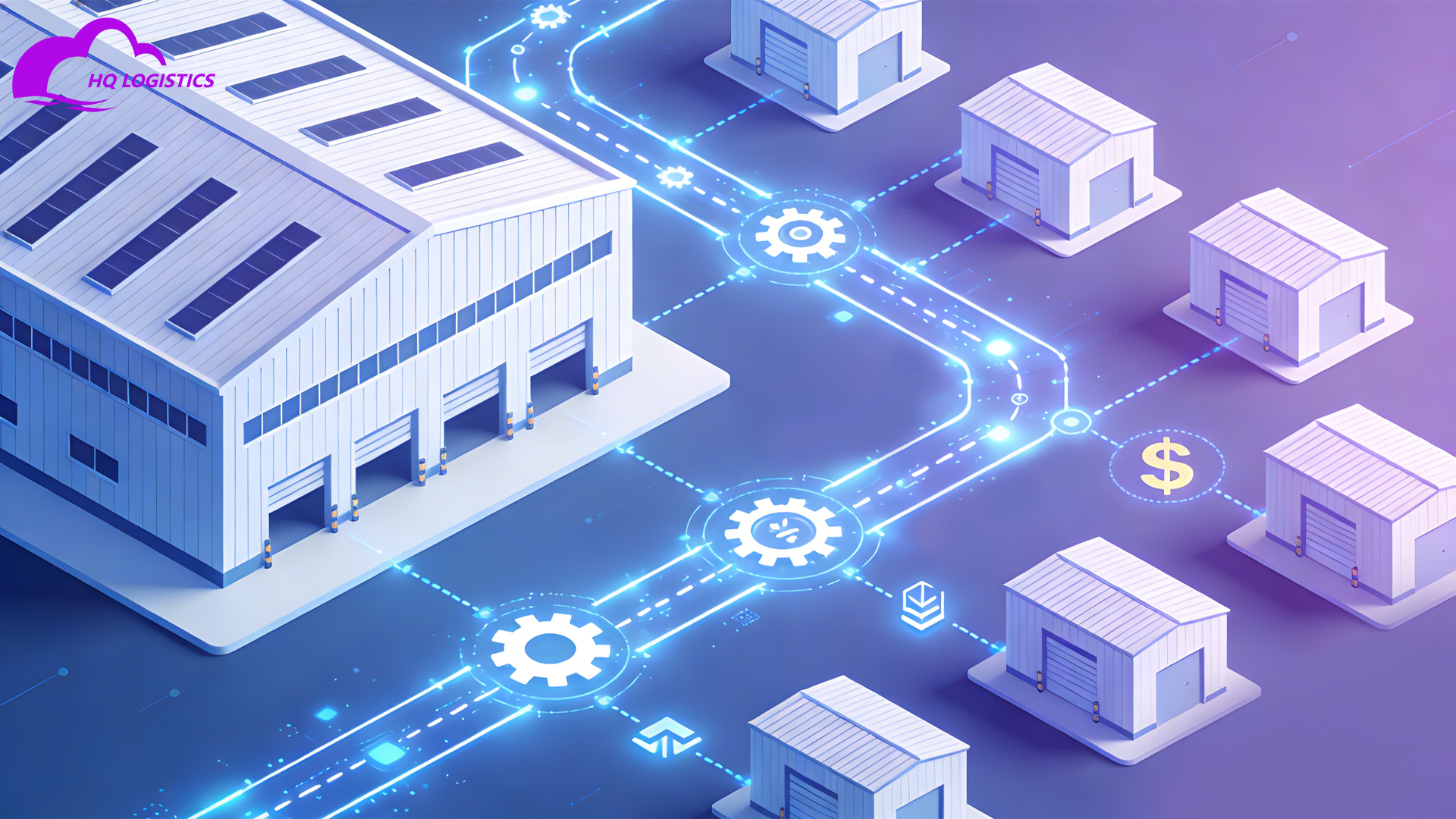
3. Automate Order Processing and Inventory Management
Manual processes are costly and error-prone. Automation plays a major role in cost reduction for Fulfillment and Dropshipping businesses.
Automation benefits
-
Reduced labor costs
-
Faster order processing
-
Fewer picking and packing errors
-
Real-time inventory visibility
Automated systems allow brands to scale order volume without increasing operational headcount—a key advantage in 2026.
4. Choose the Right Shipping Lines Based on Destination
Not all shipping routes offer the same cost-performance ratio. Selecting the right shipping line for each destination is critical.
Best practices
-
Use priority lines for high-volume regions
-
Compare shipping cost vs. delivery speed
-
Avoid one-size-fits-all shipping solutions
In the 2026 New Year, flexible shipping strategies help brands balance speed, reliability, and cost across different markets.
5. Reduce Returns Through Better Fulfillment Accuracy
Returns are one of the hidden costs in fulfillment. Incorrect items, damaged packages, or delayed deliveries increase operational expenses.
How to reduce return-related costs
-
Improve picking and packing accuracy
-
Use protective packaging
-
Provide clear shipping timelines
By improving fulfillment accuracy, Dropshipping brands reduce return rates and customer support costs—protecting margins in 2026.
6. Optimize Packaging Without Hurting Brand Experience
Over-packaging increases shipping costs, while under-packaging risks product damage. The key is balance.
Smart packaging strategies
-
Use right-sized packaging
-
Choose lightweight materials
-
Standardize packaging where possible
In 2026, cost-efficient packaging supports both sustainability goals and fulfillment cost reduction, especially for high-volume Fulfillment operations.
7. Work With a Scalable Fulfillment Partner
Managing fulfillment in-house or relying solely on suppliers often limits cost optimization. A professional fulfillment partner provides economies of scale.
Benefits of outsourcing fulfillment
-
Access to better shipping rates
-
Lower warehouse and labor costs
-
Scalable operations during peak seasons
-
Transparent pricing models
For Dropshipping brands entering the 2026 New Year, partnering with an experienced fulfillment provider can significantly reduce operational complexity and cost.
How These Strategies Support Dropshipping Growth
Modern Dropshipping is no longer about shipping directly from factories to customers with minimal control. In 2026, successful dropshipping brands combine:
-
Strategic inventory placement
-
Automated fulfillment systems
-
Branded packaging
-
Reliable shipping routes
These improvements help dropshipping businesses compete with traditional e-commerce models while maintaining cost efficiency.
The Role of Data in Fulfillment Cost Optimization
Data-driven decision-making is essential for reducing fulfillment costs in 2026.
Key data points to monitor include:
-
Cost per order
-
Shipping cost by destination
-
Return rates
-
Inventory turnover
-
Fulfillment error rates
By analyzing this data regularly, brands can identify inefficiencies and adjust fulfillment strategies proactively.
How HQ CLOUD Helps Brands Reduce Fulfillment Costs
At HQ CLOUD, we help e-commerce brands prepare for the 2026 New Year by offering:
-
Global warehousing solutions
-
Cost-optimized fulfillment workflows
-
Dropshipping support with branding options
-
Automated order and inventory systems
-
Flexible shipping line selection
-
Transparent, scalable pricing
Our goal is to help brands grow efficiently while keeping fulfillment costs under control.
Preparing for a More Profitable 2026
Reducing fulfillment costs doesn’t require cutting corners—it requires smarter systems, better planning, and the right partners. As the 2026 New Year begins, brands that invest in cost-efficient Fulfillment and Dropshipping strategies will be better positioned to scale sustainably.
Final Thoughts
The 2026 New Year offers a fresh opportunity to optimize operations and protect margins. By applying these 7 actionable strategies, e-commerce brands can reduce fulfillment costs, improve delivery performance, and build stronger customer relationships.
With the right fulfillment strategy in place, 2026 can be a year of smarter growth and long-term success.
Here’s to a more efficient, scalable, and profitable future in Fulfillment and Dropshipping—with HQ CLOUD.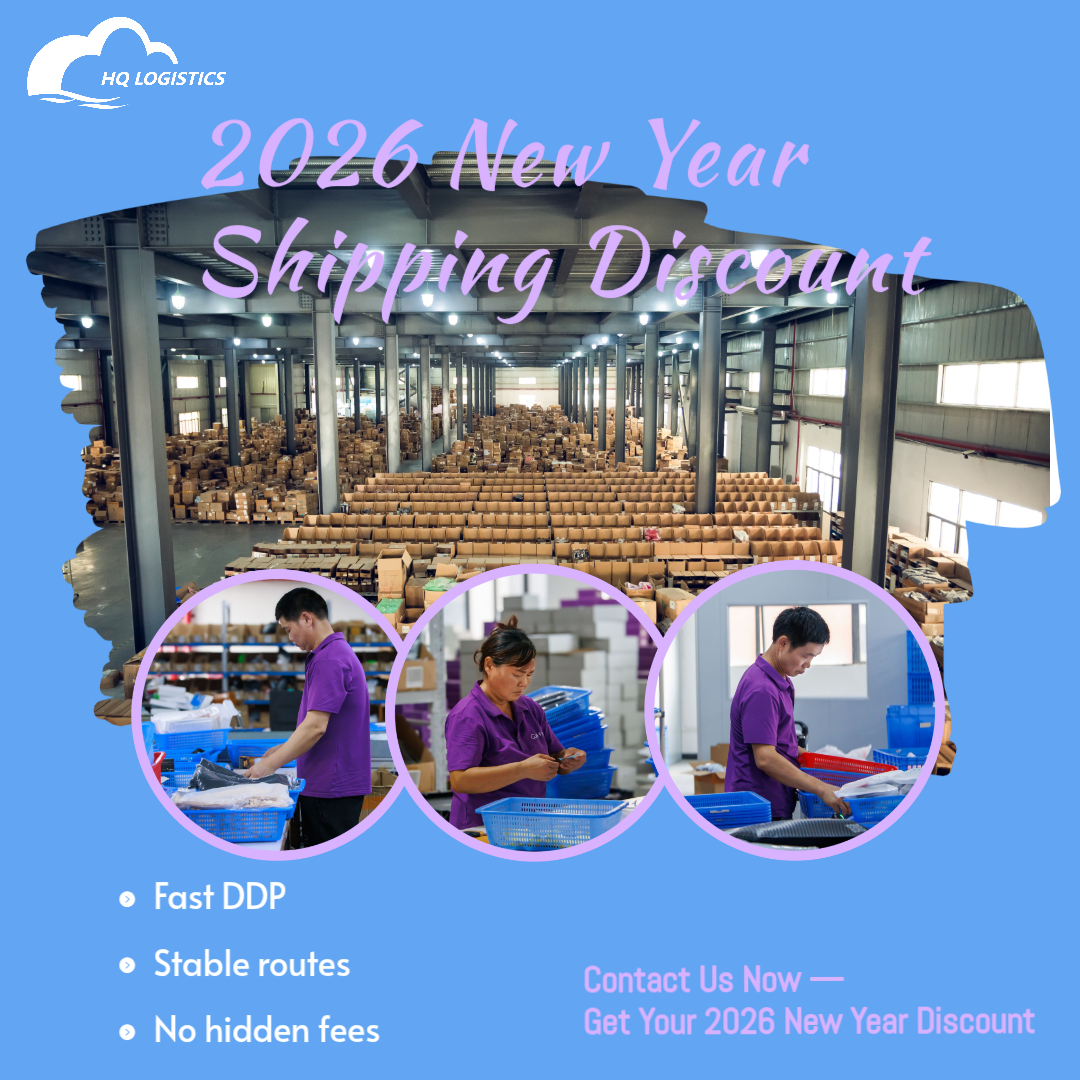
🌟 FAQ
Do you support custom branding and packaging? 🎁
Yes. We offer custom boxes, branded mailers, inserts, and white-label fulfillment with low MOQs.
Which platforms do you integrate with? ⚙️
We integrate with Shopify, WooCommerce, and custom stores via API with automatic order syncing.
How can I get a custom fulfillment quote? 💬
Contact us with your product details, order volume, and shipping markets. We’ll provide a tailored quote.
Why they love us!
📸 Free Sourcing: Send us a photo, we find the factory.
📦 No MOQ: Start with 1 order per day.
⚙️ Automation: Tracking numbers auto-sync to Shopify.
🎁 Custom Branding: Low cost with custom packaging. Build your brand.
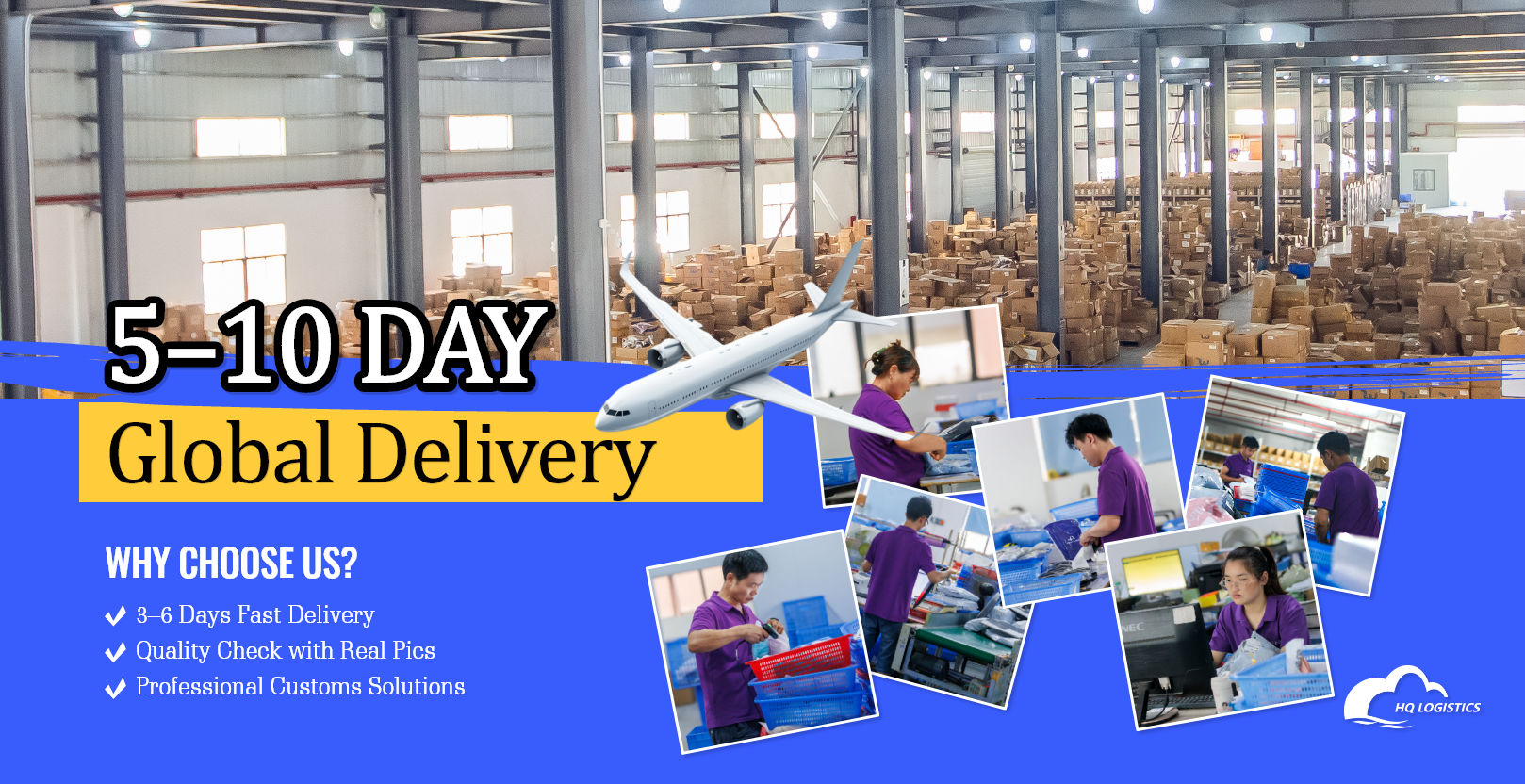
💰 Transparent Pricing: Pay only for shipping and fulfillment.
🚀 Fast Global Shipping: HQ Special Lines to USA/EU (3–8 Days).