Fulfillment Costs Are Rising—Here’s How to Cut Them in 2026 Without Hurting Growth
Fulfillment Costs Are Rising—Here’s How to Cut Them in 2026 Without Hurting Growth
Feeling like fulfillment costs are eating your margins alive?
Shipping fees up.
Labor costs up.
Customer expectations higher than ever.
I hear this almost daily.
If you’re running ecommerce in 2026, reducing fulfillment costs is no longer optional.
It’s survival.
Let’s break this down clearly.
No theory.
No fluff.
Just what actually works.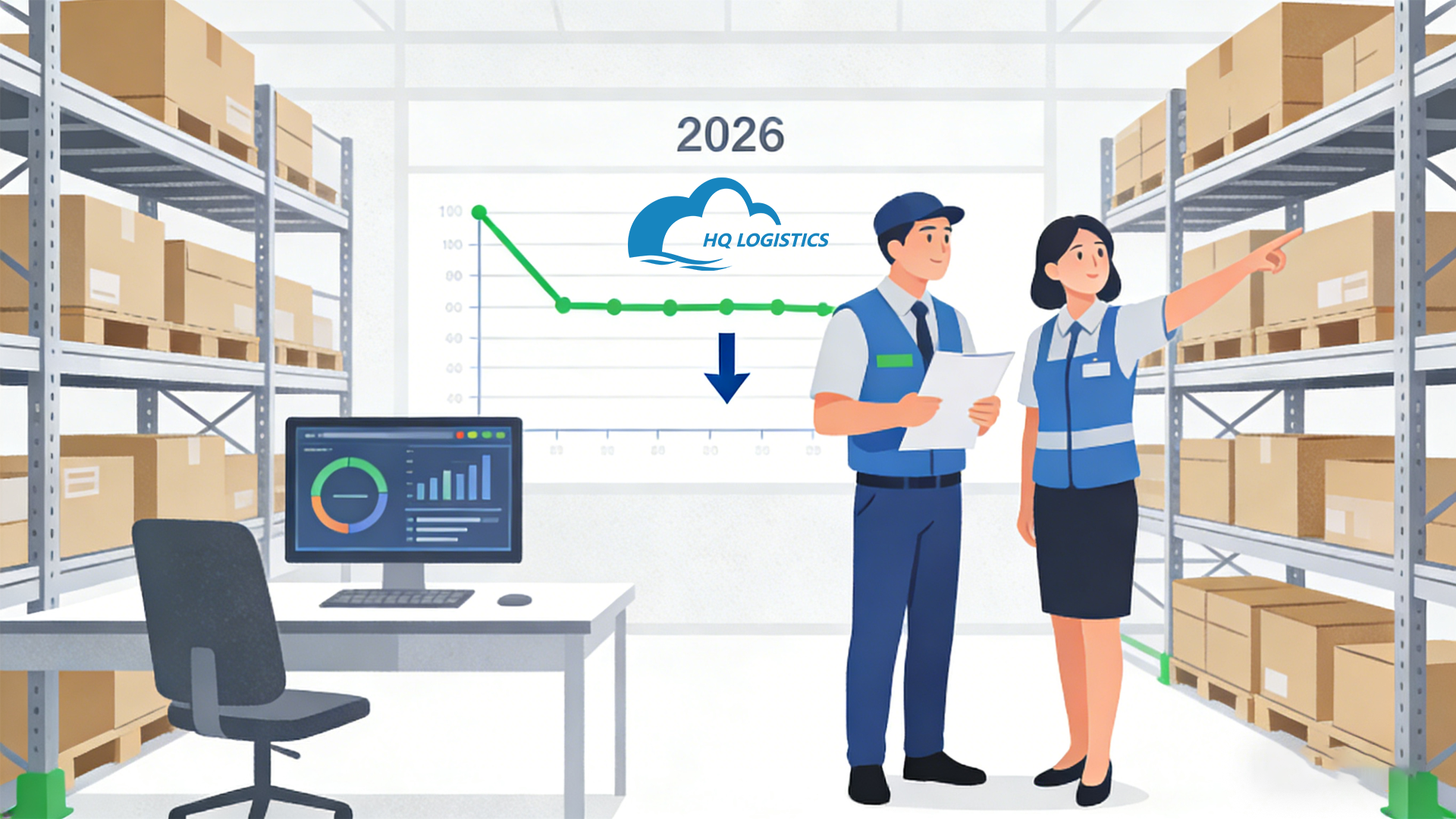
Why Fulfillment Costs Are Rising in 2026
Before fixing the problem, we need to name it.
Fulfillment costs go beyond shipping.
They include:
-
Picking and packing labor
-
Warehouse storage
-
Packaging materials
-
Shipping fees
-
Returns handling
In 2026, pressure comes from:
-
Higher global labor costs
-
Slower customs in some regions
-
Customers expecting fast delivery and free shipping
You can’t control the market.
But you can control your strategy.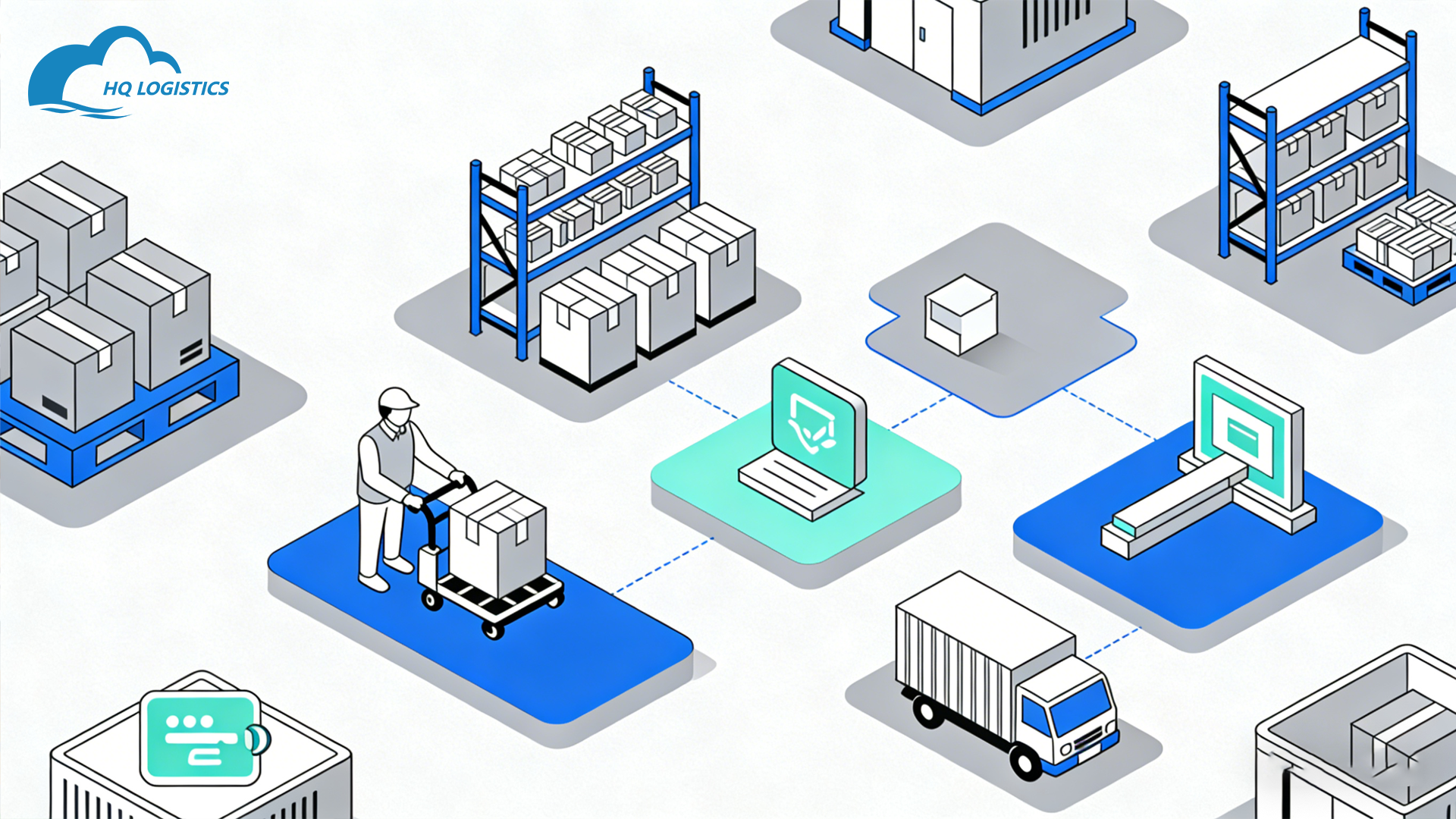
Strategy 1: Reduce Fulfillment Costs by Simplifying SKUs
More SKUs = more complexity.
More complexity = higher costs.
I see this mistake all the time.
What Actually Helps
-
Cut slow-moving SKUs
-
Standardize product sizes
-
Use shared packaging where possible
Simple example:
If 20% of your SKUs drive 80% of sales,
focus there.
Less storage.
Faster picking.
Lower error rates.
That’s how you reduce fulfillment costs without touching shipping rates.
Strategy 2: Optimize Packaging (This Is Low-Hanging Fruit 📦)
Packaging is often overlooked.
It shouldn’t be.
Oversized boxes = wasted money.
Smart Packaging Moves
-
Right-size cartons
-
Use lighter materials
-
Avoid custom packaging unless it converts better
Simple words here:
Dimensional weight means carriers charge by box size, not just weight.
Smaller box = lower fee.
This alone can cut fulfillment costs by 10–20%.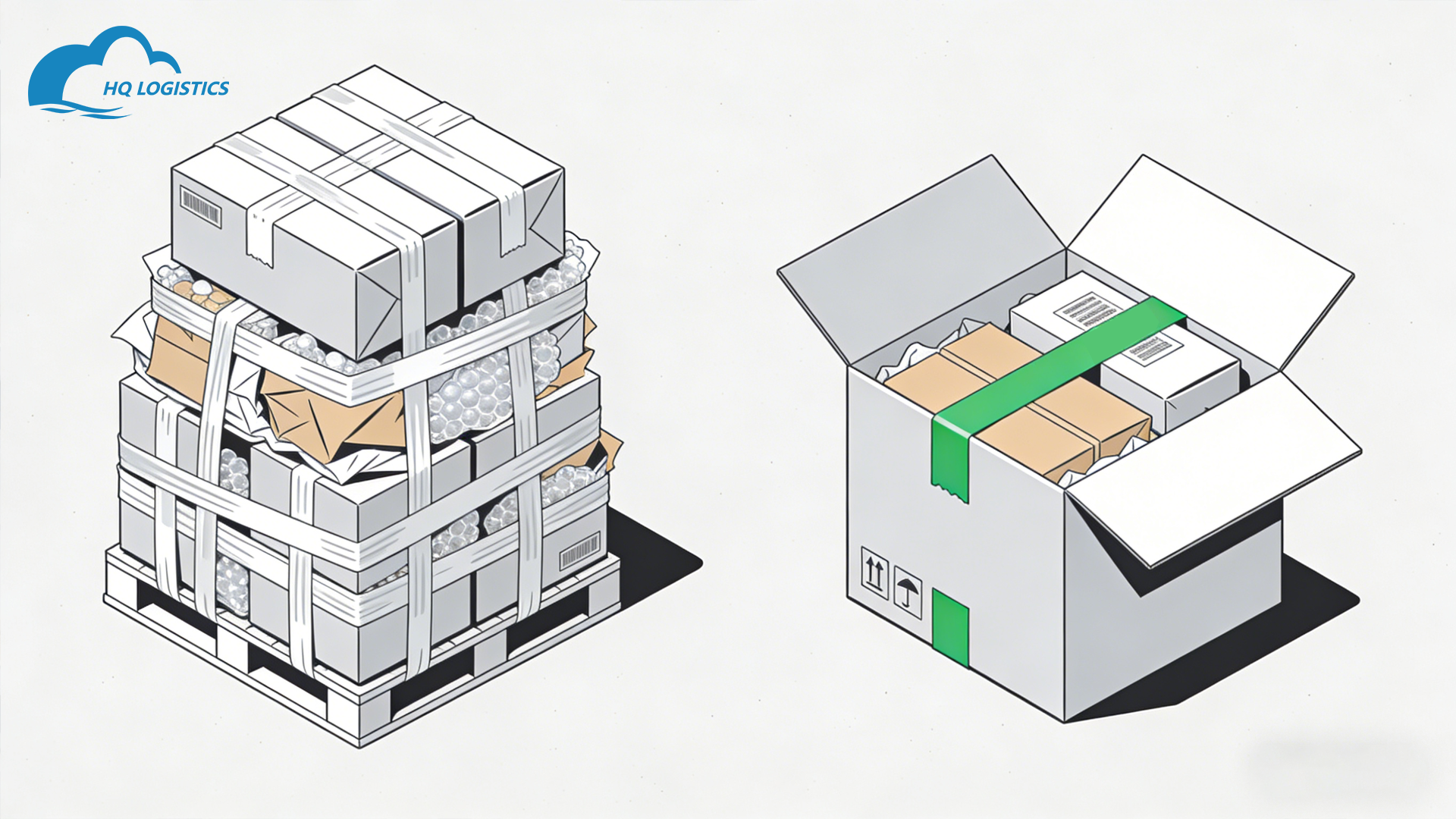
Strategy 3: Split Inventory Across Regions
Shipping long distances costs more.
Every time.
If you ship everything from one location, you pay for it.
What Works in 2026
-
Store bestsellers closer to customers
-
Use regional fulfillment hubs
-
Avoid cross-border shipping when possible
Yes, multi-location storage costs more upfront.
But it often saves more on shipping and delivery speed.
Lower shipping fees.
Happier customers.
Fewer refunds.
Strategy 4: Use Data to Reduce Fulfillment Costs (Not Guesswork)
Gut feelings don’t scale.
Data does.
Focus on These Metrics
-
Cost per order
-
Pick & pack time
-
Return rate by SKU
-
Shipping cost by destination
If one product costs 2× more to fulfill,
you need to know why.
Sometimes the fix is pricing.
Sometimes it’s packaging.
Sometimes it’s dropping the product.
Strategy 5: Automate Where It Makes Sense 🤖
Automation doesn’t mean robots everywhere.
It means fewer manual steps.
Practical Automation Examples
-
Barcode-based picking
-
Batch order processing
-
Auto-routing orders to the best warehouse
This reduces:
-
Human error
-
Labor hours
-
Re-shipments
Automation pays off fast when order volume grows.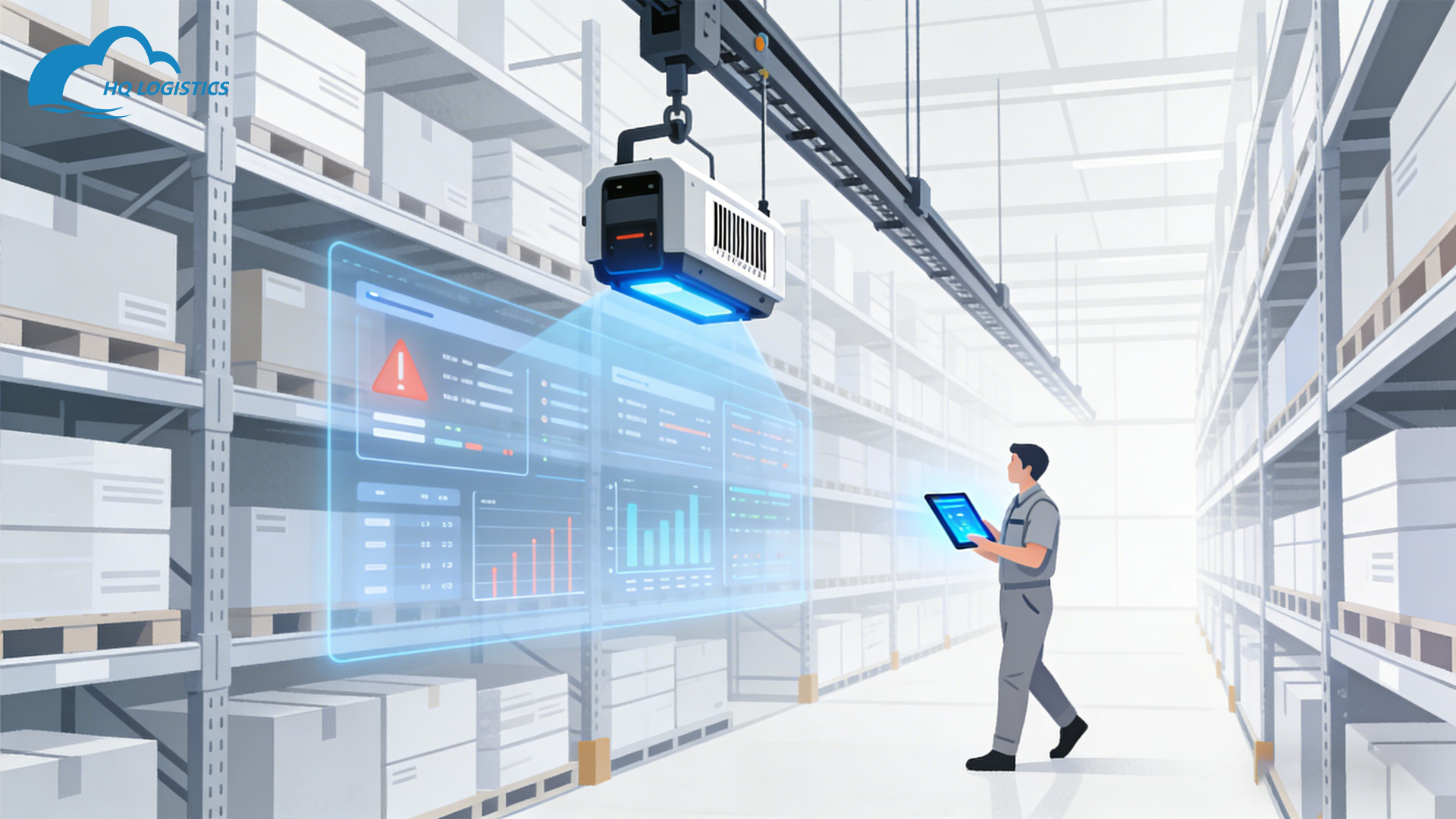
Strategy 6: Reduce Returns (The Silent Cost Killer)
Returns don’t just hurt revenue.
They double fulfillment costs.
One outbound shipment.
One inbound shipment.
Extra labor.
Repacking.
Ways to Cut Return Costs
-
Clear product descriptions
-
Accurate sizing charts
-
Better product photos
-
Quality checks before shipping
A 2% drop in returns can save thousands monthly.
No exaggeration.
Strategy 7: Plan for Peak Seasons Early
Peak seasons destroy margins if you’re unprepared.
I’ve seen brands lose money during sales events.
True story.
A Quick Real Example
A seller once told me:
“Black Friday was great, but we barely made profit.”
Why?
-
Rush shipping upgrades
-
Temporary labor costs
-
Poor inventory planning
The Fix
-
Pre-position inventory
-
Lock shipping rates early
-
Avoid last-minute packaging changes
Preparation reduces fulfillment costs more than negotiation ever will.
How I’d Prioritize These Strategies (If I Were You)
Not everything needs to happen at once.
Start here:
-
Fix packaging
-
Cut SKU clutter
-
Analyze cost per order
-
Reduce returns
-
Then automate
That order matters.
FAQs:
What is the fastest way to reduce fulfillment costs?
Packaging optimization.
It’s usually the quickest win with immediate impact.
Does faster shipping always cost more?
Not always.
Regional inventory often reduces both cost and delivery time.
Should small brands use multiple warehouses?
Only for bestsellers.
Start small.
Scale as volume grows.
Are fulfillment costs going down in 2026?
No.
They’re stabilizing, but not dropping.
Efficiency is the only defense.
How often should I review fulfillment costs?
Monthly at minimum.
Weekly during peak seasons.
Final Thoughts (Straight Talk)
Fulfillment costs won’t magically disappear in 2026.
But they are manageable.
If you simplify operations,
use data,
and plan ahead,
you protect your margins without hurting customer experience.
That’s the goal.