Shopify CN Fulfillment: How to Ship Smarter From China Without Losing Control
Shopify CN Fulfillment: How to Ship Smarter From China Without Losing Control
Running a Shopify store and sourcing from China?
Struggling with long delivery times, mixed tracking updates, or customer complaints?
Wondering if Shopify CN fulfillment can actually scale without breaking your business?
I hear these questions every week.
Let’s talk clearly about what Shopify CN fulfillment really means,
what usually goes wrong,
and how sellers build a system that works long term.
No fluff.
Just practical insight.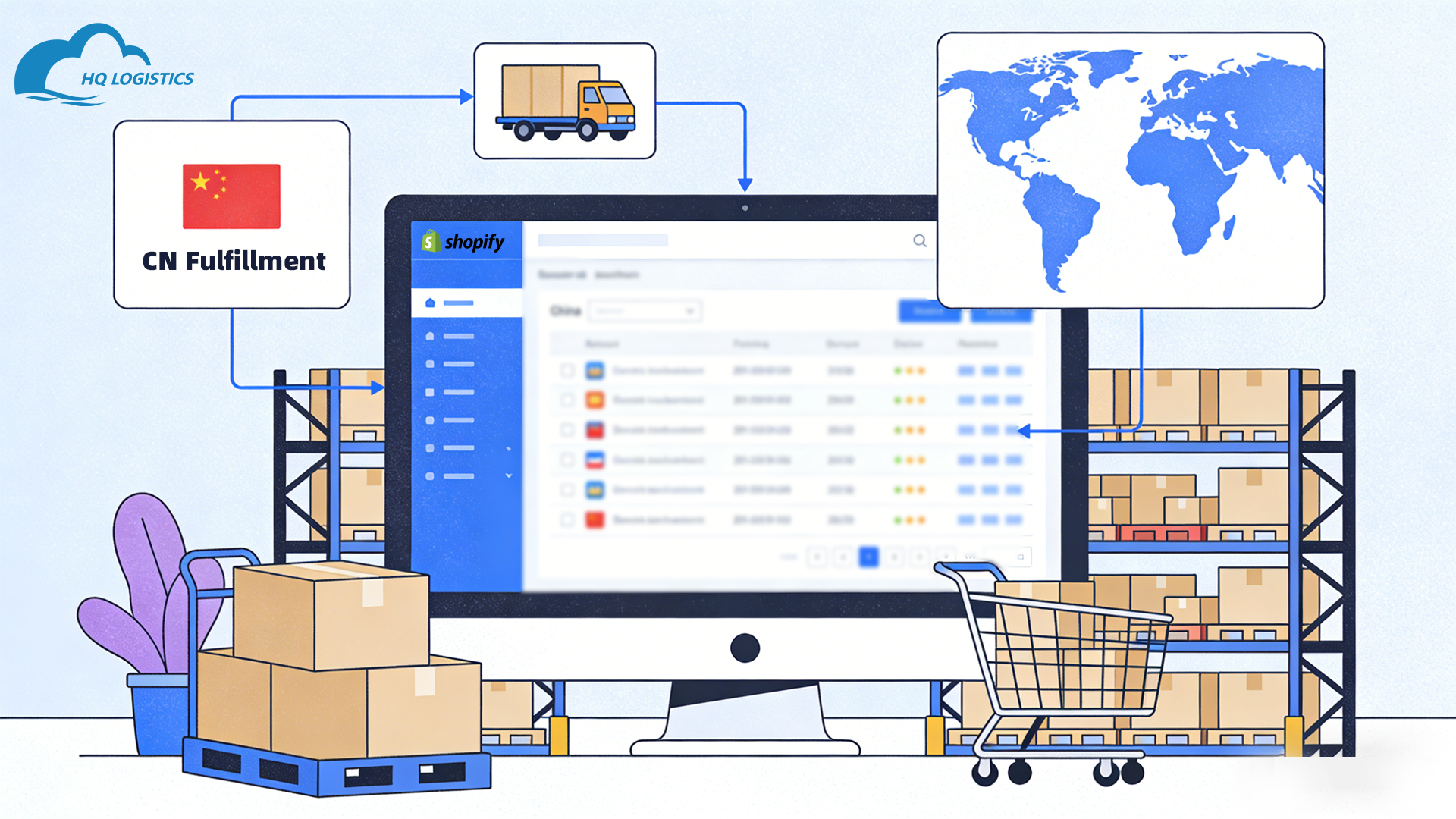
What Shopify CN Fulfillment Really Is
Shopify CN fulfillment means:
-
Your products are produced or sourced in China
-
Orders are fulfilled directly from China to your customers
-
Fulfillment connects to your Shopify store
This model is common for:
-
Dropshipping stores
-
Private-label brands
-
Early-stage DTC sellers
The upside is obvious.
Lower costs.
Faster product development.
Huge supplier ecosystem.
But fulfillment is where most stores struggle.
Why Shopify Sellers Choose China-Based Fulfillment
Let’s start with the good.
Lower Product Costs
China still offers:
-
Competitive manufacturing
-
Flexible MOQs (minimum order quantities)
-
Fast prototyping
That matters when you’re testing products or scaling ads.
Flexible Supply Chains
CN fulfillment supports:
-
Dropshipping
-
Bulk inventory
-
Hybrid models
You can start lean
and upgrade your process as you grow.
Speed to Market
Many trends start in China.
If your fulfillment is already connected there,
you move faster than competitors sourcing elsewhere.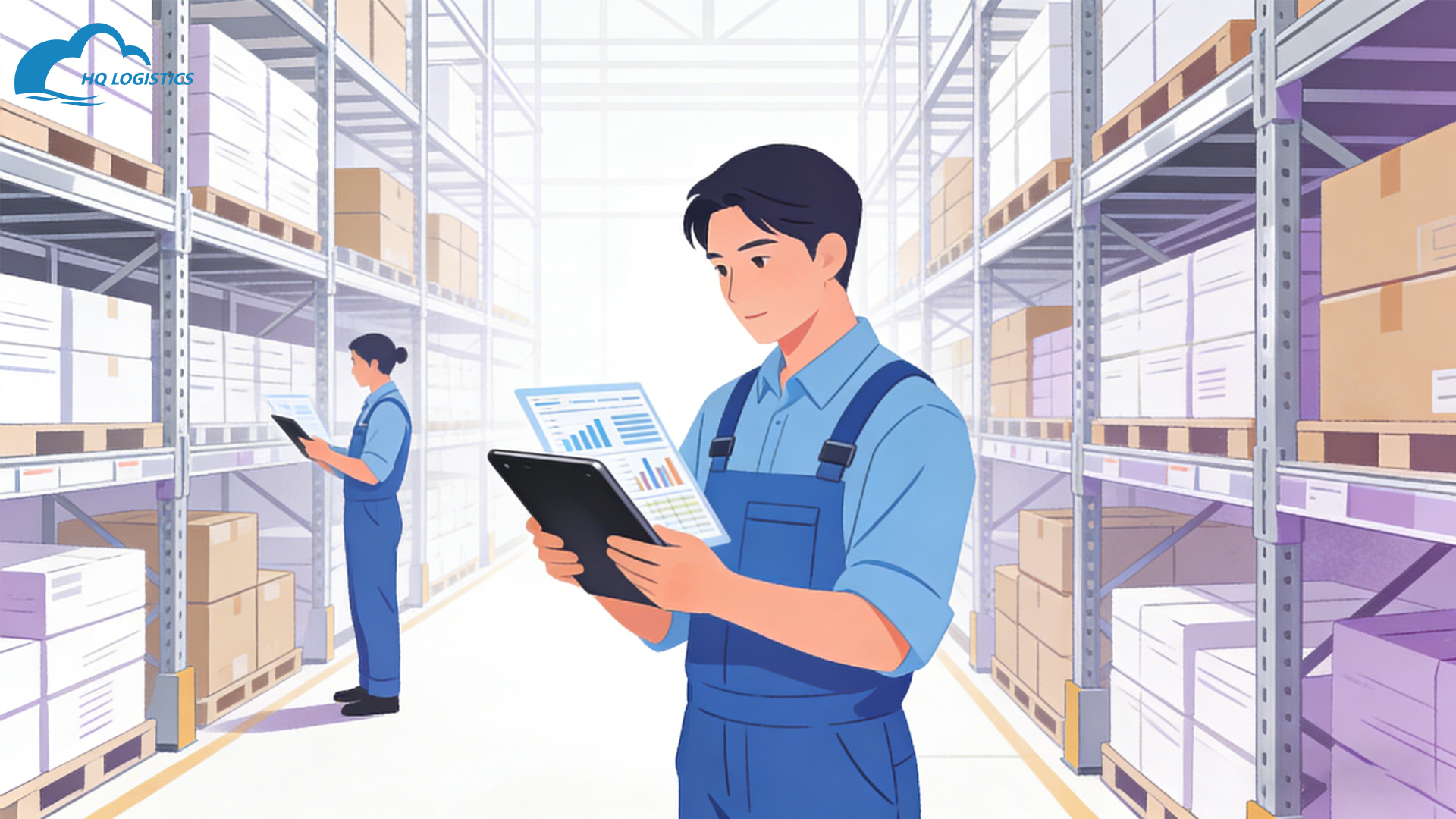
Where Shopify CN Fulfillment Breaks Down
Now the honest part.
Most problems come from poor fulfillment structure, not China itself.
Issue #1: Inconsistent Shipping Times
Customers expect clarity.
But many sellers face:
-
7–10 day variation in delivery
-
No real ETA
-
Generic tracking updates
This kills trust fast.
Issue #2: Inventory Blind Spots
Without a proper system:
-
Stock levels are unclear
-
Best sellers run out unexpectedly
-
Ads keep running on out-of-stock items
That’s expensive.
Issue #3: Quality Control Gaps
When fulfillment is rushed:
-
Wrong items ship
-
Packaging looks unprofessional
-
Returns increase
And Shopify chargebacks follow.
The Difference Between Dropshipping and CN Fulfillment
Many people confuse these.
They’re not the same.
Traditional Dropshipping
-
Order is sent to a supplier
-
Supplier ships directly
-
Seller has little control
It’s simple.
But fragile.
Structured CN Fulfillment
This is different.
You work with a fulfillment partner who:
-
Holds inventory
-
Manages QC (quality control)
-
Handles shipping logic
-
Syncs with Shopify automatically
More control.
More stability.
That’s the model serious sellers move toward.
How Shopify CN Fulfillment Should Be Set Up
Here’s what actually works.
1. Centralized Inventory Management
You need real-time inventory visibility.
That means:
-
Accurate stock counts
-
SKU-level tracking
-
Automatic Shopify sync
No spreadsheets.
No guessing.
2. Predictable Shipping Routes
Good CN fulfillment uses:
-
Dedicated shipping lines
-
Clear transit-time ranges
-
Region-based routing
This reduces surprises.
Customers don’t need “fast.”
They need predictable.
3. Quality Control Before Shipping
QC isn’t optional.
A solid system includes:
-
Pre-shipment checks
-
Random sampling
-
Packaging verification
Fixing mistakes before shipping is always cheaper.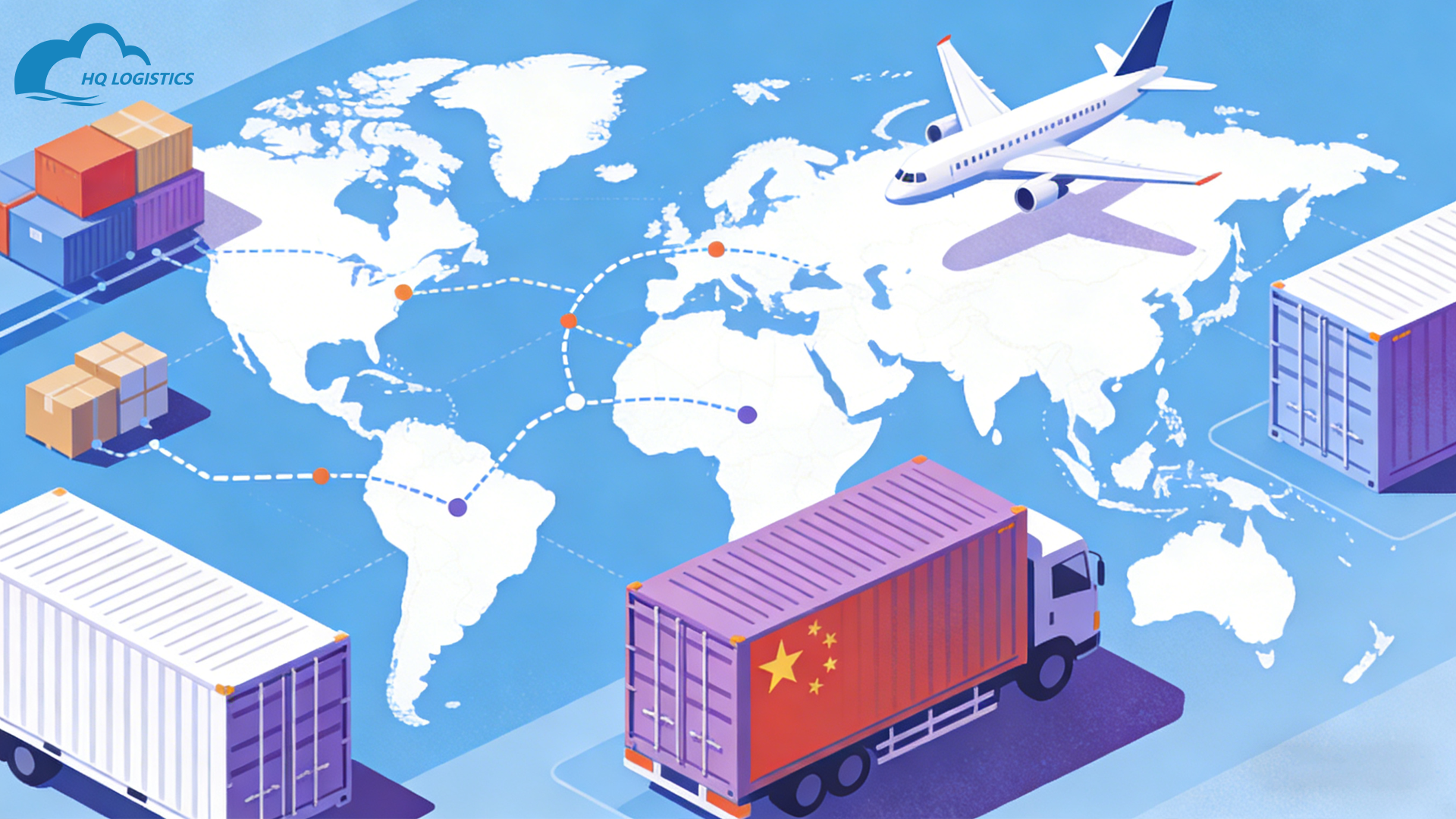
A Real Example From a Shopify Seller
One seller came to us after scaling fast.
Sales were strong.
Complaints were stronger.
Problems:
-
Shipping took anywhere from 8 to 18 days
-
Tracking was unclear
-
Refund requests increased
We restructured their Shopify CN fulfillment.
What changed:
-
Inventory moved to a central warehouse
-
Shipping routes were standardized
-
QC checks were added
Results after 30 days:
-
Delivery times stabilized
-
Refunds dropped
-
Customer support tickets decreased
Nothing fancy.
Just structure.
How CN Fulfillment Handles Returns
Returns scare sellers.
Understandably.
Good CN fulfillment partners offer:
-
Return consolidation
-
Local inspection
-
Reshipping or restocking options
You don’t need to ship every return back to China.
That’s a myth.
Customs, Duties, and Compliance (Simple Version)
Let’s keep this simple.
With proper CN fulfillment:
-
Customs documents are pre-prepared
-
Product categories are declared correctly
-
Duties are handled per destination rules
This avoids:
-
Packages stuck in customs
-
Surprise fees
-
Angry customers
Compliance is boring.
But it saves money.
When Shopify CN Fulfillment Makes the Most Sense
This model works best if:
-
You ship 20+ orders per day
-
You sell repeat SKUs
-
You care about brand experience
-
You plan to scale beyond testing
If you’re doing one-off product tests,
traditional dropshipping may be enough.
But it won’t scale cleanly.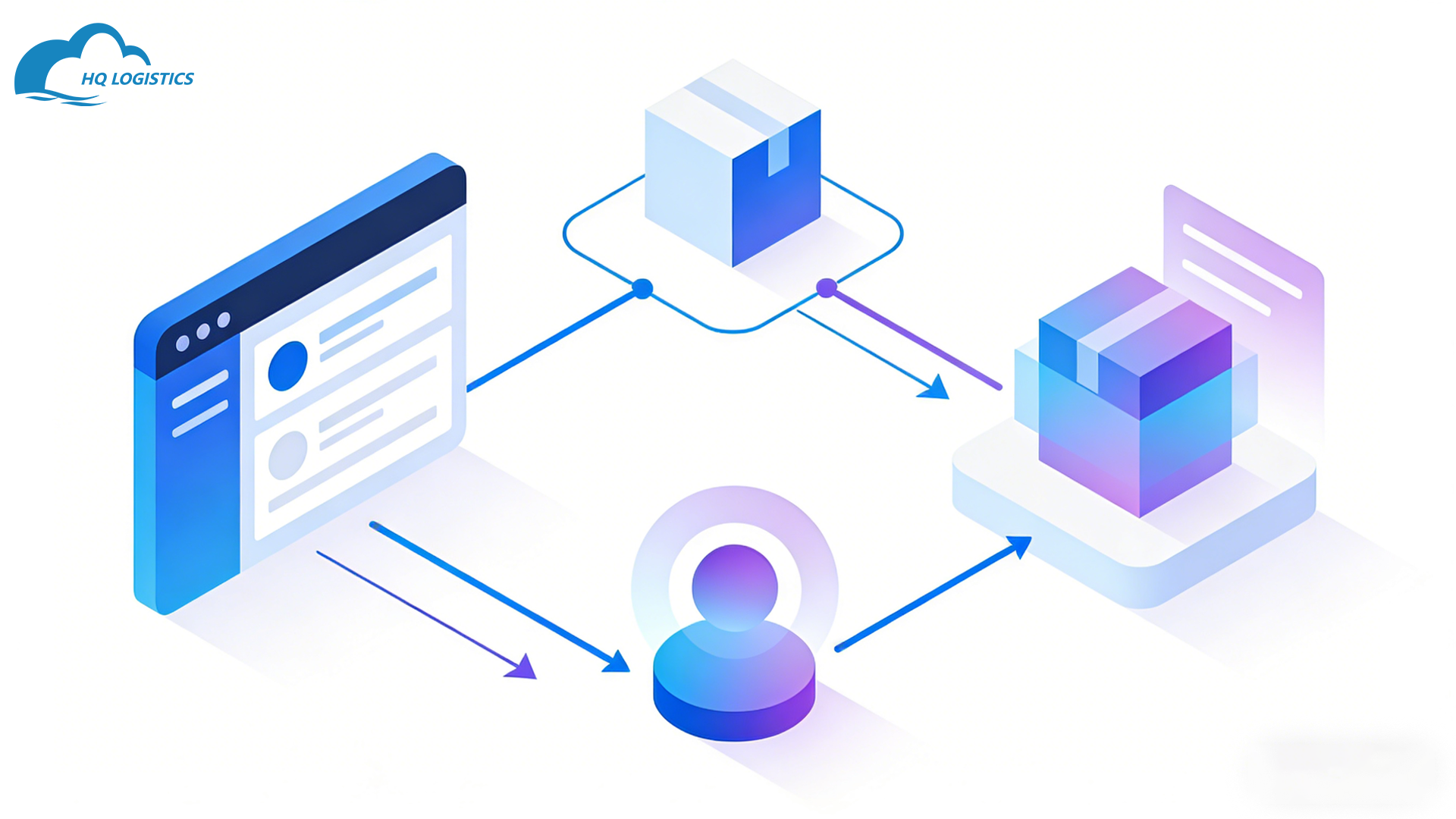
Common Questions About Shopify CN Fulfillment
“Is CN fulfillment slow?”
Not if it’s structured properly.
Predictability matters more than raw speed.
“Can I brand my packaging?”
Yes.
Most CN fulfillment supports:
-
Custom packaging
-
Inserts
-
Branded labels
“Will this integrate with Shopify?”
Yes.
Orders, tracking, and inventory sync automatically.
“What about Chinese holidays?”
This is critical.
Good partners plan inventory before holidays
like Chinese New Year.
That’s non-negotiable.
“Is CN fulfillment risky?”
Unstructured fulfillment is risky.
Structured fulfillment reduces risk.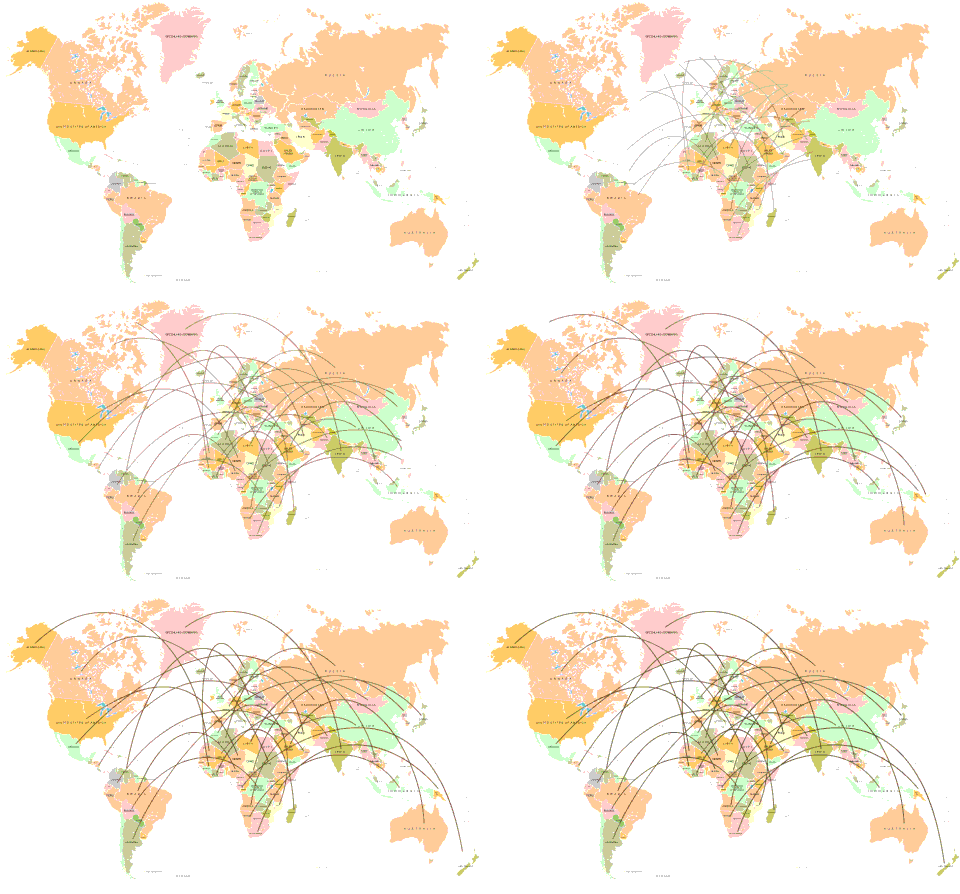
Final Thoughts: Control Beats Cheap
Shopify CN fulfillment isn’t about finding the lowest price.
It’s about:
-
Control
-
Predictability
-
Customer trust
When fulfillment works,
everything else gets easier.
Ads perform better.
Support tickets drop.
Cash flow stabilizes.
If you’re sourcing from China anyway,
it makes sense to fulfill smart.
Shopify CN fulfillment can scale—
if it’s built the right way.