How Fulfillment Pricing Works: Fees to Watch
How Fulfillment Pricing Works: Fees to Watch
Confused by your fulfillment invoices?
Feel like costs keep creeping up even when order volume stays flat?
Wondering where your margins are actually going?
You’re not imagining it.
Fulfillment pricing is one of the most misunderstood parts of ecommerce.
Not because it’s complicated on purpose.
But because the fees are spread out, named differently, and easy to ignore until they hurt.
Let’s break down how fulfillment pricing works and the key fees to watch, in plain English.
No fluff.
No scare tactics.
Just clarity.
What Fulfillment Pricing Really Is
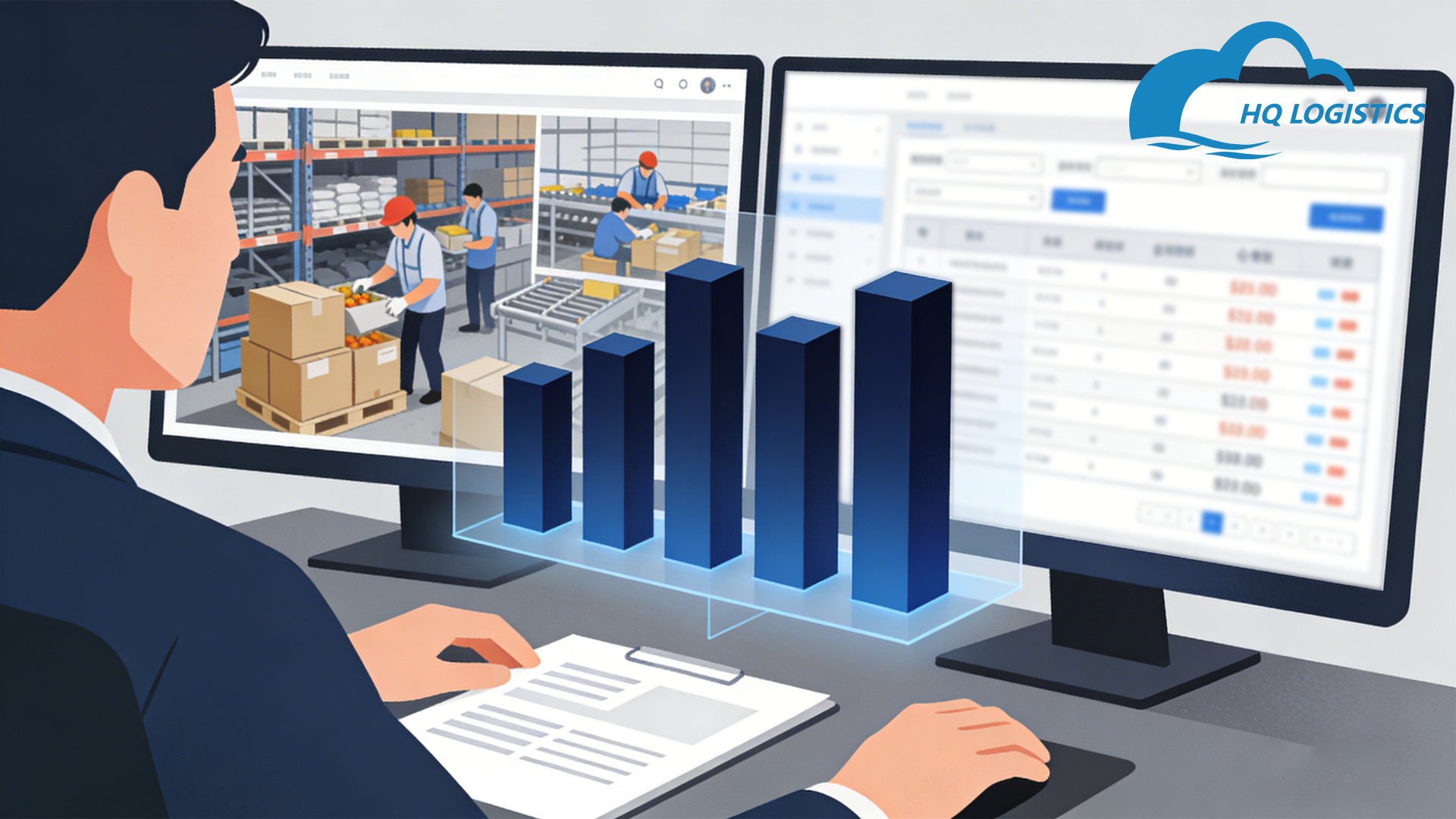
Fulfillment pricing is not one number.
It’s a collection of fees tied to:
-
Storage
-
Order handling
-
Shipping
-
Labor
-
Exceptions
The mistake most sellers make is focusing on per-order cost only.
That’s only part of the picture.
The Core Fulfillment Fee Categories
Almost every fulfillment provider—Amazon FBA, China 3PLs, US warehouses—uses the same basic structure.
The names change.
The logic doesn’t.
1. Storage Fees
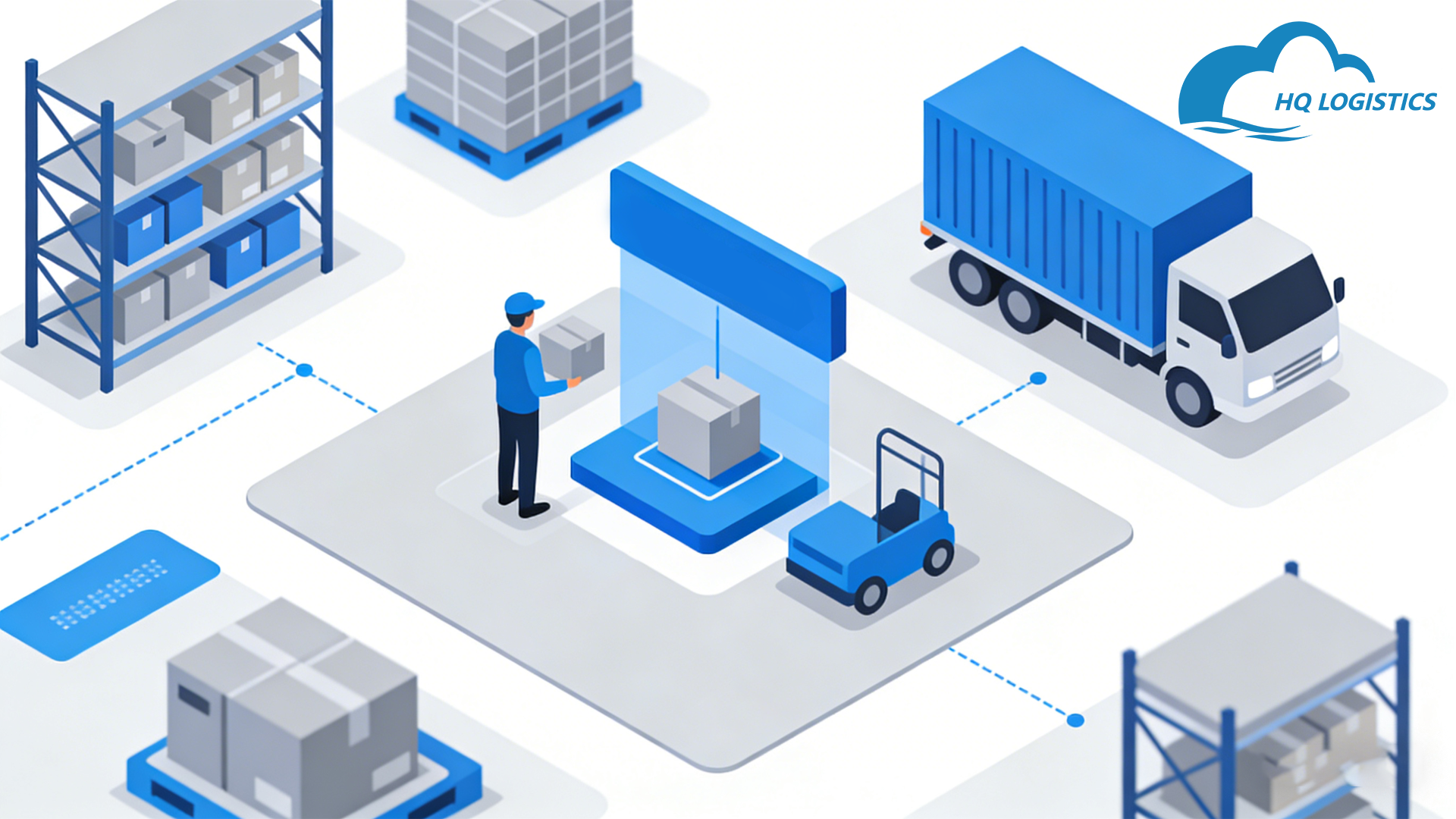
This is the cost of holding your inventory.
Storage is usually charged:
-
Per cubic meter
-
Per pallet
-
Per bin
-
Per unit (less common)
What to watch closely
-
Peak season surcharges
-
Long-term storage penalties
-
Minimum monthly fees
Low storage rates often come with stricter rules.
Cheap storage can still be expensive if inventory sits too long.
2. Inbound Handling Fees
These apply when inventory arrives at the warehouse.
They cover:
-
Unloading
-
Counting
-
System check-in
-
Shelving
Sometimes they’re bundled.
Sometimes they’re itemized.
Red flags
-
Fees per carton and per unit
-
Extra charges for mixed SKUs
-
Fees for inaccurate paperwork
Clean inbound documentation saves money.
3. Pick and Pack Fees
This is what most sellers think of as “fulfillment cost.”
It usually includes:
-
Picking the item
-
Packing it
-
Basic packaging materials
Pricing is often:
-
First item fee
-
Additional item fee
Watch for
-
High add-on item costs
-
Charges for inserts or kitting
-
Minimum order fees
A low base rate can hide expensive add-ons.
4. Packaging Material Fees
Some providers include packaging.
Many don’t.
You may be charged for:
-
Boxes
-
Poly mailers
-
Tape
-
Custom packaging
Why this matters
Packaging fees add up fast at scale.
If you use custom boxes or branded inserts,
ask how those costs are handled.
5. Shipping Costs (The Biggest Variable)
Shipping is often passed through at cost—but not always.
It depends on:
-
Destination
-
Weight and dimensions
-
Shipping speed
-
Carrier
Fees to watch
-
Fuel surcharges
-
Remote area fees
-
Peak season rate hikes
The cheapest rate isn’t always the most stable.
Predictability matters more than saving cents.
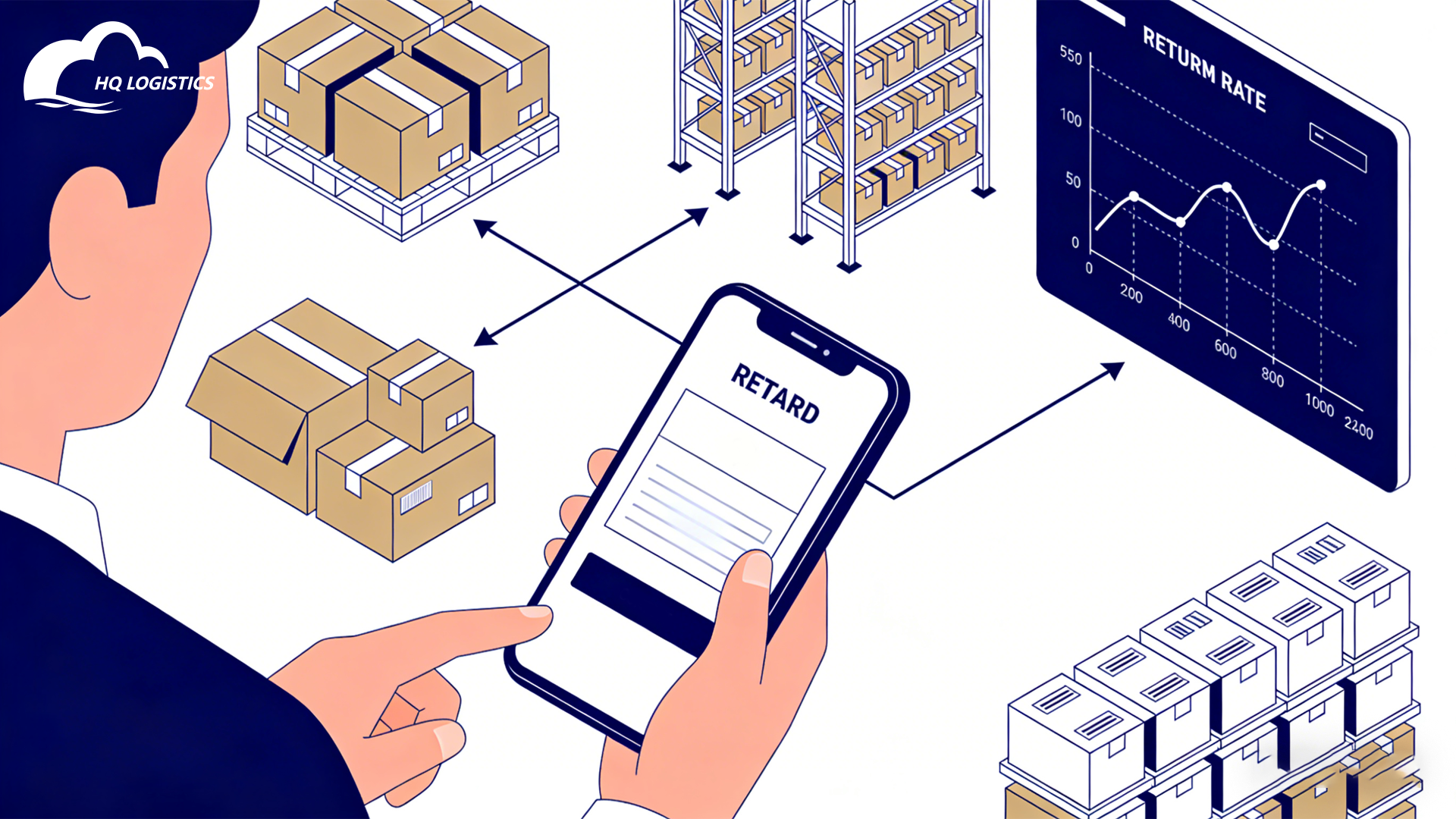
6. Returns Handling Fees
Returns aren’t free.
Common return-related charges include:
-
Receiving returned items
-
Inspection
-
Restocking
-
Disposal
Some providers charge even if the item is unsellable.
Key question to ask
“What happens to returned inventory—and what does it cost?”
7. Special Handling Fees
These apply when orders don’t fit the “standard” process.
Examples:
-
Fragile items
-
Oversized products
-
Battery or liquid items
-
Manual processing
Special products usually mean special fees.
A Short Real Example
I once reviewed a seller’s fulfillment costs.
On paper, their pick-and-pack fee looked great.
But:
-
Storage fees doubled during peak season
-
Packaging was billed separately
-
Returns cost more than shipping
Net result?
Their real fulfillment cost was 35% higher than expected.
The pricing wasn’t wrong.
It just wasn’t understood.
How Fulfillment Pricing Differs by Model
Amazon FBA
-
High convenience
-
Higher fees
-
Strict rules
-
Less flexibility
Good for speed.
Expensive for mistakes.
China 3PL
-
Lower storage costs
-
More flexible handling
-
Shipping costs vary
Better for control.
Requires planning.
Domestic 3PL (US/EU)
-
Faster delivery
-
Higher labor costs
-
Often higher storage fees
Good for customer experience.
Less forgiving on margins.
Hidden Fees Sellers Often Miss
These rarely show up in sales calls.
-
Account management fees
-
System or integration fees
-
Inventory audits
-
Minimum volume penalties
Always ask for a full fee schedule.
If it’s vague, assume it exists.
How to Evaluate Fulfillment Pricing Correctly
Don’t ask:
“How cheap is fulfillment?”
Ask:
-
What’s the total cost per order at scale?
-
How do costs change in peak season?
-
What happens when things go wrong?
A slightly higher base rate with fewer surprises is usually cheaper long-term.
Tips to Control Fulfillment Costs
You can’t eliminate fees.
But you can manage them.
-
Keep SKUs simple
-
Reduce slow-moving inventory
-
Optimize packaging size
-
Plan for seasonal volume
-
Review invoices monthly
Fulfillment rewards structure.
FAQs
“Is fulfillment pricing negotiable?”
Sometimes, especially at volume.
“Why do fees change during peak season?”
Capacity tightens. Labor costs rise.
“Should I choose the cheapest provider?”
Only if you like surprises.
“Are flat-rate models better?”
They’re simpler, not always cheaper.
“How often should I review pricing?”
At least quarterly.

Final Thoughts
Understanding how fulfillment pricing works is about visibility.
Every fee exists for a reason.
Problems happen when they’re ignored.
If you know the fees to watch:
-
You protect margins
-
You plan cash flow
-
You scale with confidence
Fulfillment shouldn’t feel like a black box.
Once you understand the pricing,
it becomes a system you control—not a cost that controls you.