
How to Reduce Shipping Damage & Improve Quality Control in China Fulfillment
How to Reduce Shipping Damage & Improve Quality Control in China Fulfillment
Seeing too many damaged deliveries?
Tired of refunds eating your margins?
Wondering why products leave the warehouse fine but arrive broken?
I’ve dealt with this firsthand.
Shipping damage is one of the fastest ways to lose money and trust.
The good news?
Most damage is preventable.
Let’s walk through how sellers actually reduce shipping damage
and improve quality control when fulfilling from China.
No fluff.
Just what works.
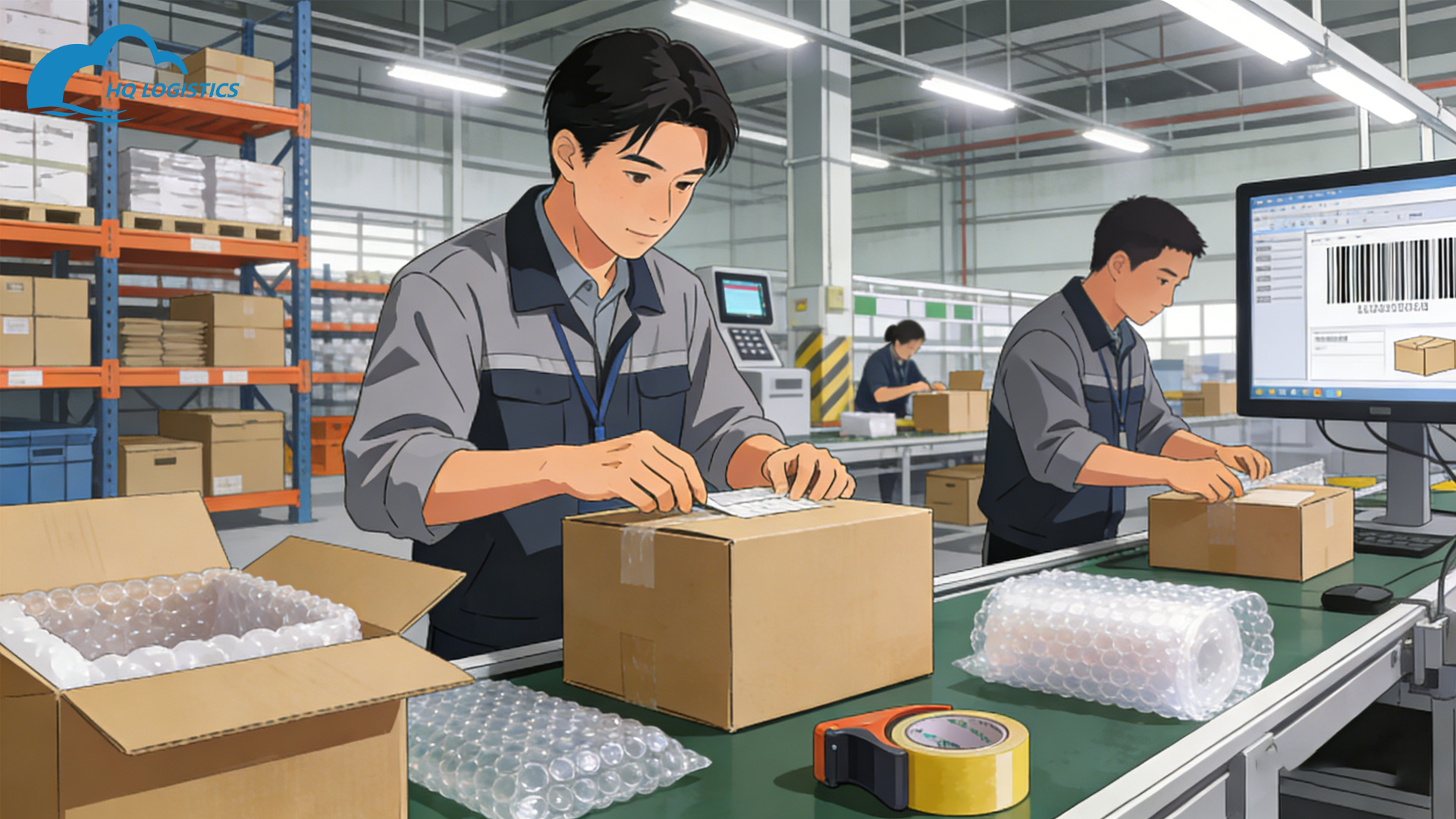
Why Shipping Damage Is So Common in China Fulfillment
Damage usually isn’t about “bad luck.”
It comes from:
-
Weak packaging choices
-
No clear quality standards
-
Rushed fulfillment during peak seasons
China fulfillment moves fast.
Without rules, speed creates mistakes.
Fix the system,
and damage rates drop quickly.
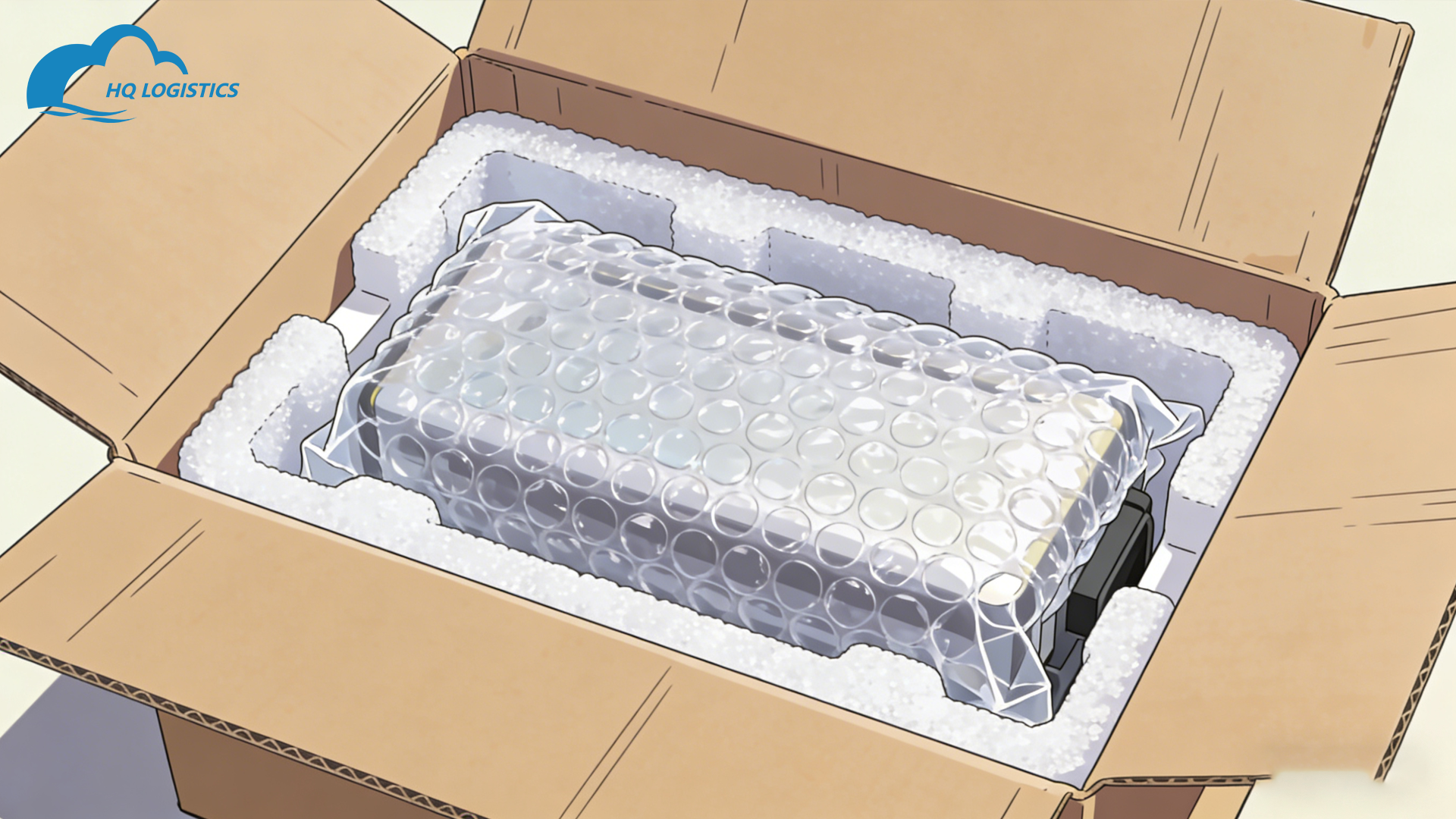
Step 1: Identify Where Damage Really Happens
Before fixing anything, find the source.
Most damage occurs in three places:
-
During packing
-
During international transit
-
During last-mile delivery
If you don’t know which stage fails,
you’ll waste money fixing the wrong thing.
Start by tracking:
-
Damage type (crushed, broken, leaking)
-
SKU involved
-
Packaging used
Patterns appear faster than you expect.
Step 2: Choose Packaging Based on Risk, Not Cost
The cheapest packaging is rarely the cheapest long-term.
Match Packaging to Product Risk
Ask one question:
What happens if this box is dropped?
Examples:
-
Fragile items → double-wall boxes
-
Liquids → sealed bags + absorbent padding
-
Electronics → foam or molded inserts
Cutting packaging cost often increases:
-
Returns
-
Replacements
-
Support tickets
Packaging is insurance.
Step 3: Upgrade Internal Protection (Not Just the Box)
Many sellers focus only on the outer box.
That’s a mistake.
Internal protection matters more.
Effective options:
-
Bubble wrap with full coverage
-
Foam inserts that lock products in place
-
Air pillows to stop movement
Rule of thumb:
If it can move, it can break.
Test packages by:
-
Shaking
-
Dropping from waist height
-
Stacking pressure
If it fails in testing,
it will fail in transit.
Step 4: Standardize Packing Instructions
Verbal instructions don’t scale.
You need written standards.
Create a simple packing guide:
-
Photos or diagrams
-
Step-by-step instructions
-
SKU-specific rules
Include:
-
How many layers of protection
-
Where to place inserts
-
Box size limits
Consistency reduces errors more than training alone.
Step 5: Implement Pre-Shipment Quality Control
Quality control should happen before products leave China.
Not after customers complain.
What Pre-Shipment QC Should Include
At minimum:
-
Visual inspection
-
Quantity check
-
Packaging check
For higher-value items:
-
Functional testing
-
Random drop testing
QC doesn’t need to be expensive.
It needs to be consistent.
Step 6: Use Sampling, Not 100% Inspection
Inspecting every unit slows fulfillment.
Sampling works better.
Common approach:
-
Randomly inspect 5–10% of orders
-
Increase rate for new SKUs
-
Increase during peak seasons
If defect rate rises,
scale inspections up temporarily.
Data-driven QC beats blanket rules.
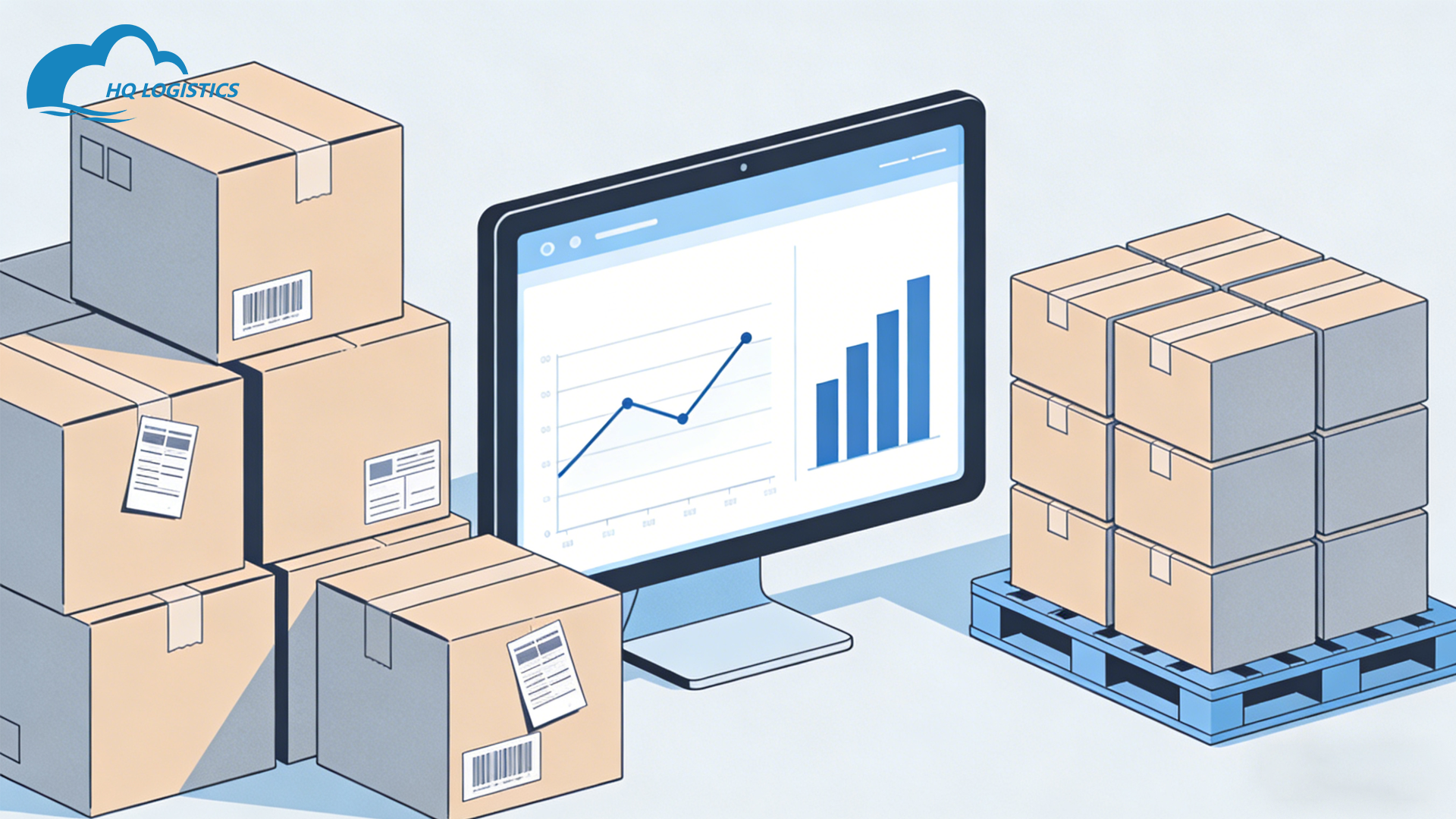
Step 7: Track Damage Rate as a KPI
If you don’t measure it,
you can’t fix it.
Track:
-
Damage rate by SKU
-
Damage rate by packaging type
-
Damage rate by shipping line
Even a simple spreadsheet works.
Healthy benchmarks:
-
Below 1% damage rate for most categories
-
Lower for non-fragile items
Anything higher needs attention.
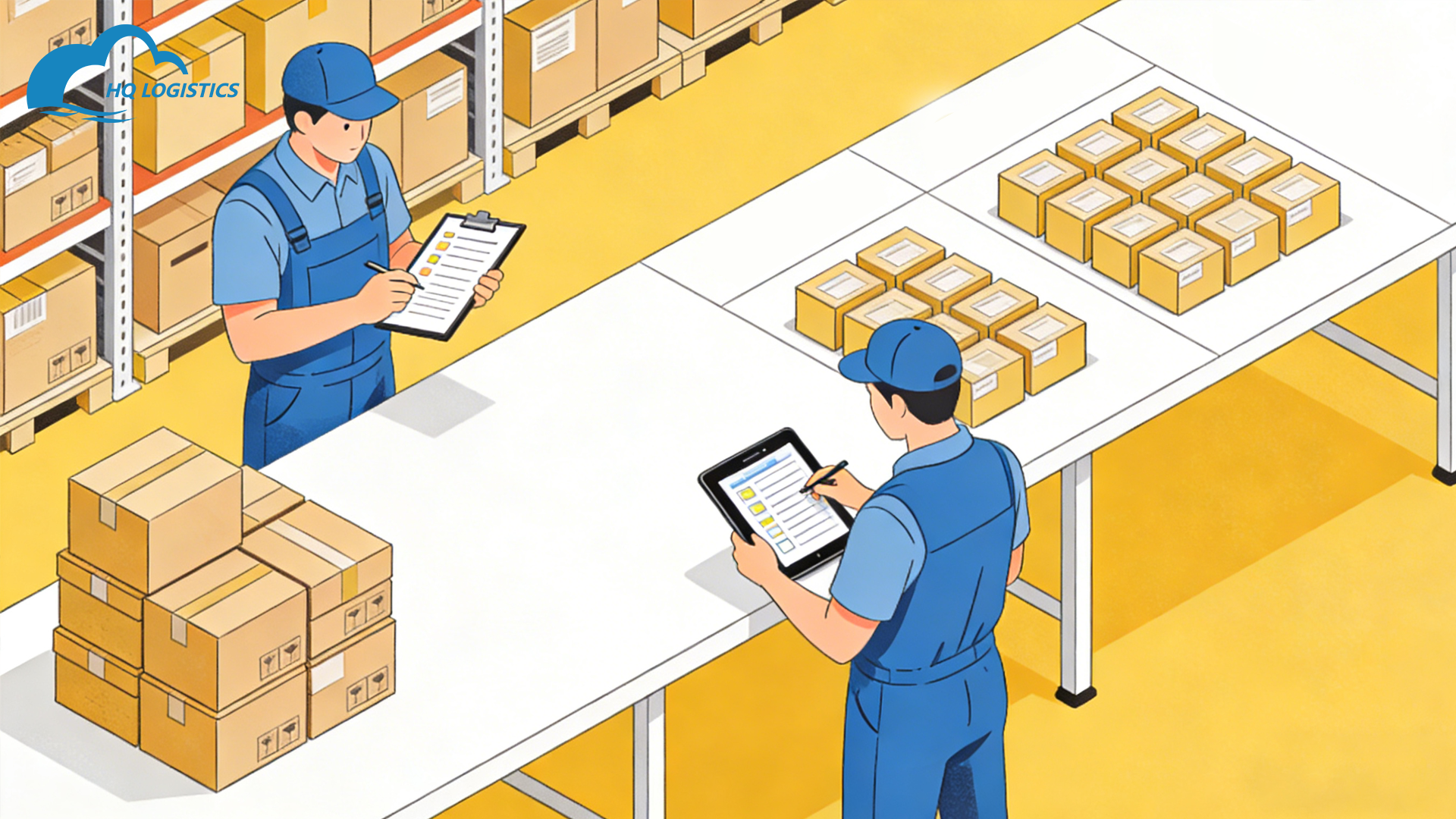
A Real Example From a Seller
One seller shipping home decor from China was drowning in returns.
We found the issue:
-
Products packed loose
-
Boxes too large
-
No internal padding
Fixes were simple:
-
Right-size boxes
-
Foam inserts
-
Clear packing guide
Result:
-
Damage rate dropped by over 60%
-
Fewer refunds
-
Better reviews
No supplier change.
Just better systems.
Step 8: Communicate QC Expectations Clearly
Don’t assume partners know your standards.
Spell them out.
Include:
-
Acceptable defect rates
-
Repacking rules
-
When to pause shipments
Good fulfillment partners want clarity.
Silence creates guesswork.
Step 9: Improve Quality Control During Peak Seasons
Peak seasons increase risk.
Common problems:
-
Temporary staff
-
Rushed packing
-
Looser inspections
Counter this by:
-
Increasing QC sampling
-
Slowing cutoffs slightly
-
Simplifying packaging options
Speed without control creates damage.
Step 10: Use Customer Feedback as a QC Tool
Customers tell you what reports don’t.
Track:
-
Photos sent to support
-
Repeated complaints by SKU
-
Common damage descriptions
Feed this data back into:
-
Packaging changes
-
QC rules
-
Product design
Feedback closes the loop.
FAQs: Shipping Damage & QC
1. Is shipping damage inevitable from China?
No.
Most damage is preventable with proper packaging and QC.
2. Does better packaging slow fulfillment?
Slightly.
But it reduces refunds and support time significantly.
3. Should I inspect every order?
Only for very high-value items.
Sampling works for most sellers.
4. How do I lower damage without raising costs too much?
Fix box sizing and internal protection first.
Those changes have the highest ROI.
5. When should I revisit QC rules?
Anytime you:
-
Launch a new SKU
-
Change packaging
-
See damage rate increase
Final Thoughts
Shipping damage isn’t random.
It’s a system failure.
China fulfillment moves fast.
Without quality control, speed becomes a liability.
When you:
-
Match packaging to risk
-
Standardize packing
-
Inspect consistently
-
Track damage as a KPI
You protect:
-
Your margins
-
Your brand
-
Your customers
Fix the system once,
and it pays you back on every order.