“What Is the Center of China?” — Logistics Meaning & Why Location Matters for Fulfillment
“What Is the Center of China?” — Logistics Meaning & Why Location Matters for Fulfillment
Ever heard someone say,
“We ship from the center of China”?
What does that actually mean?
Is there a real “center” when it comes to logistics?
And more importantly—does location really affect fulfillment speed and cost?
Short answer: yes, a lot.
Let’s break it down in plain English.
No geography lecture.
Just how location impacts fulfillment in the real world.
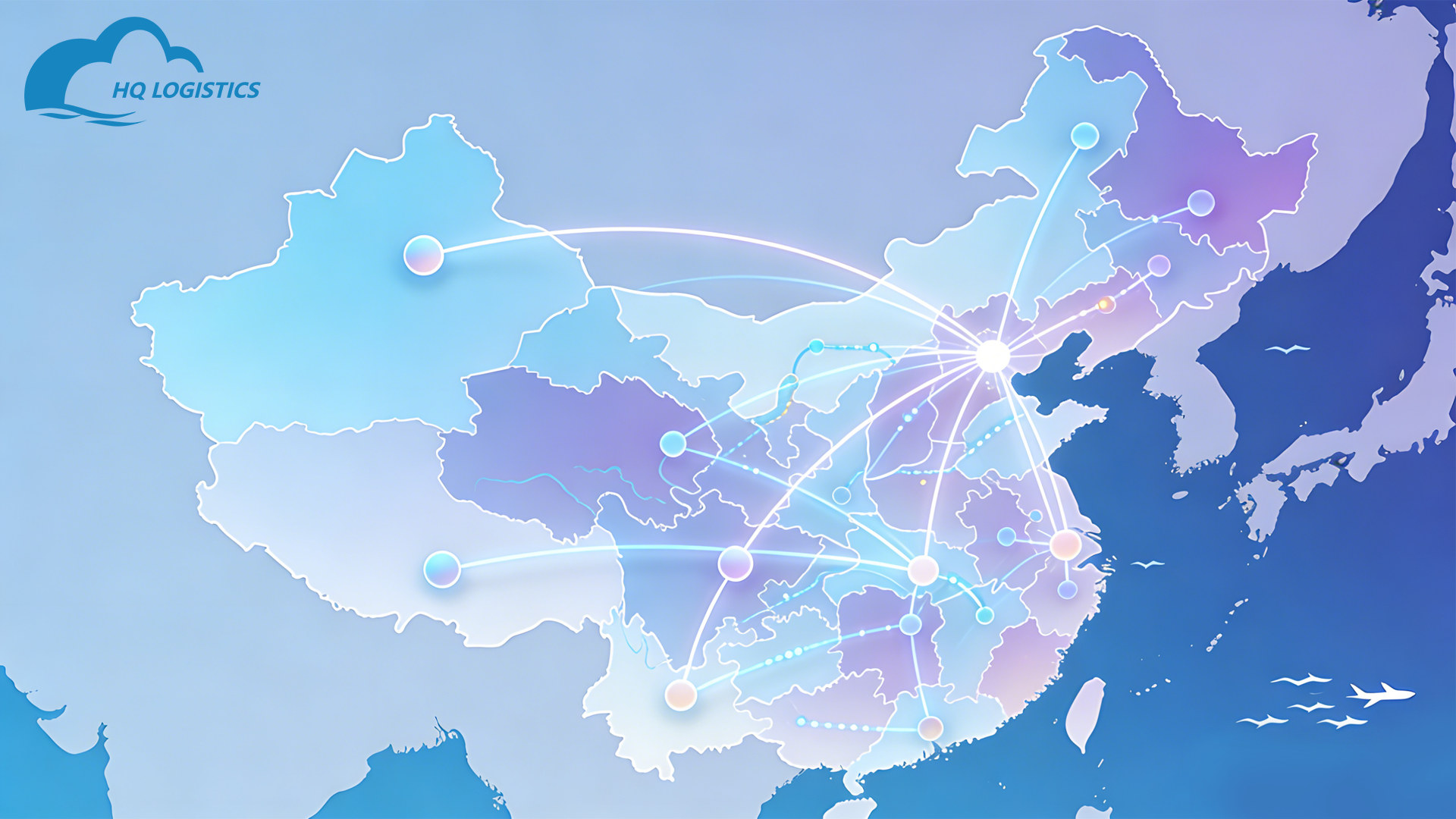
What People Mean by “The Center of China”
There are two ways people use this phrase.
The Geographic Center
On a map, China’s geographic center sits roughly around:
-
Shaanxi
-
Gansu
-
Ningxia
This is interesting—but mostly irrelevant for logistics.
Logistics doesn’t care about maps.
It cares about movement.
The Logistics “Center” (What Actually Matters)
In logistics, “center” means:
-
Connectivity
-
Access
-
Distribution efficiency
The real center is where goods move fastest
with the least friction.
This is why logistics centers shift over time.
Why Location Matters in Fulfillment
Fulfillment isn’t just storage.
It’s speed, reliability, and cost control.
Location impacts:
-
Shipping time
-
Shipping cost
-
Route stability
-
Risk during peak seasons
Choose the wrong location,
and everything slows down.
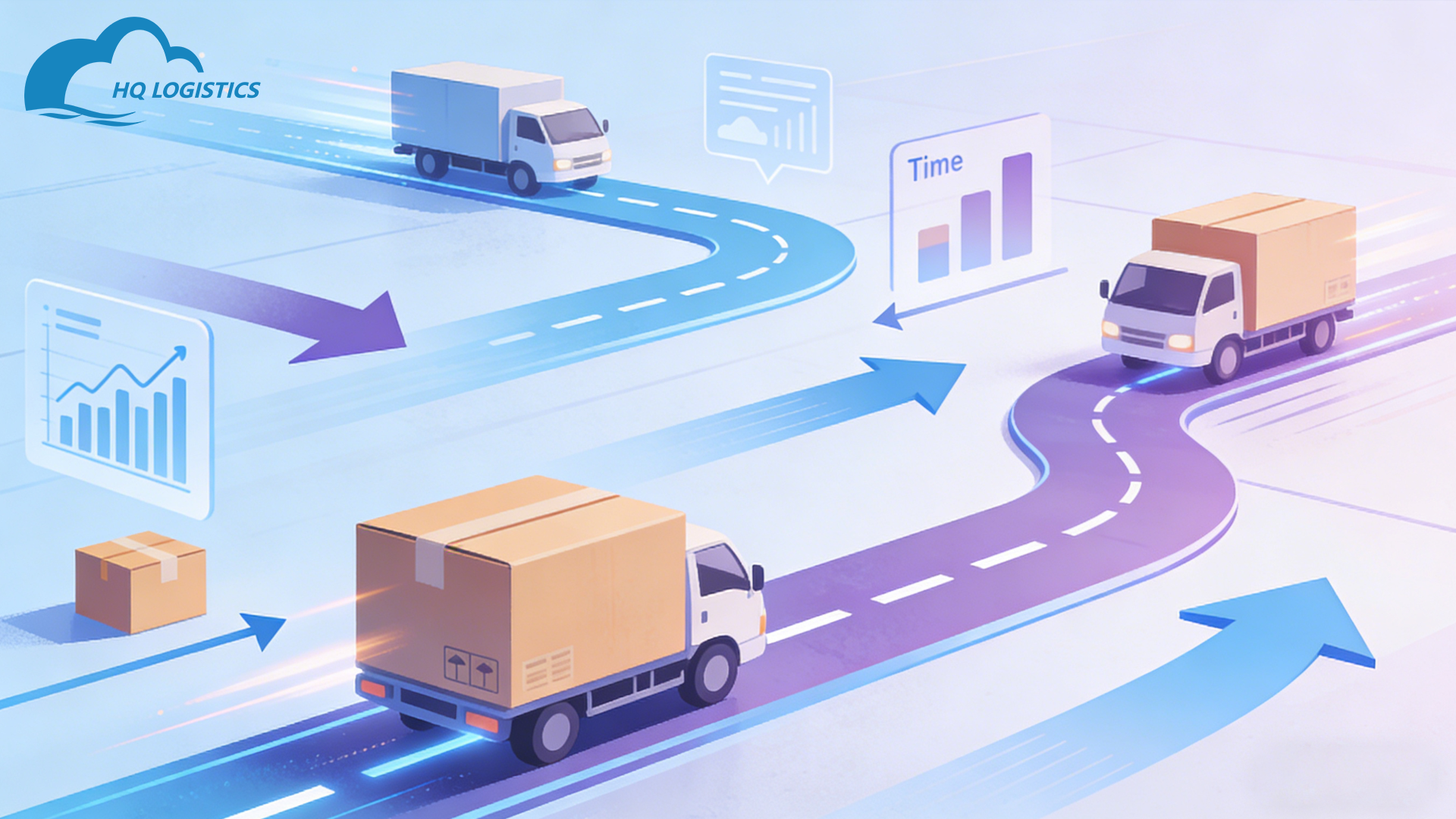
Key Factors That Define a Logistics Center
A true logistics hub has three things.
1. Transportation Infrastructure
This includes:
-
Airports
-
Rail hubs
-
Highway networks
-
Express carrier coverage
More routes = more flexibility.
2. Proximity to Manufacturing
Most products still start near factories.
Being close means:
-
Faster inbound restocking
-
Lower domestic freight cost
-
Easier quality checks
Distance adds friction.
3. Access to International Shipping Lines
For cross-border fulfillment, this is critical.
Strong hubs connect easily to:
-
International air cargo
-
Cross-border express lines
-
Consolidated export channels
Without this, speed disappears.
So… Where Is China’s Logistics “Center”?
For fulfillment, it’s not one city.
It’s a network of strategic regions.
Let’s look at the most important ones.

East China: Speed & Export Power
Regions like:
-
Guangdong
-
Zhejiang
-
Jiangsu
Why they matter:
-
Close to factories
-
Strong international shipping
-
Mature logistics ecosystems
This is where speed starts.
For many sellers,
this is the most efficient “center.”
Central China: Balance & Scalability
Cities like:
-
Wuhan
-
Zhengzhou
-
Changsha
These areas offer:
-
Lower warehousing costs
-
Growing transport hubs
-
Strong rail and air connections
Central China is about balance.
Not the fastest.
Not the cheapest.
But very scalable.
North China: Access to Policy & Air Cargo
Regions like:
-
Beijing
-
Tianjin
Strengths include:
-
Strong air freight capacity
-
Customs efficiency
-
Policy support zones
Less manufacturing.
More coordination power.
South China: Cross-Border Flexibility
Southern hubs offer:
-
Fast export handling
-
Flexible shipping options
-
High-volume carrier access
Especially useful for:
-
US
-
EU
-
Southeast Asia
This region moves fast—when planned well.
A Simple Example From a Seller
One seller stored inventory deep inland
because warehouse rent was cheap.
On paper, it looked smart.
In reality:
-
Domestic trucking added days
-
Missed export cutoffs
-
Higher damage rates
After moving inventory closer to export hubs:
-
Delivery time dropped
-
Shipping costs stabilized
-
Fewer delays during peak seasons
Location quietly fixed everything.
How Location Affects Delivery Time
Let’s make it practical.
Inventory closer to shipping hubs means:
-
Same-day dispatch
-
Earlier carrier handoff
-
Faster customs processing
Every extra mile inside China
adds risk before the order even ships.
How Location Affects Shipping Cost
Cheap rent doesn’t equal cheap fulfillment.
Hidden costs include:
-
Domestic freight
-
Repacking
-
Missed consolidation windows
A better location often reduces:
-
Per-order shipping cost
-
Error rates
-
Operational stress
Efficiency beats rent savings.
Location and Peak Season Performance
Peak seasons expose bad decisions.
Poor location causes:
-
Congestion
-
Missed flights
-
Inconsistent delivery times
Strong hubs offer:
-
Backup routes
-
Carrier flexibility
-
Priority access
This matters most during:
-
Chinese New Year
-
Global sales events
Choosing the Right Location for Fulfillment
There’s no universal answer.
Ask these questions:
-
Where are my customers?
-
Which shipping lines do I use?
-
How fast do I need delivery?
-
How volatile is my demand?
The “center” should serve your flow,
not a map.
When Central China Makes Sense
Central regions work well when:
-
Volumes are stable
-
Speed expectations are moderate
-
Cost control matters
They’re great for scaling—
not for last-minute speed.
When Coastal Hubs Are Better
Coastal or export-heavy hubs win when:
-
Delivery speed matters
-
SKUs turn fast
-
International shipping is frequent
These locations absorb shocks better.
FAQs: China Logistics & Fulfillment Location
1. Is there one best logistics center in China?
No.
It depends on shipping routes, volume, and speed needs.
2. Is inland fulfillment always slower?
Usually, yes.
Especially for cross-border orders.
3. Does location affect customs clearance?
Indirectly.
Better hubs have more experienced operators.
4. Can location reduce delivery time without changing carriers?
Absolutely.
Location alone can shave days off delivery.
5. Should I change locations as my business grows?
Often, yes.
What works at 100 orders may fail at 10,000.
Final Thoughts
“The center of China” isn’t a dot on a map.
It’s a logistics decision.
The right location:
-
Reduces delays
-
Stabilizes costs
-
Protects customer experience
Fulfillment isn’t just about where products sit.
It’s about how smoothly they move.
And that’s why location matters—
more than most sellers realize.