Q1 Shipping Takeaways, Lunar New Year Stocking Status & Next Steps for Sellers
Q1 Shipping Takeaways, Lunar New Year Stocking Status & Next Steps for Sellers
Still feeling the aftershocks of Lunar New Year?
Wondering if your Q1 shipping plan actually worked?
Or figuring out what to fix before Q2 hits? 🤔
I’ve been reviewing Q1 data and seller feedback.
Here’s a clear, practical breakdown of Q1 Shipping Takeaways, Lunar New Year Stocking Status & Next Steps for Sellers—no fluff.

Q1 Shipping Takeaways: What Actually Happened
Q1 was predictable… and still painful for some sellers.
Here’s what stood out.
Capacity came back slower than expected
Yes, factories reopened.
No, shipping didn’t normalize overnight.
What I saw:
-
Air capacity recovered unevenly
-
Economy lanes cleared backlogs late
-
Fast lanes stabilized first (as usual)
Takeaway:
Q1 is never “normal” until mid-February at best.
Transit times mattered more than price
In Q1, buyers were less patient.
Why?
-
Holiday hangover expectations
-
Promotions tied to delivery promises
-
Paid ads running too early
Sellers who won:
-
Slightly higher shipping cost
-
Clear delivery windows
-
Fewer refunds
Lunar New Year Stocking Status: Who Got It Right
Let’s be honest.
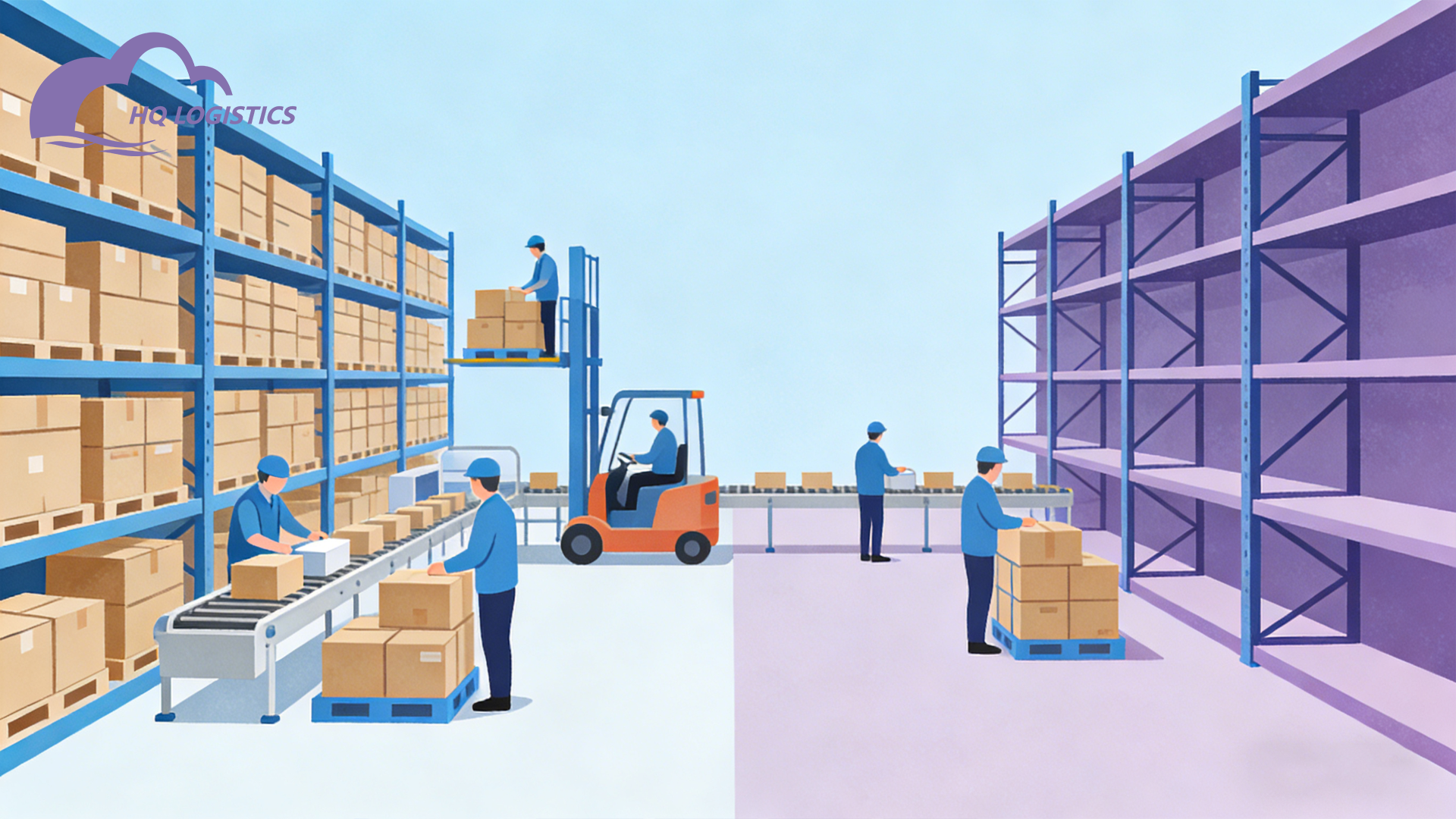
LNY planning separated pros from beginners.
Sellers who planned early
They usually:
-
Stocked 4–6 weeks before LNY
-
Froze SKUs with unstable demand
-
Pre-booked fast lanes
Result:
-
Minimal downtime
-
Stable fulfillment
-
No panic restocking
Sellers who waited too long
Common mistakes:
-
Stocking only 2 weeks ahead
-
Assuming “factory reopening = instant shipping”
-
No backup carrier options
Result:
-
Missed sales
-
Forced lane upgrades
-
Margin pressure 😬
Simple rule:
Factory open ≠ supply chain ready.
A Quick Seller Story ☕
One seller I talked to sells small home goods.
What went wrong:
-
Inventory ran out 10 days into LNY
-
Fast lanes were available—but expensive
-
Margins vanished overnight
What we changed this year:
-
Smaller but earlier stock build
-
Split lanes (cheap + fast)
-
Clear “post-holiday delivery” messaging
This Q1?
No stockouts.
No emergency shipping.
Planning beat luck.
What Q1 Taught Us About Stocking Strategy
Here’s the short version.
Overstocking is risky.
Under-stocking is worse.
What worked best:
-
Rolling replenishment, not one big bet
-
Priority SKUs stocked deeper
-
Long-tail SKUs kept flexible
Bulletproof moves:
-
Lock packaging specs early
-
Confirm carton sizes (dim weight matters)
-
Keep 1–2 weeks of buffer stock offshore
Next Steps for Sellers (Looking Into Q2)
This is where smart sellers act.
1. Rebalance your shipping lanes
If Q1 relied too much on:
-
Expensive express lanes
It’s time to rebalance.
If Q1 used only cheap lanes:
-
Add a paid fast option
Lane flexibility = profit protection
2. Reset delivery promises now
Customers remember delays.
They also remember honesty.
Do this:
-
Update delivery timelines
-
Separate peak vs normal shipping promises
-
Be clear at checkout
3. Prepare early for the next disruption
There’s always another one.
Think ahead:
-
Labor shortages
-
Peak season congestion
-
Regional trade changes
Action step:
-
Lock backup carriers before you need them

FAQs: Q1 Shipping & Lunar New Year
1. Is Q1 always unstable for shipping?
Yes. Especially January to mid-February.
2. How much stock should I hold before LNY?
Typically 4–6 weeks, depending on sales velocity.
3. Should I stop ads during LNY?
Not always. Adjust delivery promises instead.
4. Are fast lanes worth it post-LNY?
Yes, temporarily—until economy lanes stabilize.
Final Thoughts
Q1 rewards preparation, not reaction.
Lunar New Year exposes weak plans fast.
If you:
-
Stock earlier
-
Diversify lanes
-
Communicate clearly
You protect margin and sanity.