Big Retail Fulfillment Models: Lessons For E-commerce Brands
Big Retail Fulfillment Models: Lessons For E-commerce Brands
Ever wonder how big retailers ship so fast without burning cash?
Trying to copy Amazon speed but on a Shopify budget?
Or stuck between outsourcing everything vs doing it in-house? 🤔
I’ve spent years watching how big retail handles fulfillment.
Here’s the distilled, practical take on Big Retail Fulfillment Models: Lessons For E-commerce Brands—what actually works, and what you can steal (without their budget).
What “Big Retail Fulfillment Models” Really Mean
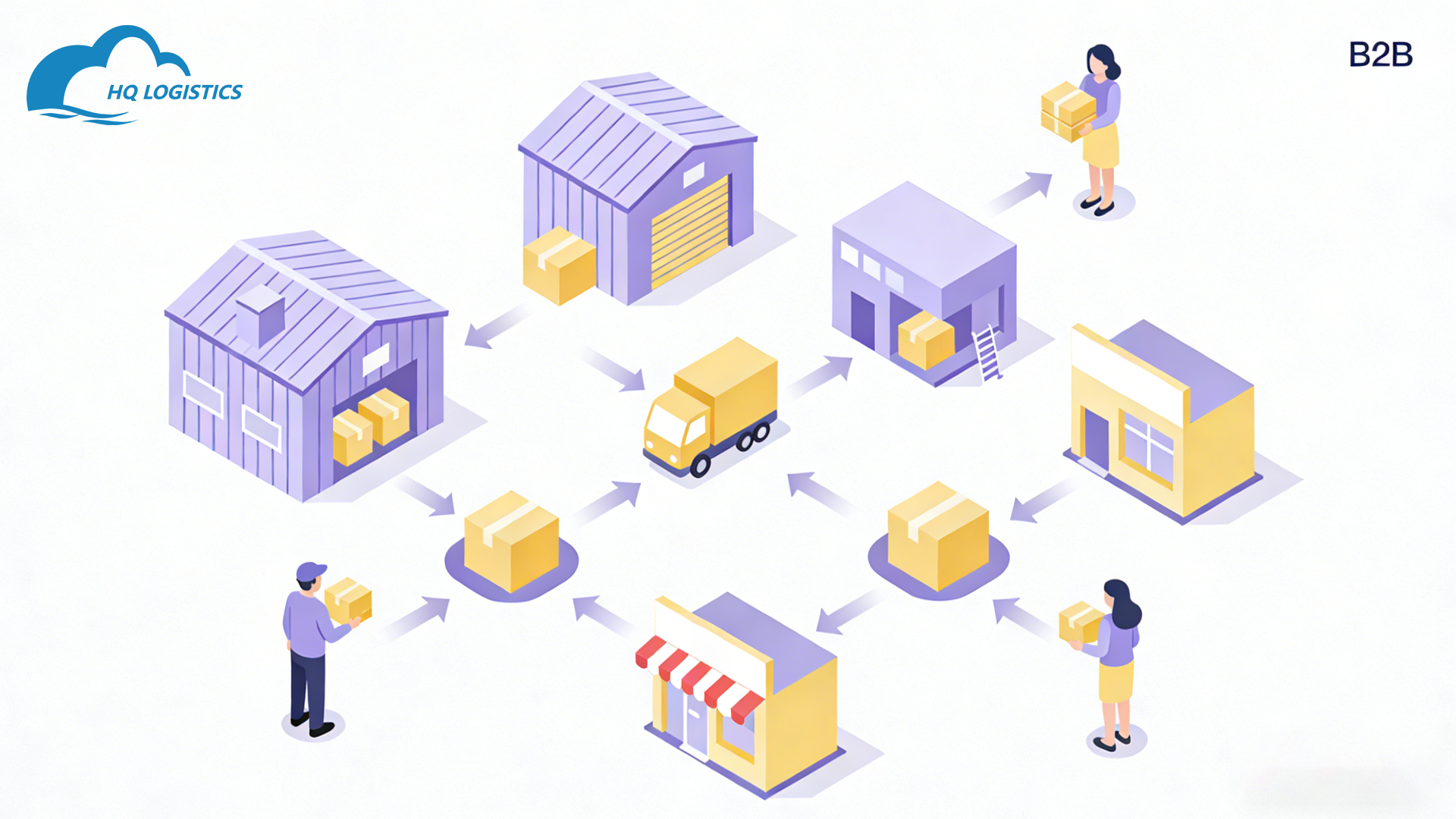
Big retailers don’t rely on one setup.
They run multiple fulfillment models at the same time.
Common ones:
-
Centralized distribution centers (DCs)
-
Regional warehouses
-
Store-based fulfillment
-
Third-party logistics (3PLs)
The key lesson?
Flexibility beats perfection.
Centralized Fulfillment: Control First, Speed Second
How big retail uses it
Most large brands start here:
-
One or two massive DCs
-
Inventory pooled in one place
-
Heavy automation 🤖
Why it works for them
-
Lower inventory duplication
-
Strong cost control
-
Easier forecasting
The downside (important)
-
Slower last-mile delivery
-
Higher shipping cost to distant customers
-
One disruption = big impact
Lesson for e-commerce brands
Centralized fulfillment is great when:
-
SKU count is high
-
Order volume is predictable
-
Speed is not your main selling point
Regional Fulfillment: Speed Wins Loyalty
What big retailers do differently
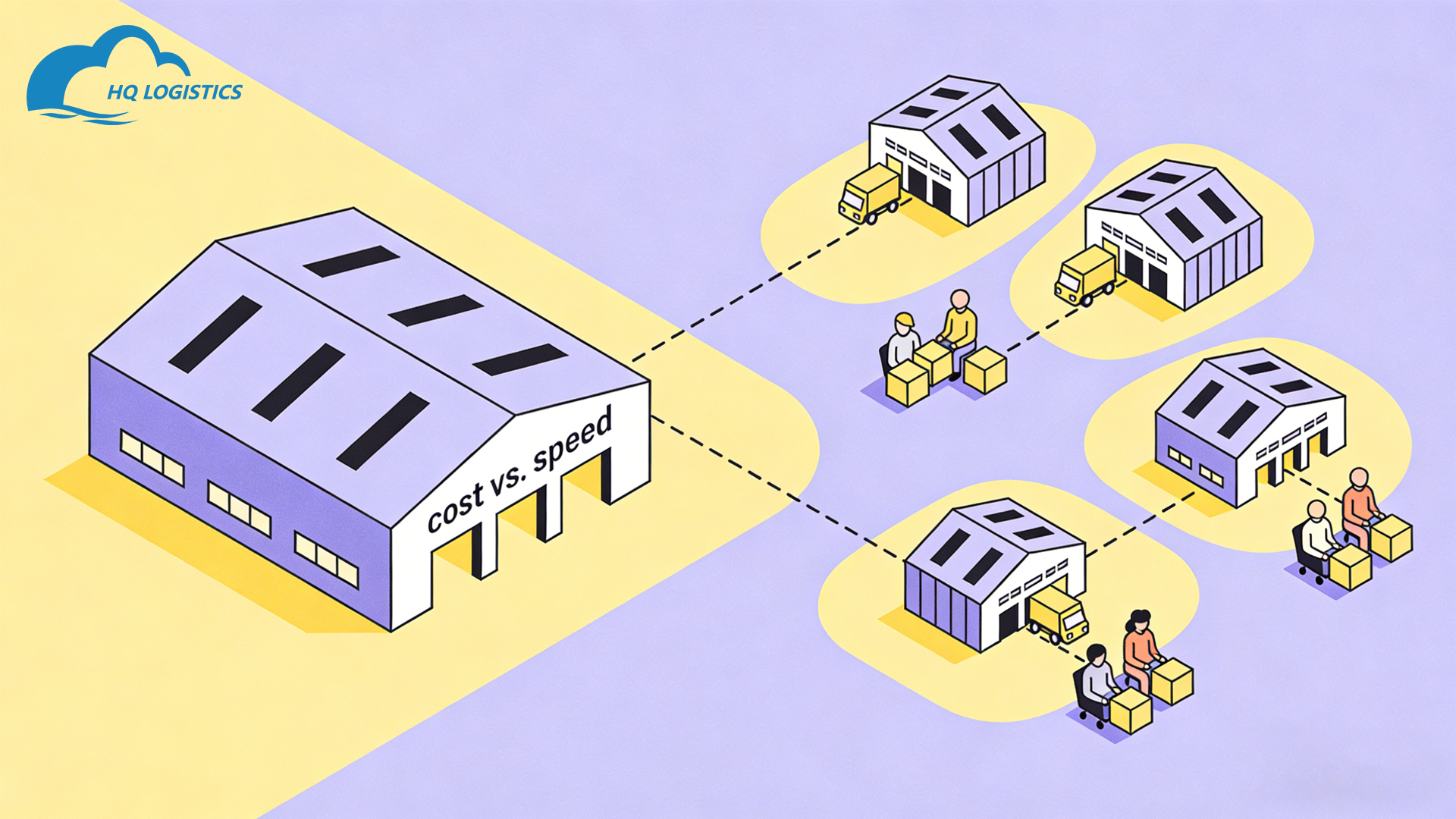
They place inventory closer to customers.
That means:
-
Multiple regional warehouses
-
Split inventory by demand
-
Faster delivery promises 🚀
Pros
-
Shorter delivery times
-
Lower last-mile cost
-
Higher conversion rates
Cons
-
More complex inventory management
-
Higher holding costs
-
Risk of regional stockouts
Lesson for smaller brands
You don’t need 10 warehouses.
Start with:
-
1 central location
-
1 regional 3PL for top markets
Speed where it matters most.
Store-Based Fulfillment: The Hidden Weapon
How big retail uses stores
Retail stores double as:
-
Mini fulfillment centers
-
Local pickup points
-
Return hubs
This enables:
-
Same-day or next-day delivery
-
Lower return shipping cost
Why it’s powerful
-
Inventory already paid for
-
Close to customers
-
Flexible during peaks
Reality check for DTC brands
Most e-commerce brands don’t have stores.
But the principle still applies.
What you can copy
-
Micro-fulfillment via local 3PLs
-
Urban warehouses for fast SKUs
-
Returns routed to the nearest location
3PL-Led Fulfillment: Scale Without Owning Everything
Why big retailers still use 3PLs
Even giants outsource when:
-
Entering new regions
-
Testing new categories
-
Handling peak season overflow
Benefits
-
Fast scalability
-
Local expertise
-
Less upfront investment
Risks
-
Less direct control
-
Variable service quality
-
Pricing can creep up over time
Lesson for growing brands
Use 3PLs as:
-
A growth lever, not a crutch
-
A test before committing long-term
A Short Real Example ☕
I once worked with a brand obsessed with copying Amazon.
They tried:
-
Nationwide fast shipping
-
One warehouse
-
No 3PL support
Result?
High shipping costs.
Late deliveries.
Burned margins.
We switched to:
-
Central warehouse for most orders
-
Regional 3PL for top 2 states
Delivery got faster.
Costs went down.
Customers noticed.
Big retail thinking—scaled down.
What Big Retail Does Better Than Most DTC Brands
Here’s the real difference.
Big retailers:
-
Plan 12–18 months ahead
-
Build redundancy into fulfillment
-
Assume disruption will happen
They don’t ask:
“Will this break?”
They ask:
“When it breaks, what’s Plan B?”
Practical Fulfillment Lessons You Can Apply Now
Steal these ideas:
-
Segment SKUs
-
Fast movers vs long tail
-
-
Segment customers
-
Speed-sensitive vs price-sensitive
-
-
Split fulfillment
-
Not everything ships the same way
-
Simple framework I like:
-
70% efficiency
-
20% speed
-
10% flexibility buffer
That buffer saves brands every peak season.
FAQs: Big Retail Fulfillment Models
1. Do I need multiple warehouses to compete?
No. You need the right warehouse setup, not more buildings.
2. Is fast shipping always worth it?
Only if it increases conversion or retention.
3. Should small brands copy Amazon’s model?
No. Copy the logic, not the scale.
4. When should I add a 3PL?
When growth outpaces your current setup—or before peak season.
5. How do big retailers handle returns so well?
They route returns locally and reuse inventory fast.
Final Take
Big retailers win at fulfillment because they design for reality, not perfection.
You don’t need their budget.
You need their mindset:
-
Flexibility
-
Redundancy
-
Smart trade-offs