Local Warehouse vs China Fulfillment: Which Model Fits Your Brand?
Local Warehouse vs China Fulfillment: Which Model Fits Your Brand?
Trying to decide where to fulfill orders?
Wondering if a local warehouse is worth the cost?
Or sticking with China fulfillment and hoping customers stay patient? 🤷♂️
I’ve seen brands win—and lose—on this exact choice.
Let’s break down Local Warehouse vs China Fulfillment: Which Model Fits Your Brand? in a clear, practical way.
No hype.
Just trade-offs.
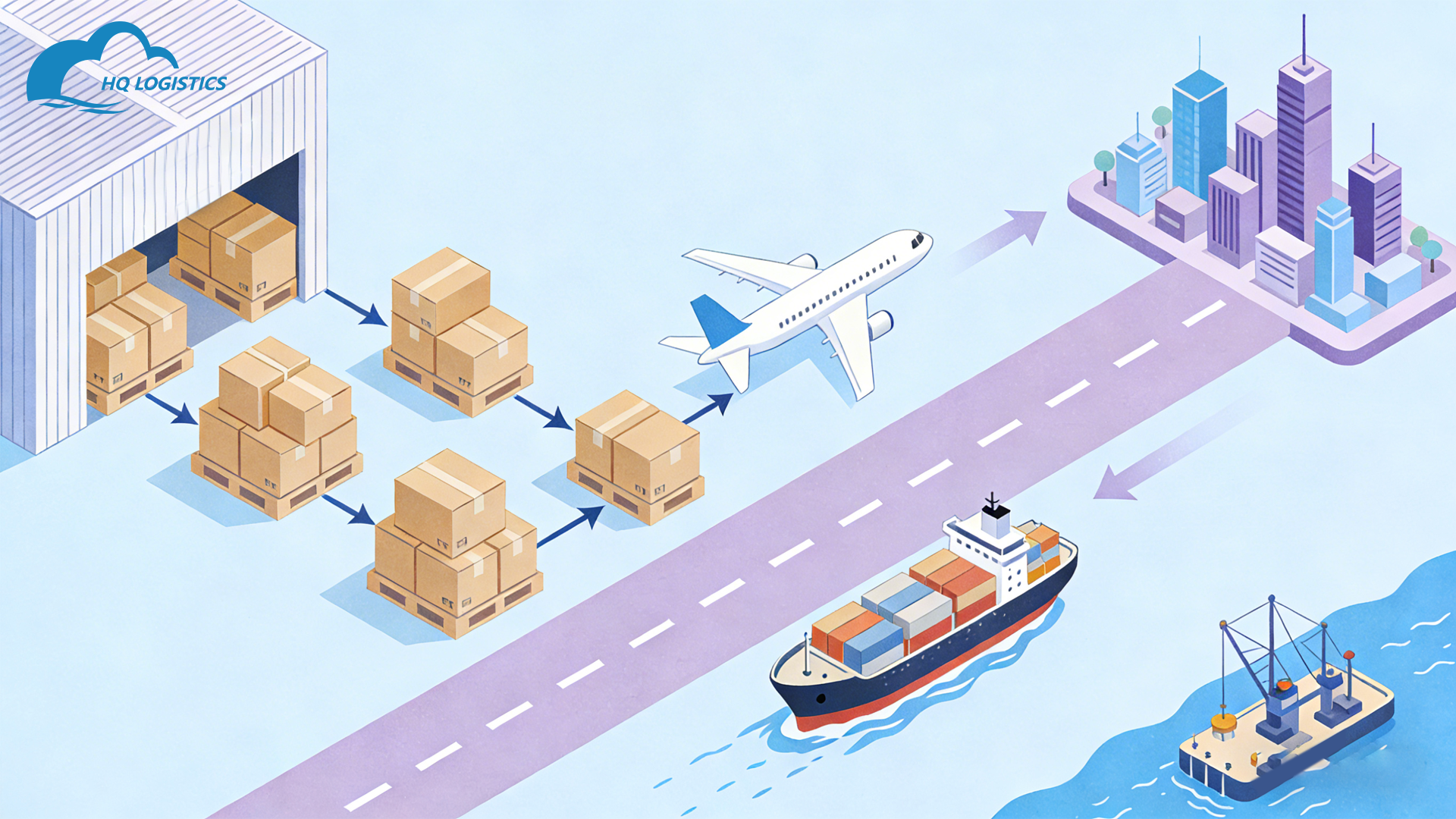
What These Two Fulfillment Models Really Mean
Let’s align first.
China fulfillment
Orders ship directly from China to the end customer.
Local warehouse fulfillment
Inventory is stored closer to customers (US, EU, UK, etc.).
Neither is “better.”
They solve different problems.
China Fulfillment: Cost Efficiency First
Why brands start with China fulfillment
Most brands begin here.
It’s simple and cheap.
Key advantages:
-
Low upfront inventory cost
-
No overseas warehousing fees
-
Easy to test new SKUs
-
Flexible scaling
Typical delivery time:
-
7–20 days, depending on lane
Where China fulfillment struggles
Let’s be real.
Challenges include:
-
Longer delivery times
-
Limited tracking on economy lanes
-
Lower customer patience
-
Higher refund risk if expectations aren’t clear
When China fulfillment works best
I recommend it when:
-
Product price is low
-
Demand is uncertain
-
You’re still testing the market
-
Speed is not the main selling point
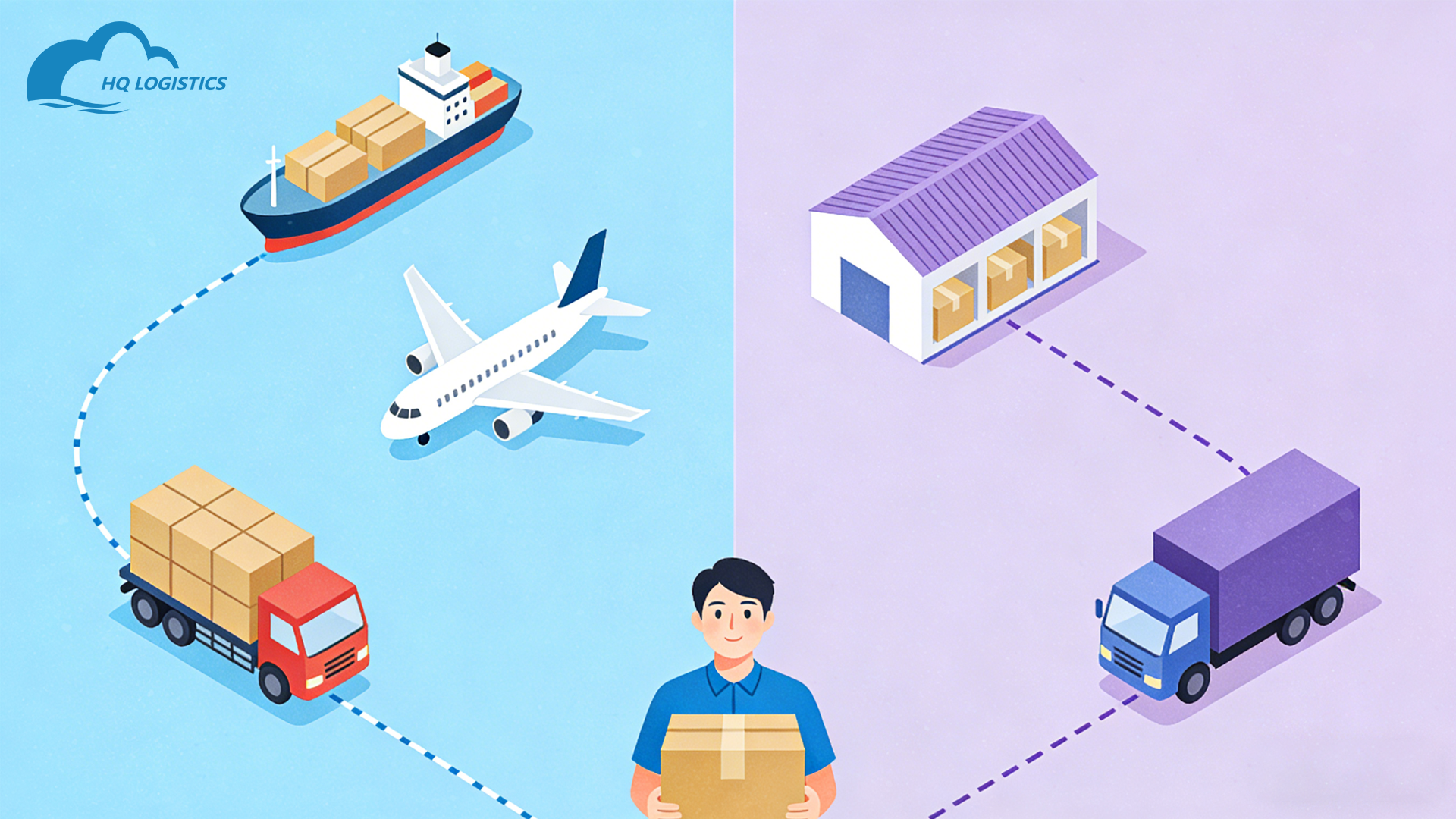
Local Warehouse Fulfillment: Speed and Experience
Why brands move local
Local warehouses are about customer experience.
Benefits:
-
2–5 day delivery
-
Better tracking
-
Easier returns
-
Higher trust and conversion 🚀
This matters a lot for:
-
Repeat purchases
-
Branded DTC stores
-
Paid ads traffic
The real cost of going local
Local fulfillment is not cheap.
Expect:
-
Warehousing fees
-
Inbound shipping cost
-
Inventory tied up
-
Forecasting pressure
Mistakes get expensive fast.
When a local warehouse makes sense
It fits if:
-
Sales are stable
-
SKUs are proven
-
Margins can absorb fulfillment costs
-
Speed impacts conversion
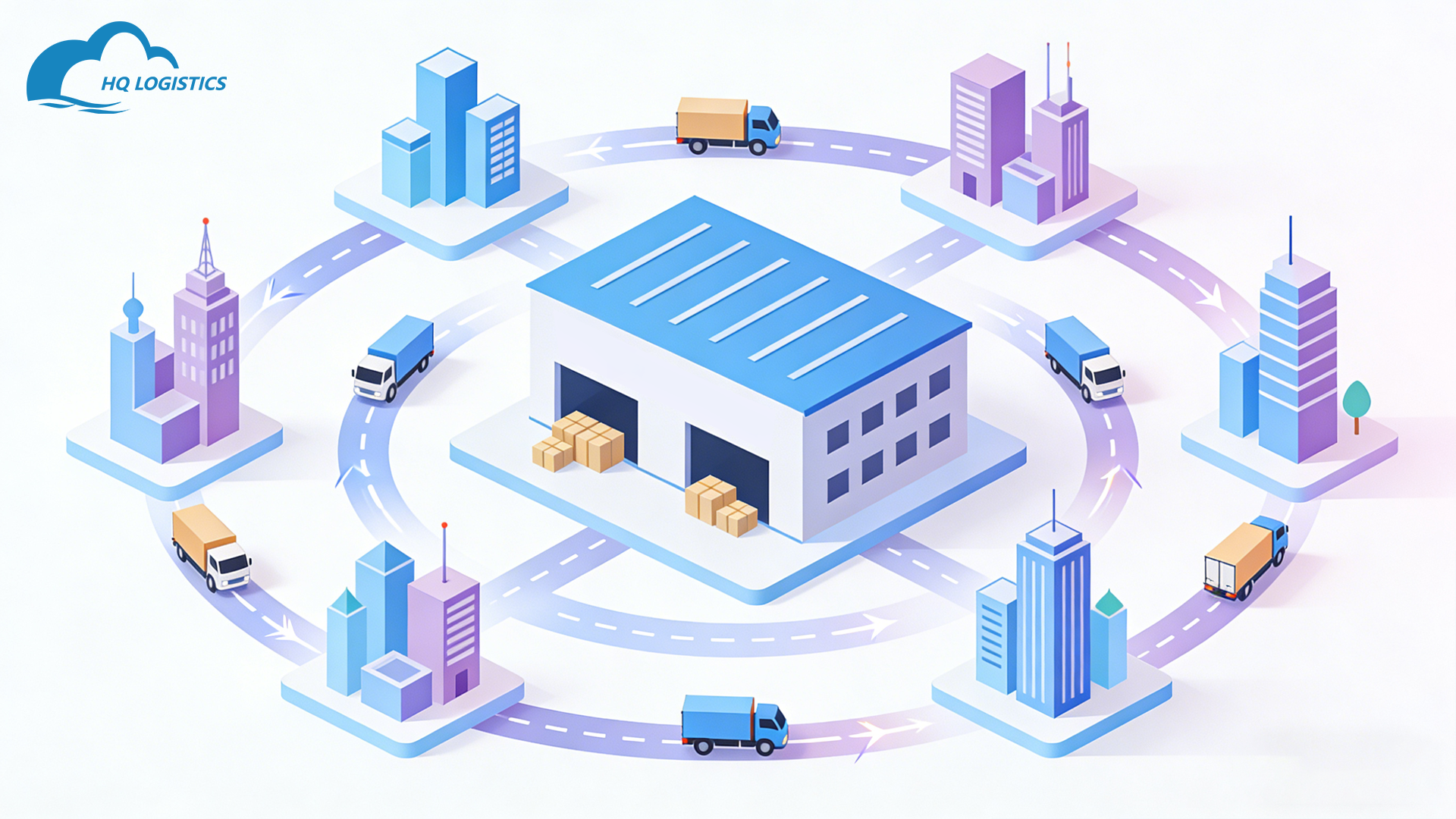
Local Warehouse vs China Fulfillment: Quick Comparison
China Fulfillment
-
Cost: Low
-
Speed: Slow
-
Flexibility: High
-
Risk: Customer patience
Local Warehouse
-
Cost: Higher
-
Speed: Fast
-
Flexibility: Lower
-
Risk: Overstocking
Different tools.
Different jobs.
A Short Story From a Seller Chat ☕
I once spoke with a brand selling fitness accessories.
They started with China fulfillment.
-
Low cost
-
Acceptable delays
Then ads scaled.
Customers asked:
“Why does shipping take two weeks?”
We moved:
-
Best-selling SKUs to a US warehouse
-
Long-tail SKUs stayed in China
Results:
-
Faster delivery on hero products
-
Lower inventory risk overall
-
Better reviews
They didn’t switch models.
They combined them.
The Hybrid Model Most Brands End Up Using
Here’s the pattern I see again and again.
Smart brands:
-
Keep testing SKUs in China
-
Move winners to local warehouses
-
Offer fast shipping as an upgrade or default
This reduces:
-
Inventory risk
-
Fulfillment cost shocks
-
Customer disappointment
Think of China fulfillment as a filter.
Local warehouses as an accelerator.
Questions to Ask Before Choosing
Ask yourself:
-
How price-sensitive are my customers?
-
Does faster shipping increase conversion?
-
Can I forecast demand confidently?
-
What happens if a SKU doesn’t sell?
If you can’t answer these clearly,
China fulfillment is usually safer.
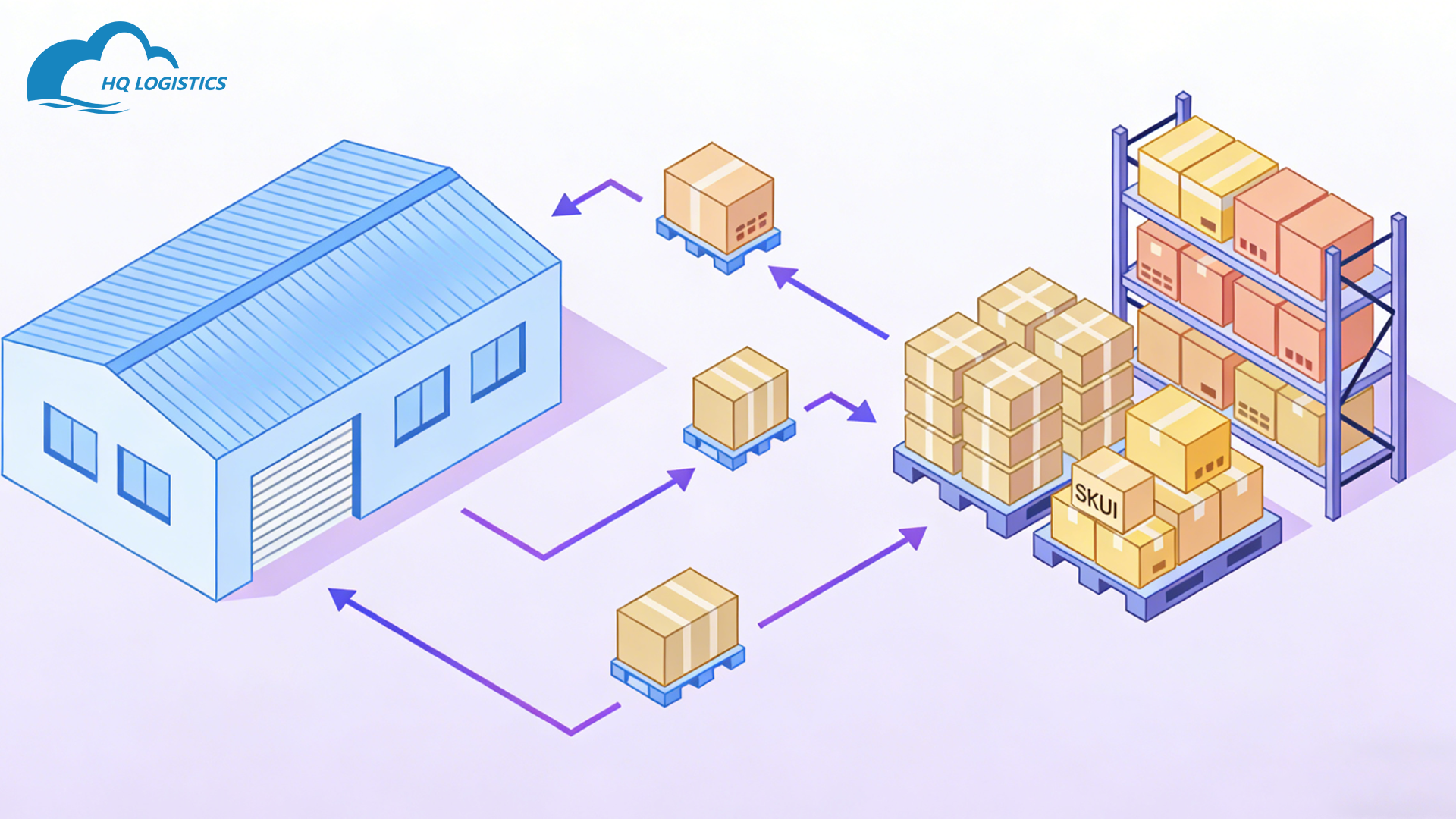
FAQs: Local Warehouse vs China Fulfillment
1. Is China fulfillment bad for branding?
No—only if delivery expectations aren’t clear.
2. Do I need a local warehouse to run ads?
Not always, but fast shipping helps conversion.
3. Can I move inventory back from a local warehouse?
Yes, but it’s expensive. Plan carefully.
4. What’s the biggest risk of local fulfillment?
Overstocking slow-moving SKUs.
5. Can small brands use both models?
Yes. In fact, they should.
Final Take
This isn’t a binary choice.
China fulfillment buys you:
-
Flexibility
-
Lower risk
-
Time to learn 💡
Local warehouses buy you:
-
Speed
-
Trust
-
Growth 🚀
The best brands don’t pick sides.
They pick what fits their stage.