Small Business Fulfillment: Outcompete Big Brands Smartly
Small Business Fulfillment: Outcompete Big Brands Smartly
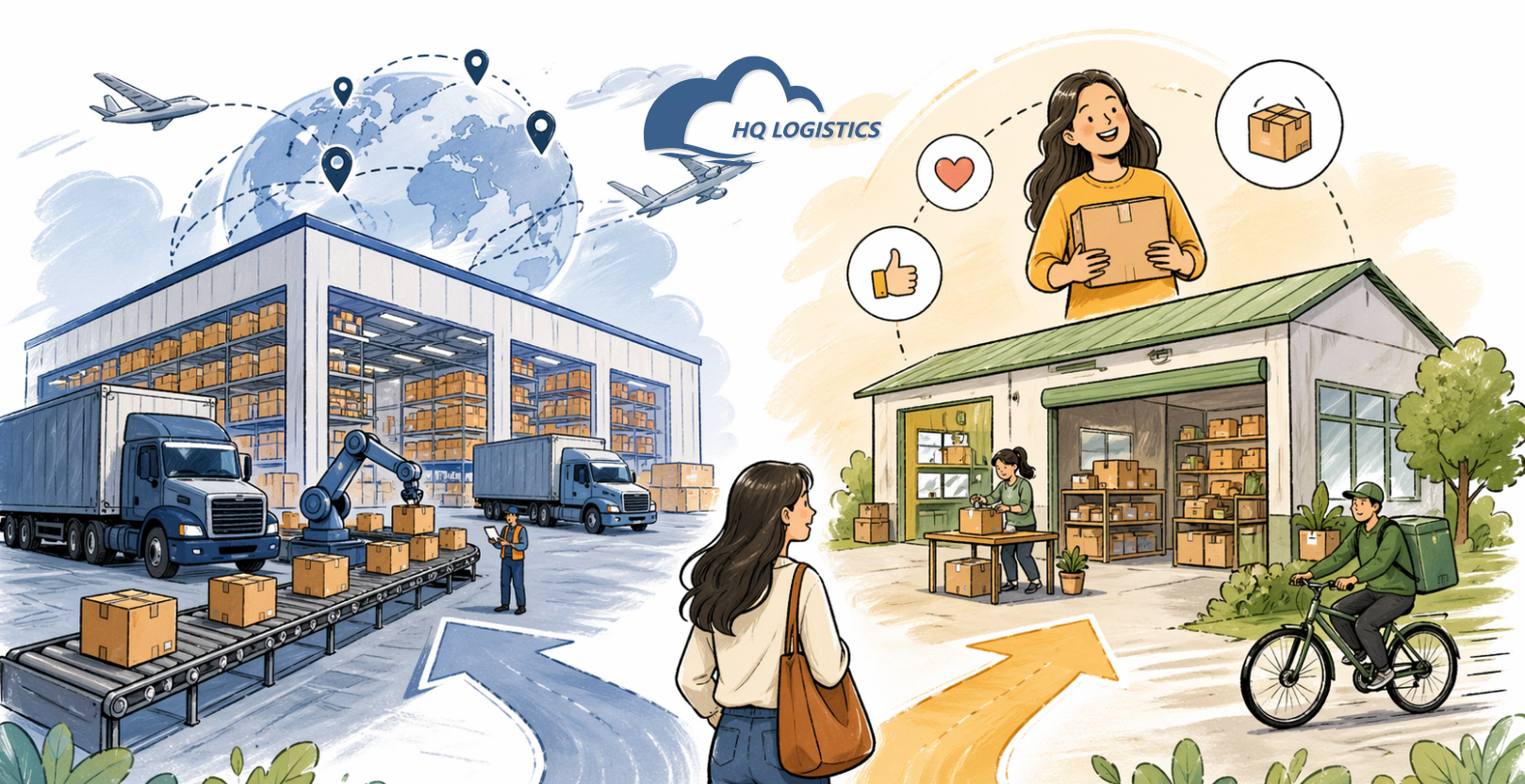
Big brands have the advantage.
At least, that’s what it looks like.
They have:
Massive warehouses
Established logistics networks
Faster delivery promises
But here’s the reality: Small businesses can compete—and win—by optimizing fulfillment.
Because in today’s eCommerce landscape,
customers don’t compare your size…
They compare your experience.
What Customers Actually Care About
When a customer places an order, they don’t ask:
“Is this a small business or a big brand?”
They care about:
How fast it arrives
Whether it matches expectations
If they can track it
👉 In short: reliability
Where Small Businesses Fall Behind
Many small sellers struggle with:
❌ Manual order processing
❌ Unstable suppliers
❌ Long and inconsistent shipping
❌ Poor tracking visibility
The result?
More refunds
Lower customer trust
Slower growth
The Shift: From DIY to Systemized Fulfillment
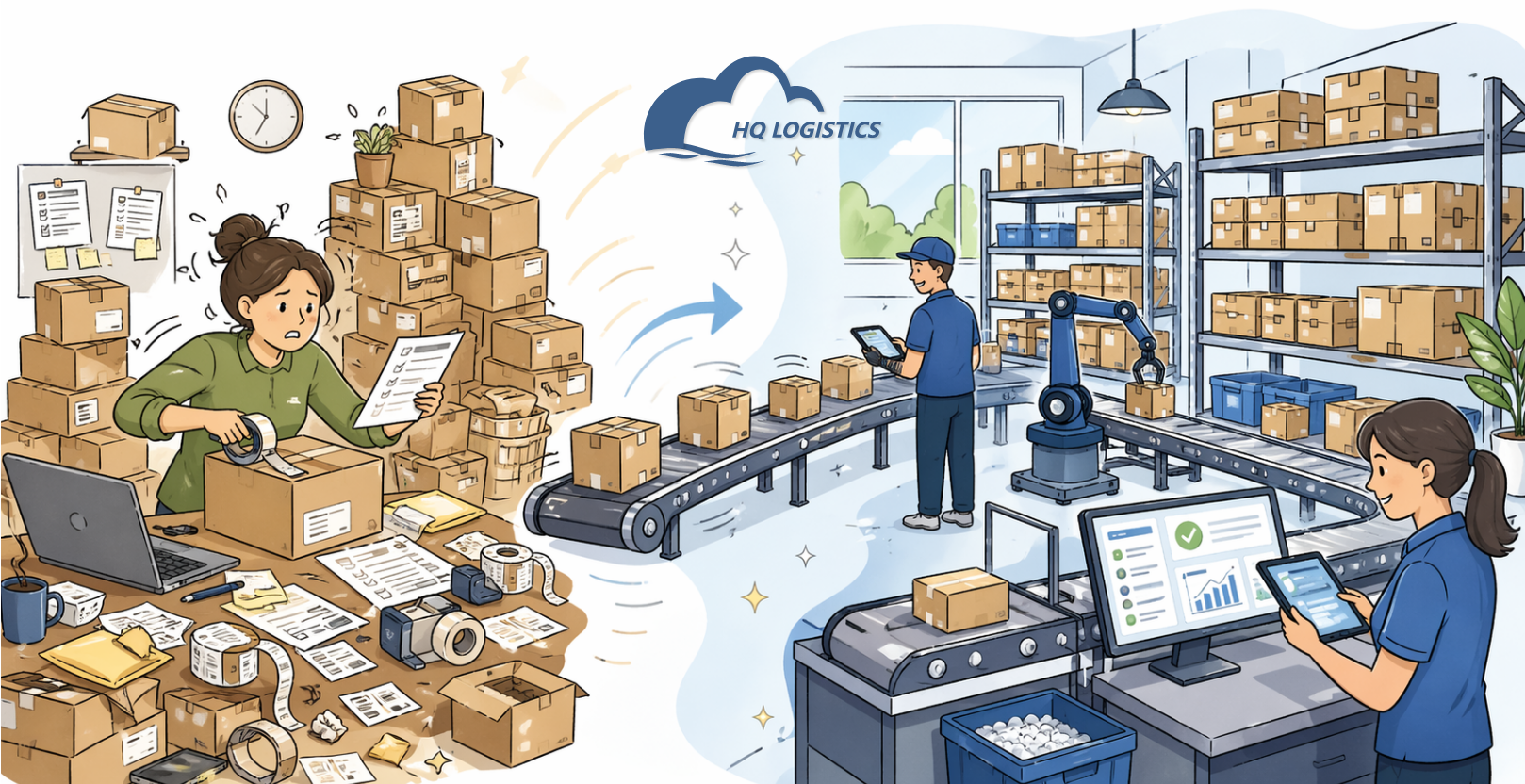
Trying to do everything yourself works at the beginning.
But once you scale:
Manual fulfillment becomes your bottleneck.
To compete with big brands, you need:
👉 Systems, not shortcuts
5 Ways Small Businesses Can Compete
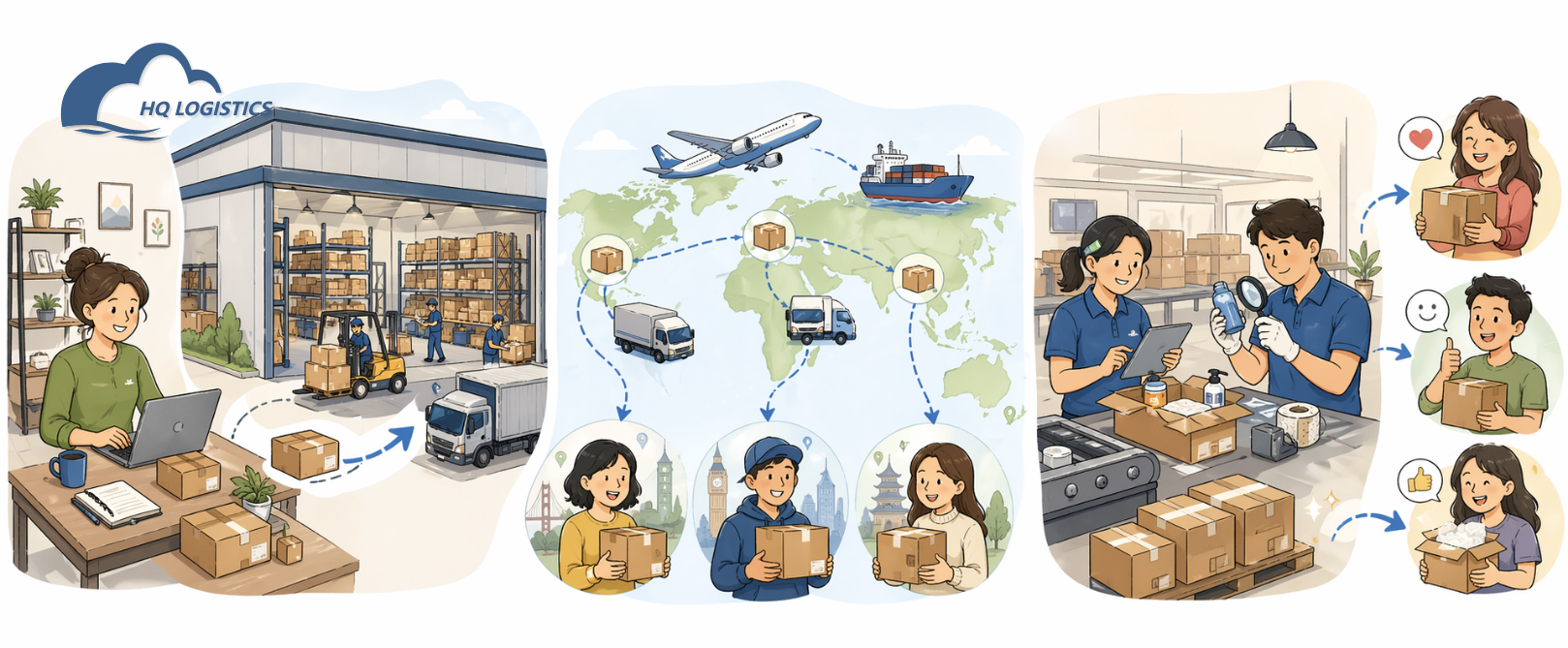
1. Use a 3PL to Level the Playing Field
You don’t need your own warehouse.
A 3PL gives you: Access to warehousing | Faster processing | Scalable operations
👉 Same infrastructure—without the cost
2. Improve Shipping Speed
You may not match Amazon overnight delivery.
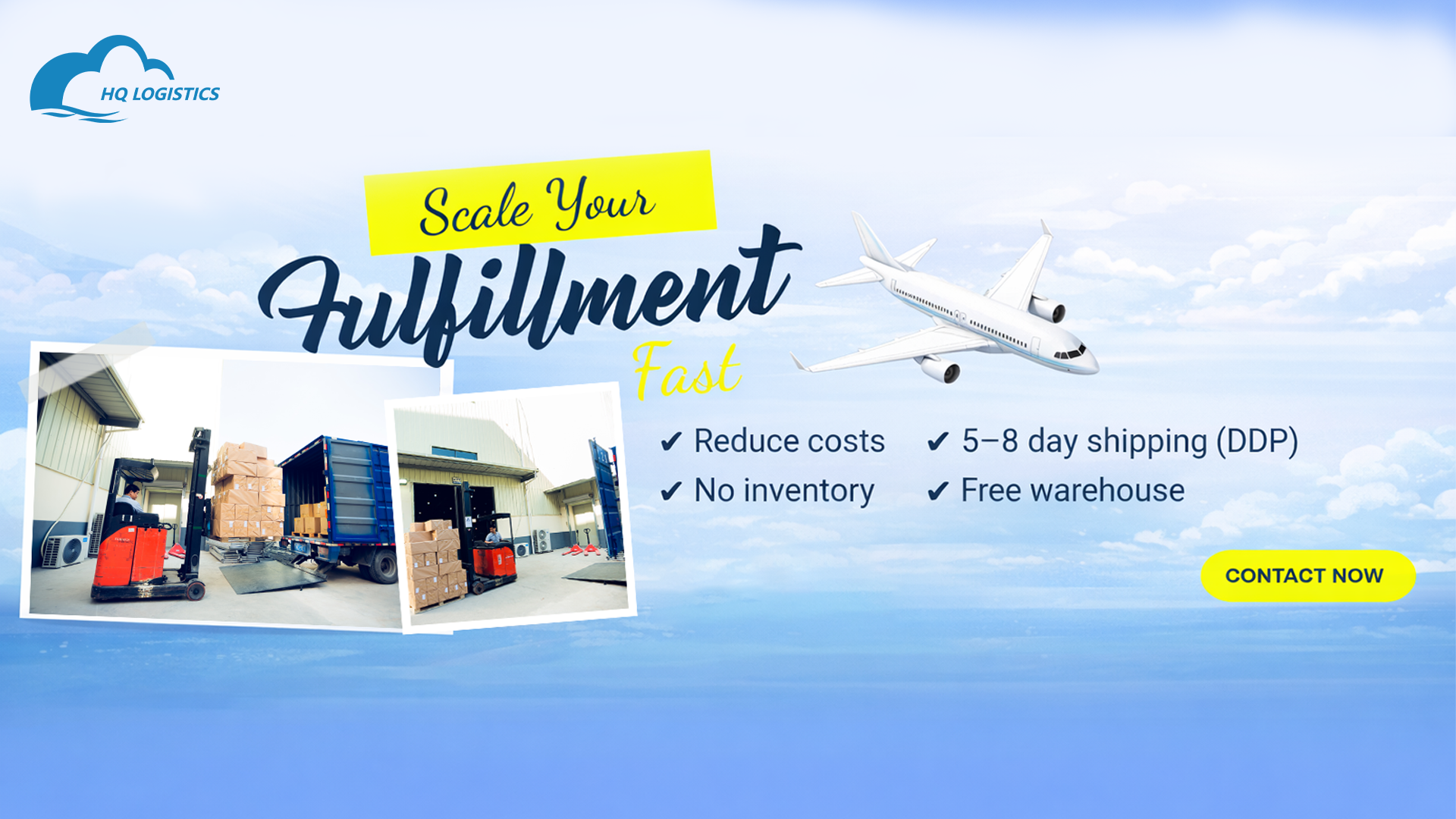
But you can offer: 5–8 day global shipping | Stable delivery timelines
Consistency matters more than speed promises.
3. Focus on Quality Control
Big brands win on consistency.
You can too by: Inspecting products before shipping | Reducing defects | Ensuring packaging quality
👉 Fewer returns = higher margins
4. Offer Full Tracking Visibility
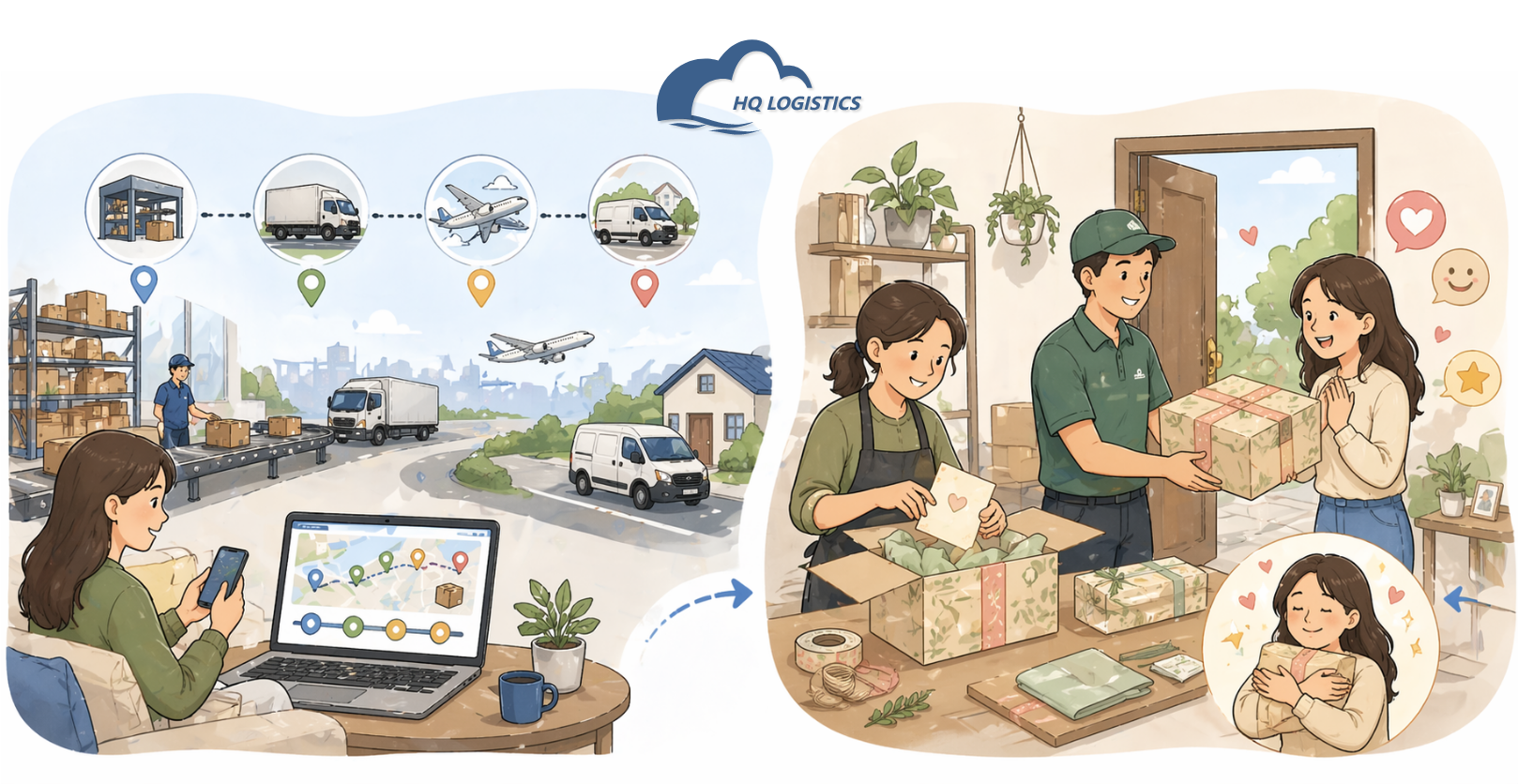
Customers want to know:
“Where is my order?”
Provide: Real-time tracking updates | Clear delivery timelines
👉 This reduces support tickets and builds trust
5. Create a Better Post-Purchase Experience
Small brands have an advantage here.
You can: Personalize communication | Use branded packaging | Build stronger relationships
👉 Experience > scale
What a Competitive Fulfillment Setup Looks Like
To compete effectively, your backend should include:
Centralized sourcing | Inventory management | Quality control | Fast, reliable shipping | Tracking integration
This is how small businesses operate like big brands.
Real Impact on Your Business
When fulfillment improves:
📦 Delivery becomes predictable
⭐ Customer satisfaction increases
🔁 Repeat purchases grow
📉 Refunds decrease
And most importantly:
You build a brand—not just a store.
Common Mistakes to Avoid
Trying to handle everything manually
Choosing the cheapest shipping option
Ignoring quality control
Scaling ads before fixing operations
These mistakes limit your growth.
FAQs
Q1: Can small businesses really compete with big brands?
Yes—by optimizing fulfillment and customer experience.
Q2: When should I consider a 3PL?
Once you reach consistent daily orders (10+), or when operations become time-consuming.
Q3: Is fast shipping necessary?
Consistency is more important than extreme speed.
Q4: How can I reduce refunds?
Through better quality control and reliable delivery.
Q5: What’s the biggest advantage small businesses have?
Flexibility and the ability to create personalized experiences.
You don’t need a massive budget to compete with big brands.
You need: Reliable fulfillment | Consistent delivery | A smooth customer experience
Because in eCommerce: