World Cup 2026 Supply Chain Planning: What Sellers Need to Know
World Cup 2026 Supply Chain Planning: What Sellers Need to Know
The 2026 FIFA World Cup is expected to be one of the largest global sporting events in history.
With millions of fans purchasing football merchandise, party supplies, sports accessories, and themed products, ecommerce sellers have a major opportunity to increase sales during the tournament.
However, increased demand also puts significant pressure on supply chains.
Without proper planning, sellers may face:
Inventory shortages | Supplier delays | Rising shipping costs | Fulfillment bottlenecks | Customer complaints
To maximize World Cup sales opportunities, ecommerce brands need a strong supply chain strategy well before demand peaks.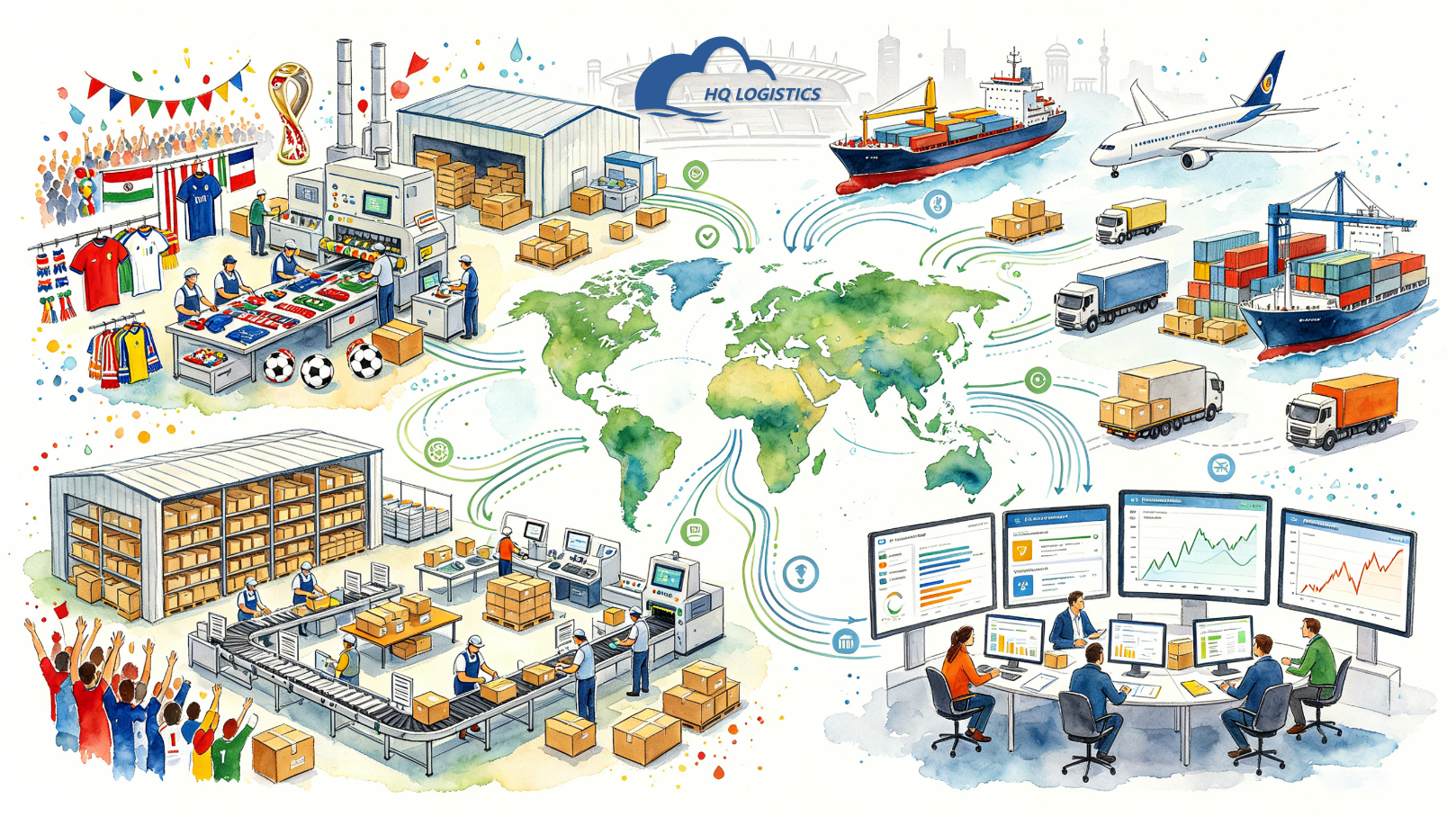
Why the World Cup Impacts Global Supply Chains
Major sporting events create sudden increases in demand across multiple product categories.
Popular World Cup products include:
Football jerseys | Team flags | Fan accessories | Party decorations | Sports equipment | Personalized gifts | Outdoor viewing products
As demand rises globally, suppliers and logistics providers often experience capacity challenges.
Sellers who prepare early are more likely to maintain inventory availability and deliver a better customer experience.
Key Supply Chain Challenges During the World Cup
Inventory Shortages
Popular products can sell out quickly as the tournament approaches.
Sellers that wait too long to source products may encounter:
Production delays | Stock shortages | Higher purchasing costs
Early inventory planning helps reduce these risks.
Supplier Capacity Constraints
Factories often experience increased order volumes during major events.
Potential challenges include:
Longer production times | Delayed manufacturing schedules | Limited raw material availability
Working with reliable suppliers becomes increasingly important.
Global Shipping Pressure
As ecommerce demand increases, shipping networks may face:
Capacity limitations | Longer transit times | Increased freight rates
Planning logistics early helps avoid last-minute disruptions.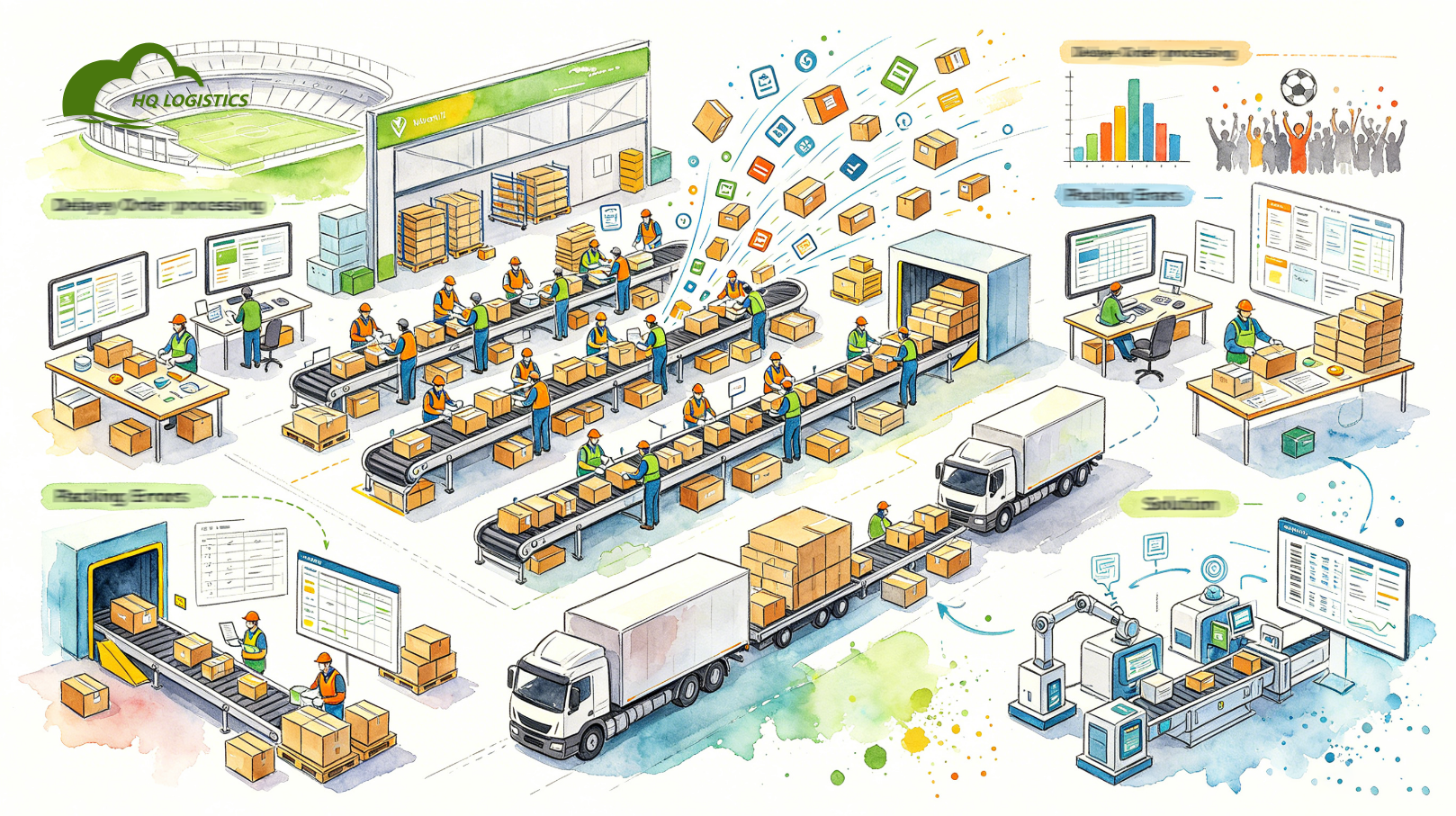
Fulfillment Bottlenecks
Order volumes can increase dramatically during World Cup promotions.
Without scalable fulfillment operations, sellers may experience:
Delayed order processing | Packing errors | Slow dispatch times
Efficient fulfillment systems are essential for maintaining service quality.
How to Prepare Your Supply Chain for World Cup Demand
Forecast Demand Early
Review previous sales data and market trends.
Consider factors such as:
Product popularity | Advertising plans | Historical seasonal performance | Target markets
Accurate forecasting improves inventory planning and purchasing decisions.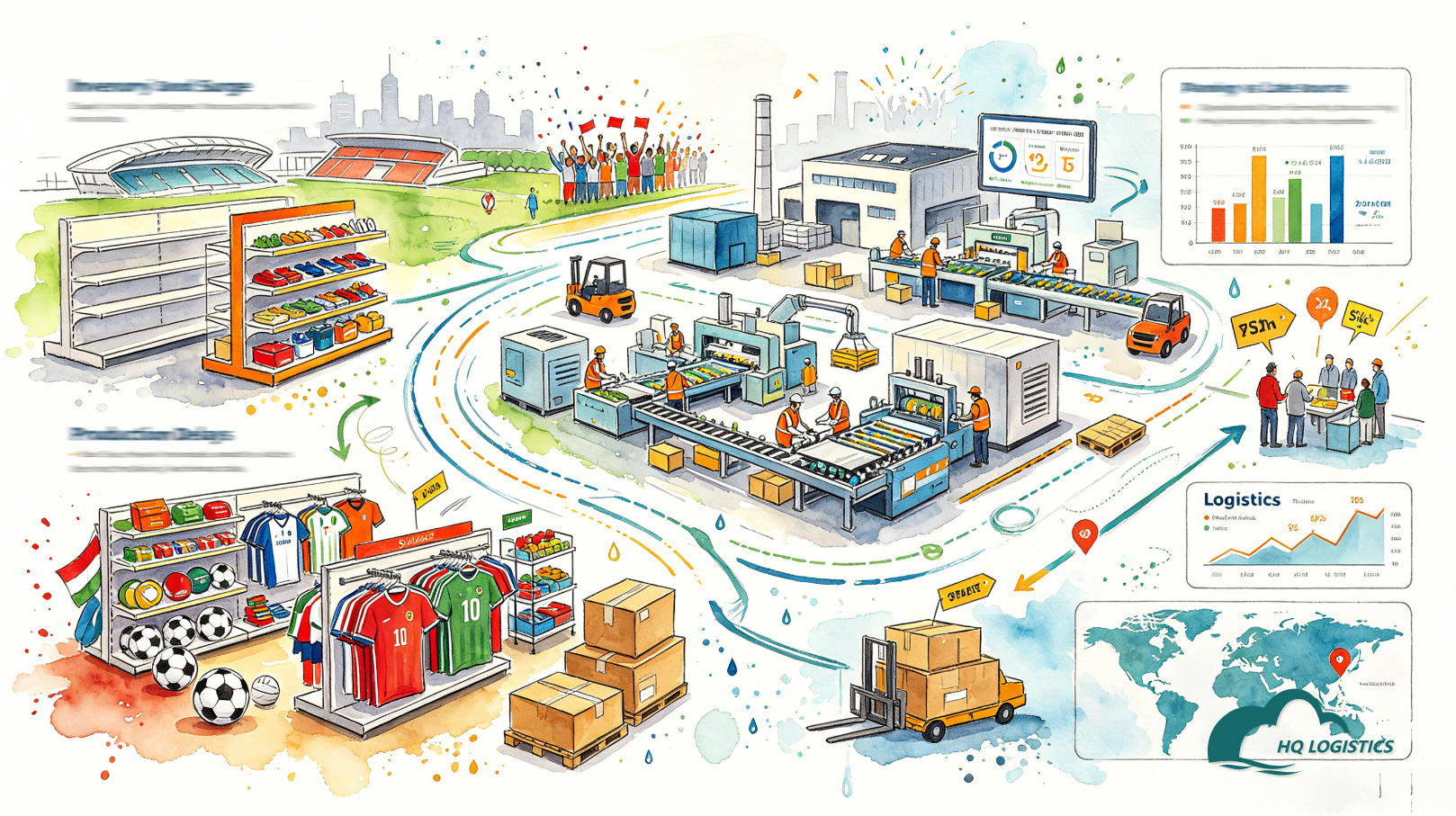
Secure Inventory in Advance
Waiting until demand peaks can be costly.
Benefits of early sourcing include:
Better pricing | More supplier options | Reduced stockout risk | Greater production flexibility
Many successful sellers begin sourcing months before major events.
Diversify Supplier Networks
Relying on a single supplier creates unnecessary risk.
Consider working with:
Multiple factories | Backup suppliers | Experienced sourcing agents
A diversified sourcing strategy improves supply chain resilience.
Monitor Inventory in Real Time
Inventory visibility is critical during seasonal sales peaks.
Real-time inventory management helps:
Prevent overselling | Improve replenishment planning | Reduce stock shortages
Modern inventory systems provide better operational control.
Strengthen Fulfillment Operations
Fast fulfillment becomes a major competitive advantage during the World Cup.
Key areas to optimize include:
Order processing | Warehouse management | Quality control | Shipping coordination
Efficient fulfillment directly impacts customer satisfaction.
Why China Sourcing Remains Important
China continues to be a leading sourcing destination for ecommerce brands because of:
Competitive pricing | Extensive supplier networks | Fast production capabilities | Product customization options | Flexible manufacturing capacity
Working with experienced sourcing partners can help sellers secure products more efficiently and reduce supply chain risks.
Product Categories Expected to See Increased Demand
Football Merchandise
Popular items include:
Jerseys | Flags | Scarves | Hats | Fan accessories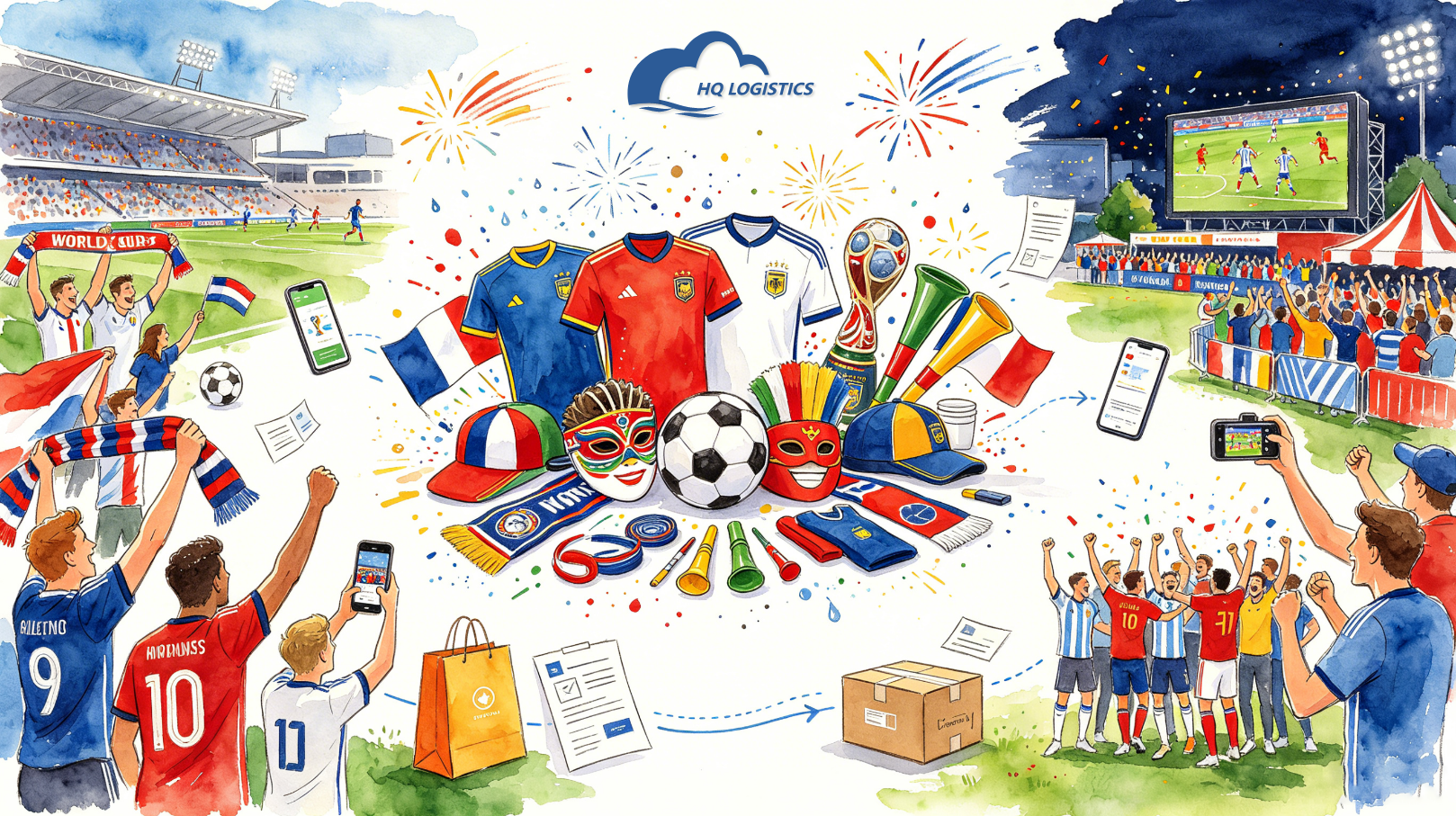
Viewing Party Supplies
Consumers often host match-day events.
Trending products include:
Decorations | Disposable tableware | Beverage accessories | LED lighting
Outdoor Products
Summer and football season overlap in many markets.
Popular categories include:
Portable chairs | Picnic equipment | Portable fans | Outdoor speakers | Coolers
Personalized Products
Customized products continue to perform well during major events.
Examples include:
Custom mugs | Personalized apparel | Engraved tumblers | Team-themed gifts
Why Sourcing, Fulfillment, and Logistics Must Work Together
A successful World Cup sales strategy depends on more than product selection.
Sellers must coordinate:
Product sourcing | Inventory management | Warehousing | Fulfillment | Global shipping
When these functions work together, brands can scale more efficiently and respond quickly to changing demand.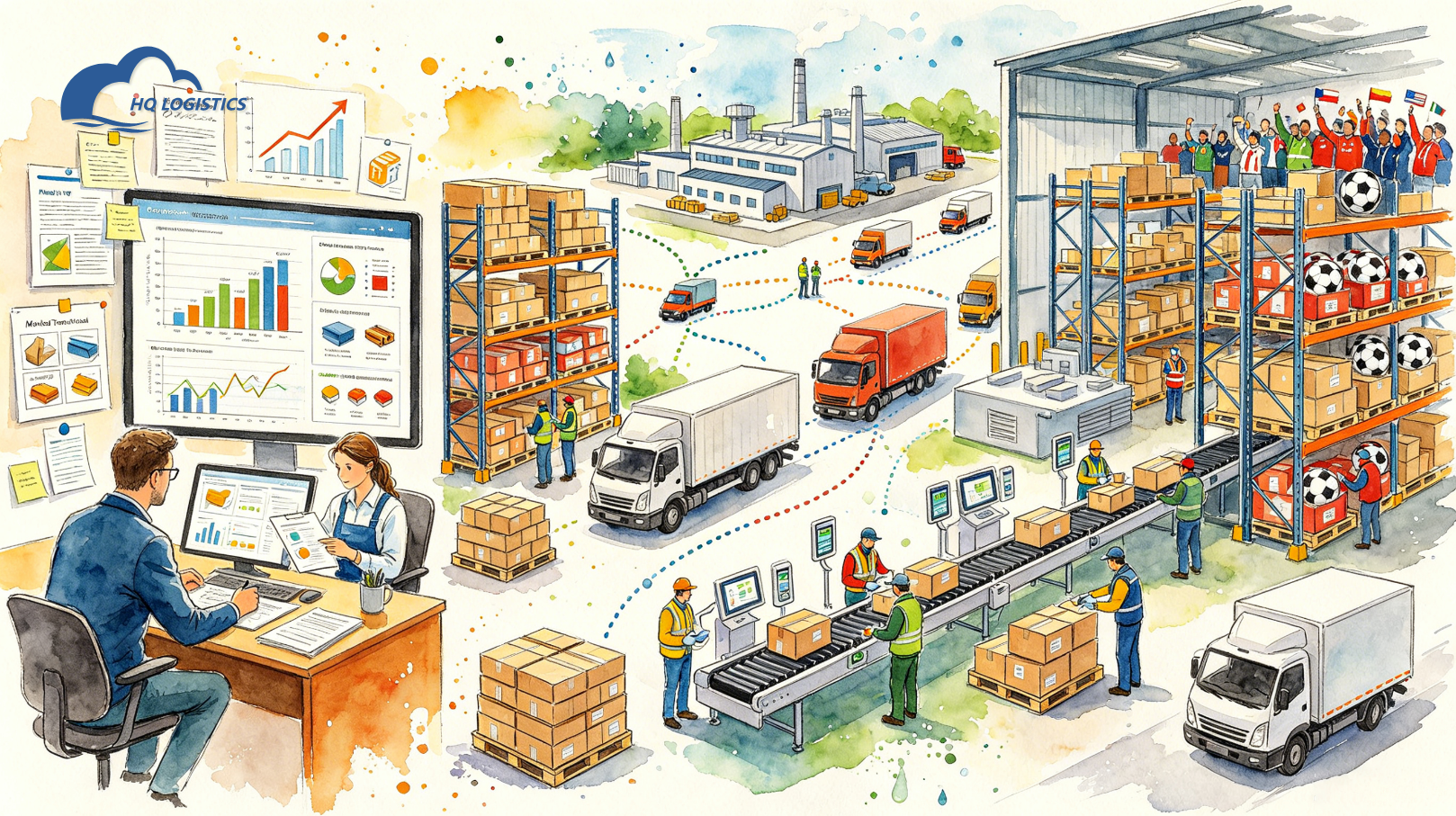
How HQ Supply Chain Supports World Cup Sellers
At HQ Logistics, we provide integrated supply chain solutions that help ecommerce brands prepare for major sales events.
Our services include:
🔍 China sourcing support
📦 Inventory management
🏭 Supplier coordination
⚡ Fast global logistics solutions
🤖 Automated fulfillment systems
🔍 Quality inspection services
🎨 Custom packaging and branding
Our goal is to help sellers build flexible and scalable supply chains for seasonal growth.
Tips for World Cup Supply Chain Success
Start Planning Early
The earlier you prepare, the more options you will have.
Work with Reliable Suppliers
Supplier stability reduces operational risk.
Monitor Inventory Closely
Real-time visibility helps prevent stockouts.
Partner with Experienced Logistics Providers
Strong logistics support improves delivery performance during peak demand periods.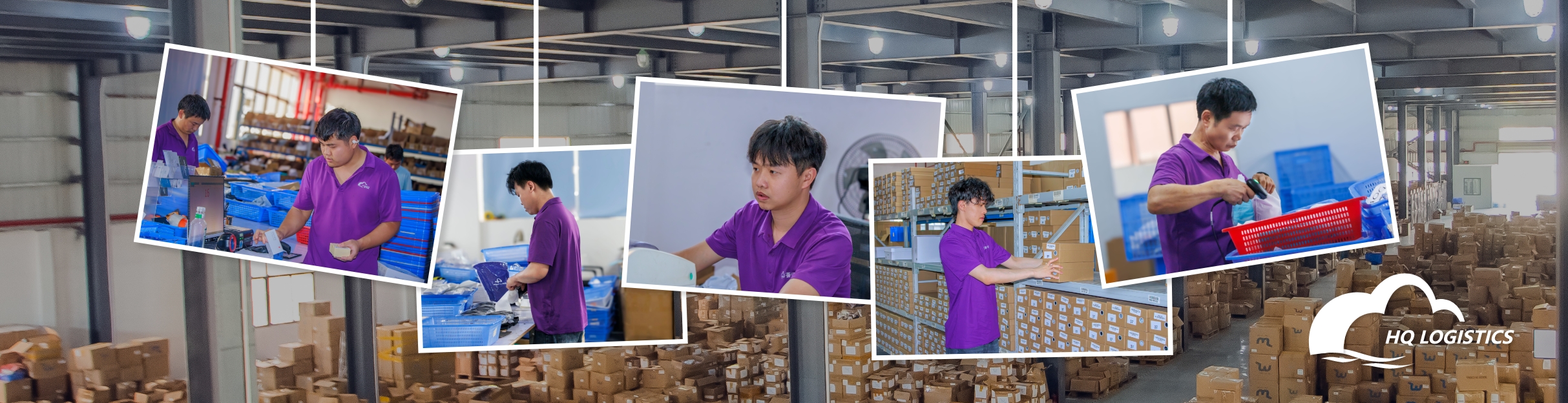
FAQ
When should sellers start preparing for World Cup demand?
Ideally several months before the tournament begins to secure inventory and optimize logistics.
What products usually perform best during the World Cup?
Football merchandise, fan accessories, party supplies, sports equipment, and personalized gifts are among the most popular categories.
Why is supply chain planning important during major events?
Demand can increase rapidly, creating challenges related to inventory, production, fulfillment, and shipping.
How can sellers reduce supply chain risks?
Diversifying suppliers, forecasting demand accurately, and partnering with experienced sourcing and logistics providers can help reduce risk.