How to Build a Resilient Ecommerce Supply Chain for Q3 | 3PL & Fulfillment Strategies
How to Build a Resilient Ecommerce Supply Chain for Q3 | 3PL & Fulfillment Strategies
Q3 is one of the most important preparation periods for ecommerce brands.
As summer promotions continue and major Q4 sales events like Black Friday and Christmas approach, sellers need to ensure their supply chains are ready for increasing demand.
A sudden increase in orders can create opportunities for growth—but it can also expose weaknesses in your operations. Inventory shortages, fulfillment delays, shipping disruptions, and supplier issues can quickly impact customer satisfaction and brand reputation.
Building a resilient ecommerce supply chain is no longer optional. It is essential for brands that want to scale smoothly and remain competitive.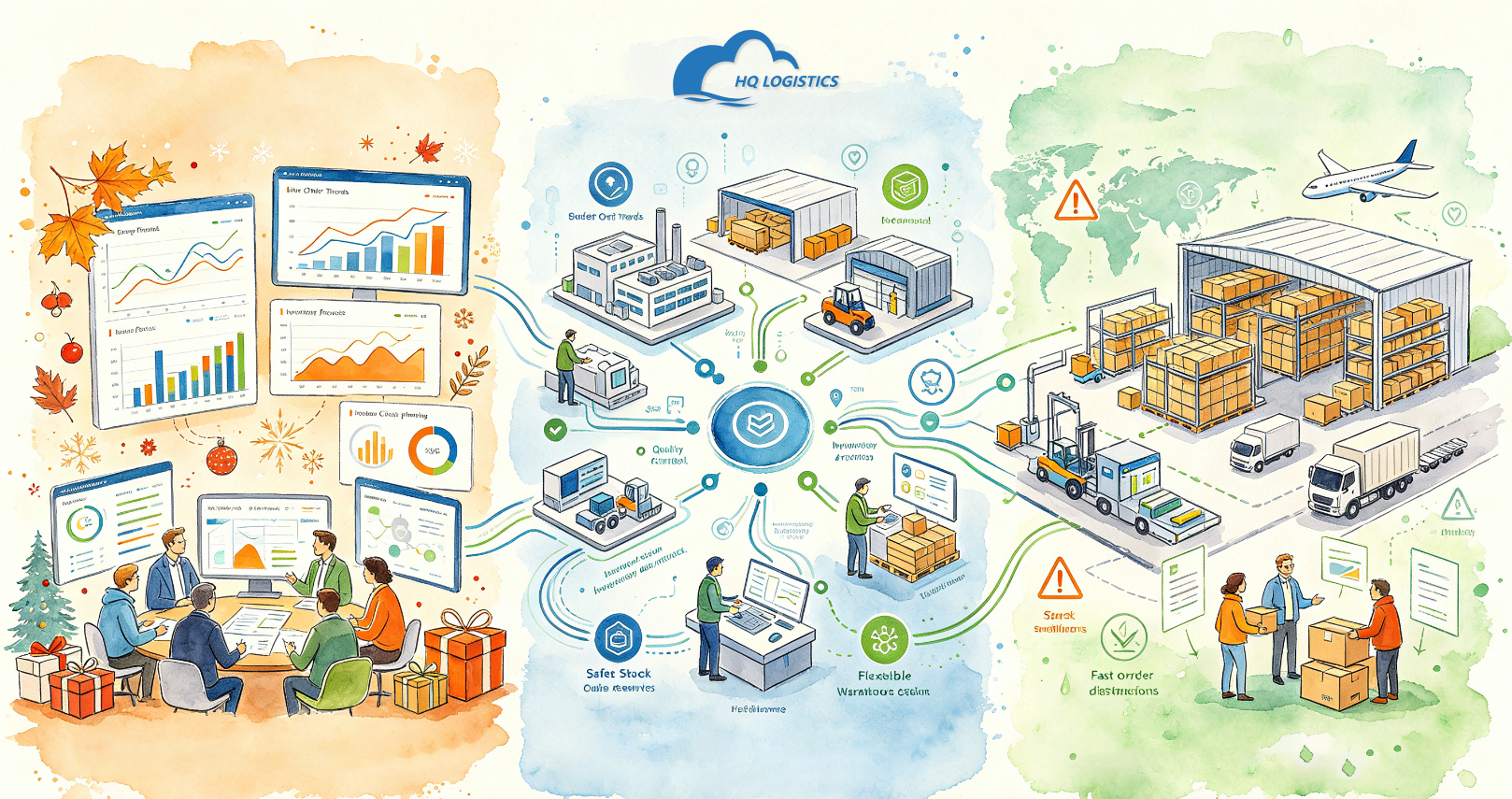
Improve Demand Forecasting and Inventory Planning
A strong supply chain begins with accurate planning.
Many ecommerce businesses only react when products start selling quickly, but successful brands prepare inventory before demand reaches its peak.
By analyzing historical sales data, market trends, seasonal events, and upcoming promotions, sellers can better predict future demand.
Effective inventory strategies include:
Sales forecasting | Safety stock preparation | Best-selling product planning | Replenishment management
Early inventory planning reduces the risk of stock shortages and allows brands to respond faster to market changes.
Build Strong Relationships With Reliable Suppliers
Your supply chain is only as strong as your suppliers.
Working with unreliable suppliers may lead to inconsistent quality, production delays, and unexpected stock problems—especially during busy seasons.
A professional sourcing partner can help you:
Access reliable factories | Compare multiple suppliers | Secure stable production capacity | Improve product quality
Instead of relying on a single supplier, ecommerce brands can build a more flexible and stable sourcing network.
Use 3PL Warehousing to Improve Flexibility
As order volumes increase, managing inventory manually becomes more challenging.
A professional 3PL warehouse provides better inventory visibility, organized storage, and faster order processing.
The advantages include:
Real-time inventory tracking | Efficient storage management | Faster picking and packing | Better order accuracy
With a reliable warehousing strategy, brands can handle seasonal sales peaks without creating operational pressure.
Automate Your Fulfillment Process
Manual order processing may work for small businesses, but it becomes inefficient as sales grow.
Automated fulfillment connects your ecommerce store directly with your warehouse system, allowing orders to be processed faster and more accurately.
Benefits include:
Automatic order synchronization | Reduced manual errors | Faster fulfillment speed | Real-time tracking updates
Automation allows sellers to spend more time on product development, marketing, and customer growth.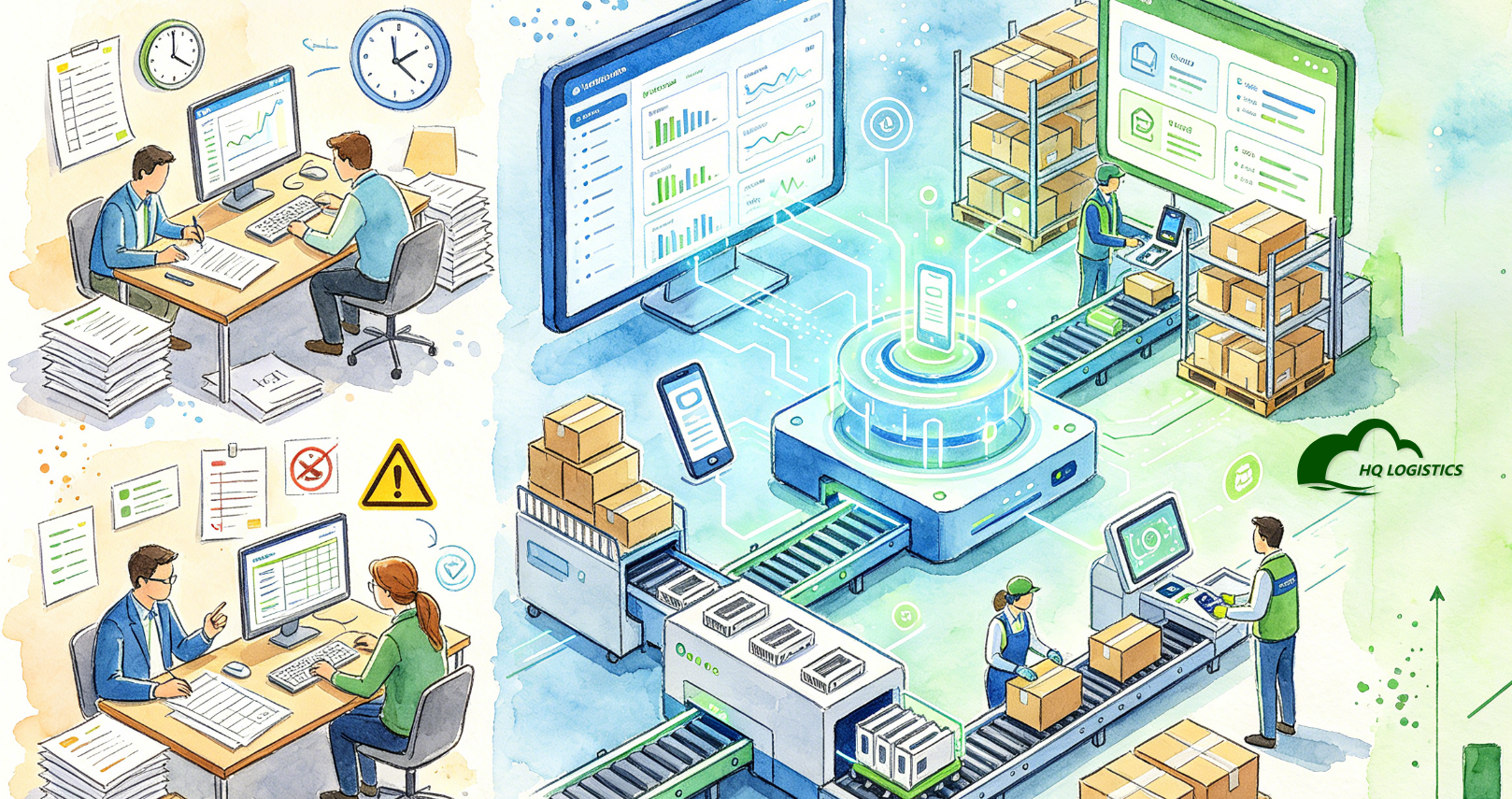
Diversify Your Global Shipping Solutions
Depending on a single shipping method can create unnecessary risks.
During peak shopping periods, carrier delays, customs issues, or route disruptions may affect delivery performance.
A flexible logistics strategy should include:
Multiple shipping channels | DDP shipping solutions | Stable tracking information | Faster international delivery options
Having backup shipping solutions ensures your customers receive their orders with fewer delays.
Strengthen Quality Control Before Shipping
Higher order volumes should never mean lower product quality.
A small fulfillment mistake can lead to returns, negative reviews, and a damaged brand image.
Implementing quality control procedures helps prevent these issues.
Important inspection steps include:
Product quality checks | Packaging inspection | Quantity verification | Shipping accuracy confirmation
Maintaining high standards is essential for building long-term customer trust.
Use Data and Technology to Optimize Operations
Modern ecommerce supply chains rely heavily on technology.
Tracking operational data allows sellers to identify inefficiencies and make better business decisions.
Key performance indicators include:
Order processing time | Inventory turnover | Shipping performance | Return rate | Customer satisfaction
Continuous optimization creates a stronger, more scalable supply chain.
How HQ LOGISTICS Helps Ecommerce Brands Prepare for Q3
At HQ LOGISTICS, we help growing ecommerce brands build more efficient and reliable supply chains.
Our integrated solutions include:
China product sourcing | Supplier management | Quality inspection | Free warehousing | Automated fulfillment | Shopify order synchronization | Fast global shipping | Custom packaging & private labeling
Whether you are preparing for summer demand or planning for Q4 sales events, our team provides the supply chain support needed to scale your business confidently.
FAQ
Why is Q3 supply chain planning important for ecommerce sellers?
Q3 is the preparation period before major Q4 shopping seasons. Early planning helps sellers avoid inventory shortages, shipping delays, and fulfillment bottlenecks.
How can a 3PL fulfillment partner improve my operations?
A 3PL partner manages warehousing, inventory, order processing, and shipping, allowing ecommerce brands to handle larger order volumes more efficiently.
How does automated fulfillment reduce supply chain risks?
Automation improves order accuracy, reduces manual work, provides real-time inventory visibility, and helps businesses process orders faster.
What should I consider when choosing a supply chain partner?
Look for a partner that offers reliable sourcing, warehousing, fulfillment technology, global shipping solutions, quality control, and dedicated customer support.
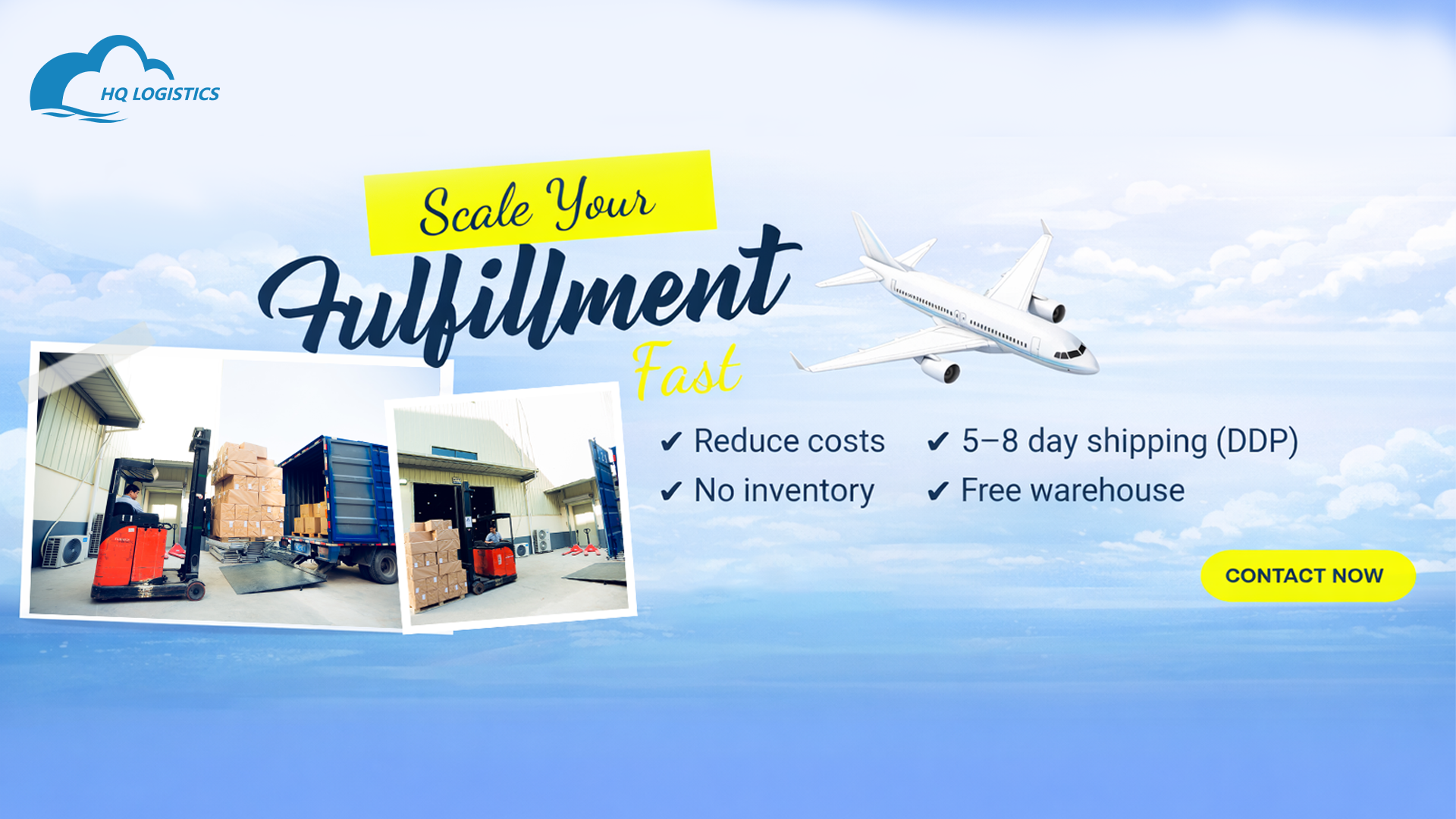
Call to Action
🚀 Ready to strengthen your ecommerce supply chain for Q3?
Contact us today and prepare your brand for the next stage of growth.