
Global Logistics Challenges During Peak Summer Shipping Season
Global Logistics Challenges During Peak Summer Shipping Season
Summer is one of the busiest periods for global ecommerce and logistics operations.
From seasonal promotions and travel-related purchases to back-to-school preparation and outdoor product demand, ecommerce businesses often experience a significant increase in orders during the summer months.
While higher demand creates valuable sales opportunities, it also places additional pressure on global supply chains.
Warehouses become busier, shipping networks face increased volumes, and transportation capacity can become limited.
For ecommerce sellers, understanding these challenges is essential to maintaining customer satisfaction and ensuring smooth operations throughout the season.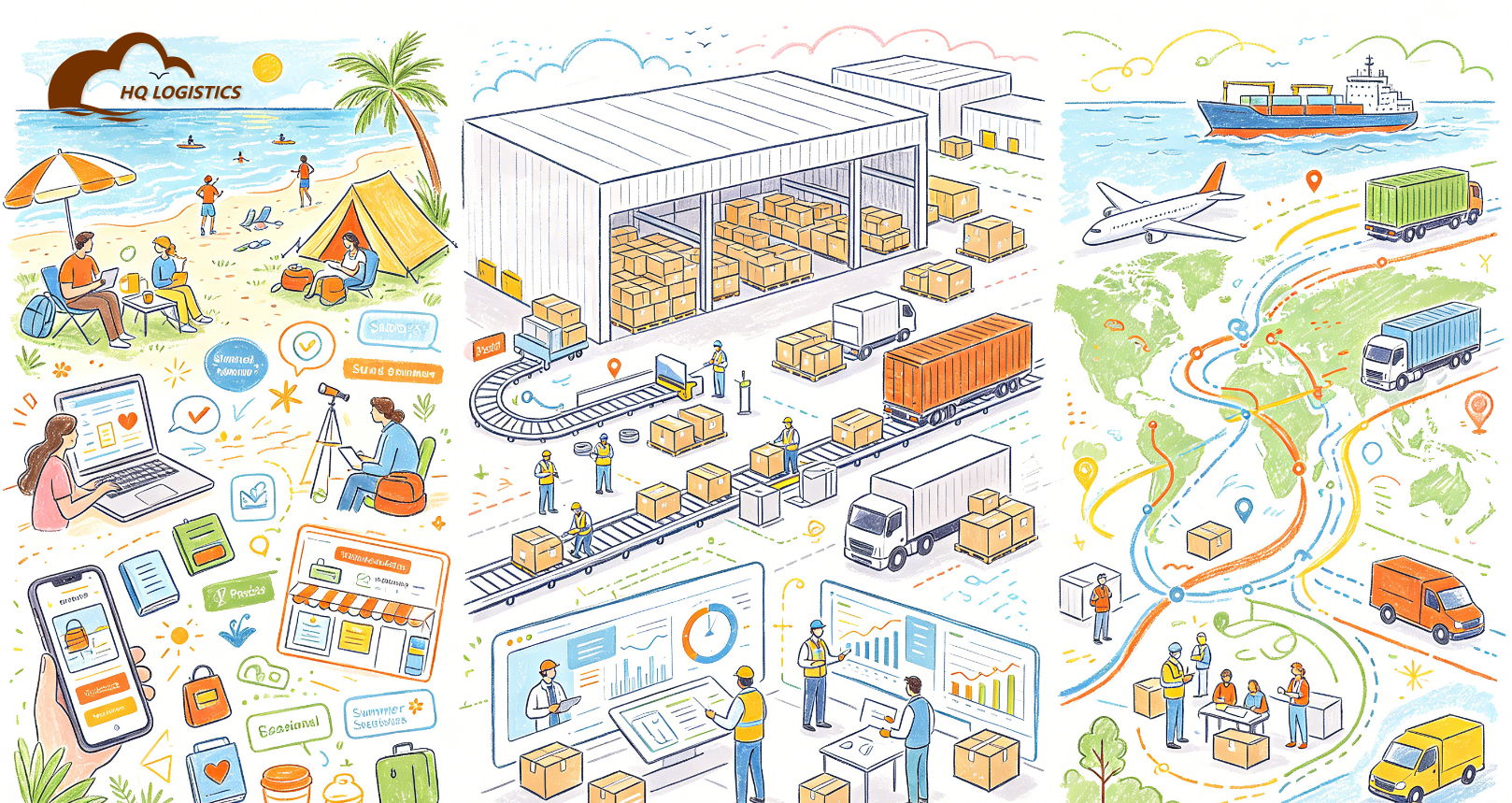
Why Summer Creates Pressure on Global Logistics
Summer demand affects multiple industries simultaneously.
Consumers purchase products related to:
Travel | Outdoor activities | Summer fashion | Sporting events | Back-to-school preparation
As order volumes increase across many sectors, logistics providers must process more shipments while maintaining delivery performance.
This often leads to:
Higher shipping volumes | Longer processing times | Carrier congestion | Increased transportation costs
Without proper planning, these challenges can affect both delivery speed and customer experience.
Rising Shipping Costs
One of the most common challenges during peak shipping seasons is increasing transportation costs.
As demand for cargo space grows, shipping providers may adjust rates based on available capacity.
Factors that can impact costs include:
Fuel price fluctuations | Increased shipment volume | Limited transportation capacity | Seasonal surcharges
For ecommerce businesses operating on tight margins, even small shipping cost increases can affect profitability.
This is why many brands begin negotiating rates and securing logistics partners before peak demand arrives.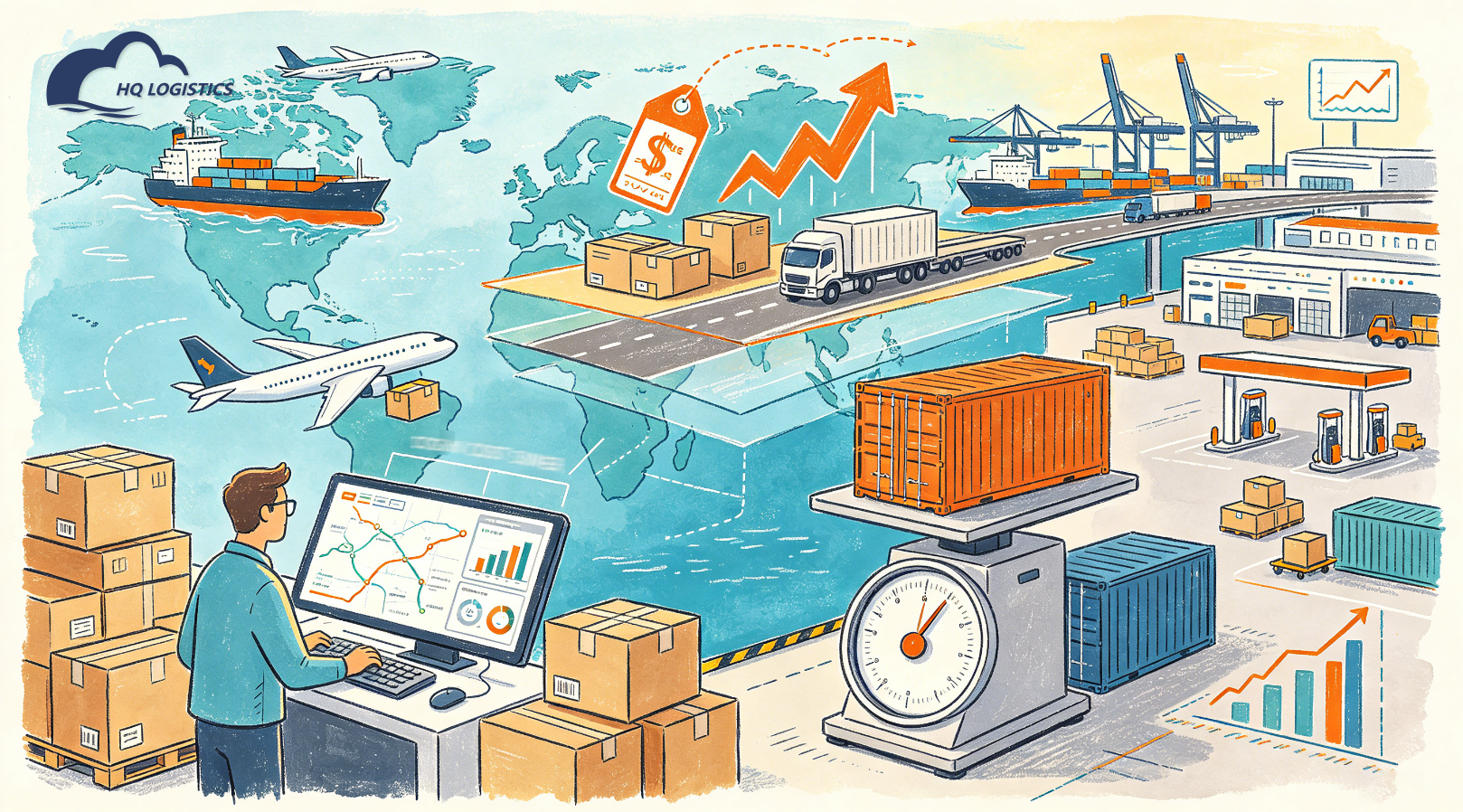
Carrier Capacity Constraints
During busy shipping periods, transportation networks can become overloaded.
Air cargo providers, local delivery carriers, and international shipping routes often experience increased demand.
This can result in:
Delayed pickups | Longer transit times | Limited shipping options | Reduced route availability
Businesses that rely on a single shipping channel may face higher risks when capacity becomes restricted.
Diversifying shipping options can help improve flexibility during peak seasons.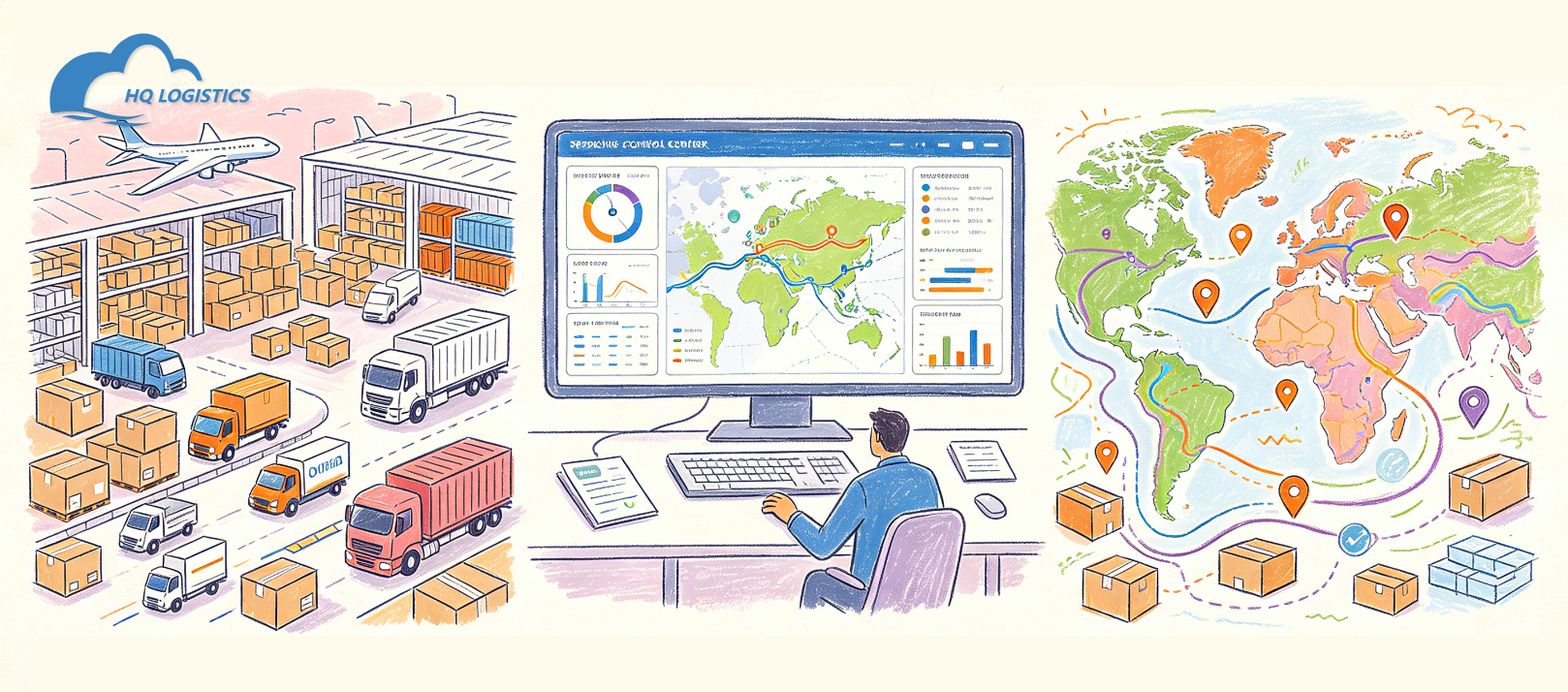
Warehouse Processing Bottlenecks
Higher order volumes create additional pressure inside fulfillment centers.
Warehouse teams must process more inventory, pick more orders, and manage larger shipment volumes.
Without efficient systems, businesses may experience:
Order processing delays | Inventory inaccuracies | Fulfillment errors | Slower shipping times
A well-organized warehouse operation supported by technology and automation can significantly reduce these risks.
Inventory Management Challenges
Summer demand can change quickly.
Products that sold steadily throughout the year may suddenly experience large sales increases.
Without accurate inventory visibility, sellers may encounter:
Stock shortages | Overselling | Delayed replenishment | Lost sales opportunities
Real-time inventory management helps businesses respond faster to changing demand and maintain product availability throughout the season.
Customs and International Shipping Delays
Cross-border ecommerce businesses must also consider customs clearance and international transportation challenges.
Peak-season shipping volumes can increase customs processing times in some markets.
Common issues include:
Documentation errors | Customs inspections | Import compliance requirements | Clearance delays
Working with experienced logistics providers helps reduce these risks and improve shipping reliability.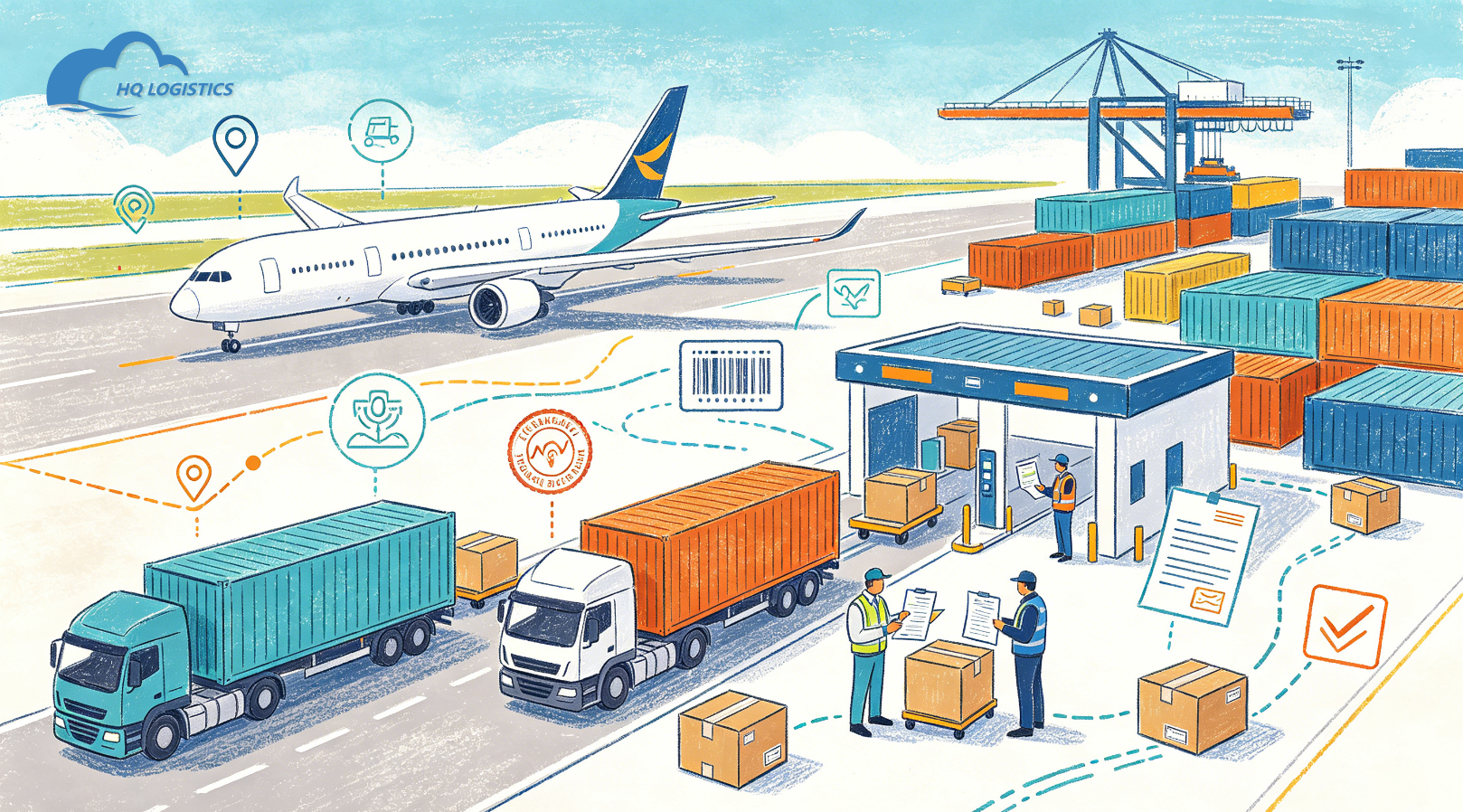
Customer Expectations Continue to Increase
Modern consumers expect fast and transparent delivery regardless of the season.
Customers want:
Accurate tracking information | On-time delivery | Regular shipping updates | Reliable customer service
When shipping delays occur, clear communication becomes essential.
Providing real-time tracking updates can help maintain customer confidence throughout the delivery process.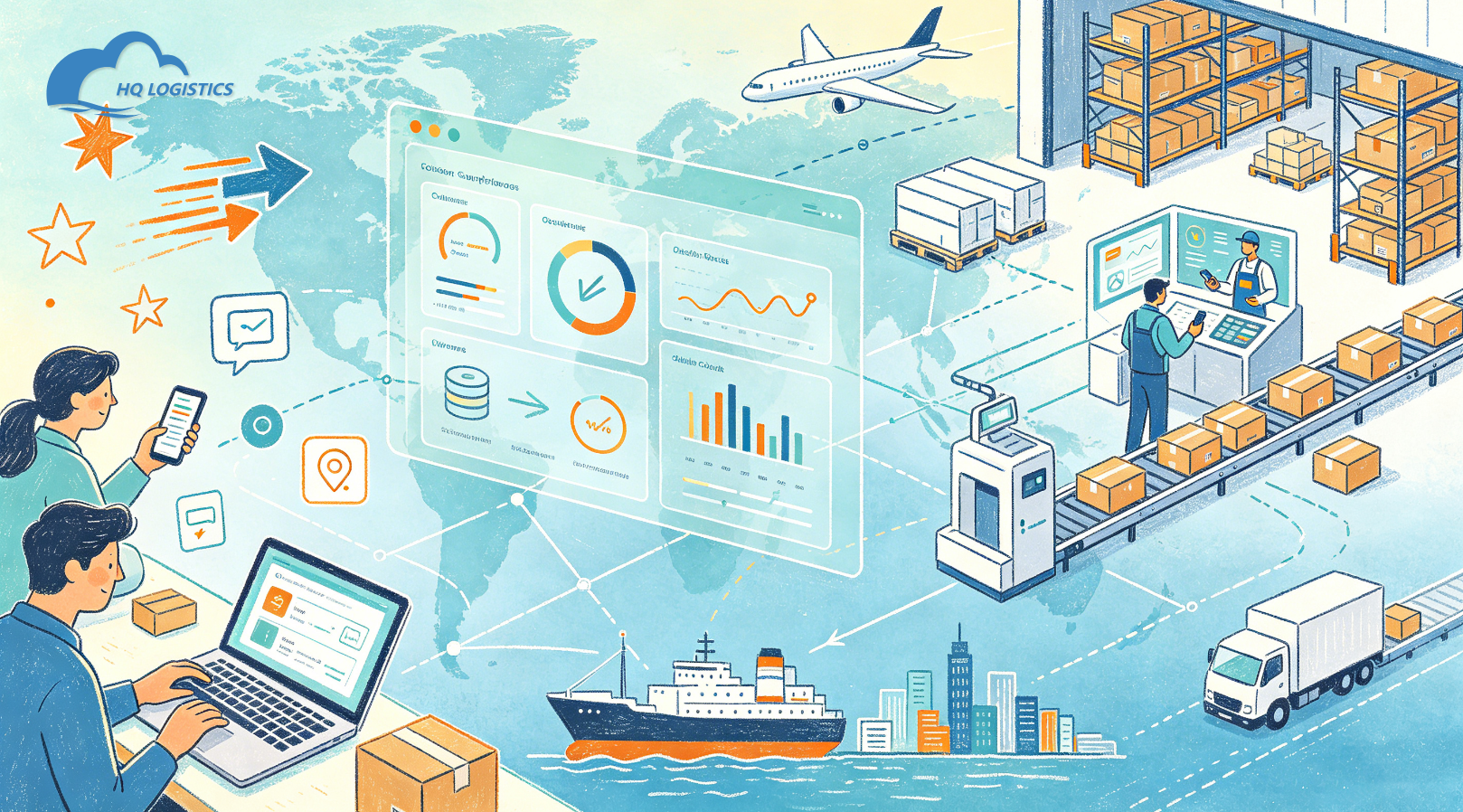
How Ecommerce Brands Can Prepare
Successful ecommerce businesses prepare for peak shipping seasons before order volumes increase.
Best practices include:
Forecasting demand early | Securing inventory in advance | Using multiple shipping channels | Implementing real-time inventory tracking | Automating fulfillment workflows
These strategies help reduce operational risks and improve overall efficiency.
The Importance of a Reliable Supply Chain Partner
Managing seasonal logistics challenges requires more than simply finding a shipping provider.
A reliable supply chain partner can help coordinate sourcing, inventory management, fulfillment, and global delivery.
Key advantages include:
Professional warehousing | Automated fulfillment | Multiple logistics solutions | Quality inspection | Inventory visibility
A strong logistics partner allows businesses to focus on growth while maintaining operational stability.
How HQ LOGISTICS Supports Ecommerce Brands During Peak Seasons
At HQ LOGISTICS, we help ecommerce businesses navigate seasonal demand through integrated supply chain solutions.
Our services include:
China sourcing | Quality inspection | Free warehousing | Real-time inventory management | Automated fulfillment | Fast global shipping | Custom packaging & private labeling
With dedicated support and scalable logistics solutions, we help brands prepare for busy seasons and deliver better customer experiences worldwide.
FAQ
Why are shipping delays more common during summer?
Summer often brings increased ecommerce demand, higher shipping volumes, and limited transportation capacity, which can create delays across logistics networks.
How can ecommerce businesses reduce shipping disruptions?
Planning inventory early, diversifying shipping options, and working with experienced fulfillment partners can help reduce risks.
What role does inventory management play during peak seasons?
Accurate inventory management helps prevent stock shortages, overselling, and fulfillment delays during periods of high demand.
Why should Shopify sellers use a fulfillment partner?
A fulfillment partner can manage warehousing, inventory, order processing, and shipping, allowing sellers to scale more efficiently during busy seasons.
The summer shipping season presents both opportunities and challenges for ecommerce brands.
Preparation today leads to better performance tomorrow.
Call to Action
🚀 Ready to strengthen your logistics strategy for peak season?
Contact our team today and prepare your business for a successful summer season.