Germany Import Tax + VAT Structure Explained for Ecommerce Sellers
Germany Import Tax + VAT Structure Explained for Ecommerce Sellers
Meta Title
Germany Import Tax & VAT Guide for Ecommerce Sellers (2026 Update)
Meta Description
Understand Germany import tax, VAT rates, and customs structure for ecommerce sellers. Learn how Shopify dropshippers can reduce costs and avoid compliance risks.
Introduction
Germany is one of the most important ecommerce markets in Europe.
It has: High purchasing power | Strong demand for imported goods | Mature logistics infrastructure | Strict tax and customs regulations
However, many dropshipping and Shopify sellers struggle with one key issue:
Understanding how import tax and VAT actually work in Germany.
This guide breaks down Germany’s import tax system in a simple, practical way for ecommerce sellers.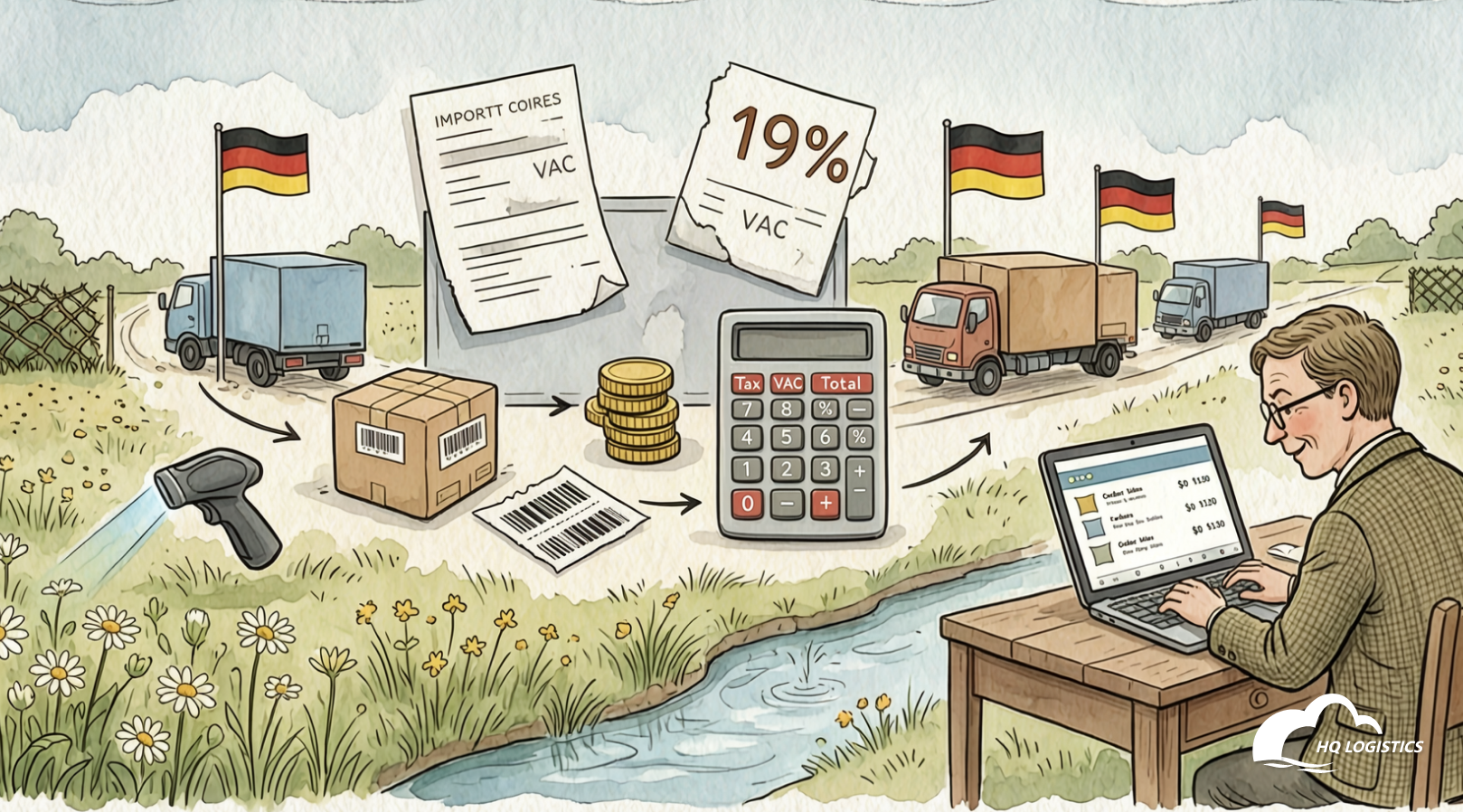
1. Overview: Germany Import Tax System
When shipping products into Germany, sellers may face three types of charges:
1. Import Duty (Customs Duty)
Based on product category (HS code) | Applied to goods above certain thresholds | Usually ranges from 0% to 12%+
2. VAT (Value Added Tax)
Standard VAT rate: 19% | Reduced VAT rate: 7% (for selected goods like food, books, etc.)
3. Handling / Clearance Fees
Charged by logistics providers or customs brokers | Varies depending on shipping method
2. When Do You Pay Import Tax in Germany?
Import tax depends on shipment value and shipping method.
For low-value goods:
VAT may still apply depending on shipping structure | EU rules (IOSS system) may simplify tax collection
For higher-value goods:
Import duty + VAT are both applied | Customs declaration is required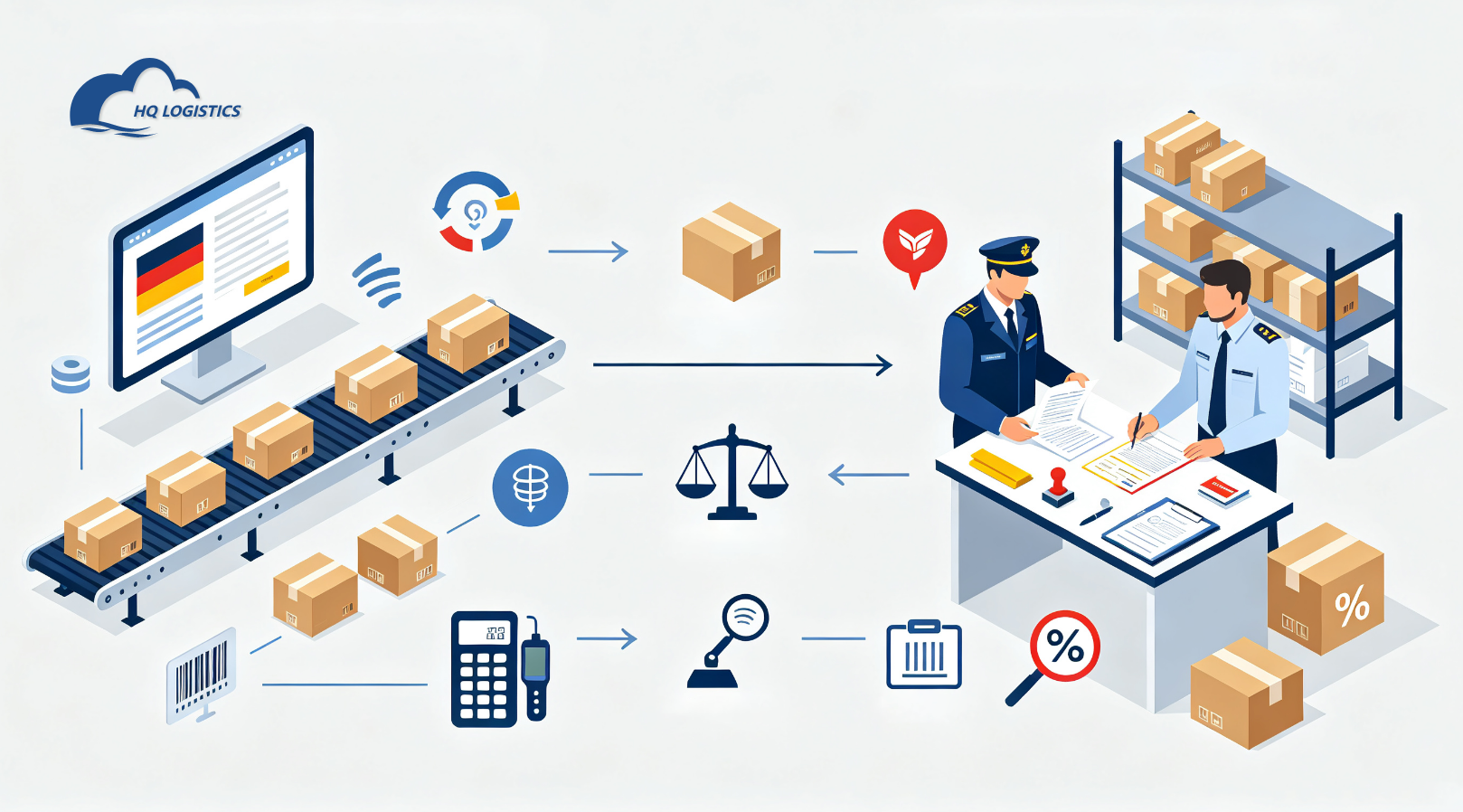
3. VAT in Germany: The Most Important Cost Factor
Unlike some markets, VAT in Germany is unavoidable in most cases.
Standard VAT: 19%
This applies to: Electronics | Clothing | Beauty products | Home goods | Most ecommerce products
Reduced VAT: 7%
Applies to: Books | Some food products | Cultural goods
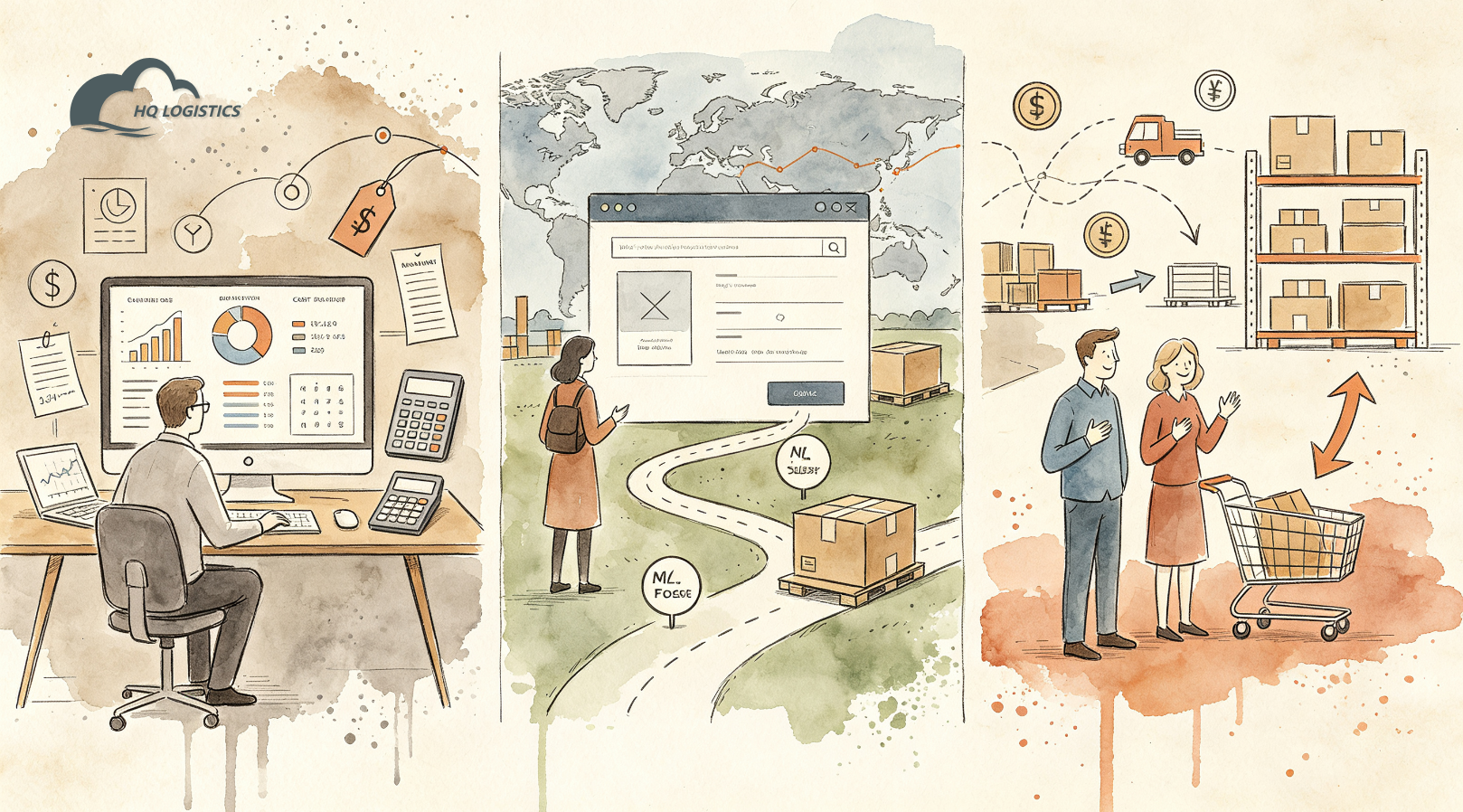
4. How VAT Affects Ecommerce Sellers
VAT directly impacts:
Product pricing
If not included properly, profit margins shrink.
Customer experience
Unexpected VAT charges = higher return rates.
Checkout conversion
Transparent pricing increases trust.
5. Common Mistakes Ecommerce Sellers Make
Many dropshippers lose money because of:
❌ Ignoring VAT in pricing strategy
❌ Using unclear shipping terms (DDP vs DDU confusion)
❌ Not understanding HS code classification
❌ Choosing unstable logistics routes
❌ Lack of customs documentation support
These issues often lead to:
Delayed shipments
Additional fees
Customer complaints
Account disputes
6. Germany Import Structure (Simple Flow)
A typical shipment looks like this:
1.Product leaves China | 2. Export clearance completed | 3. Air/rail/sea transport to EU | 4. Customs clearance in Germany | 5. VAT + duty applied | 6. Final delivery to customer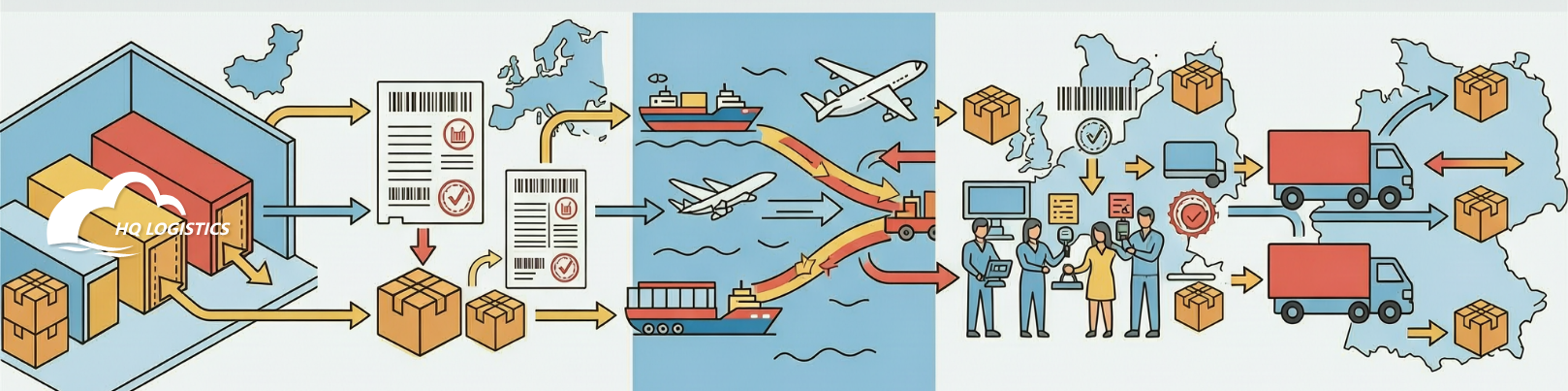
7. Why Germany Is Still a Strong Market
Despite strict tax rules, Germany remains one of the best ecommerce markets because: High average order value | Strong Amazon & Shopify ecosystem | Stable logistics infrastructure | High repeat purchase rate
The key is not avoiding tax—but managing it correctly.
8. How Smart Sellers Reduce Total Cost
Successful ecommerce brands optimize Germany shipping by:
Using DDP solutions
Duties and VAT pre-paid | No surprise charges for customers
Choosing stable EU fulfillment routes
Netherlands / Belgium entry hubs | Faster customs processing
Partnering with fulfillment providers
Automated tax handling | Inventory consolidation | Real-time tracking systems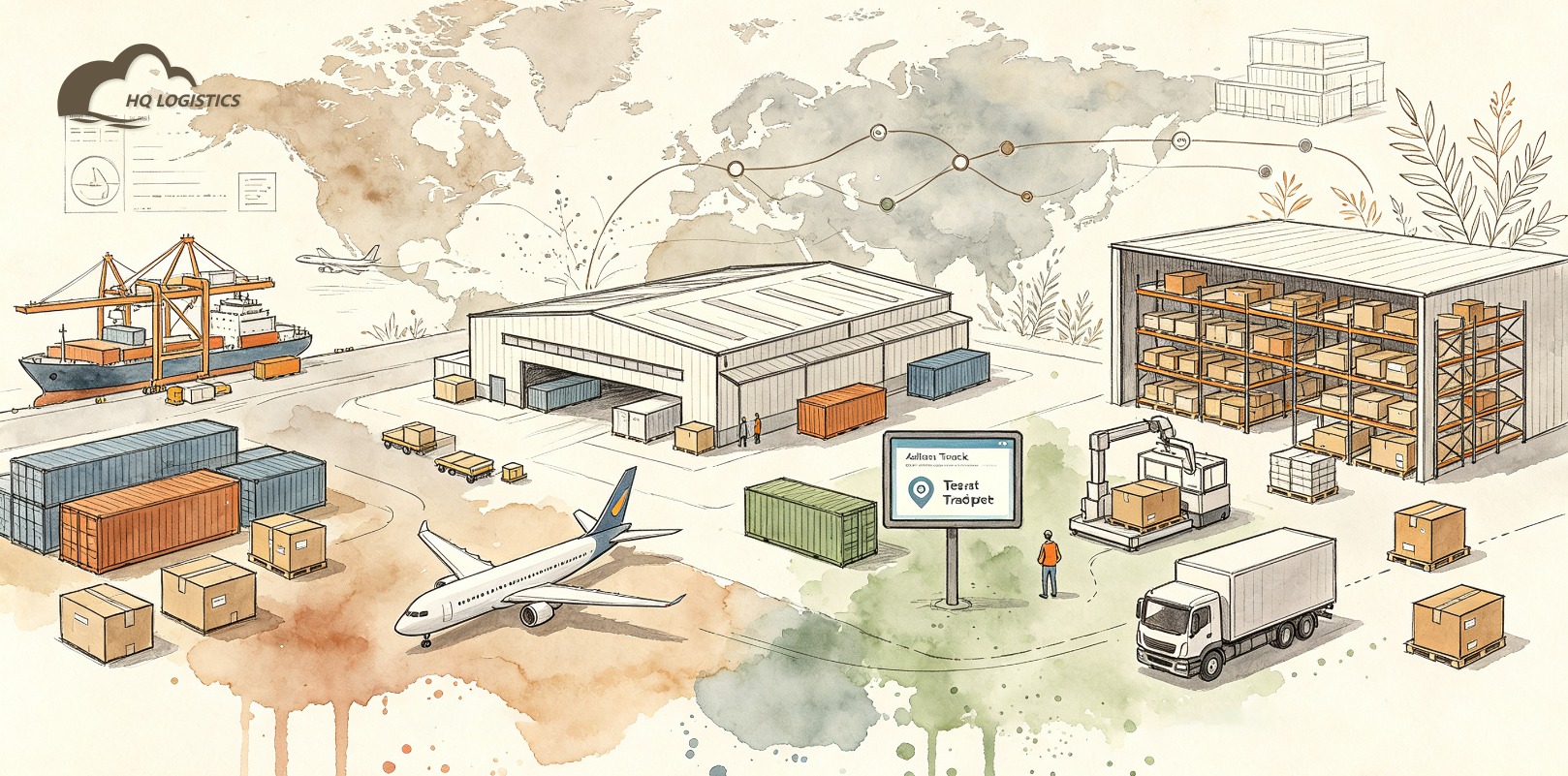
9. HQ LOGISTICS Solution for Germany Shipping
HQ LOGISTICS supports ecommerce sellers shipping into Germany with:
EU Fulfillment Routes
Stable delivery channels across Germany and EU countries
DDP Shipping Support
Simplified customs and tax handling
Quality Inspection
Reduce return rate and product issues
Shopify Order Fulfillment
Automated order sync and tracking updates
Cost Optimization
Route selection based on product category and volume
Germany’s import tax and VAT system may look complex, but it is predictable once understood.
In 2026, competition is no longer about finding products.
It is about building a supply chain that can handle compliance, cost, and speed at the same time.