
European Standard Shipping Guide for General Products
European Standard Shipping Guide for General Products
For Shopify sellers and independent ecommerce brands selling to European customers, general products are often the foundation of daily orders.
Clothing | hats | scarves | socks | home accessories | toys | household products | and other everyday items usually have relatively straightforward transportation requirements.
However, shipping general products from China to Europe still requires careful planning.
The right logistics solution needs to balance:
Shipping Cost + Transit Time + Customs + Fulfillment Efficiency + Tracking
Choosing the cheapest shipping channel is not always the best strategy. A slightly cheaper route may come with longer transit times, unstable tracking, or limited support when problems occur.
This guide explains what Shopify sellers should know about standard shipping to Europe and how to build a more reliable fulfillment strategy.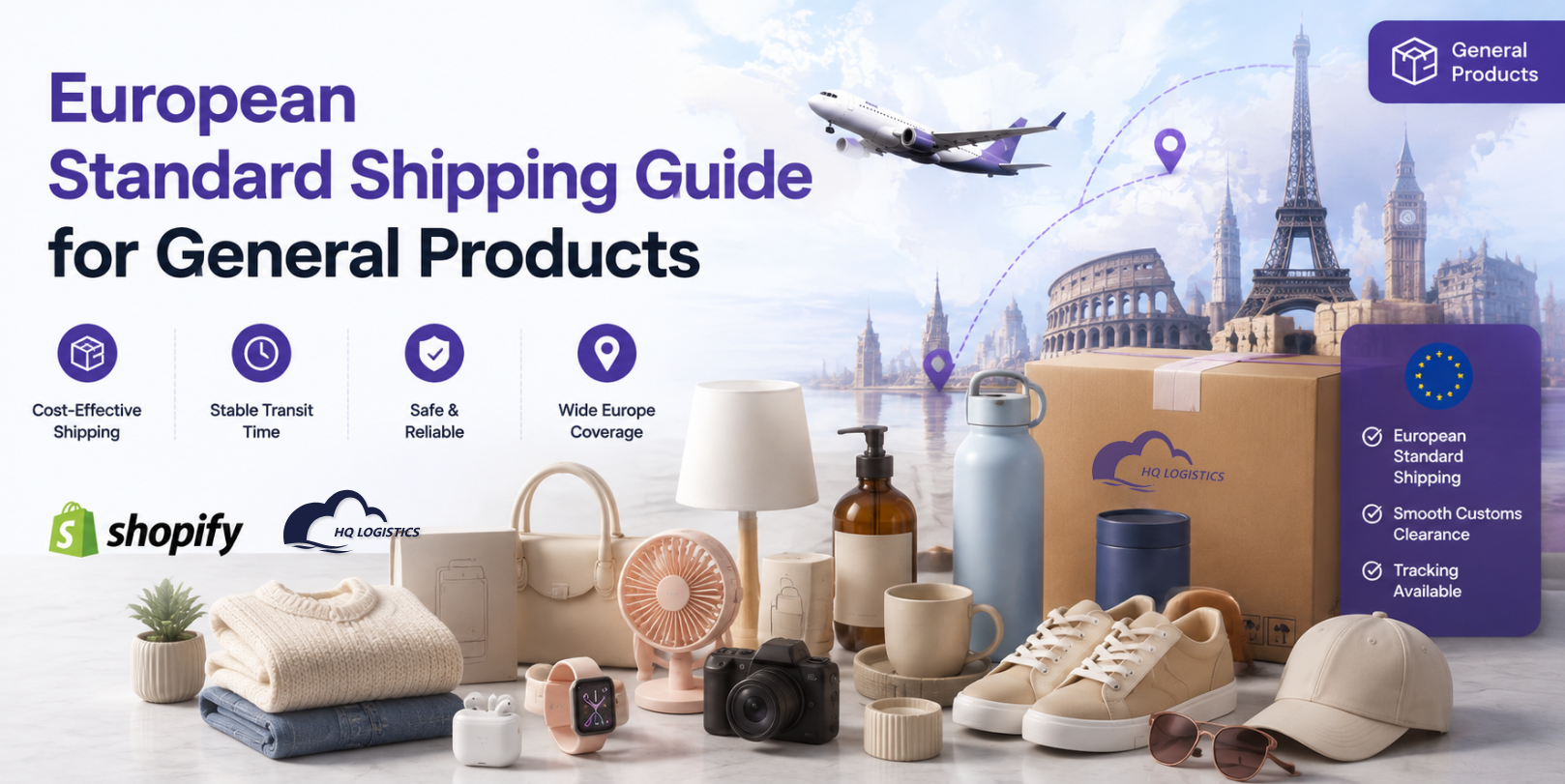
What Are General Products?
General products usually refer to ordinary consumer goods that do not require specialized sensitive-goods transportation.
Common examples include:
Fashion Products
Clothing | hats | scarves | socks | bedding | bags | fashion accessories
Home & Lifestyle Products
Home decorations | storage products | kitchen accessories | household products | daily-use items
Toys & Gifts
Toys without batteries | gift products | stationery | seasonal decorations | lifestyle accessories
These products are generally easier to ship than liquids, powders, products containing batteries, or other sensitive goods.
Why European Standard Shipping Is Important for Shopify Sellers
Europe is not a single logistics market.
A Shopify brand may sell to customers across:
Germany | France | Italy | Spain | Netherlands | Belgium | Poland | Austria | Sweden | Denmark | Portugal | Ireland
Each destination can have different delivery expectations, carrier networks, and fulfillment requirements.
For brands generating daily orders, having a standardized European shipping solution can simplify operations and improve delivery consistency.
China-to-Europe Shipping: How Does It Work?
A typical fulfillment process looks like this:
Shopify Order → Order Sync → China Warehouse → Picking & Packing → International Transportation → Customs Processing → European Last-Mile Carrier → Customer Delivery
A professional fulfillment partner manages multiple stages of this process instead of simply handing a package to a carrier.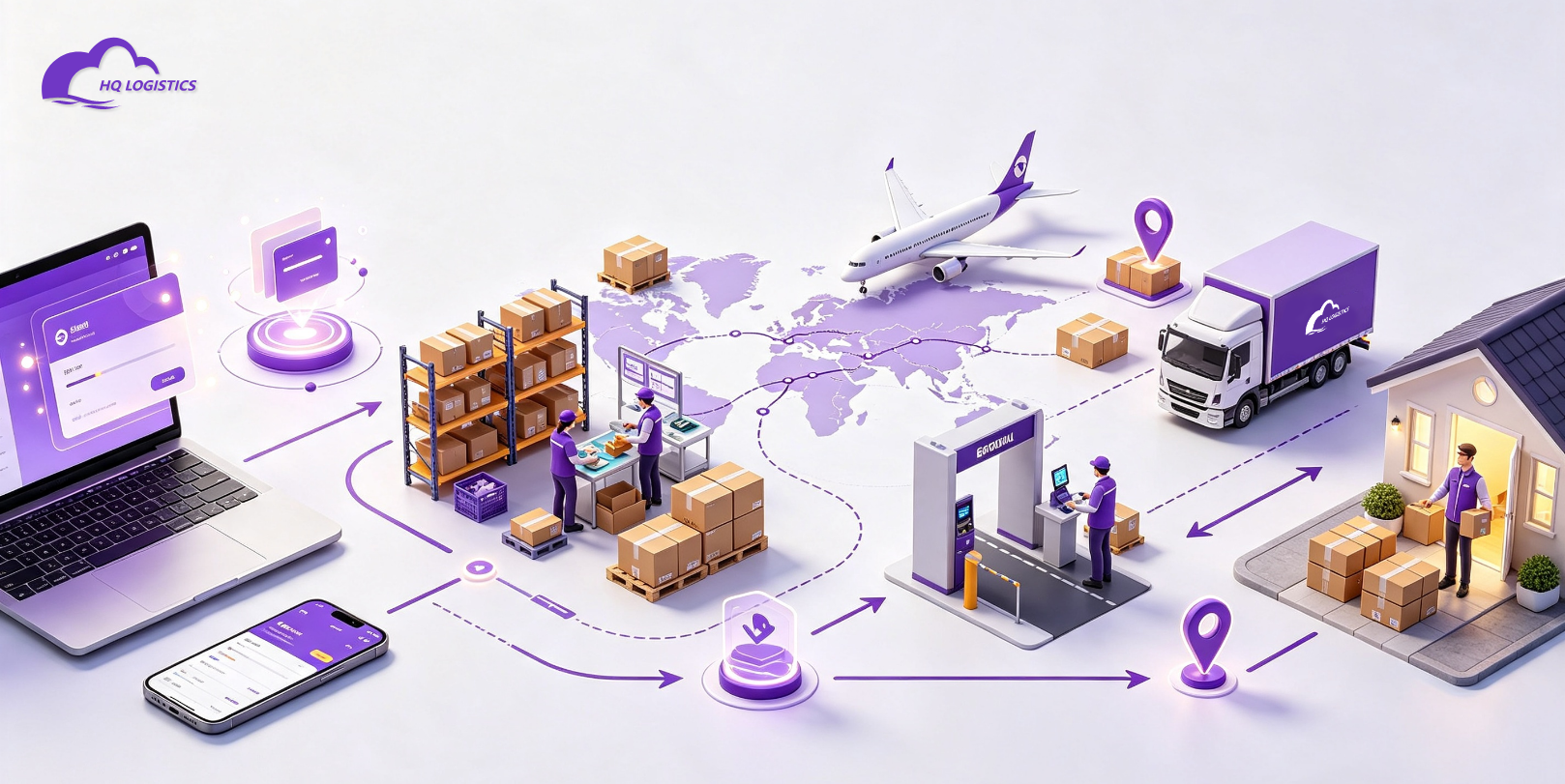
European Standard Shipping vs. Express Shipping
For general products, sellers usually need to balance speed and cost.
Standard Shipping
Standard shipping is often suitable for:
Regular ecommerce orders | lightweight products | low-to-medium value products | daily Shopify orders
The main advantage is cost efficiency.
Express Shipping
Express services may be more suitable for:
Urgent orders | high-value products | time-sensitive campaigns | customers expecting faster delivery
The cost is usually higher, so sellers should not automatically use express shipping for every order.
How to Reduce European Shipping Costs
1. Choose the Right Shipping Channel
Different products can have very different logistics costs.
A shipping channel should be evaluated based on:
Product type | weight | dimensions | destination | order volume | delivery requirements
A professional fulfillment provider can compare multiple channels and select a more suitable option.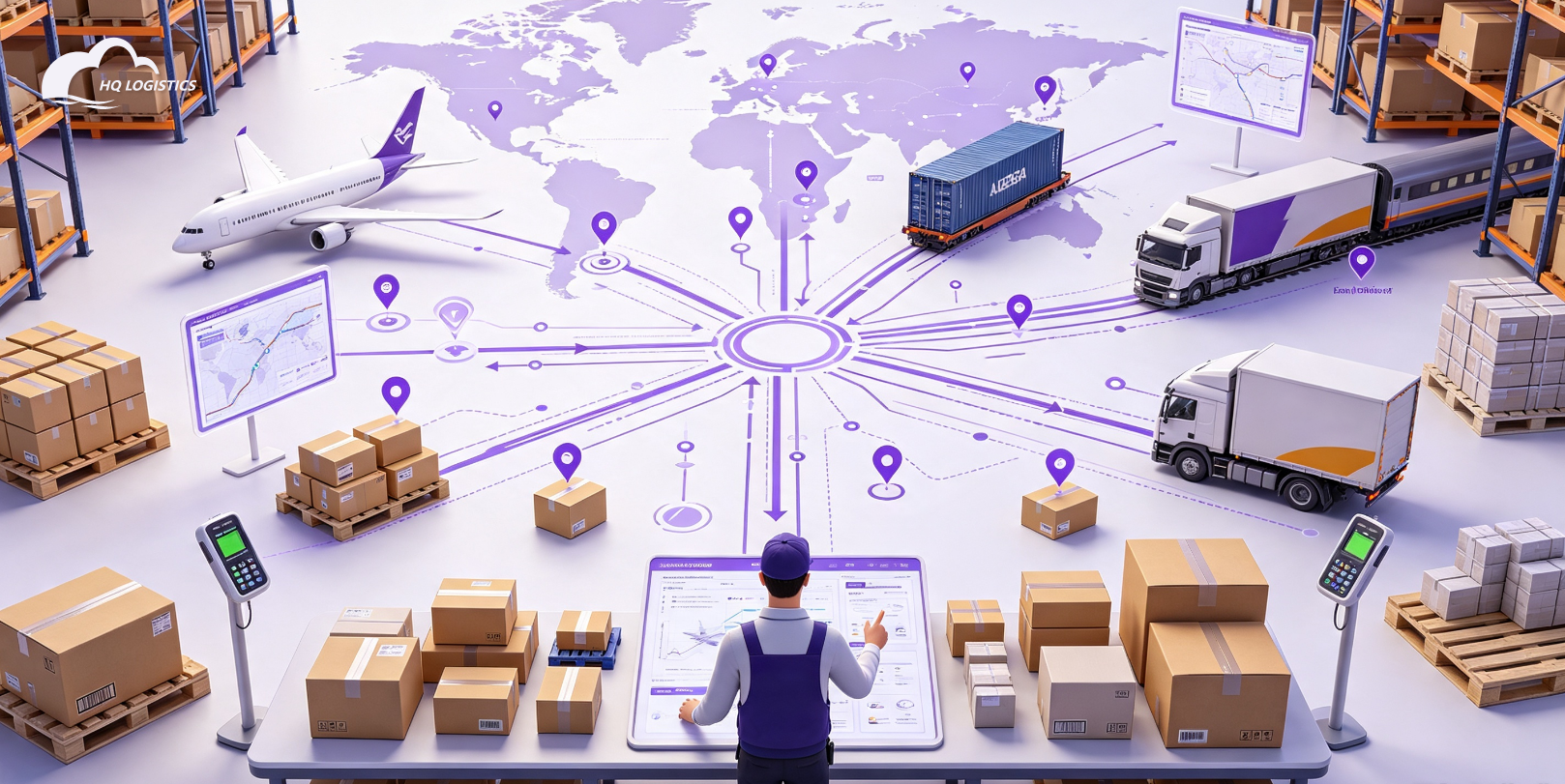
2. Optimize Packaging
Packaging has a direct impact on logistics costs.
Oversized packaging can increase:
Dimensional weight | warehouse space | transportation costs | last-mile delivery costs
For products such as clothing, scarves, socks, and soft goods, efficient packaging can significantly improve shipping efficiency.
3. Consolidate Inventory
If products are sourced from multiple suppliers, consolidating inventory in one fulfillment warehouse can simplify operations.
Instead of managing multiple shipments separately, sellers can:
Source | Consolidate | Inspect | Store | Fulfill
This makes order processing more efficient.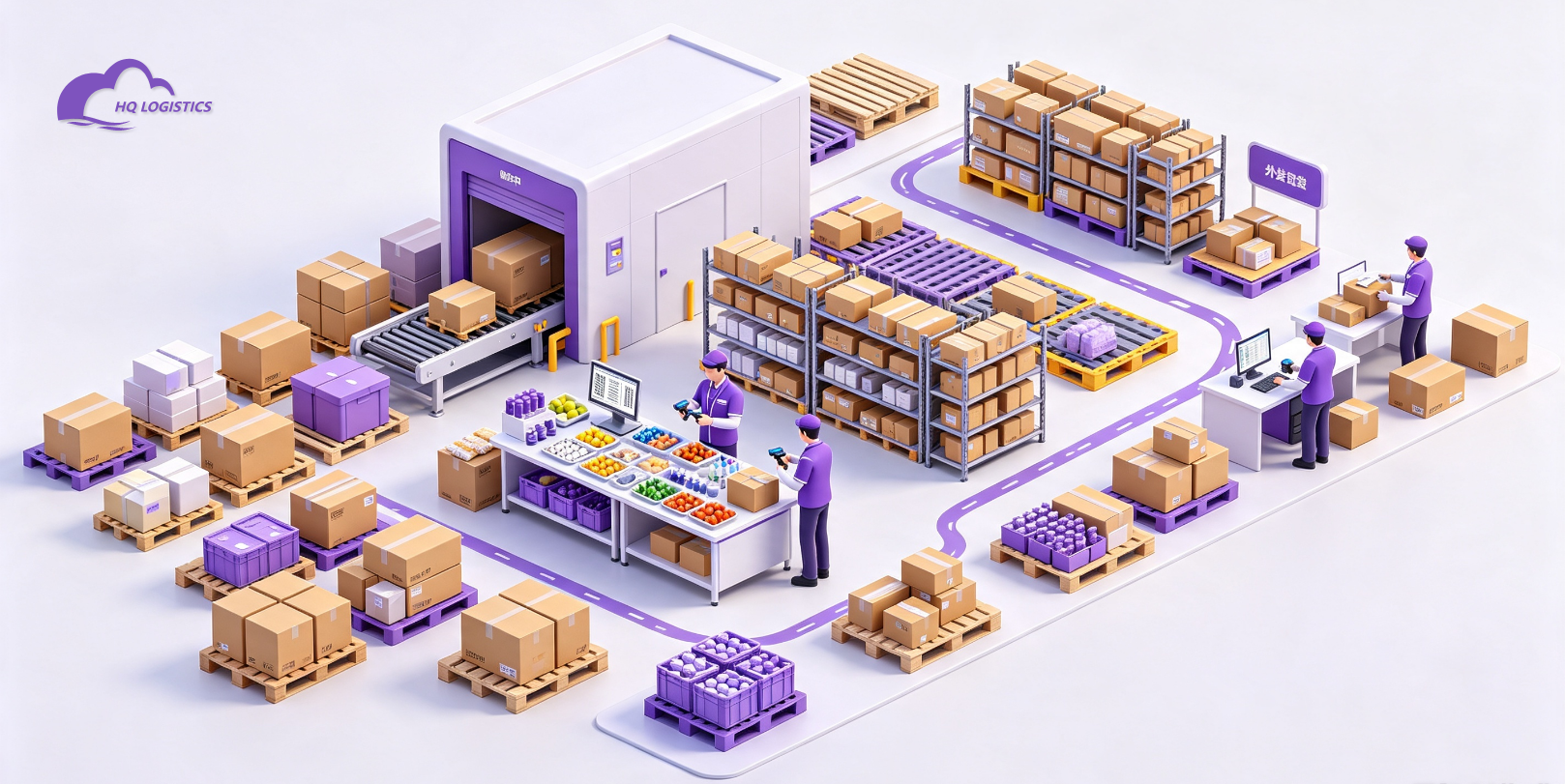
European Shipping and Customs
Even when shipping general products, sellers should pay attention to customs and import requirements.
Accurate shipment information can help reduce unnecessary delays.
Important information may include:
Product description | HS code | declared value | quantity | shipping documents
Incorrect information can create additional customs questions or processing delays.
For Shopify sellers shipping across multiple European markets, working with an experienced logistics provider can simplify this process.
Why Tracking Visibility Matters
Customers increasingly expect to know where their orders are.
Poor tracking can create:
Customer support requests | delivery anxiety | refund requests | negative reviews
A reliable fulfillment system should provide tracking information from dispatch through final delivery.
For Shopify sellers, synchronized tracking also allows customers to receive shipment updates automatically.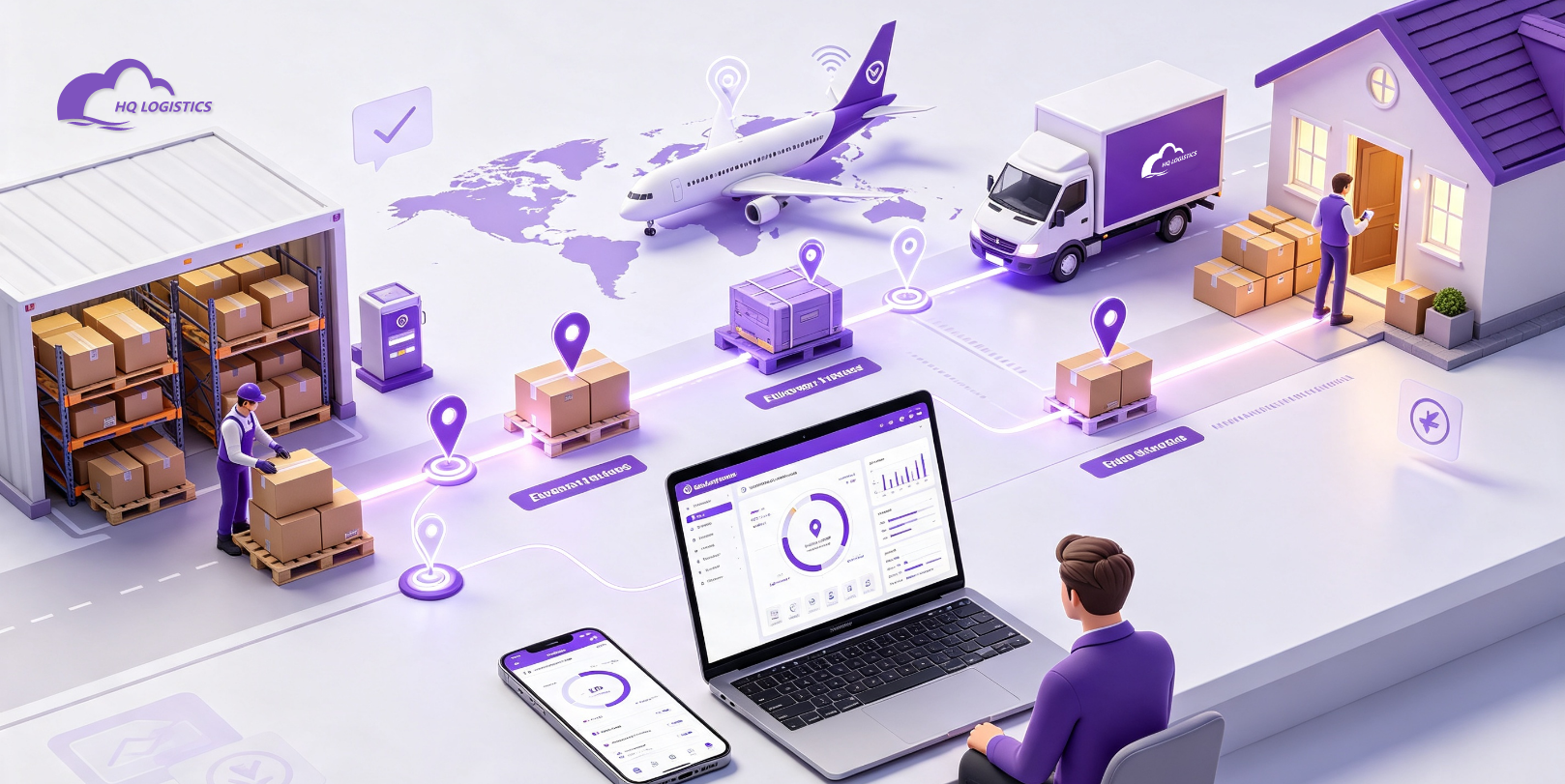
What About Returns?
Returns are an important part of European ecommerce fulfillment.
A complete fulfillment solution should consider:
Delivery | Return Request | Return Shipment | Warehouse Receiving | Inspection | Restocking
Without a clear returns process, sellers may lose inventory or spend unnecessary time managing individual cases.
For fashion and apparel brands, return management can be especially important because customers may order different sizes or styles.
When Should Shopify Sellers Consider European Warehousing?
A European warehouse can make sense when a Shopify brand has:
Consistent European order volume | high demand in specific countries | fast delivery requirements | large inventory volumes | frequent replenishment needs
However, European warehousing also creates additional storage and inventory management considerations.
For smaller or growing stores, shipping directly from a China fulfillment warehouse may provide more flexibility.
The right choice depends on:
Order Volume + Inventory Turnover + Product Cost + Delivery Expectations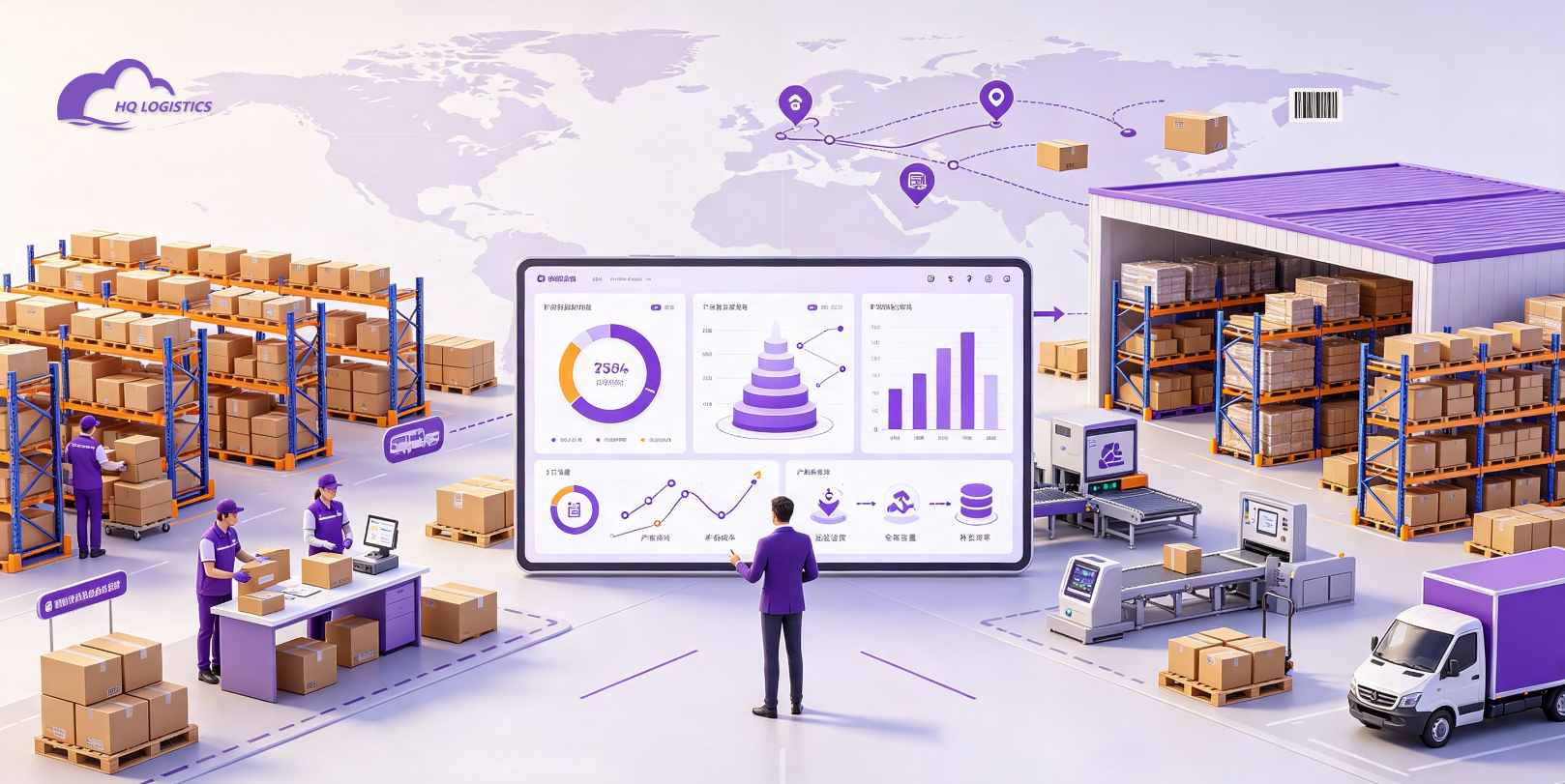
HQ LOGISTICS European Standard Shipping Solution
For Shopify sellers shipping general products to Europe, HQ LOGISTICS provides an integrated sourcing and fulfillment solution.
European Standard Shipping
Our European standard shipping solution is designed for ordinary products such as:
Clothing | hats | scarves | socks | bedding | home decorations | toys without batteries | general household products
It is designed for brands looking for a balance between shipping cost and delivery performance.
European Coverage
The solution can support shipments across European markets, helping Shopify sellers manage multiple destinations through one fulfillment partner.
Transparent Pricing
Clear quotations allow sellers to understand their logistics costs before shipping.
This helps brands calculate their actual profit margin more accurately.
100+ Global Shipping Channels
HQ LOGISTICS can compare different logistics channels according to:
Product | destination | weight | cost | delivery requirements
This provides greater flexibility when one route becomes less competitive.
Sample Inspection & Quality Control
Before scaling a product, sellers can inspect samples to verify:
Product quality | specifications | packaging | functionality
Quality checks before shipment can also help reduce customer complaints and returns.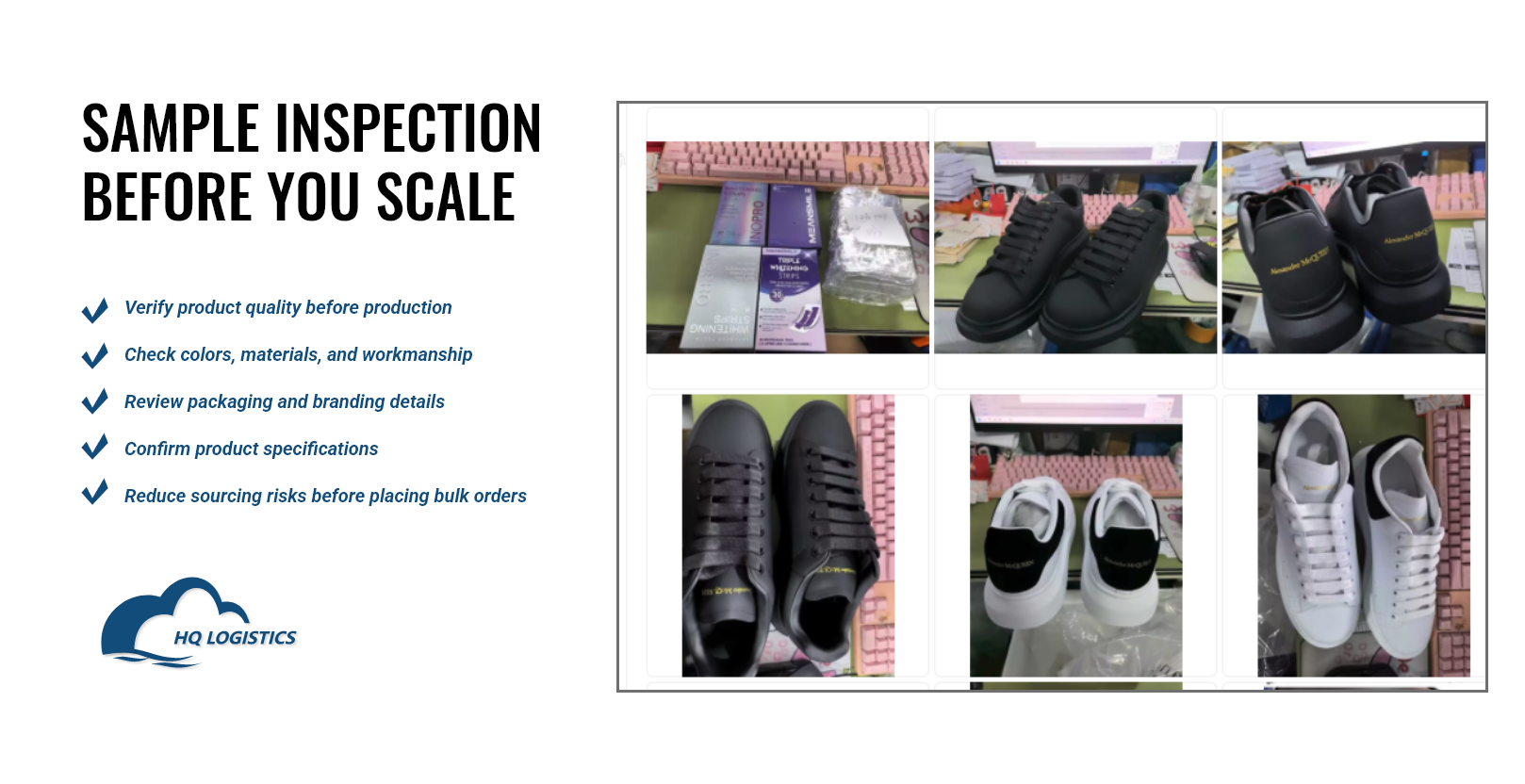
Reliable Supplier Network
We help ecommerce brands work with stable suppliers to reduce:
Stockout risks | production delays | quality inconsistencies
Real-Time Tracking
Shipment tracking allows sellers to monitor orders from warehouse dispatch to customer delivery.
Flexible Fulfillment
Whether a brand is handling a small number of daily orders or scaling toward higher volumes, fulfillment solutions can be adjusted according to operational requirements.
European Standard Shipping Checklist
Before launching a European shipping strategy, Shopify sellers should check:
☑ Product classification confirmed
☑ HS codes prepared
☑ Product dimensions measured
☑ Packaging optimized
☑ Shipping channel selected
☑ Delivery expectations confirmed
☑ Tracking tested
☑ Inventory forecast completed
☑ Returns process prepared
☑ Supplier capacity confirmed
Preparing these details before peak season can help prevent avoidable fulfillment problems.
FAQ
What products can usually use European standard shipping?
Common general products include clothing, hats, scarves, socks, bedding, home decorations, household products, and toys without batteries. Specific channel restrictions should always be confirmed before shipping.
Is standard shipping cheaper than express shipping?
Generally, standard shipping is designed to provide a more cost-efficient option, while express shipping prioritizes speed. The best choice depends on the product and customer expectations.
Can Shopify sellers ship directly from China to Europe?
Yes. China-based fulfillment can be suitable for brands that want to source products close to suppliers while shipping orders directly to European customers.
Should a Shopify seller use a European warehouse?
It depends on order volume, inventory turnover, delivery requirements, and product margins. A European warehouse can improve local delivery performance but also introduces storage and inventory costs.
How can Shopify sellers reduce European shipping costs?
Compare shipping channels, optimize packaging, consolidate inventory, forecast demand, and work with a fulfillment partner that can provide multiple logistics options.
But successful European fulfillment requires more than selecting a shipping price.
Sellers need to consider the complete process:
Sourcing → Warehouse → Quality Control → Packaging → Shipping → Customs → Tracking → Returns
For growing Shopify stores, a reliable fulfillment partner can make European expansion much easier.
Ready to Ship General Products to Europe?
HQ LOGISTICS helps Shopify and ecommerce brands manage:
Build a more reliable European fulfillment strategy and focus on growing your store.