More Than Fulfillment: Your End-to-End Supply Chain Partner
More Than Fulfillment: Your End-to-End Supply Chain Partner
For many ecommerce brands, fulfillment starts with a simple requirement:
“Here is my inventory. Please store it, pack it, and ship it.”
That is the traditional 3PL model.
But as a Shopify store grows, supply chain management becomes much more complicated.
You may have:
Multiple suppliers | Different product costs | Changing production lead times | Seasonal inventory requirements | Multiple warehouses | Different shipping channels | Customs and tax requirements | Increasing order volumes
At this stage, simply fulfilling orders is no longer enough.
Brands need a partner that can look at the entire supply chain and continuously find ways to improve it.
This is where the 4PL model comes in.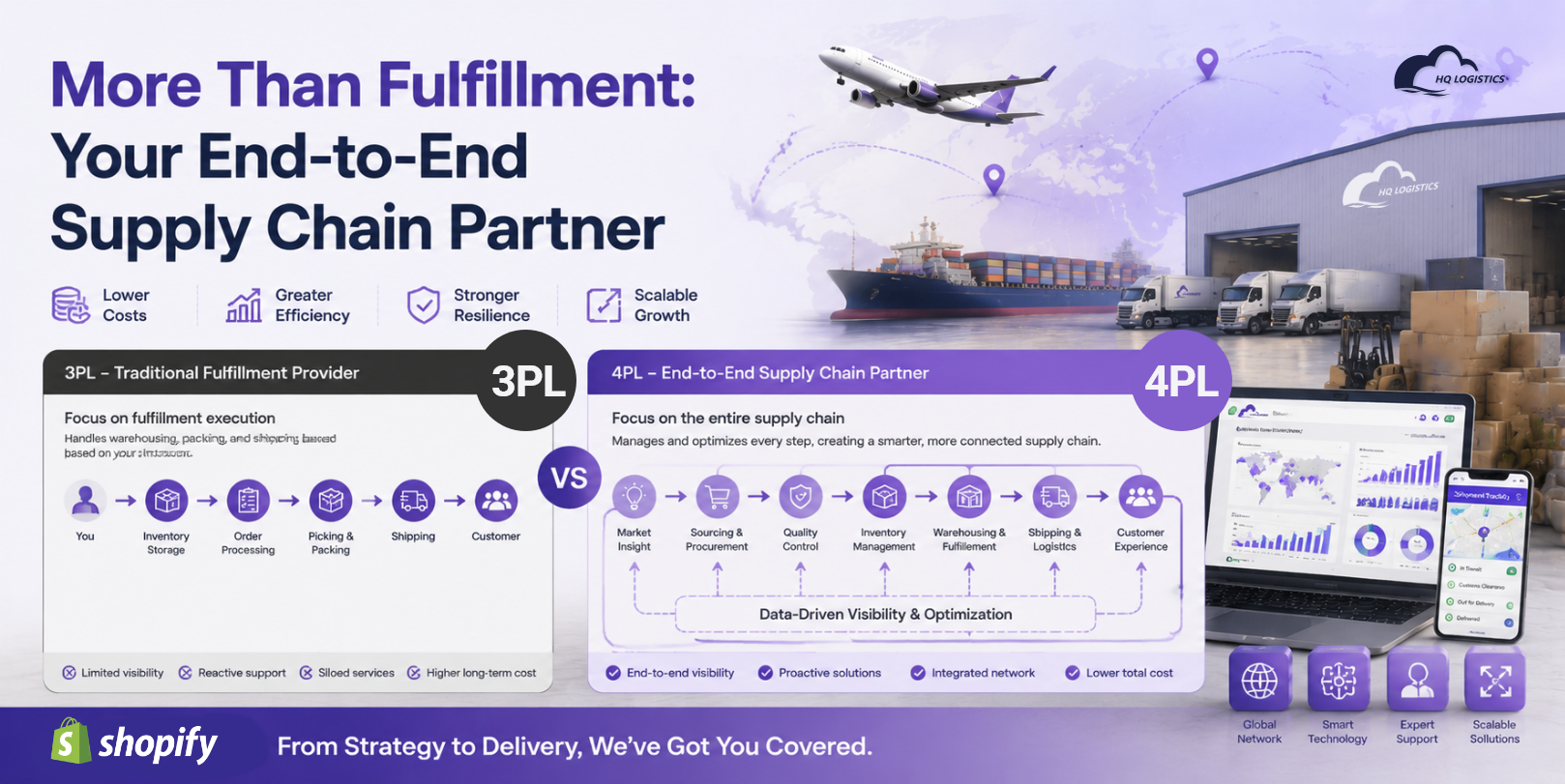
3PL vs. 4PL: What's the Difference?
A traditional 3PL mainly focuses on logistics execution.
The typical process looks like:
Shopify Store → Orders → 3PL Warehouse → Picking → Packing → Shipping → Customer
The 3PL's main responsibility is to make sure orders are processed and delivered.
A 4PL goes one step further.
Instead of simply asking:
“How do we ship this order?”
A 4PL asks:
“How can we make the entire supply chain more efficient?”
This means looking at sourcing, suppliers, purchasing, inventory, fulfillment, logistics, data, and optimization as one connected system.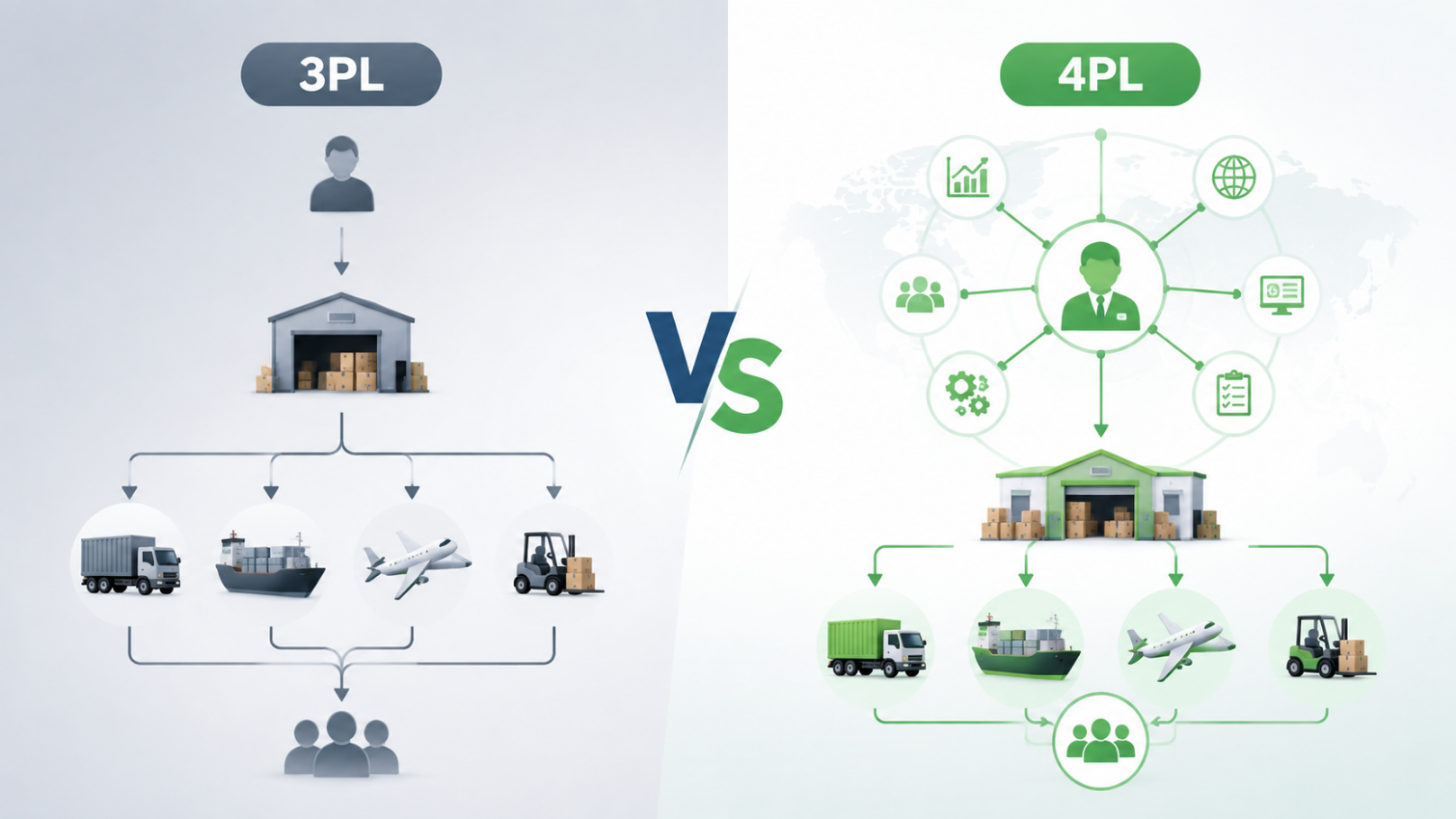
What Does a 4PL Actually Manage?
Imagine your Shopify store sells a product that has three potential suppliers.
Supplier A
Lower price, but slower production.
Supplier B
Higher cost, but better quality.
Supplier C
Higher production capacity and better suited for peak season.
A traditional fulfillment provider may simply receive the inventory and ship it.
A 4PL partner can help evaluate:
Cost + Quality + Lead Time + Capacity + Inventory + Logistics
The goal is to determine which supplier and fulfillment strategy creates the best overall result for your business.
This is the difference between fulfilling orders and optimizing a supply chain.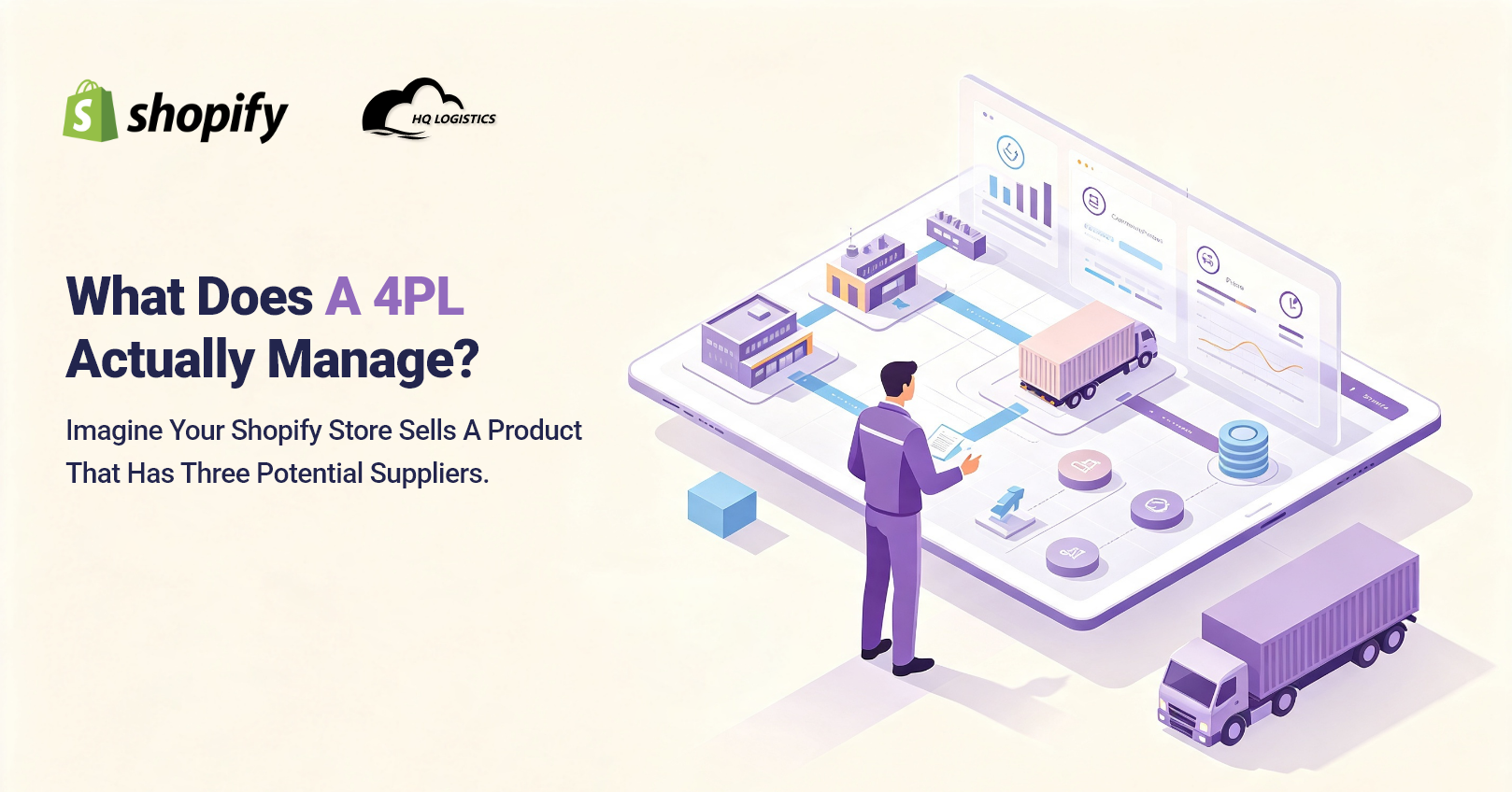
The 4PL Supply Chain Model
For a growing Shopify brand, the supply chain can be managed as one connected system:
Shopify Store
↓
HQ Supply Chain Management
↓
Product Sourcing | Supplier Management | Purchasing | Quality Control | Inventory Management | Warehousing | Order Fulfillment | Global Shipping | DDP Solutions | Data & Optimization
Instead of managing each function separately, the entire process is coordinated around the same business goals.
1. Product Sourcing
The supply chain starts before the product reaches the warehouse.
A 4PL partner can help sellers evaluate:
Product cost | Supplier options | Production capacity | Lead times | Product quality | Customization requirements
The objective is not simply to find the lowest quotation.
It is to find a supplier that can support profitable and sustainable growth.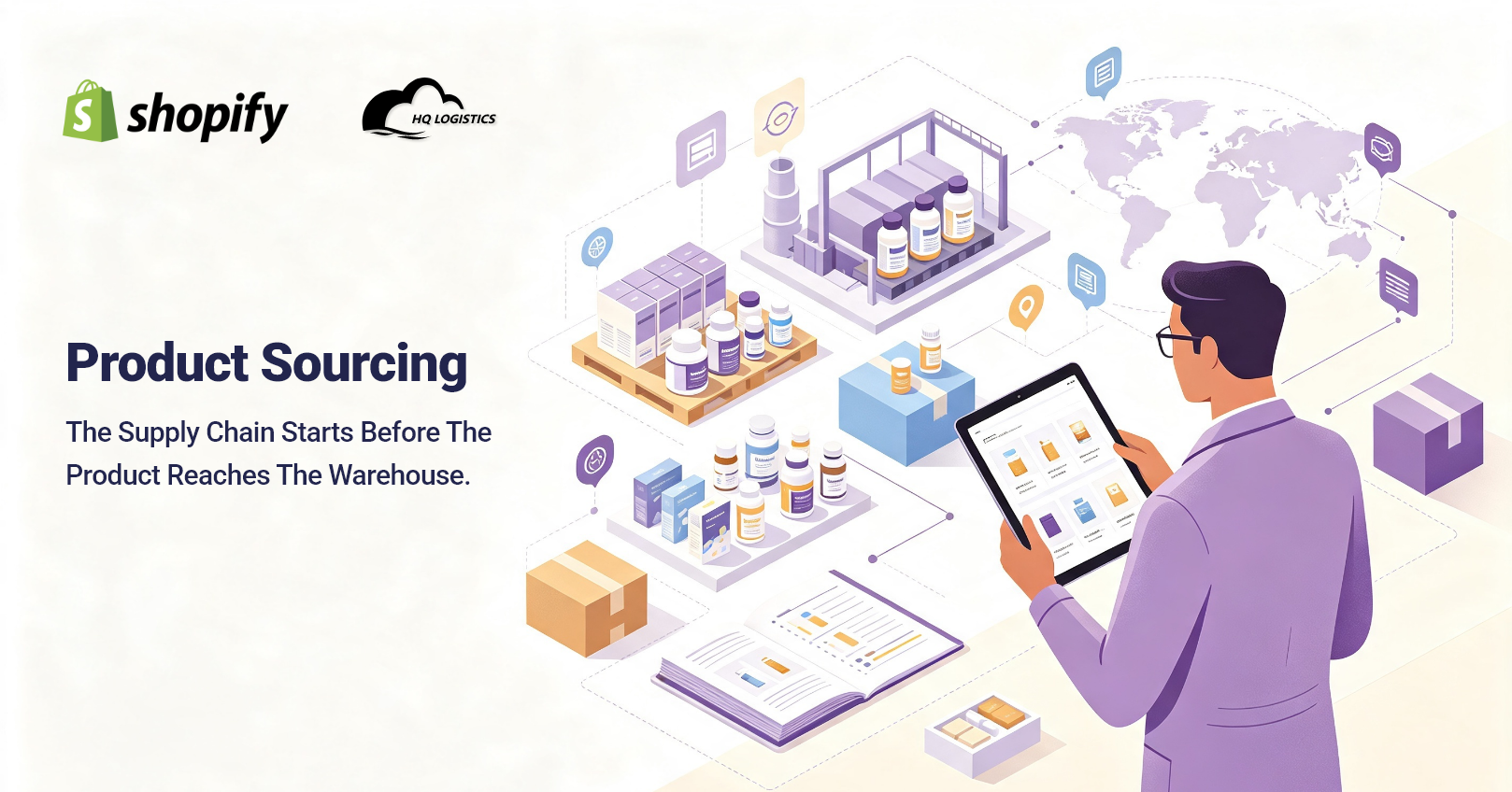
2. Supplier Management
As order volumes increase, relying on one supplier can create risks.
A strong supply chain strategy may include:
Multiple qualified suppliers | Backup production options | Supplier performance monitoring | Cost comparisons | Production lead-time tracking
This gives brands greater flexibility when demand changes.
For example, a supplier that works well during normal periods may not have enough capacity during Black Friday or Christmas.
A 4PL partner can identify these risks before they become fulfillment problems.
3. Purchasing & Inventory Planning
Purchasing decisions directly affect cash flow and inventory availability.
Buying too much creates:
Excess inventory | Higher storage costs | Cash flow pressure
Buying too little creates:
Stockouts | Lost sales | Emergency replenishment costs
A better approach is to connect purchasing decisions with:
Sales Data + Demand Forecasting + Supplier Lead Time + Shipping Lead Time
This creates a more balanced inventory strategy.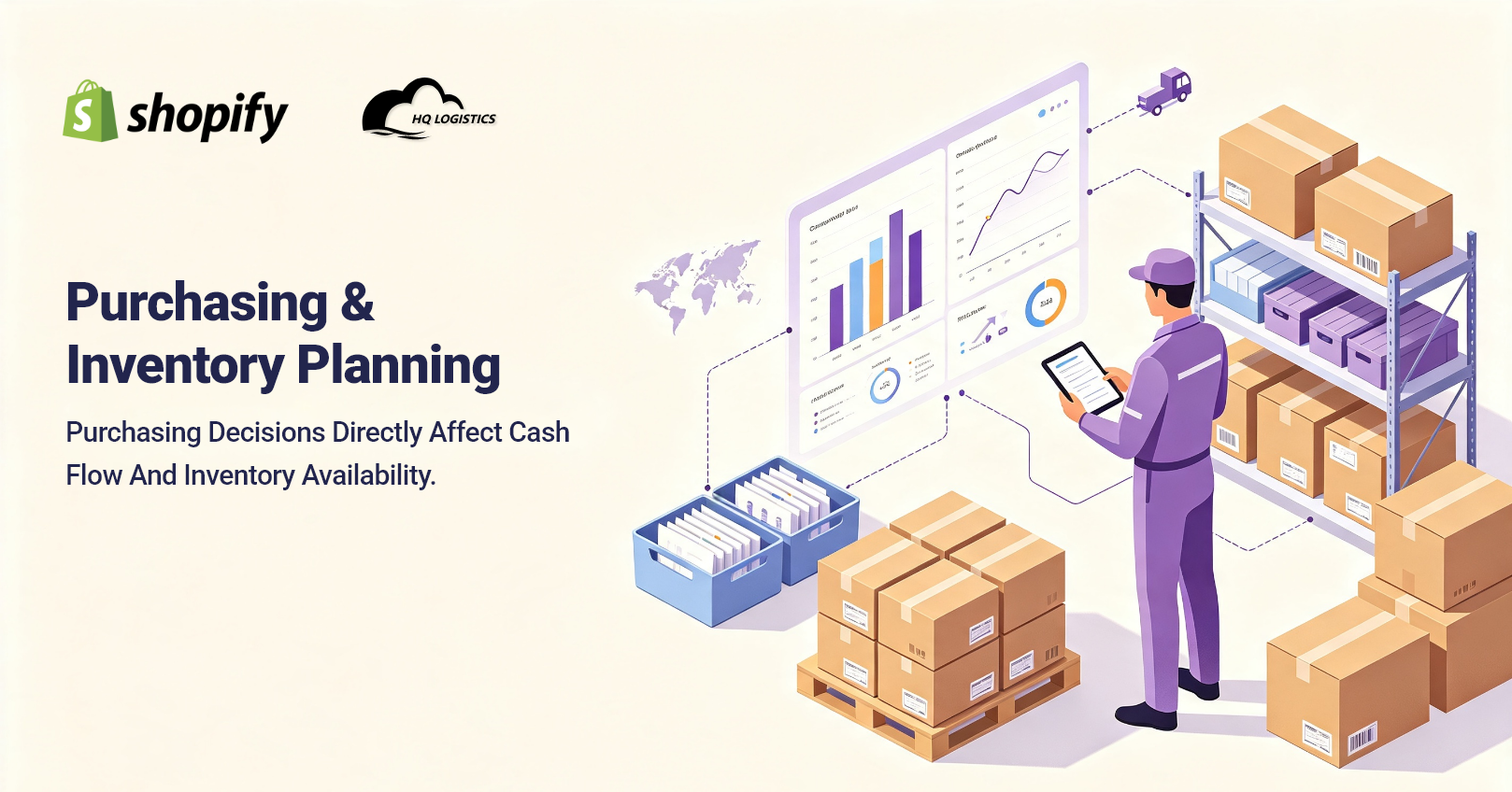
4. Quality Control
Quality problems can become expensive once products have entered the fulfillment process.
A 4PL supply chain strategy can include:
Sample inspection | Pre-shipment inspection | Packaging checks | SKU verification | Product consistency checks
For brands scaling a new product, sample inspection can help identify problems before large quantities are purchased.
5. Inventory Management
Inventory should not simply sit in a warehouse.
It should be actively managed.
A modern supply chain system should provide visibility into:
Available inventory | Reserved inventory | Inbound inventory | Best-selling SKUs | Slow-moving products | Replenishment requirements
This helps brands make better purchasing and fulfillment decisions.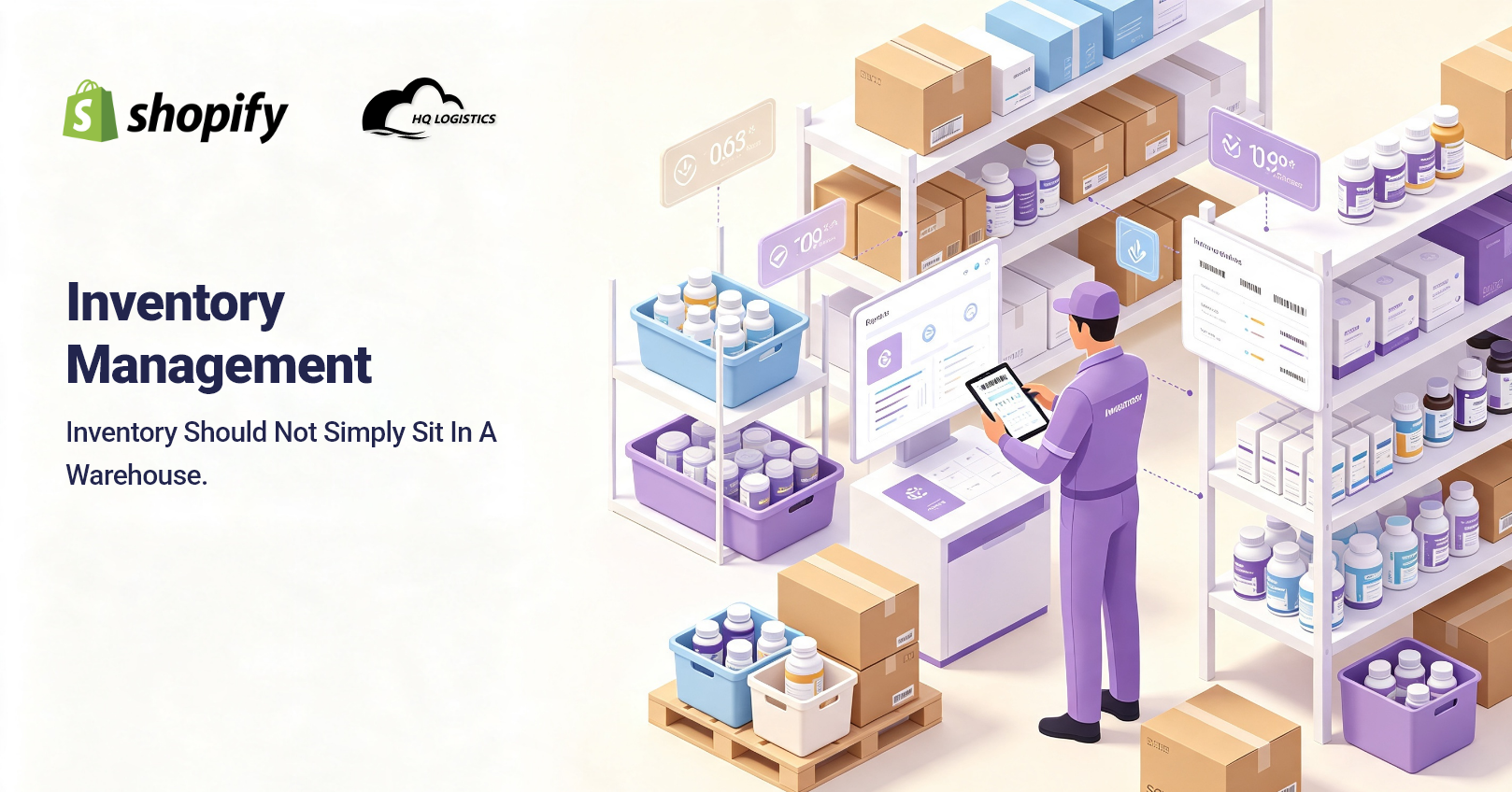
6. Warehousing
Warehousing is an important part of fulfillment, but it is only one part of the larger supply chain.
Depending on the business model, inventory may be managed through:
China warehouses | Overseas warehouses | Regional fulfillment centers | Multi-warehouse strategies
The right warehouse strategy depends on:
Order Volume + Customer Location + Product Characteristics + Delivery Requirements
7. Order Fulfillment
Once an order is placed, fulfillment needs to be fast and accurate.
The process includes:
Order Sync → Inventory Allocation → Picking → Packing → Quality Check → Shipping Label → Carrier Handover
Automation can reduce manual work and improve processing efficiency.
For Shopify sellers with daily orders, automated order synchronization becomes increasingly important as order volume grows.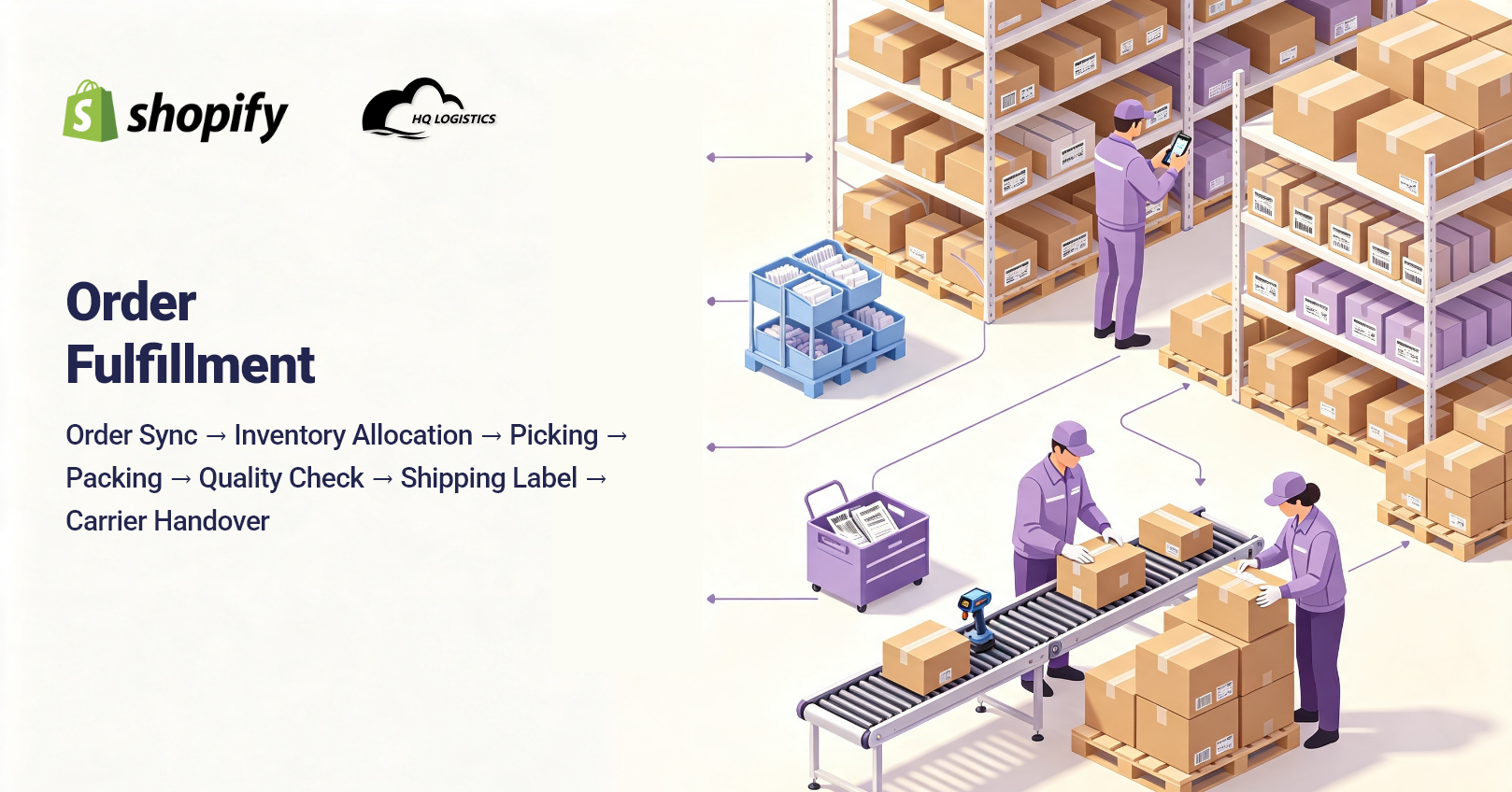
8. Global Shipping
Shipping is one of the areas where a 4PL approach can create significant value.
Instead of using one shipping channel for every order, brands can compare different routes based on:
Destination | Product type | Weight | Delivery requirements | Shipping cost | Customs requirements
HQ LOGISTICS provides access to 100+ global shipping channels, allowing ecommerce brands to select more suitable solutions for different products and markets.
9. DDP & Customs Solutions
International ecommerce involves more than transportation.
Brands also need to consider:
Customs declarations | VAT | Import procedures | Product restrictions | Destination requirements
For eligible products and markets, DDP solutions can help simplify the international shipping process.
A 4PL partner coordinates these requirements as part of the overall supply chain instead of treating customs as a separate problem.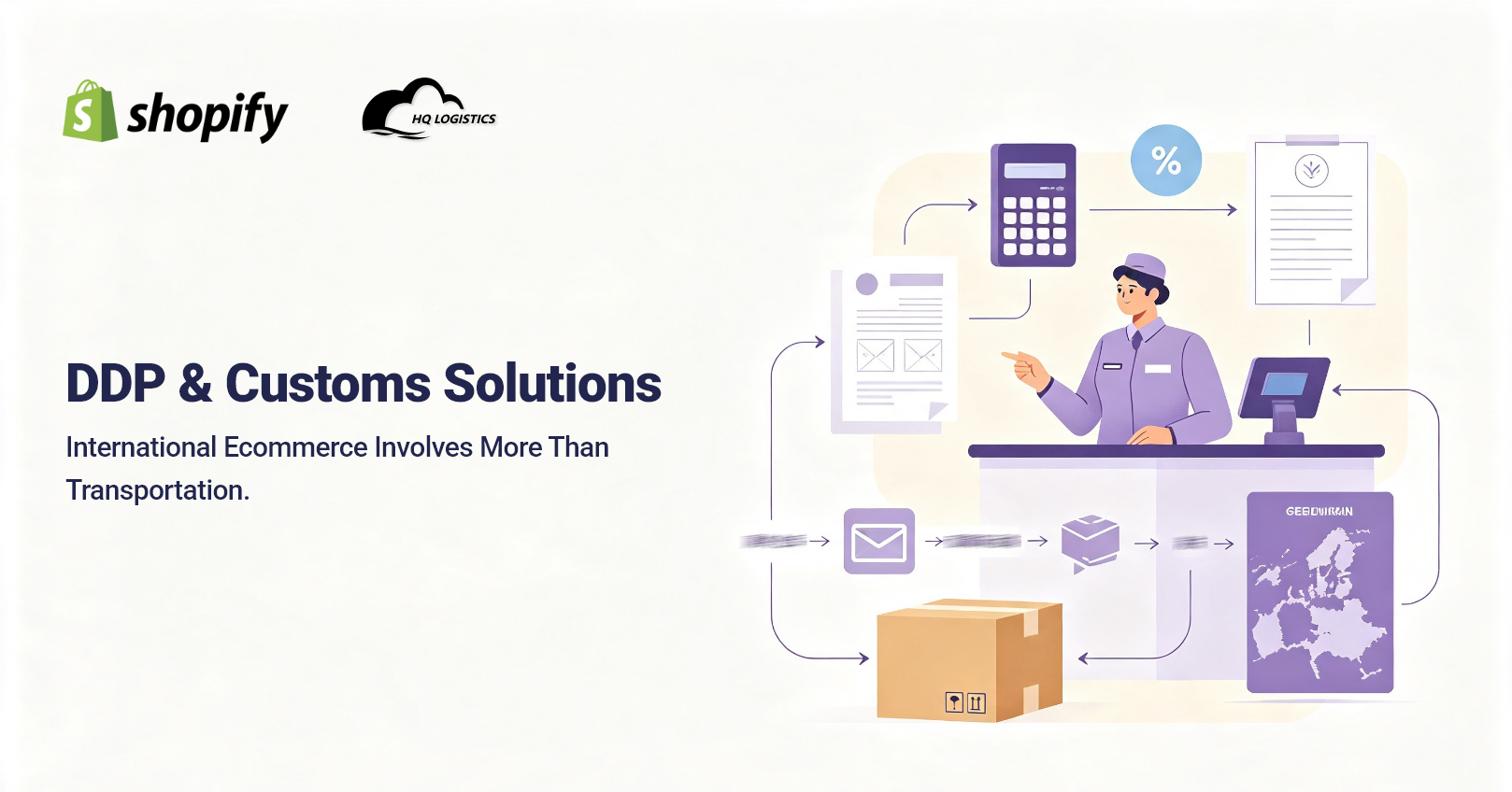
10. Data & Supply Chain Optimization
This is one of the biggest differences between traditional fulfillment and 4PL.
A 4PL partner looks at operational data to identify opportunities for improvement.
For example:
Product A
Low sourcing cost | High shipping cost | High sales volume
→ Optimize packaging and shipping channel.
Product B
Higher supplier cost | Low return rate | Strong repeat purchases
→ Maintain supplier and prioritize inventory.
Product C
Low sales | High storage cost
→ Reduce purchasing and optimize inventory.
The goal is continuous optimization rather than simply processing more orders.
Why Growing Shopify Brands Need More Than a 3PL
A small store may only need basic fulfillment.
But as a business grows, complexity increases.
You may have:
10 orders/day → 50 orders/day → 500 orders/day → 5,000+ orders/day
At each stage, the supply chain becomes more difficult to manage.
More products mean more suppliers.
More suppliers mean more purchasing decisions.
More customers mean more shipping channels.
More markets mean more customs and tax requirements.
Eventually, managing everything separately becomes inefficient.
This is where an integrated 4PL model becomes valuable.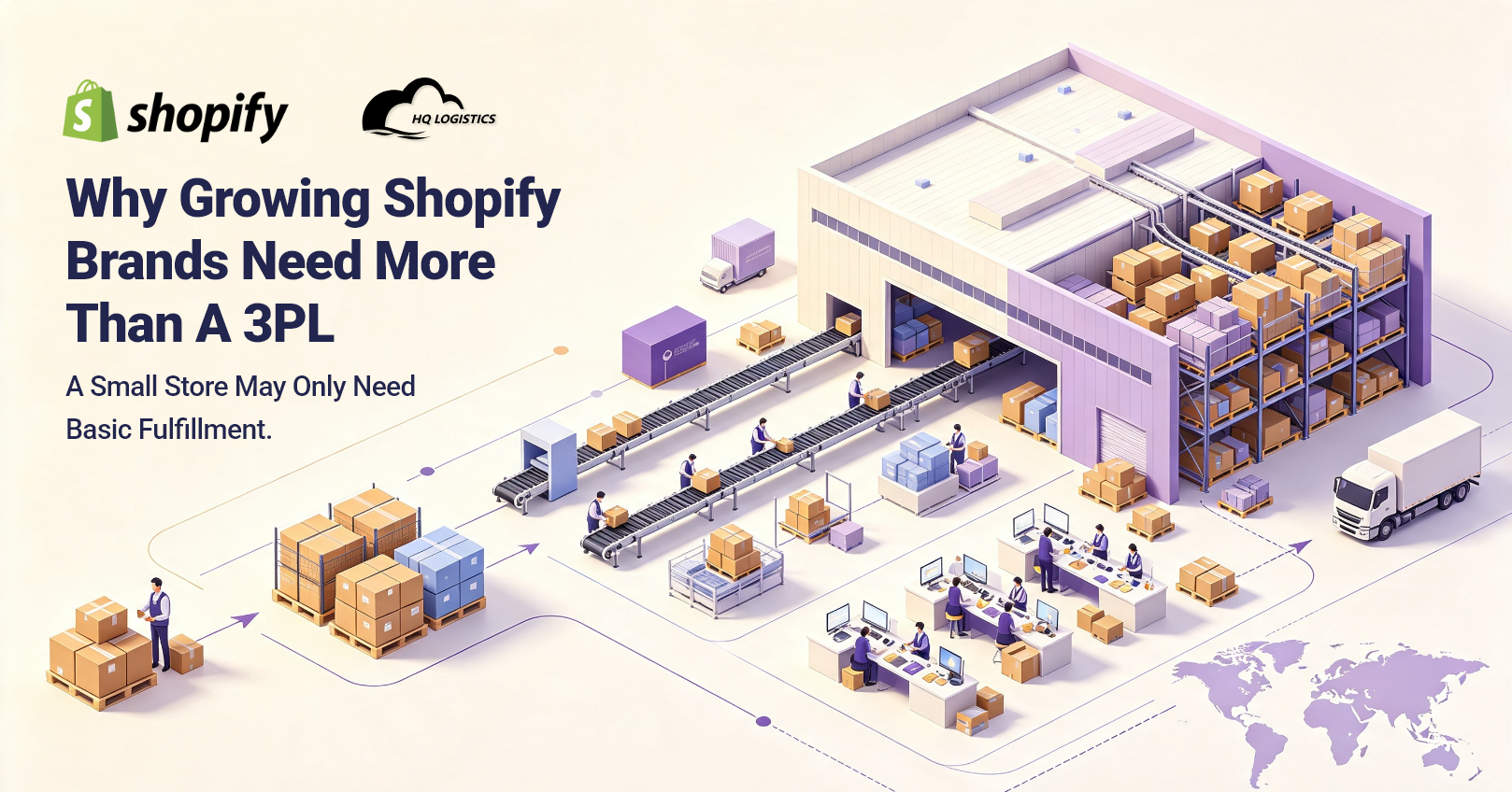
How HQ LOGISTICS Supports the 4PL Model
HQ LOGISTICS is evolving beyond traditional fulfillment to provide an end-to-end supply chain solution for ecommerce brands.
Our capabilities include:
Product Sourcing | Supplier Management | Purchasing | Sample Inspection & Quality Control | Inventory Management | Warehousing | Order Fulfillment | Global Shipping | DDP Solutions | Data & Optimization
From Supplier Management to Customer Delivery
The biggest advantage of an end-to-end supply chain partner is coordination.
Instead of managing:
Supplier A + Supplier B + Warehouse + Fulfillment Provider + Shipping Agent + Customs Provider
separately, brands can work with one integrated partner.
The process becomes:
Customer Demand → Supply Chain Planning → Product Sourcing → Supplier Management → Purchasing → QC → Inventory → Warehousing → Fulfillment → Shipping → Customer Delivery → Data Analysis & Optimization
Every stage connects to the next.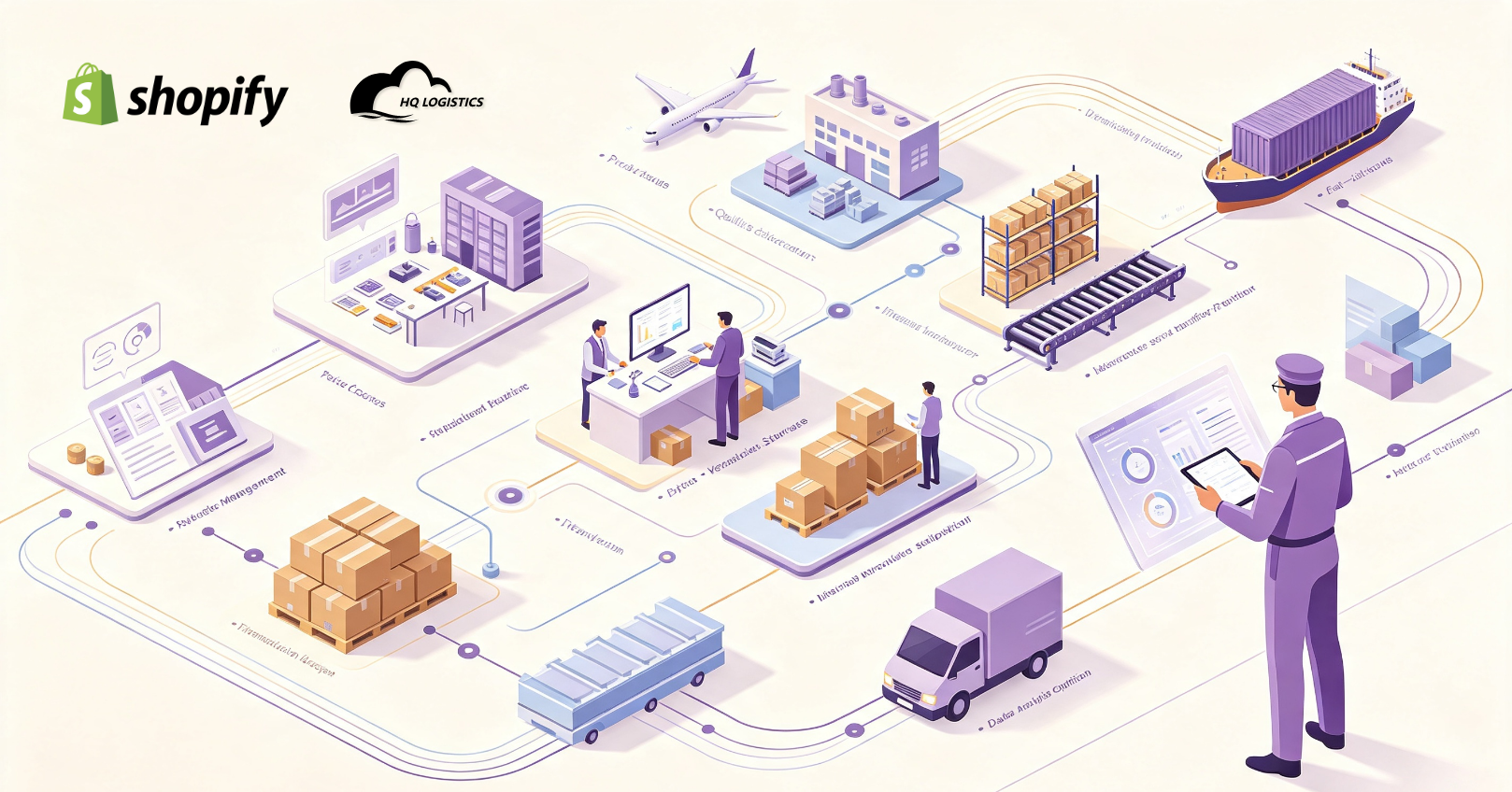
What Can a 4PL Partner Help Ecommerce Brands Improve?
A well-managed supply chain can help brands work toward:
Lower Total Costs
Optimize product sourcing, inventory, packaging, and logistics.
Better Inventory Stability
Reduce stockout and replenishment risks.
Faster Fulfillment
Improve order processing and warehouse efficiency.
More Flexible Shipping
Choose different channels according to product and destination.
Better Customer Experience
Improve delivery stability, tracking, and after-sales support.
More Efficient Operations
Reduce the need to coordinate multiple suppliers and logistics providers.
3PL Executes. 4PL Optimizes.
The difference can be summarized simply:
Traditional 3PL
“Give us your products, and we'll ship them.”
4PL
“Let's build and optimize the supply chain behind your business.”
A 3PL is primarily focused on execution.
A 4PL takes a broader view of:
Cost + Suppliers + Inventory + Fulfillment + Logistics + Data
For growing ecommerce brands, this broader perspective can become a significant competitive advantage.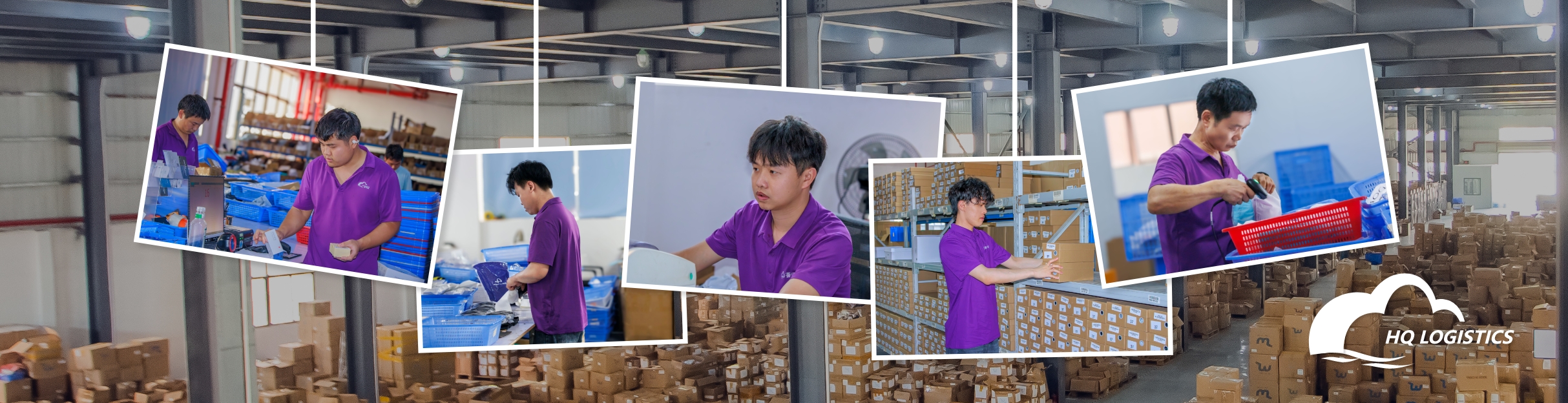
FAQ
What is a 4PL?
A 4PL, or fourth-party logistics provider, manages and coordinates multiple parts of a company's supply chain rather than focusing only on warehousing and fulfillment.
What is the difference between 3PL and 4PL?
A 3PL primarily executes logistics operations such as warehousing, picking, packing, and shipping. A 4PL takes a broader management and optimization role across the supply chain.
Is 4PL suitable for Shopify sellers?
It can be especially valuable for growing Shopify brands managing multiple suppliers, products, markets, warehouses, and shipping channels.
Does 4PL replace suppliers?
Not necessarily. A 4PL coordinates and optimizes supplier relationships while helping brands select and manage suitable suppliers.
Can a 4PL partner manage international shipping?
Yes. A 4PL can coordinate multiple logistics channels and help select solutions based on product, destination, cost, and delivery requirements.
Ecommerce fulfillment is no longer just about storing products and shipping orders.
As Shopify brands grow, their supply chains become increasingly complex.
The next stage is moving from:
Fulfillment → Supply Chain Management → Supply Chain Optimization
At HQ LOGISTICS, we aim to become more than a fulfillment provider.
Helping ecommerce brands build a more efficient, flexible, and scalable business.
Your End-to-End Supply Chain Partner
HQ LOGISTICS supports ecommerce brands with:
More Than Fulfillment. We Manage the Supply Chain Behind Your Growth.