China National Day & Mid-Autumn Festival 2026: How to Prepare Your Inventory
China National Day & Mid-Autumn Festival 2026: How to Prepare Your Inventory
For ecommerce brands sourcing products from China, the weeks before China's National Day and Mid-Autumn Festival can be critical for inventory planning.
In 2026, the Mid-Autumn Festival holiday runs from September 25 to 27, while the National Day holiday runs from October 1 to 7.
For Shopify brands that rely on Chinese suppliers, sourcing agents, manufacturers, or fulfillment providers, this means one thing:
Your Q4 inventory should not be planned at the last minute.
The biggest risk is not simply that warehouses may be closed during holidays.
The bigger risk is that your products may not be manufactured, inspected, packed, or shipped on your normal schedule before the holiday period.
If your best-selling product runs out of stock during this period, replenishment can take longer than usual.
So what should you stock up on?
And how much inventory should you prepare?
Let's break it down.
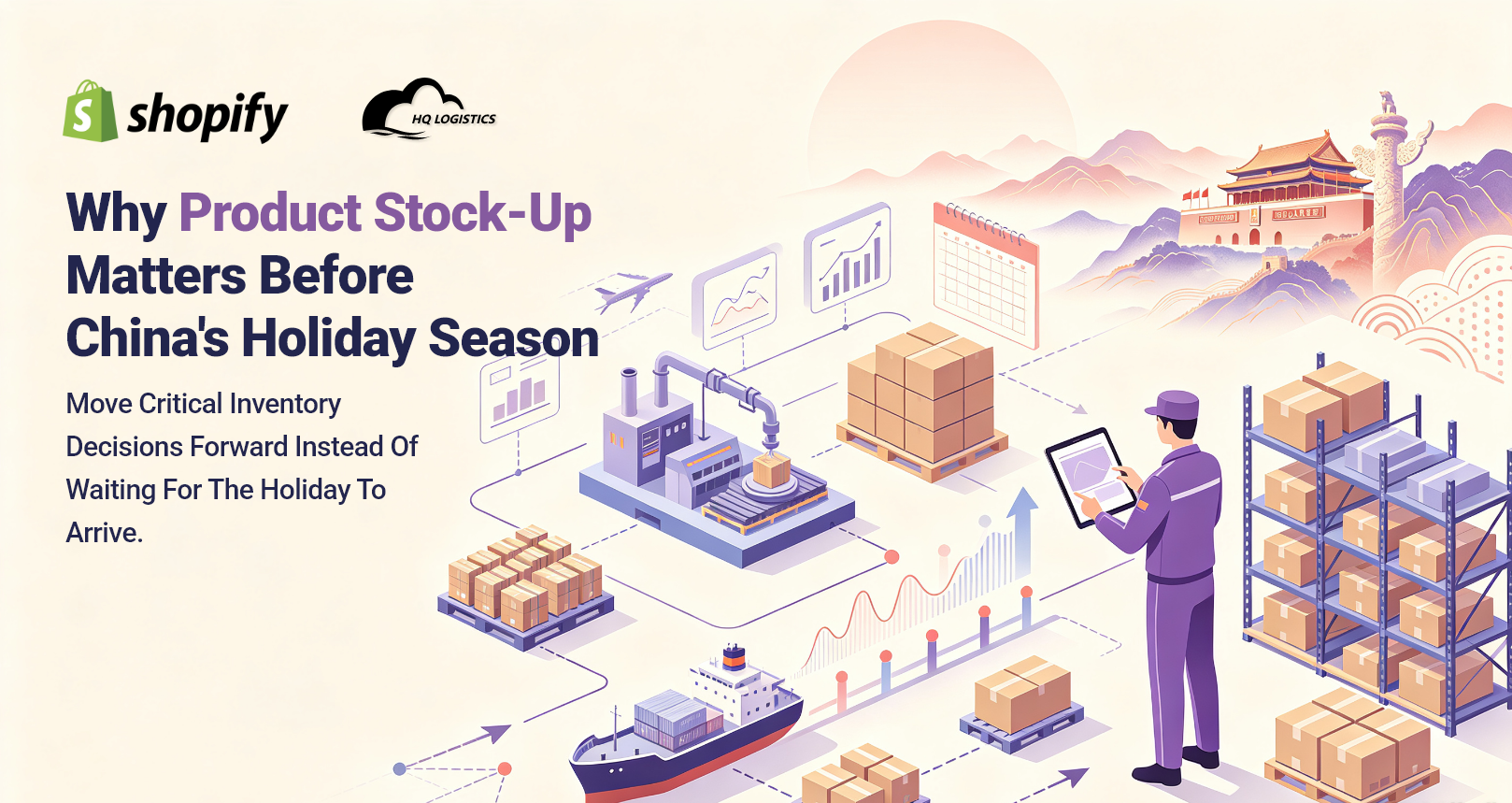
Why Product Stock-Up Matters Before China's Holiday Season
China's National Day and Mid-Autumn Festival are important periods for manufacturers, suppliers, logistics providers, and other businesses across China.
For ecommerce sellers sourcing from China, holiday planning can affect:
Product production | Supplier response times | Quality inspections | Packaging production | Inventory replenishment | Freight arrangements | Warehouse operations | International shipping
This does not mean every supplier or logistics provider will completely stop operating.
However, relying on normal production and shipping timelines during a major holiday period creates unnecessary inventory risk.
For Shopify brands, the best strategy is simple:
Move critical inventory decisions forward instead of waiting for the holiday to arrive.
What Products Should You Stock Up On?
Not every SKU needs the same level of preparation.
The smartest approach is to prioritize products based on sales performance, seasonality, margin, lead time, and replenishment difficulty.
Here are the products that deserve the most attention.
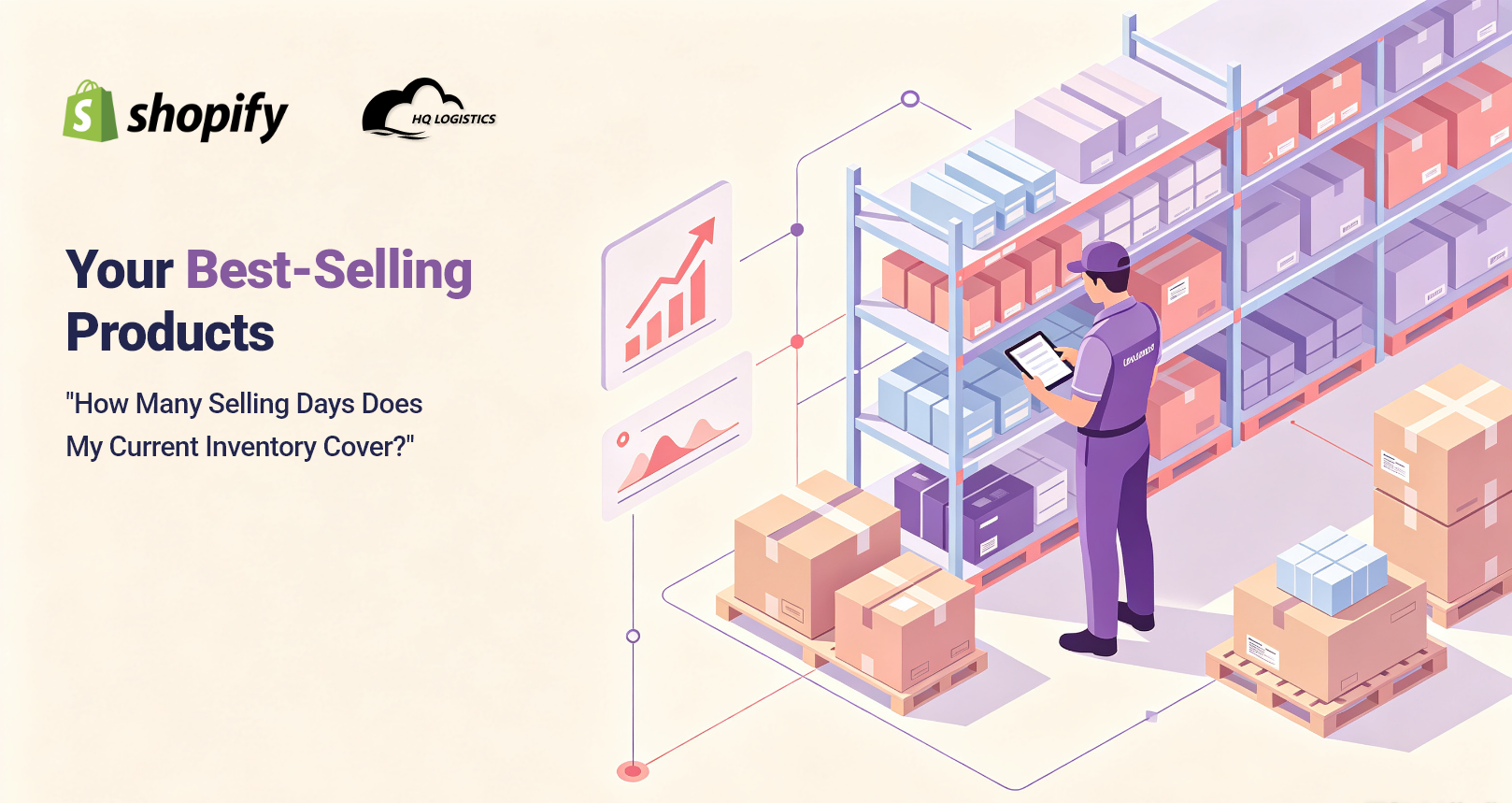
1. Your Best-Selling Products
Your best sellers should always be the first products you review.
Look at the last 30, 60, and 90 days of sales and identify:
Consistent best sellers | Fast-growing products | Products with repeat purchases | Products frequently included in promotions | Products with low current inventory | Products with long replenishment times
If a product is already selling consistently, the risk of running out of stock during the China holiday period is much higher than for a slow-moving SKU.
Example
If a Shopify store sells:
100 units per week
and currently has:
300 units in stock
the business has roughly three weeks of inventory before considering other factors.
If replenishment becomes slower during the holiday period, that may not provide enough protection.
The key question is not:
"How much inventory do I have?"
It is:
"How many selling days does my current inventory cover?"
2. Q4 Seasonal Products
The China holiday period comes just before one of the most important sales seasons of the year.
For many Shopify brands, Q4 includes:
Halloween | Black Friday | Cyber Monday | Christmas | New Year promotions
This makes the period especially important for seasonal products.
Examples include:
Halloween Products
Costumes | Party decorations | LED accessories | Pet costumes | Halloween home décor | Makeup accessories

Black Friday & Christmas Products
Giftable accessories | Home products | Beauty tools | Consumer electronics accessories | Jewelry | Bags | Toys | Pet products
If you plan to promote a seasonal product in October, November, or December, waiting until the product starts selling before replenishing it can be risky.
Seasonal inventory should be planned before demand peaks.

3. Products With Long Production Lead Times
Some products require much more preparation than others.
Pay special attention to products that require:
Custom manufacturing | Custom colors | Custom sizes | Private labeling | Custom packaging | Printed boxes | Branded inserts | Special materials | Product assembly
A standard product may be sourced relatively quickly.
A customized product may require additional production and packaging time.
This means your inventory planning should consider:
Product Production Time + Quality Control + Packaging + Transportation + Fulfillment
rather than simply looking at the supplier's product lead time.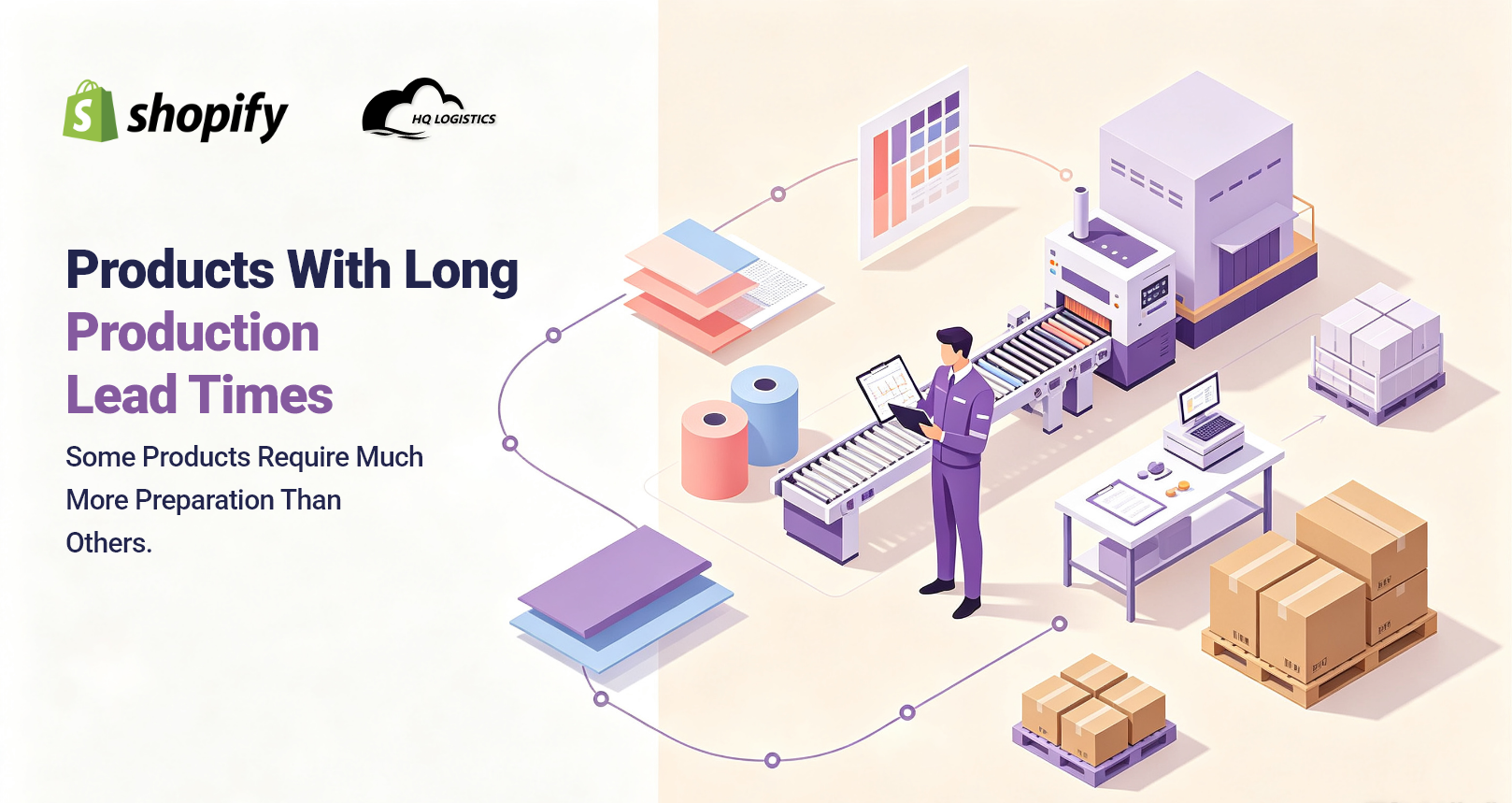
4. Products With Custom Packaging
Custom packaging deserves special attention.
If your products require:
Branded boxes | Custom mailers | Thank-you cards | Product inserts | Stickers | Printed labels | Custom tissue paper
you should check your packaging inventory separately from your product inventory.
A common mistake is:
Product is available, but packaging is not.
The product technically exists, but the order still cannot be fulfilled according to the brand's requirements.
For branded Shopify stores, packaging should therefore be treated as part of inventory planning, not as an afterthought.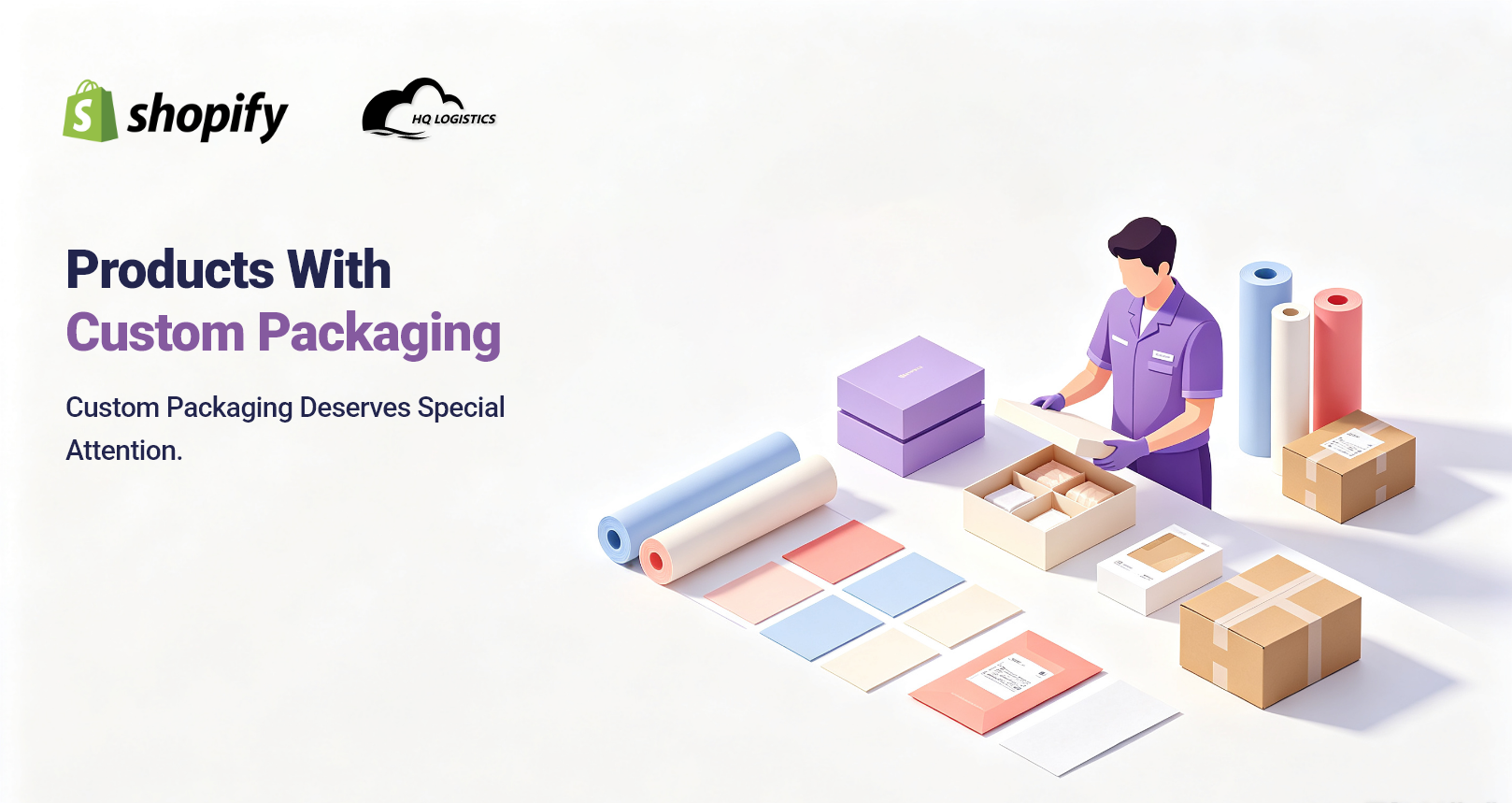
5. High-Margin Products
When inventory budget is limited, you do not necessarily need to stock every SKU equally.
Prioritize products with:
High sales velocity + Healthy margin + Reliable demand
For example:
| Product | Weekly Sales | Margin | Stock Priority |
|---|---|---|---|
| Product A | 150 | High | 🔴 High |
| Product B | 80 | High | 🔴 High |
| Product C | 30 | Medium | 🟡 Medium |
| Product D | 10 | Low | 🟢 Low |
This approach allows you to use your inventory budget more efficiently.
6. Lightweight and Easy-to-Ship Products
Shipping costs also matter when deciding what to stock.
For international ecommerce, products that are:
Lightweight | Compact | Durable | Easy to pack | Less likely to break | Less expensive to transport
can be easier to manage during periods of logistics pressure.
Examples may include:
Jewelry | Accessories | Small beauty tools | Phone accessories | Small home products | Pet accessories | Lightweight apparel accessories
This does not mean heavier products should not be stocked.
Instead, brands should evaluate their inventory value versus transportation cost before placing large replenishment orders.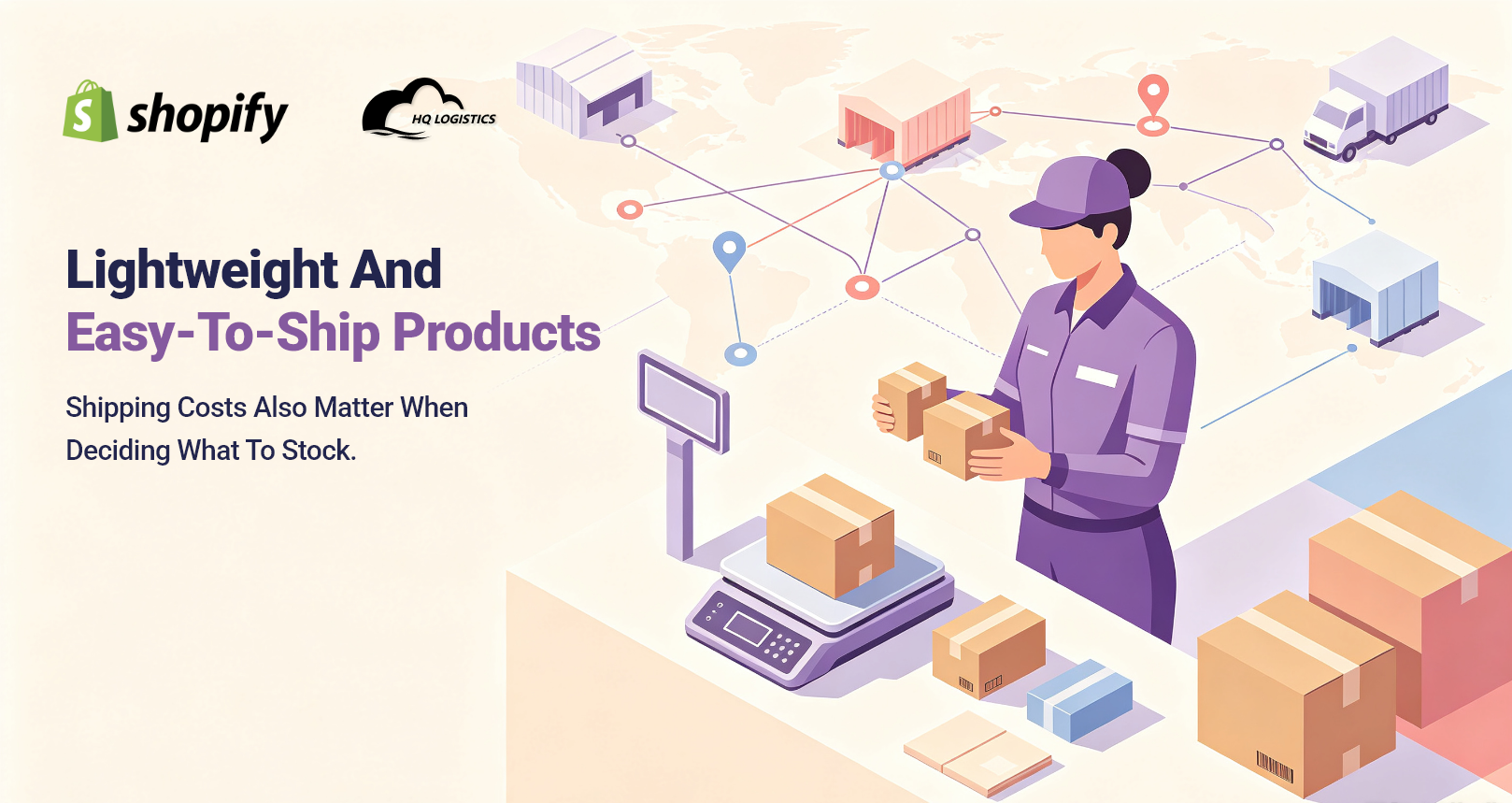
How Much Inventory Should You Prepare?
There is no universal number that works for every Shopify store.
Instead, calculate your expected demand.
A simple approach is:
Average Weekly Sales × Number of Weeks You Need to Cover = Base Inventory Requirement
Then add a safety buffer based on your product's risk level.
For example:
If a product sells:
100 units/week
and you want to cover:
6 weeks
your base requirement is:
600 units
You may then add additional safety stock depending on:
Sales growth | Supplier lead time | Product popularity | Promotional plans | Shipping uncertainty | Replenishment difficulty
The faster a product sells and the harder it is to replenish, the more important the safety buffer becomes.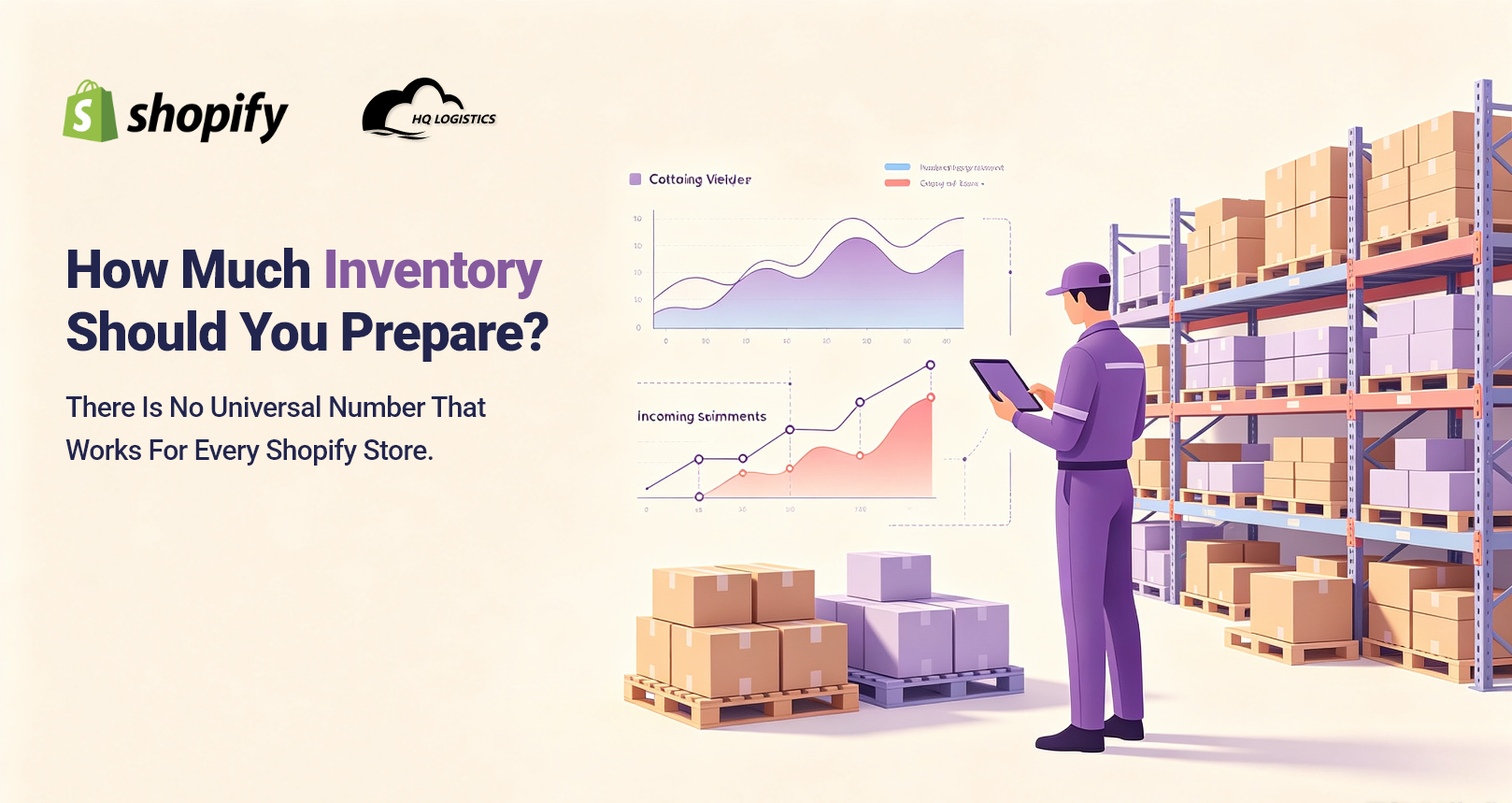
A Simple Inventory Priority System
You can divide your products into three groups.
🔴 Tier 1 — Must Stock Up
Best sellers | Fast-growing products | Q4 seasonal products | High-margin products | Products with long lead times | Products with custom packaging
These should receive the highest inventory priority.
🟡 Tier 2 — Maintain Healthy Stock
Stable sales | Moderate demand | Reliable suppliers | Shorter replenishment times
Maintain enough stock to avoid unnecessary shortages.
🟢 Tier 3 — Avoid Overstocking
Slow-moving products | Old products | Low-margin products | Products being phased out | Products with declining demand
Do not tie up too much cash in these SKUs simply because a holiday is approaching.
When Should You Place Your Inventory Orders?
Timing is one of the most important parts of your China holiday inventory plan.
Because the 2026 Mid-Autumn Festival falls on September 25–27 and National Day follows on October 1–7, brands sourcing from China should plan their critical replenishment well before the holiday period.
A practical planning schedule is:
Late August
Review your inventory | Identify best sellers | Identify Q4 products | Identify low-stock SKUs | Identify long-lead-time products | Identify custom packaging requirements
Late August to Early September
Place critical product orders | Confirm supplier production capacity | Confirm product availability | Confirm production timeline | Confirm packaging availability | Confirm quality inspection schedule
Early to Mid-September
Complete production and quality control | Move inventory toward fulfillment locations | Avoid last-minute production dependency
Mid-September
Confirm shipping and warehouse inventory | Check inventory received | Check inbound orders | Check shipping status | Check warehouse capacity | Check product allocation
Before September 25
Have critical inventory ready | Do not depend on last-minute replenishment for key products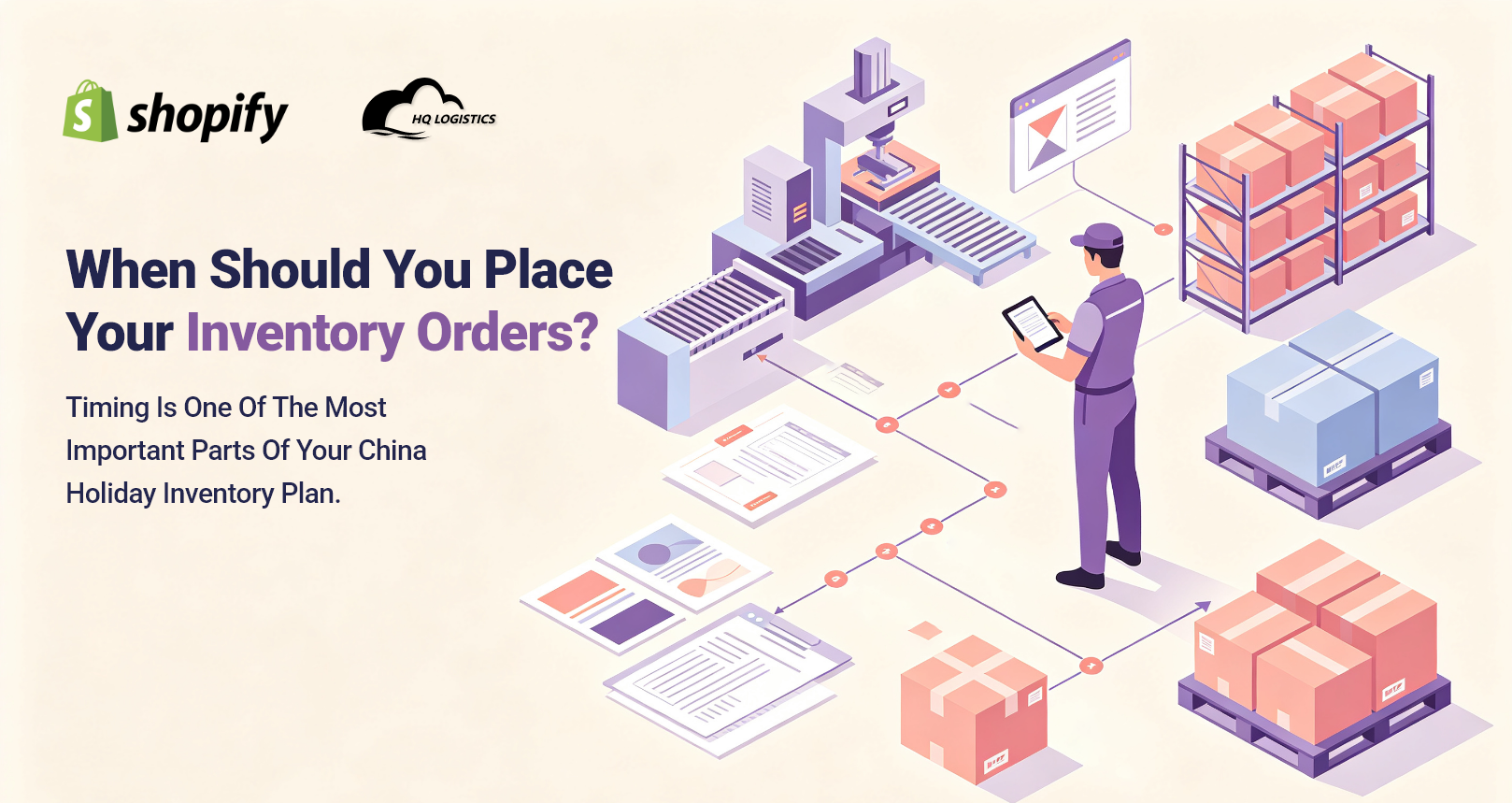
Don't Forget Your Q4 Product Pipeline
The China holiday period is not only about existing best sellers.
It is also a good time to review your Q4 product pipeline.
If you are planning to launch a new product for:
Halloween | Black Friday | Cyber Monday | Christmas
you should consider the entire timeline:
Product Sourcing → Supplier Confirmation → Sample → Quality Check → Customization → Packaging → Production → Warehouse → Fulfillment → Customer
The earlier you start, the more room you have to handle unexpected delays.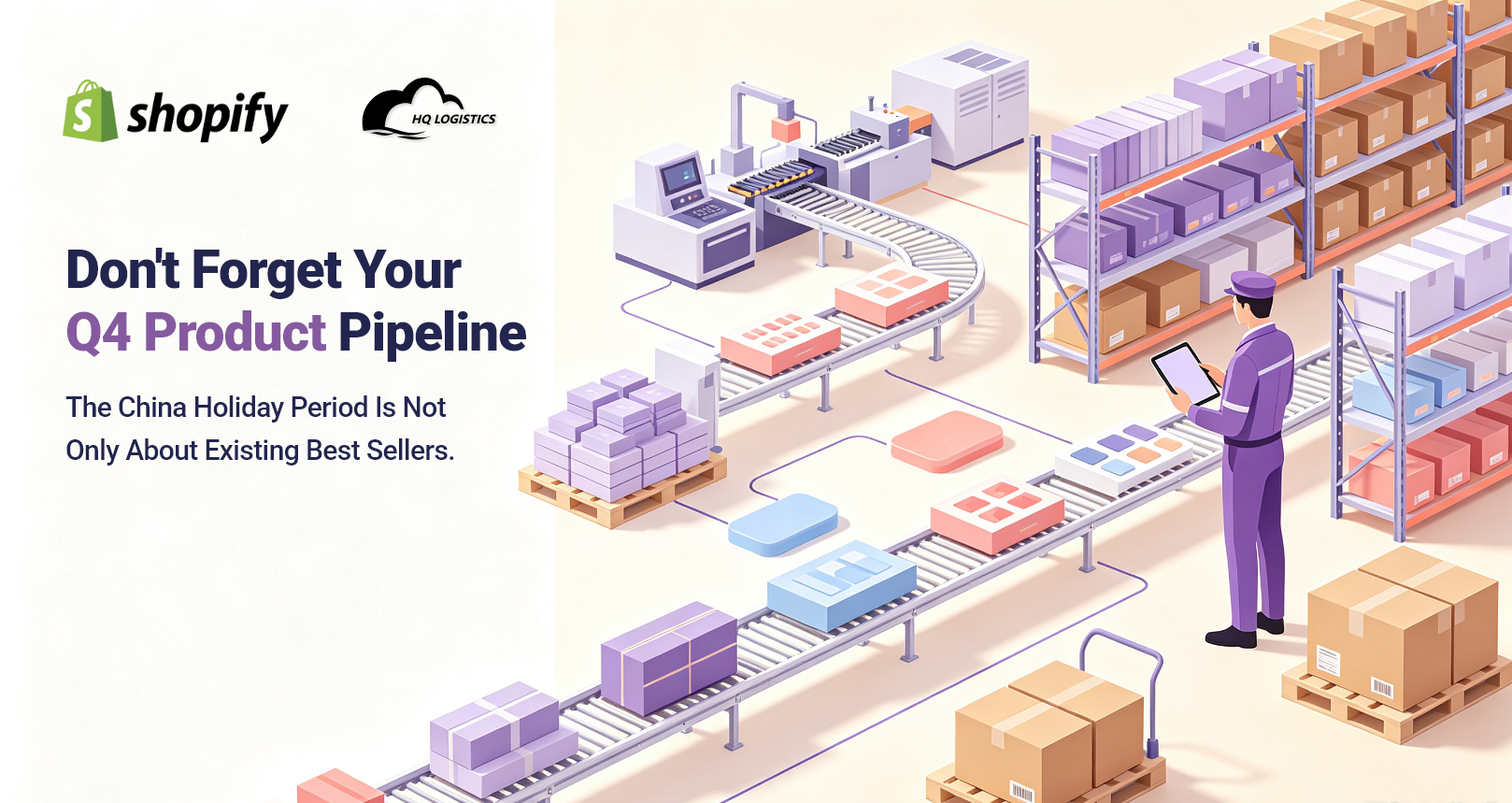
What Shopify Brands Should Check Before Placing a Stock-Up Order
Before ordering hundreds or thousands of units, review each product against these questions.
Product Demand
Supplier
Is the supplier still producing the product?
What is the current production lead time?
Can they support a larger order?
Are materials available?
Product Quality
Has the product been inspected?
Have there been recent quality issues?
Does the supplier need additional QC?
Packaging
Is branded packaging available?
Are labels and inserts ready?
Is additional packaging production required?
Logistics
How will the inventory reach your warehouse?
How long will transportation take?
Which shipping route should be used?
Fulfillment
Which warehouse should hold the inventory?
How much stock should be allocated to each market?
Is your WMS updated?
This checklist can prevent a common problem:
Buying enough products—but not having them ready to sell.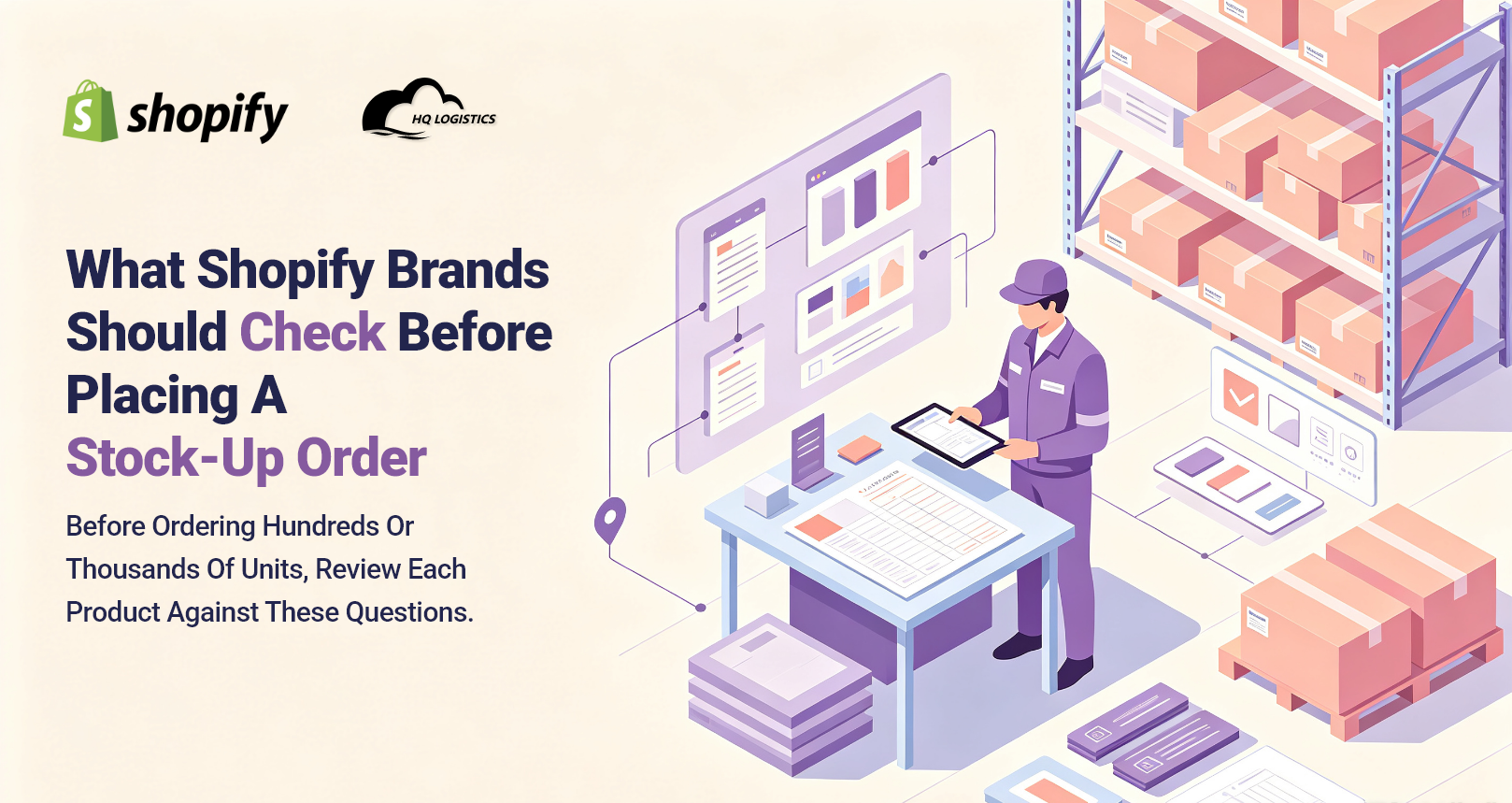
Don't Stock Up on Everything
More inventory does not automatically mean better preparation.
Overstocking can create:
Cash flow pressure | Storage costs | Slow-moving inventory | Product obsolescence | Higher handling costs
The goal is not:
Buy as much as possible before the holiday.
The goal is:
Stock the right products at the right quantity before the supply chain becomes less flexible.
A data-driven inventory strategy is much safer than simply placing a large blanket order.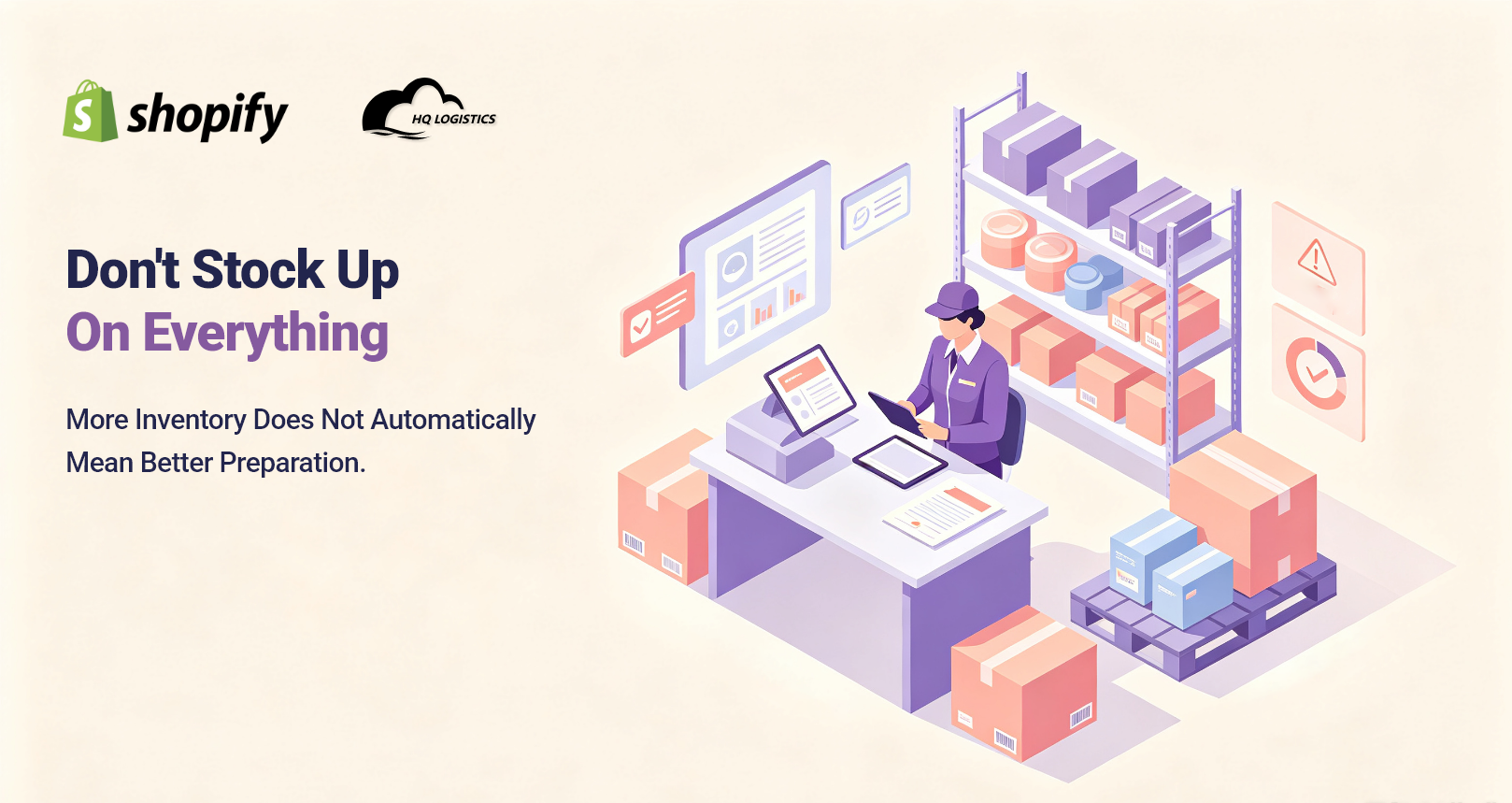
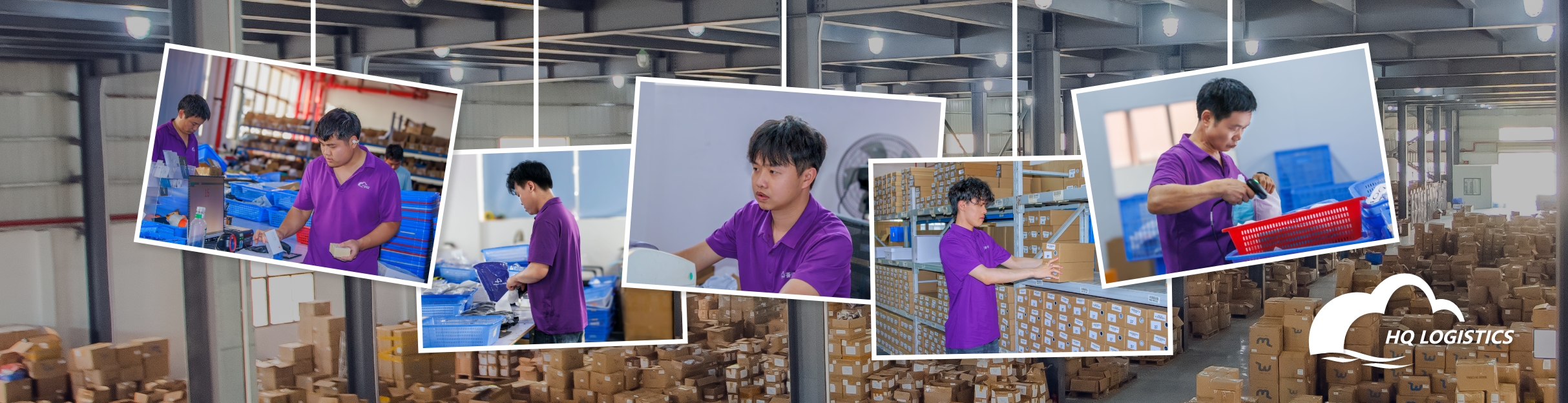
How a Fulfillment Partner Can Help
Preparing inventory for China's National Day and Mid-Autumn Festival involves more than purchasing products.
A fulfillment partner can help coordinate:
Product Sourcing
Find suitable suppliers and confirm product availability.
Quality Control
Inspect products before they enter inventory.
Warehousing
Receive, organize, and store inventory.
Inventory Management
Monitor stock levels and identify products that require replenishment.
Custom Packaging
Prepare branded packaging, inserts, labels, and other materials.
Order Fulfillment
Process Shopify orders automatically once inventory is available.
International Shipping
Choose suitable shipping solutions based on destination, cost, and delivery requirements.
For brands sourcing from China, having these processes connected can make holiday inventory planning much easier.
China's National Day and Mid-Autumn Festival do not have to become a supply chain problem for Shopify brands.
The biggest mistake is waiting until inventory becomes low before taking action.
Instead, start with your products.
Identify your best sellers.
Review your Q4 product pipeline.
Prioritize high-demand and long-lead-time SKUs.
Calculate how many weeks of inventory you need.
Then work backward from your sales calendar to determine when products need to be sourced, produced, inspected, shipped, and received.
For brands sourcing from China, early product preparation is one of the simplest ways to reduce the risk of stockouts during the holiday season.
The goal is not simply to have more inventory.
It's to have the right products, in the right quantities, in the right warehouse, before your customers need them.
FAQ
When is China's National Day holiday in 2026?
China's National Day holiday is scheduled for October 1–7, 2026. The official schedule also designates September 20 and October 10 as adjusted working days.
When is the Mid-Autumn Festival in China in 2026?
The 2026 Mid-Autumn Festival holiday is scheduled for September 25–27.
What products should Shopify brands stock up on before China's National Day?
Prioritize best-selling products, fast-growing SKUs, Q4 seasonal products, high-margin items, products with long production lead times, and products requiring custom packaging.
How much inventory should I stock before China Golden Week?
Start with your average weekly sales and calculate how many weeks of inventory you need to cover. Then add a safety buffer based on sales growth, supplier lead time, promotions, and replenishment difficulty.
When should I place my China inventory order?
For critical products, avoid waiting until the holiday is close. For Q4 inventory, Shopify brands should review demand and confirm production well in advance, especially for customized products and products with longer production lead times.