From China to US Warehousing: How HQ 4PL Helps Brands Prepare for Peak Season
From China to US Warehousing: How HQ 4PL Helps Brands Prepare for Peak Season
Peak season can make or break an ecommerce brand.
For Shopify sellers, the months around Black Friday, Cyber Monday, Christmas, and holiday shopping often bring a sharp increase in order volume. More orders mean more inventory pressure, faster fulfillment requirements, and greater risks of stockouts or delivery delays.
The challenge is that peak-season preparation cannot start when orders begin increasing.
It needs to start weeks or even months earlier.
For brands sourcing products from China and selling to customers in the United States, this means coordinating multiple steps:
Product Sourcing → Inventory Planning → Quality Control → China Warehouse → International Transportation → US Warehouse → Fulfillment → Last-Mile Delivery
This is where 4PL supply chain management can provide a different approach.
Instead of simply storing and shipping products, HQ 4PL helps brands plan the supply chain from upstream inventory to downstream delivery.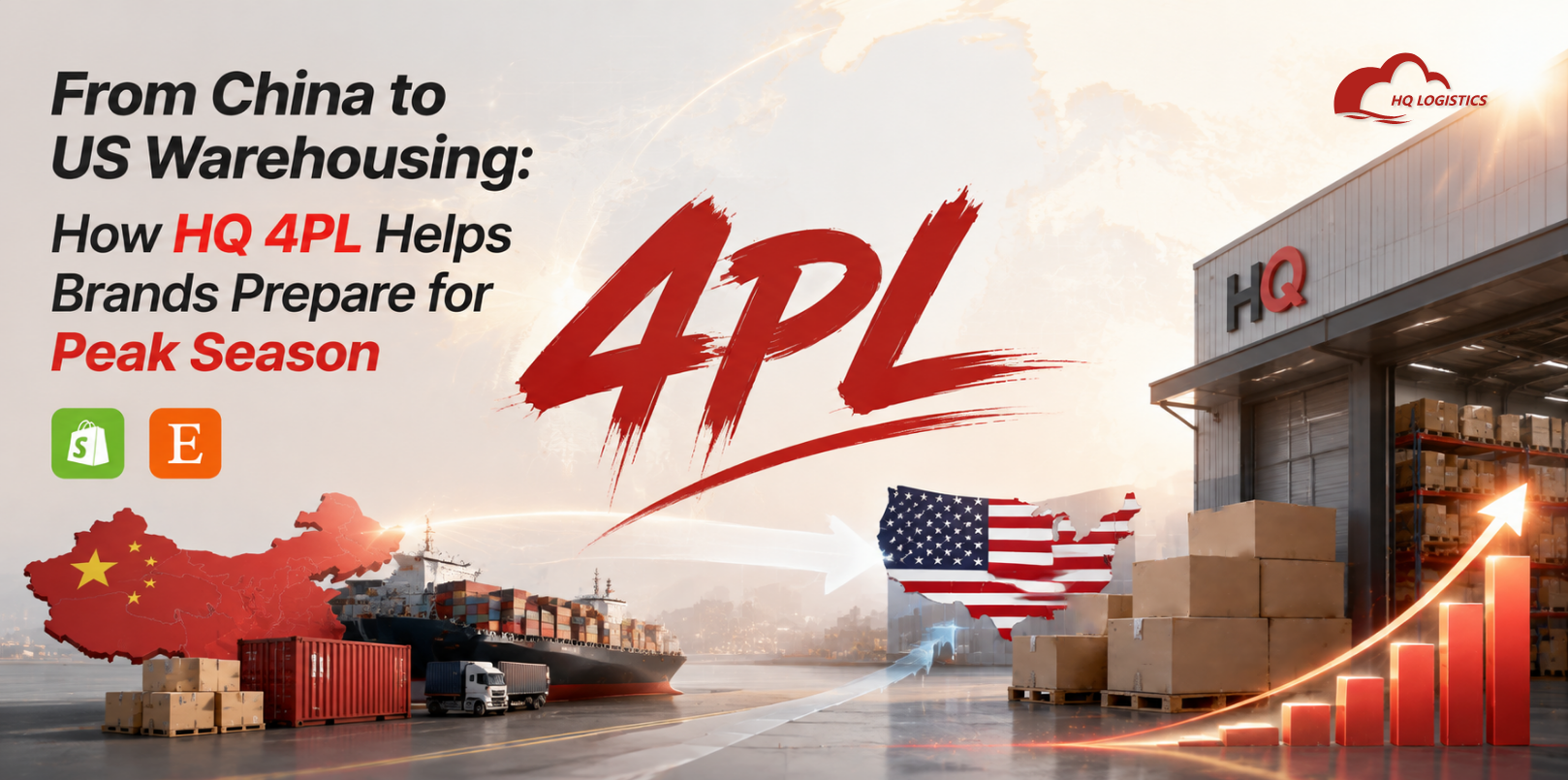
Why Peak Season Requires More Than a US Warehouse
A US warehouse can help brands fulfill orders faster, but warehousing alone does not solve every peak-season problem.
Imagine a Shopify brand selling 500 orders per day during normal months.
During Black Friday and Christmas, demand suddenly increases to:
500 → 1,000 → 2,000+ Orders/Day
If inventory is still sitting in China, faster US fulfillment does not help.
The real problem happened before the order reached the warehouse.
Peak-season success therefore depends on getting the right products to the right warehouse before demand peaks.
That requires:
Demand Forecasting | Inventory Planning | Sourcing | Transportation | Warehouse Allocation | Fulfillment Capacity
1. Start With Demand Forecasting
The first step is understanding what customers are likely to buy.
Instead of stocking every SKU equally, brands should identify:
Best Sellers | Fast-Growing Products | Seasonal Products | High-Margin SKUs | Long-Lead-Time Products
Historical sales data can provide a starting point.
For example:
If a product normally sells 100 units per week, but sales increased to 150 units per week during the previous holiday season, the brand should not plan peak inventory based only on its normal sales volume.
The goal is to estimate:
Expected Peak Demand + Safety Stock − Existing Inventory = Required Replenishment
This allows brands to make inventory decisions before the peak begins.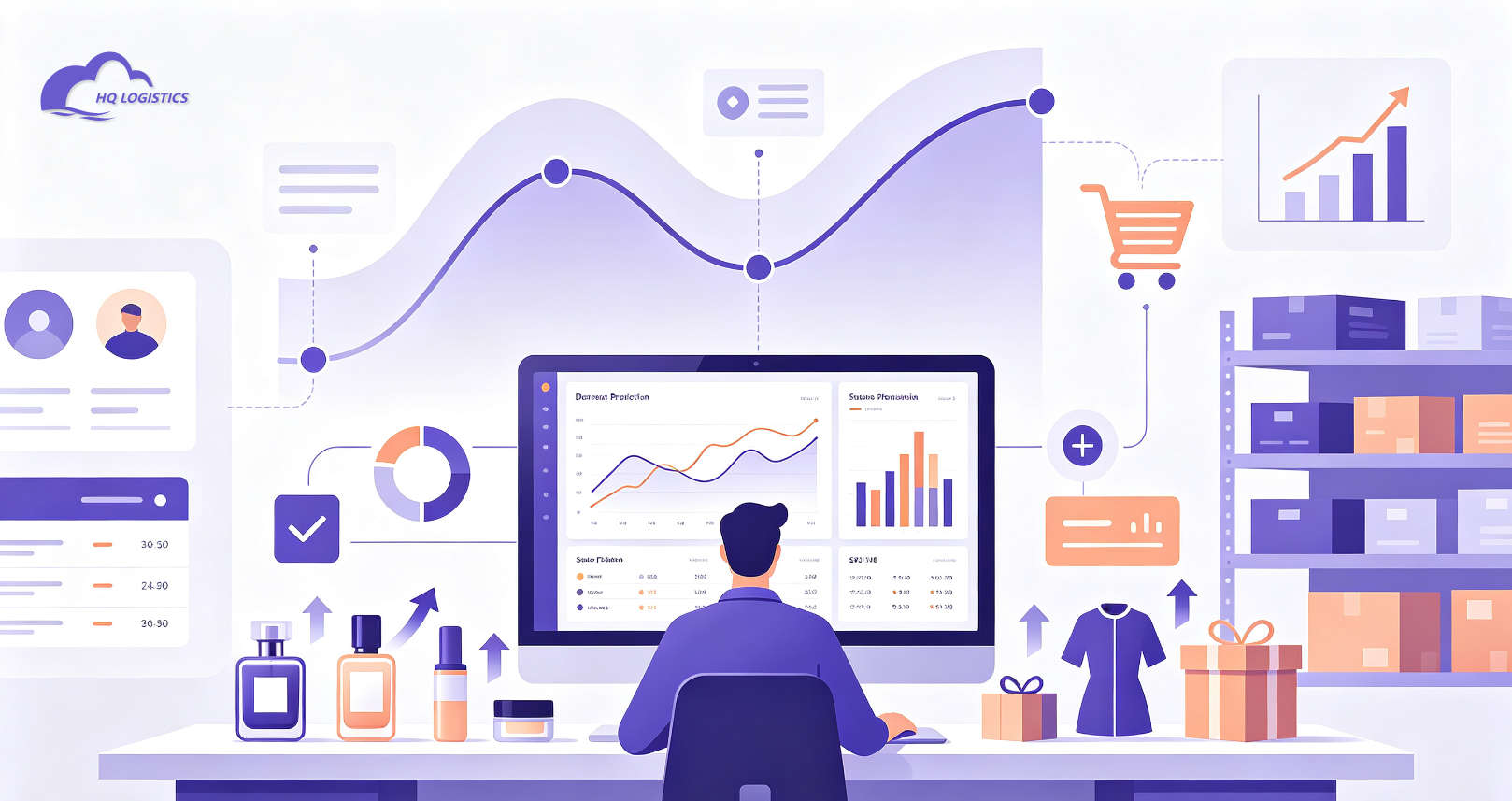
2. Source Products in China Before Demand Peaks
For brands sourcing from China, supplier lead times are an important part of peak-season planning.
The supply chain may include:
Supplier Production → Quality Inspection → China Warehouse → Consolidation → International Freight → Customs → US Warehouse
Each stage takes time.
If a brand waits until inventory is nearly sold out before placing a replenishment order, there may not be enough time to move products into the US.
HQ 4PL helps brands plan upstream inventory based on expected downstream demand.
This means the question changes from:
“We are running out of stock. How quickly can we ship?”
to:
“What inventory should we move to the US before demand increases?”
That shift from reactive shipping to proactive planning is one of the key benefits of a 4PL approach.
3. Consolidate Inventory Before International Transportation
Sending small shipments repeatedly can create unnecessary transportation costs and operational complexity.
For peak-season inventory, brands can consider consolidating products in China before moving them to the US.
A typical flow can be:
Multiple Suppliers → HQ China Warehouse → Quality Control → Inventory Consolidation → US Transportation → US Warehouse
This allows different products or purchase orders to be coordinated before international transportation.
It can also make inventory visibility easier.
Instead of managing multiple shipments independently, the brand can have a more structured inventory movement plan.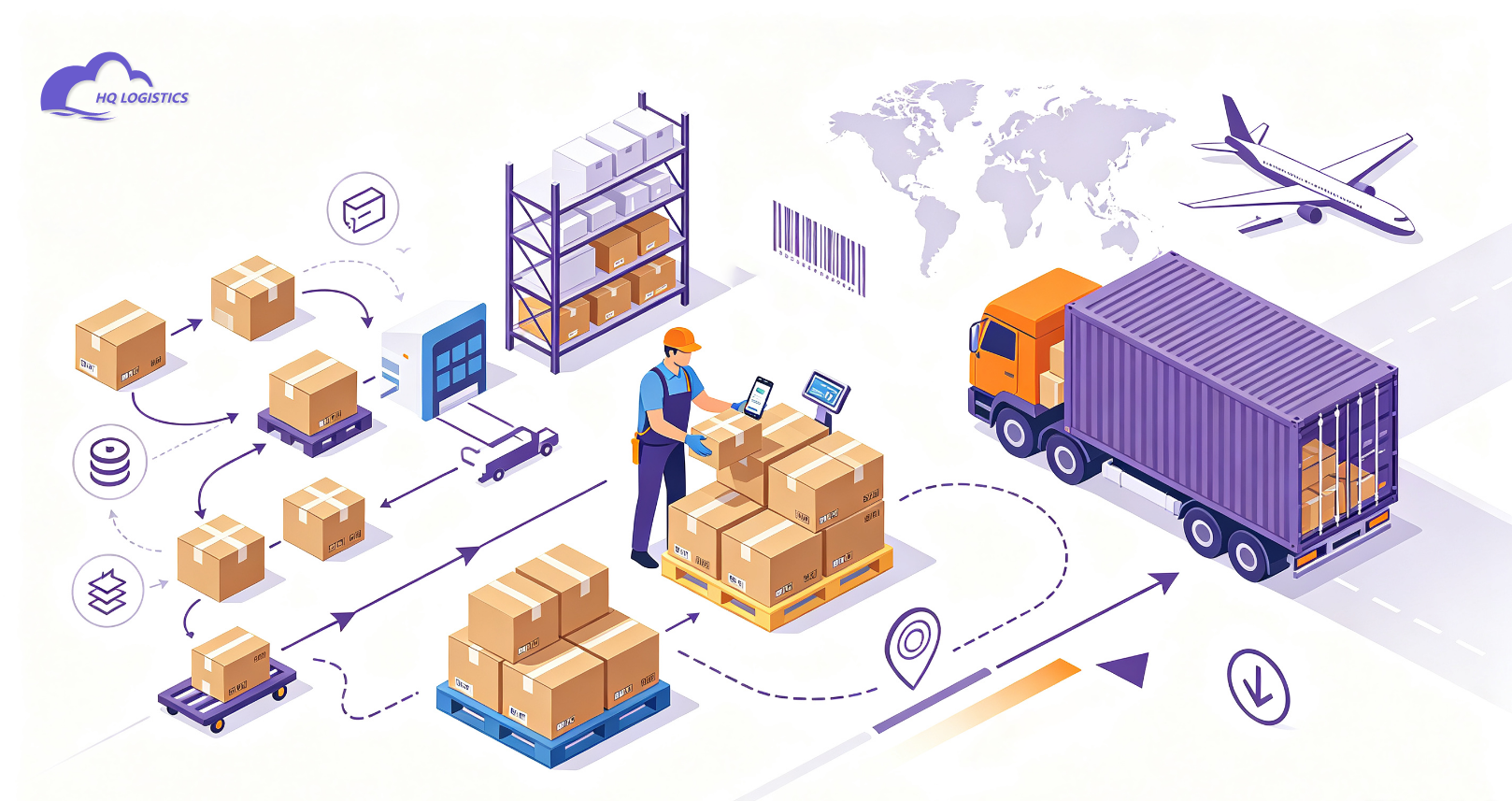
4. Move Best-Selling Products to the US Warehouse Early
One of the most important peak-season decisions is what inventory should be positioned in the US first.
Not every SKU needs the same inventory strategy.
For example:
Priority A
Best Sellers | High-Demand Products | Proven Products
Move these products into the US warehouse earlier.
Priority B
Stable Sellers | Seasonal Products
Maintain sufficient safety stock based on forecasted demand.
Priority C
New Products | Uncertain Demand | Slow-Moving SKUs
Avoid excessive inventory until sales data becomes clearer.
This approach helps brands use warehouse space and transportation budgets more efficiently.
5. Use US Warehousing to Shorten the Delivery Process
Once inventory arrives at the US warehouse, the fulfillment process becomes much closer to the customer.
The flow becomes:
Shopify Order → US Warehouse → Pick & Pack → Domestic Shipping → Customer
Compared with shipping individual orders internationally from China, US-based fulfillment can provide a more localized delivery experience.
For customers, this can mean:
Faster Delivery | More Predictable Transit | Better Tracking | Fewer Cross-Border Steps
For brands, it can also make peak-season fulfillment easier to manage.
The key is that inventory must already be in the US.
That's why US warehousing and inventory planning should be treated as one strategy, not two separate services.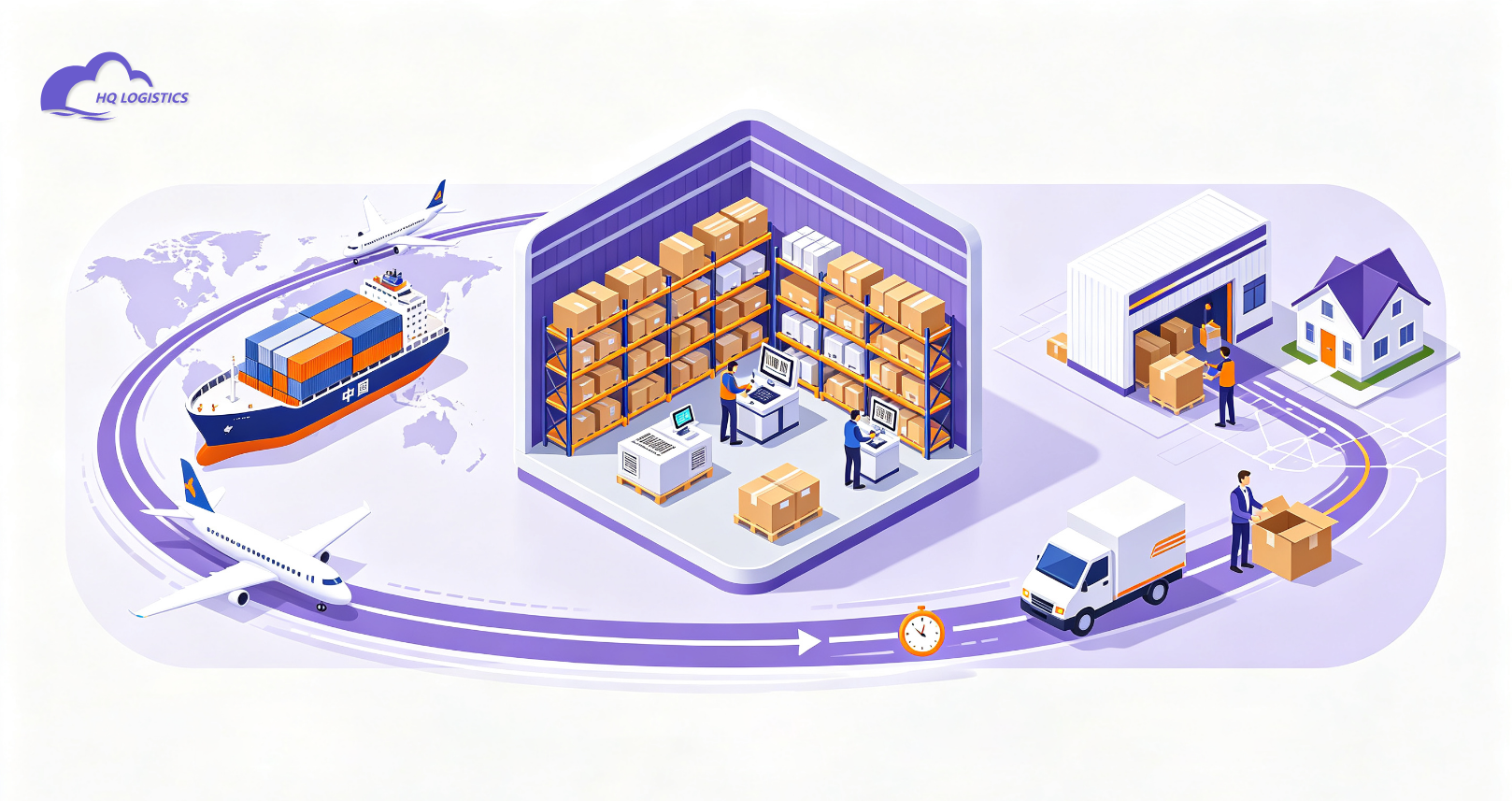
6. Connect Shopify With WMS and Fulfillment
Peak season creates more orders, but it also creates more opportunities for operational mistakes.
Manually processing hundreds or thousands of orders can quickly become difficult.
An integrated system can connect:
Shopify → Order Management → WMS → Warehouse → Shipping → Tracking
When an order is placed, the system can automatically help with:
Order Sync | Inventory Check | Warehouse Allocation | Pick & Pack | Shipment Processing | Tracking Sync
This gives brands greater visibility into inventory and order status.
For Shopify sellers, the goal is simple:
More orders should not mean more manual work.
7. Plan for Warehouse Capacity Before Black Friday
Inventory is only one side of peak-season planning.
The warehouse also needs enough operational capacity to handle increased order volume.
Brands should consider:
Daily Order Volume | SKU Count | Storage Space | Picking Capacity | Packing Capacity | Labor | Shipping Capacity
For example, a warehouse that comfortably processes 500 orders per day may need a different operating plan when order volume reaches 2,000 orders per day.
Peak-season preparation should therefore include both:
Inventory Capacity + Fulfillment Capacity
This helps prevent a situation where the products are available but the warehouse cannot process orders quickly enough.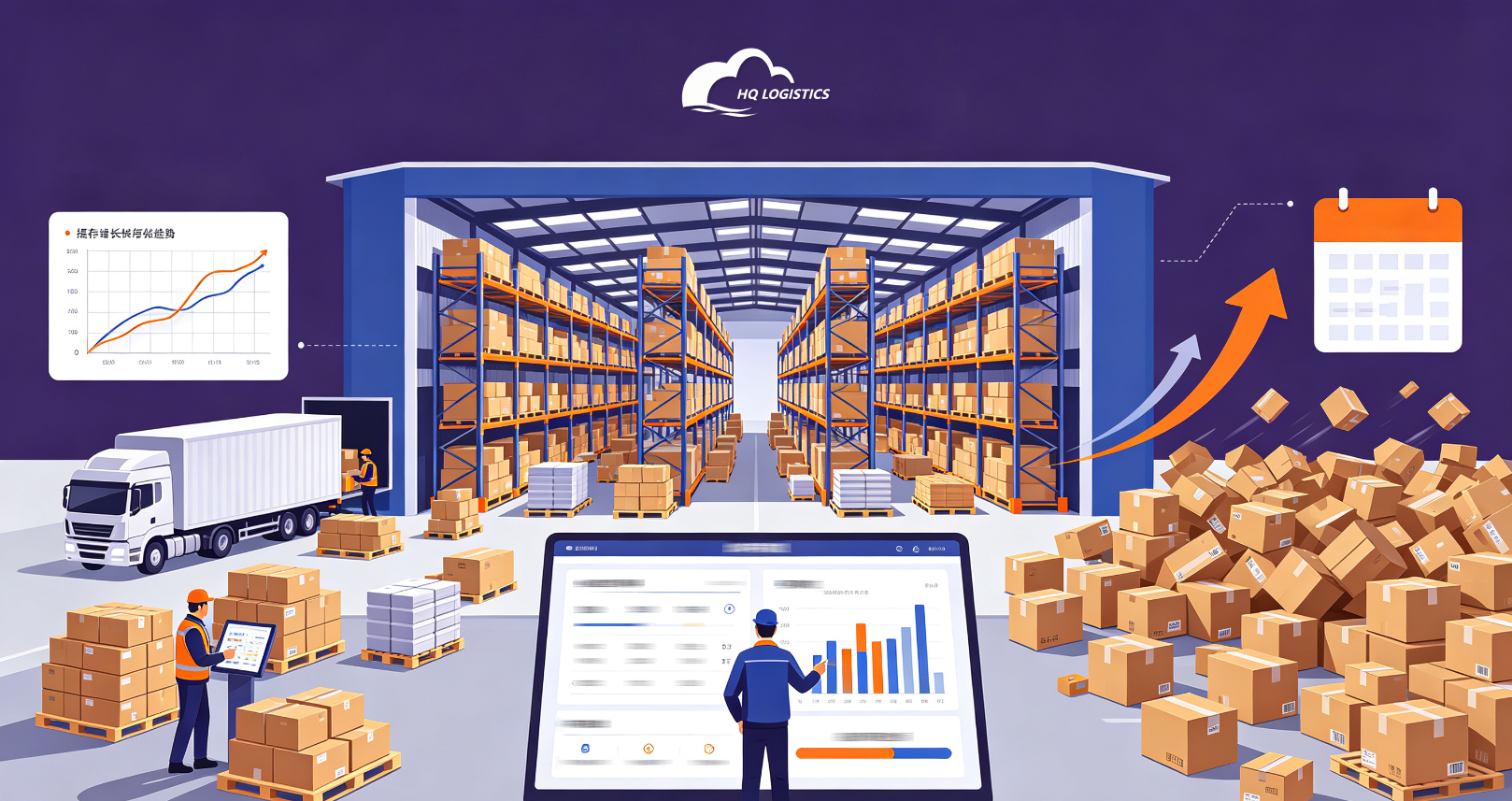
8. Build a Replenishment Plan, Not Just a One-Time Stocking Plan
A common mistake is moving one large shipment to the US and assuming the problem is solved.
Peak season is not one single sales event.
It can last for several weeks.
A better approach is to create a replenishment schedule.
For example:
Initial Stock → Peak Forecast → Safety Stock → Replenishment Trigger → Additional Shipment
Monitor:
Daily Sales | Weekly Sales | Inventory Remaining | Sales Velocity | Open Orders | Incoming Inventory
When inventory reaches a predefined threshold, the next replenishment shipment can be triggered.
This helps reduce the risk of both:
Stockouts + Overstock
9. Prepare for Black Friday and Christmas Separately
Black Friday and Christmas may both fall within peak season, but they don't necessarily create the same demand pattern.
Black Friday can generate a sharp spike in order volume.
Christmas can create a longer period of gift-related purchasing and more urgent delivery expectations.
A brand should therefore consider:
Black Friday Inventory → Cyber Monday Inventory → Christmas Inventory → Post-Holiday Inventory
Products that sell strongly during Black Friday may require immediate replenishment.
Other products may be better positioned for Christmas gifting.
Peak-season planning should therefore be dynamic rather than based on one fixed inventory number.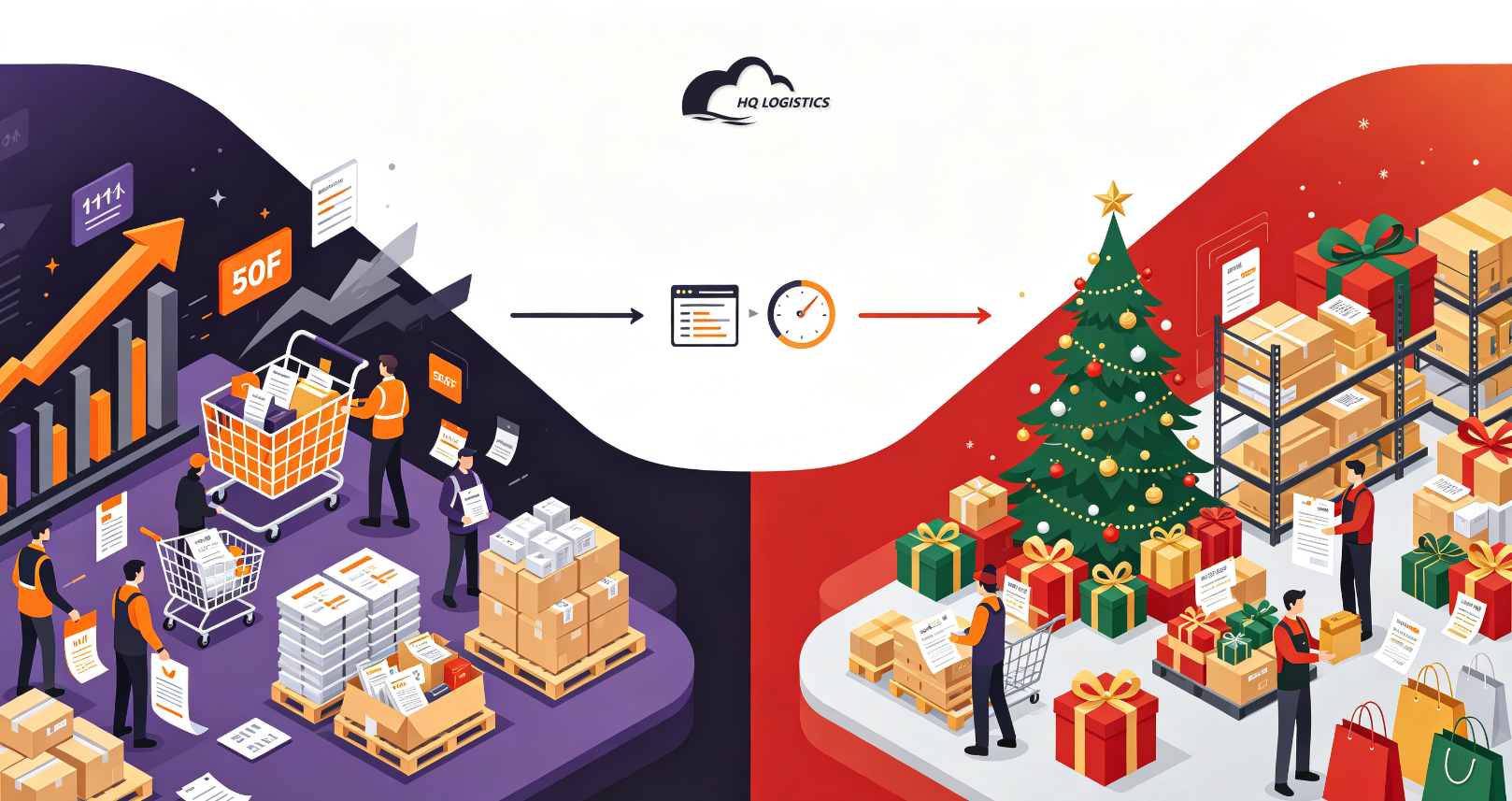
10. HQ 4PL: Managing the Supply Chain Beyond Fulfillment
Traditional 3PL services generally focus on operational activities such as:
Warehousing | Picking | Packing | Shipping
These services are important, but growing ecommerce brands may need more coordination upstream.
HQ 4PL takes a broader approach.
The supply chain can be managed as:
China Sourcing → Supplier Coordination → Inventory Planning → Quality Control → International Logistics → US Warehousing → Fulfillment → Delivery
Instead of asking the brand to coordinate multiple providers independently, the 4PL model focuses on connecting the different parts of the supply chain.
The objective is not simply to move products.
It is to help brands determine:
What to Stock | When to Stock | Where to Stock | How Much to Move | Which Shipping Route to Use | How to Fulfill
Why US Warehousing Matters During Peak Season
For US-focused Shopify brands, having inventory already positioned in the United States can provide an important operational advantage.
Consider two models.
Model A: Ship Every Order From China
Customer Order → China Warehouse → International Shipping → Customs → US Last Mile → Customer
Every order involves cross-border transportation.
Model B: Pre-Position Inventory in the US
China Sourcing → Bulk Transportation → US Warehouse → Domestic Fulfillment → Customer
Once inventory is in the US, individual customer orders can be fulfilled domestically.
The second model can be particularly valuable during peak season because the international transportation step happens before the customer places the order.
That is the fundamental logic behind inventory pre-positioning.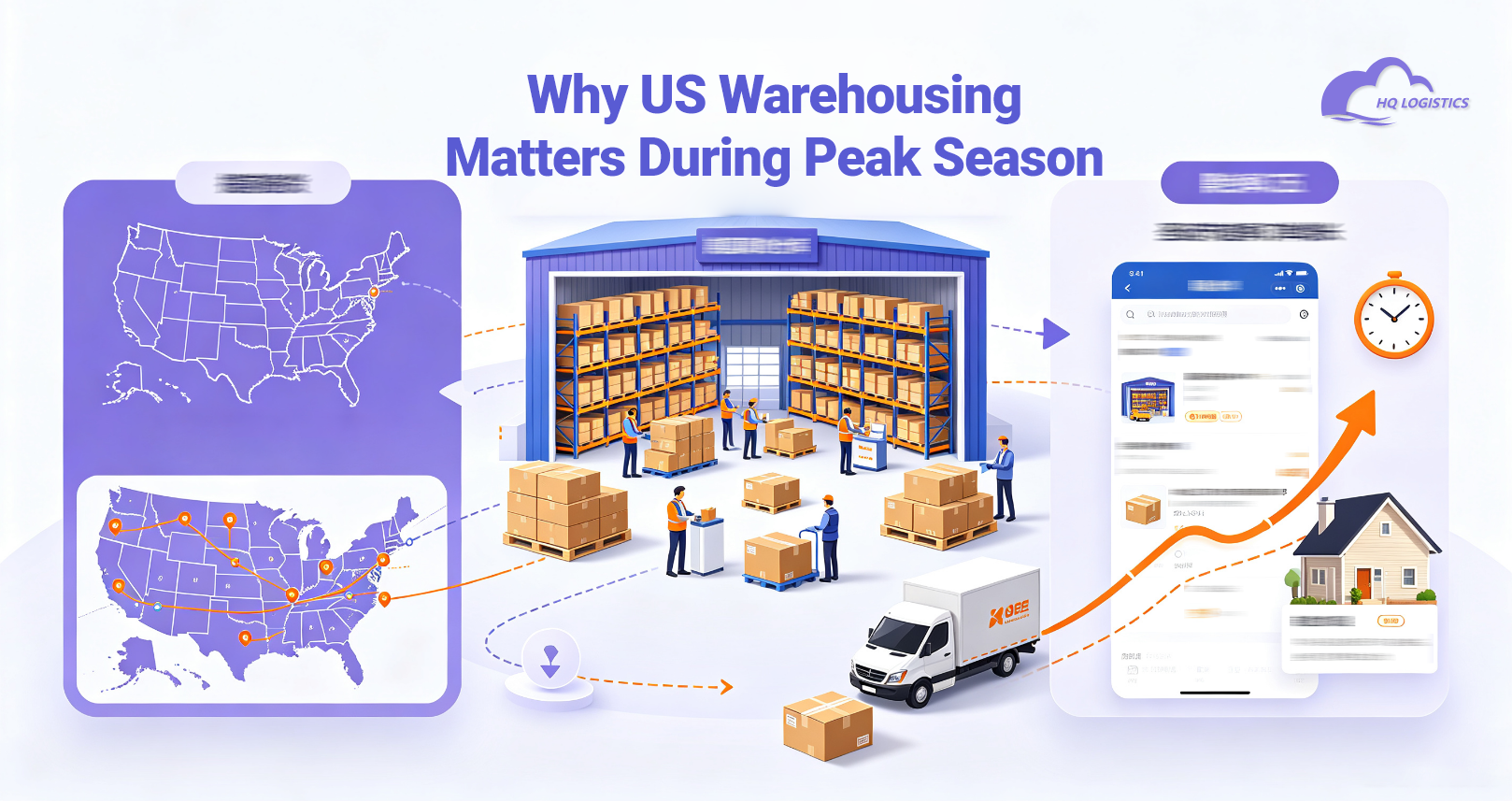
A Peak-Season Supply Chain With HQ 4PL
A complete peak-season workflow can look like this:
Step 1: Analyze Sales
Historical Data → Product Performance → Peak Forecast
Step 2: Plan Inventory
Demand Forecast → Safety Stock → Replenishment Quantity
Step 3: Coordinate Suppliers
Sourcing → Production → Quality Control
Step 4: Move Inventory
China Warehouse → Consolidation → International Transportation
Step 5: Position US Inventory
US Warehouse → Inventory Receiving → SKU Allocation
Step 6: Fulfill Orders
Shopify → WMS → Pick & Pack → US Domestic Shipping
Step 7: Monitor Performance
Sales → Inventory → Orders → Tracking → Replenishment
This creates a connected supply chain instead of a series of disconnected logistics activities.
When Should Brands Start Preparing for Peak Season?
The earlier brands start planning, the more options they have.
A practical timeline could look like:
July–August
Sales analysis | Product selection | Demand forecasting | Supplier planning
August–September
Inventory orders | Quality control | China consolidation | US transportation planning
September–October
US inventory positioning | Warehouse preparation | Shopify setup | Fulfillment testing
October–November
Inventory monitoring | Replenishment | Black Friday preparation
November–December
Peak fulfillment | Daily inventory monitoring | Christmas replenishment | Delivery management
The exact schedule depends on product category and supplier lead times, but the principle remains:
Peak-season logistics should be planned before peak-season orders arrive.
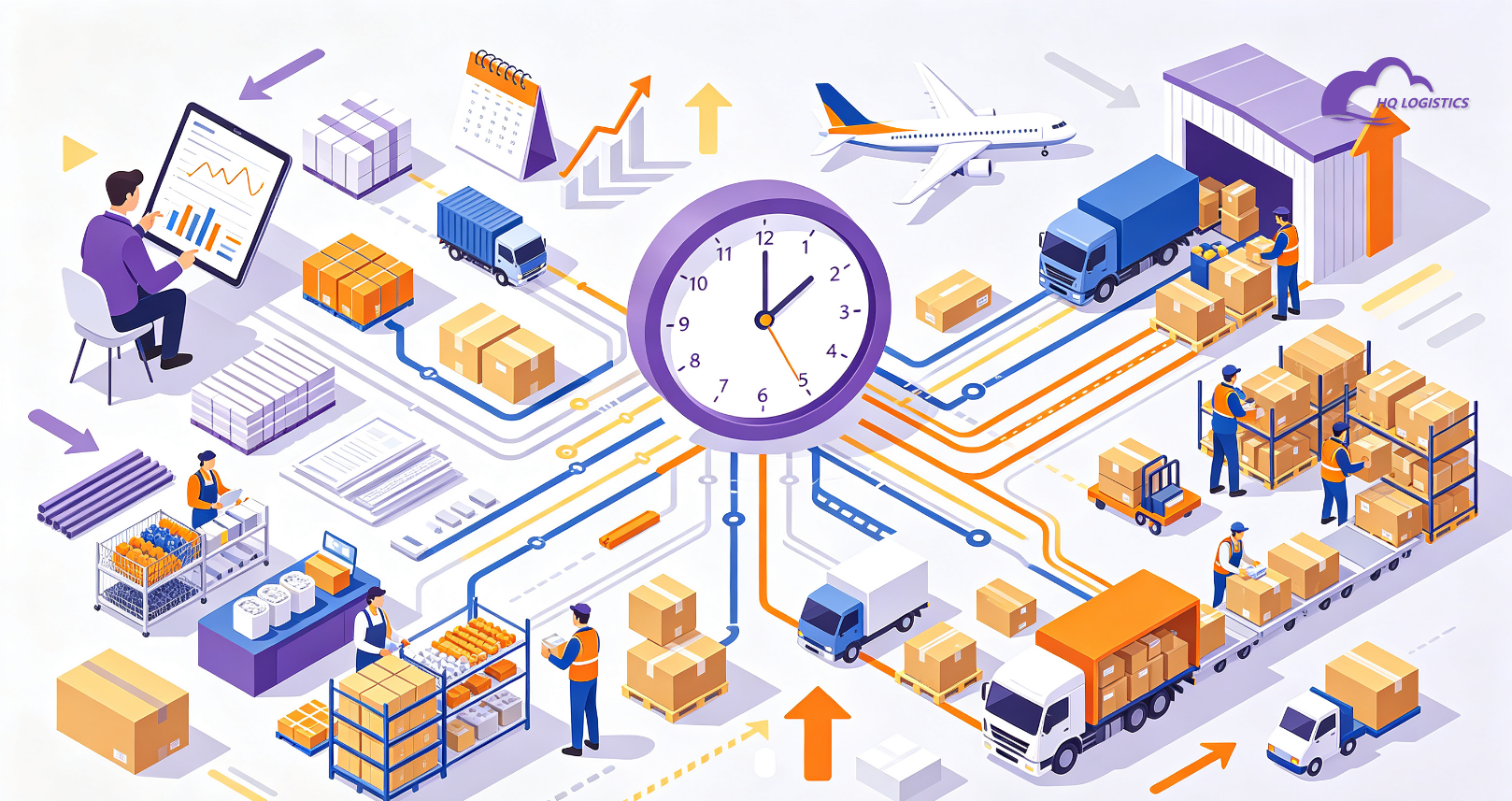
3PL vs. 4PL for Peak-Season Preparation
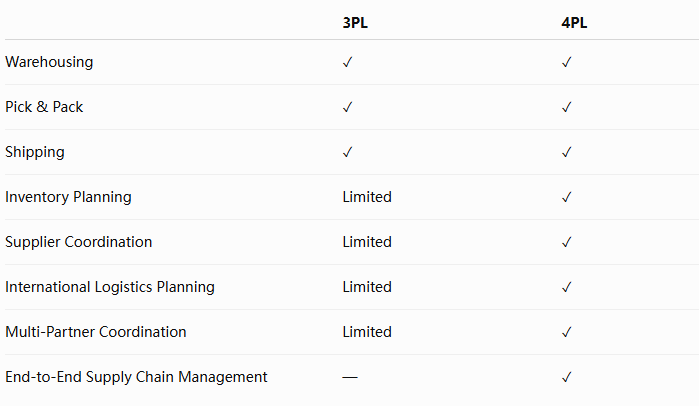
A 3PL can be an excellent choice for brands that primarily need storage and fulfillment.
A 4PL becomes more valuable when the brand needs to coordinate sourcing, inventory, transportation, warehousing, and fulfillment as one connected supply chain.
Final Thoughts
Peak season is not won in the warehouse alone.
It starts much earlier—with product selection, demand forecasting, supplier coordination, inventory planning, and international transportation.
For Shopify brands sourcing from China and selling in the US, a smarter strategy is to move the right inventory into the US before customers place their peak-season orders.
With an HQ 4PL approach, brands can connect:
China Sourcing → Inventory Planning → International Logistics → US Warehousing → Fulfillment → Last-Mile Delivery
This creates a more proactive supply chain designed around the needs of the brand—not just individual orders.
And when peak season arrives, the goal is simple:
The right products. In the right warehouse. At the right time. Ready to ship.