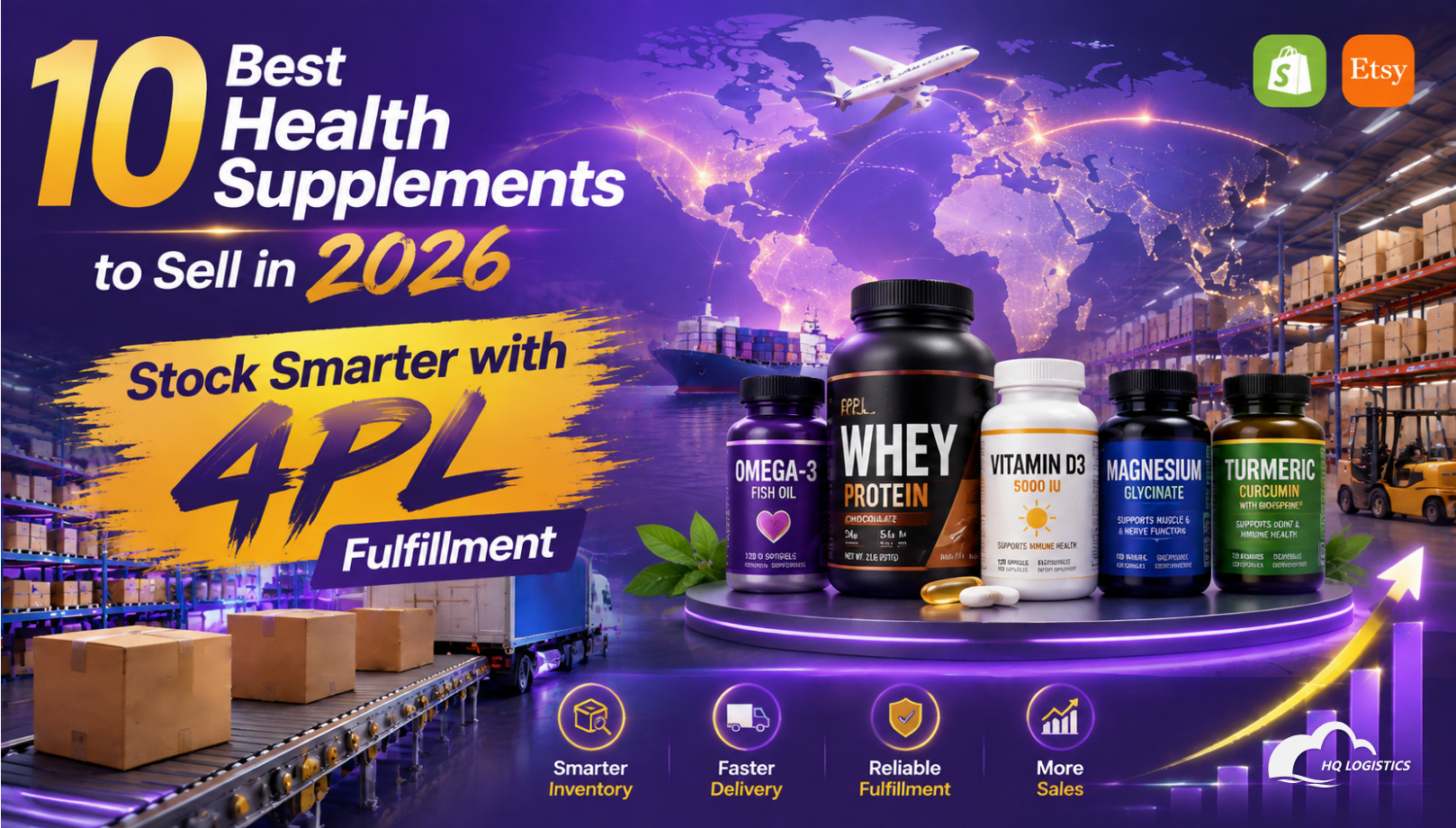
10 Best Health Supplements to Sell in 2026: Stock Smarter with 4PL Fulfillment
10 Best Health Supplements to Sell in 2026: Stock Smarter with 4PL Fulfillment
The global wellness market continues to create opportunities for ecommerce brands, and supplements are particularly attractive for Shopify sellers because many products are compact, easy to bundle, and suitable for repeat purchases.
But selling supplements is different from selling ordinary consumer products.
Brands need to think about product demand, target customers, inventory levels, shelf life, labeling, compliance, warehousing, and fulfillment at the same time.
For brands sourcing from China and selling in the US or Europe, a smarter model can combine product sourcing + inventory planning + quality control + overseas warehousing + local fulfillment.
Here are 10 health supplement categories worth considering in 2026, along with stocking and logistics considerations.
Important: Product popularity does not mean a specific supplement is legally approved or suitable for sale in every market. Before launching, brands should verify ingredients, labeling, claims, import requirements, and destination-country rules.
Why Sell Health Supplements in 2026?
Supplements have several characteristics that make them attractive for ecommerce.
Repeat Purchase Potential | Compact Products | Easy Product Bundling | Multiple Target Audiences | Strong Wellness Positioning
Current retail activity also continues to highlight categories such as collagen, electrolytes, creatine, and NAD+ products, showing continued consumer interest across beauty, fitness, hydration, and wellness segments.
However, successful supplement ecommerce is not just about finding a trending product.
The bigger question is:
Can you source it reliably, stock the right amount, maintain compliance, and deliver it efficiently?
1. Probiotic Supplements
Probiotics are widely positioned around everyday wellness and digestive health, making them a natural fit for health-conscious consumers.
Why They're Worth Selling
Strong wellness positioning | Repeat-purchase potential | Multiple formulations | Easy subscription model
Who They're For
Wellness shoppers | Health-conscious adults | Busy professionals | Consumers interested in digestive wellness
Stocking Tips
Start with a limited number of proven SKUs rather than too many strains and formulations.
Pay particular attention to:
Shelf Life | Storage Conditions | Batch Numbers | Expiry Dates
Logistics Considerations
Some probiotic products may have specific storage requirements. Confirm the manufacturer's recommended conditions and whether temperature control is required before selecting a warehouse.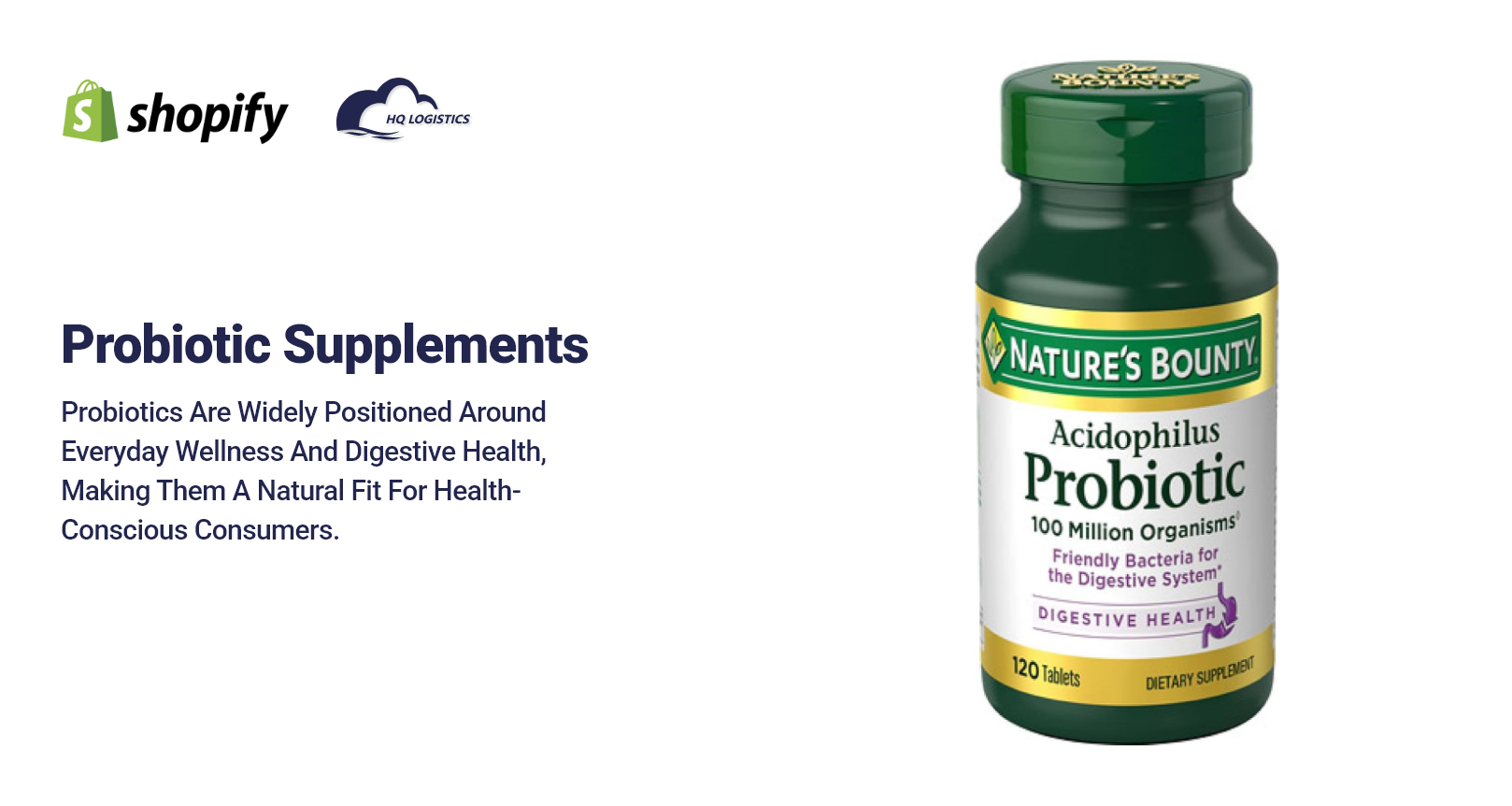
2. Magnesium Supplements
Magnesium products can appeal to consumers interested in everyday nutrition and wellness.
Popular formats include:
Capsules | Tablets | Powders | Gummies
Why They're Worth Selling
Multiple formats | Broad target audience | Easy to bundle | Compact packaging
Who They're For
Adults | Fitness Consumers | Wellness Shoppers | Busy Professionals
Stocking Tips
Rather than carrying too many variations immediately, test a small selection and identify which format and dosage customers prefer.
Logistics Considerations
Capsules and tablets are relatively compact, making them suitable for standard fulfillment. Track batch numbers and expiry dates carefully.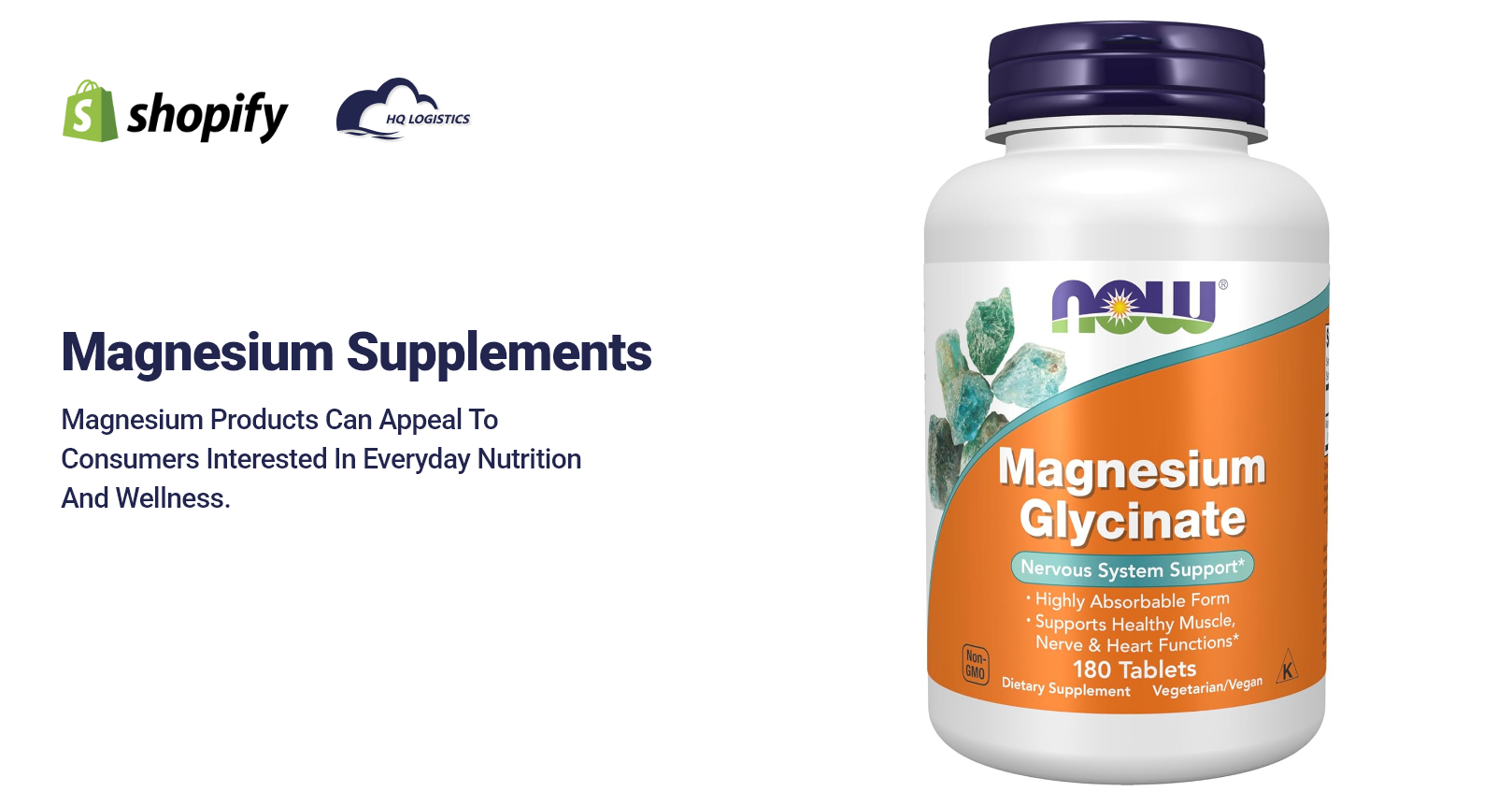
3. Collagen Supplements
Collagen sits at the intersection of beauty and wellness, giving ecommerce brands multiple ways to position the product.
Popular formats include:
Powder | Gummies | Capsules | Drink Mixes
Why They're Worth Selling
Beauty positioning | Wellness appeal | Strong bundling potential | Multiple formats
Who They're For
Beauty shoppers | Wellness consumers | Women-focused audiences | Lifestyle and skincare customers
Stocking Tips
Consider creating product bundles rather than relying on a single SKU.
For example:
Collagen + Vitamin C
or
Collagen + Beauty Wellness Products
Any combination should be reviewed for formulation and regulatory suitability.
Logistics Considerations
Powder products can require larger packaging than capsules or gummies. Optimize package size to avoid unnecessary dimensional shipping costs.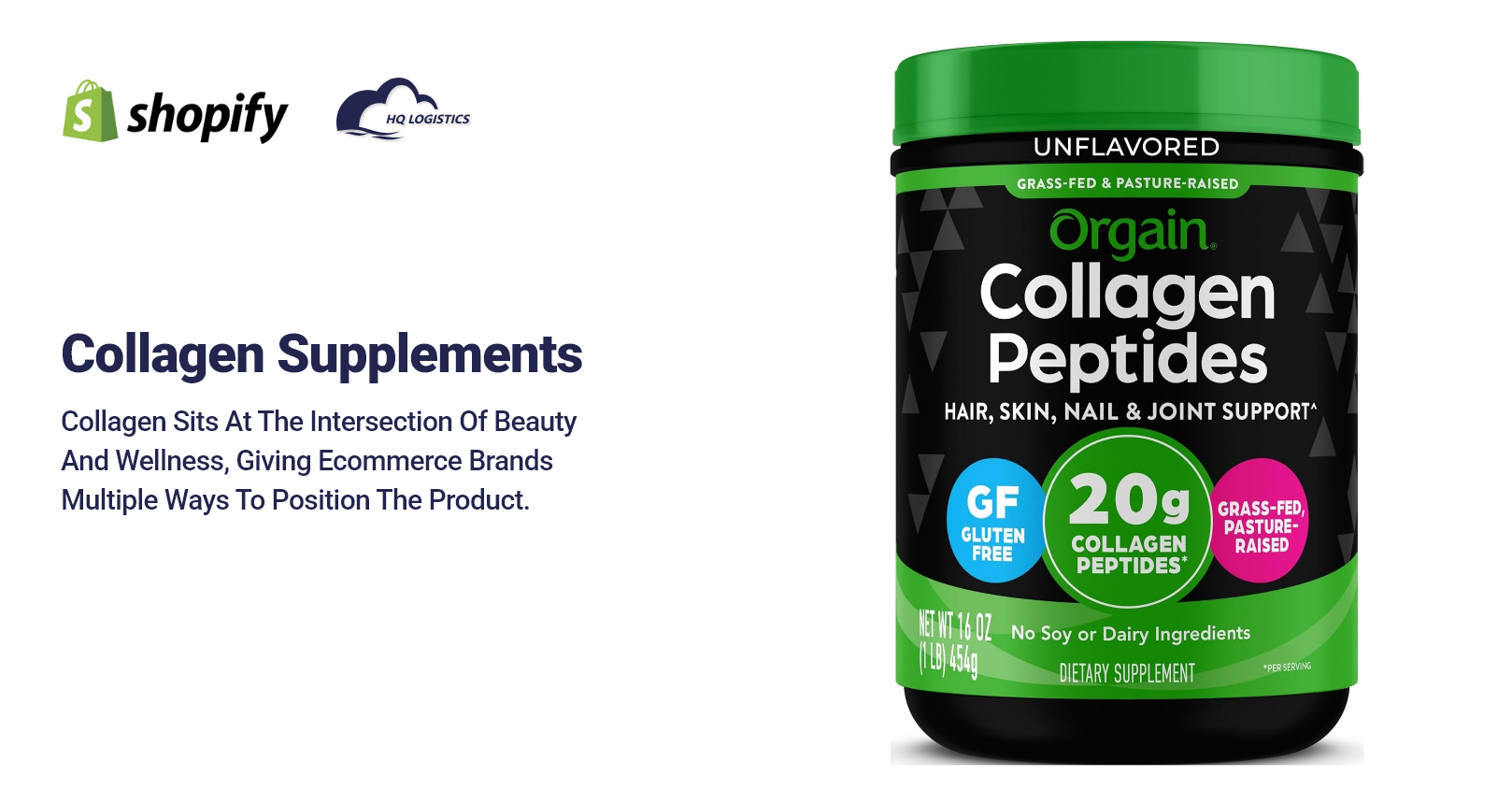
4. Electrolyte Supplements
Electrolyte products fit naturally into hydration, fitness, travel, and active lifestyle markets.
Common formats include:
Powders | Tablets | Drink Mixes
Why They're Worth Selling
Fitness appeal | Travel-friendly positioning | Easy-to-use formats | Bundle potential
Who They're For
Gym Users | Runners | Outdoor Enthusiasts | Travelers | Active Lifestyle Consumers
Stocking Tips
Single-serve sachets or compact products can be useful for testing different flavors and formulations without carrying excessive inventory.
Logistics Considerations
Prioritize lightweight packaging and protect powder products from moisture. Multi-pack formats can also affect package dimensions and shipping costs.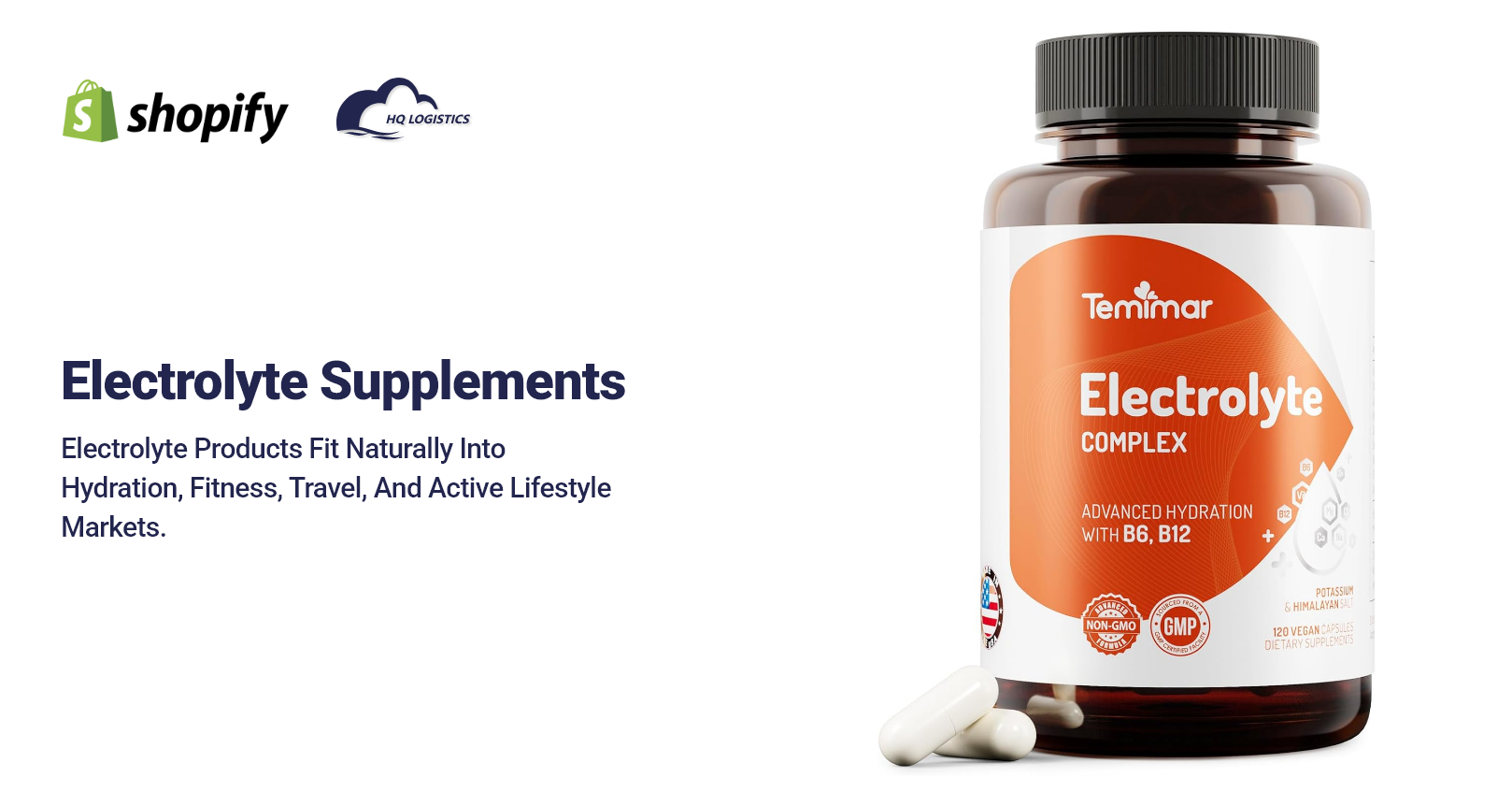
5. Protein Supplements
Protein remains a major category for fitness and sports nutrition ecommerce.
Popular formats include:
Protein Powder | Protein Bars | Ready-to-Mix Products
Why They're Worth Selling
Large fitness audience | Repeat purchases | Subscription potential | Strong bundle opportunities
Who They're For
Gym Users | Athletes | Fitness Beginners | Active Lifestyle Consumers
Stocking Tips
Protein products can have more SKUs because of:
Flavor | Size | Formula | Packaging
Start with your strongest combinations instead of stocking every possible variation.
Logistics Considerations
Protein powders are heavier and bulkier than many capsules or gummies.
For high-volume brands, bulk transportation and regional warehousing can make more sense than shipping every order individually from the sourcing country.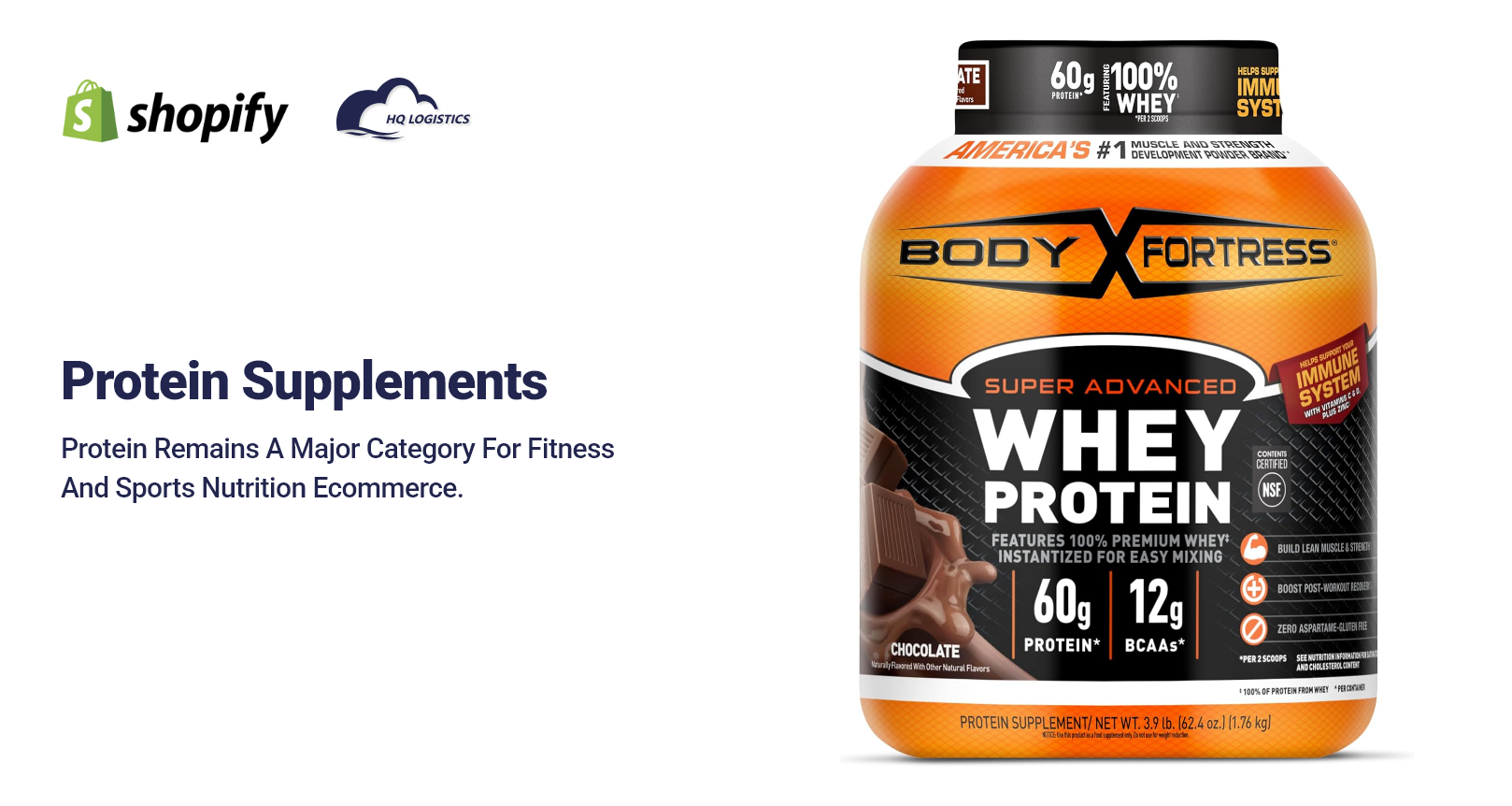
6. Multivitamins
Multivitamins are one of the most recognizable supplement categories and can appeal to a broad audience.
Why They're Worth Selling
Broad consumer appeal | Repeat purchases | Subscription potential | Multiple formulations
Who They're For
Adults | Families | Wellness Consumers | Older Consumers
Stocking Tips
Avoid over-expanding your initial product range.
Start with a few clearly differentiated products and use sales data to determine which SKUs deserve deeper inventory.
Logistics Considerations
Because multivitamins can be sold across multiple markets, check local requirements for ingredients, dosage, labeling, claims, and notifications before positioning inventory overseas.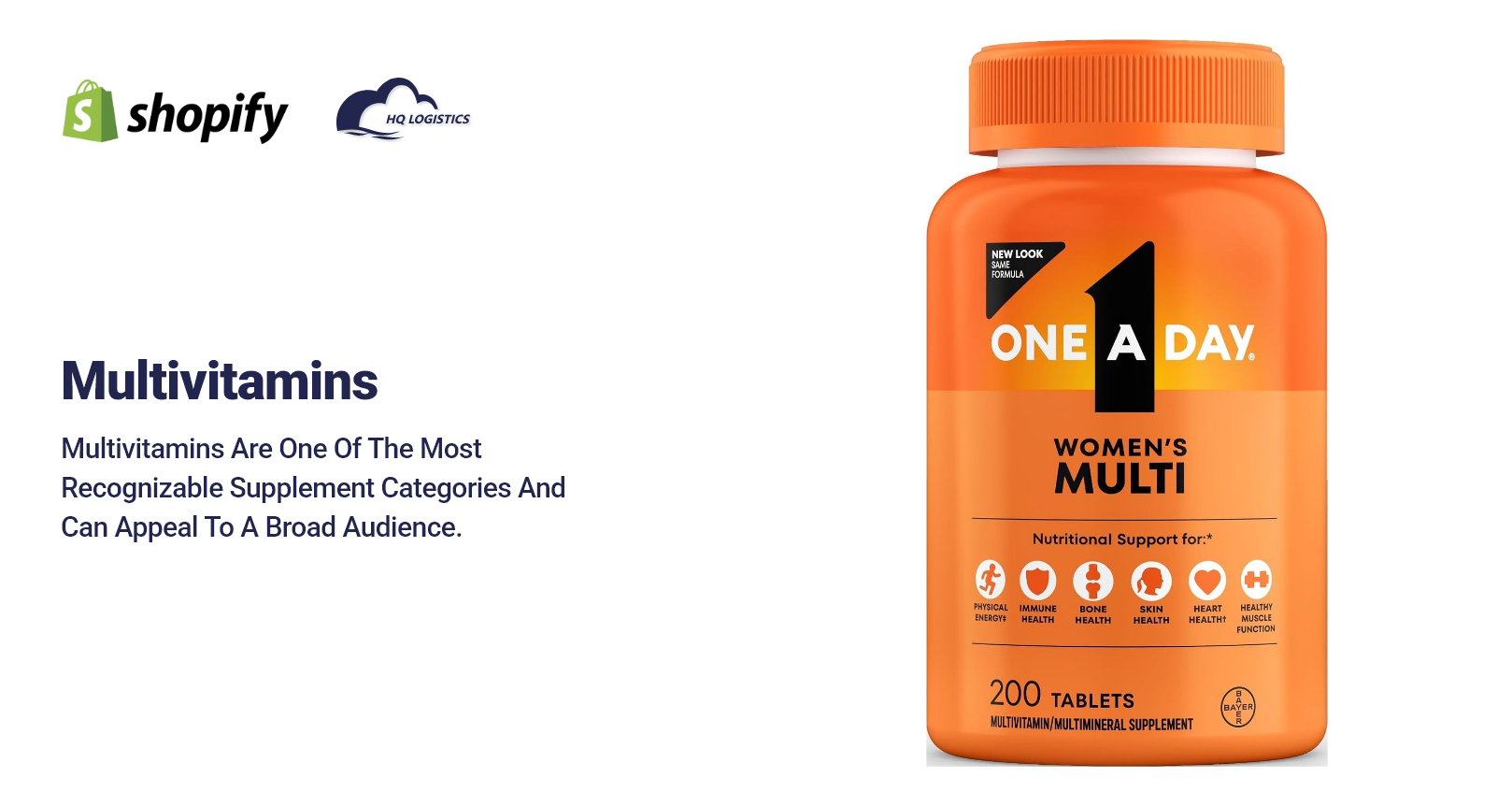
7. Vitamin D Supplements
Vitamin D products can fit seasonal wellness campaigns, particularly in markets where consumers associate certain periods of the year with lower sun exposure.
Why They're Worth Selling
Simple product positioning | Compact format | Easy to bundle | Seasonal marketing opportunities
Who They're For
Adults | Wellness Shoppers | Seasonal Wellness Consumers
Stocking Tips
Because demand can vary by market and season, use historical sales data rather than assuming demand will remain constant throughout the year.
Logistics Considerations
Capsules and tablets are generally easy to warehouse, but expiry-date management remains important.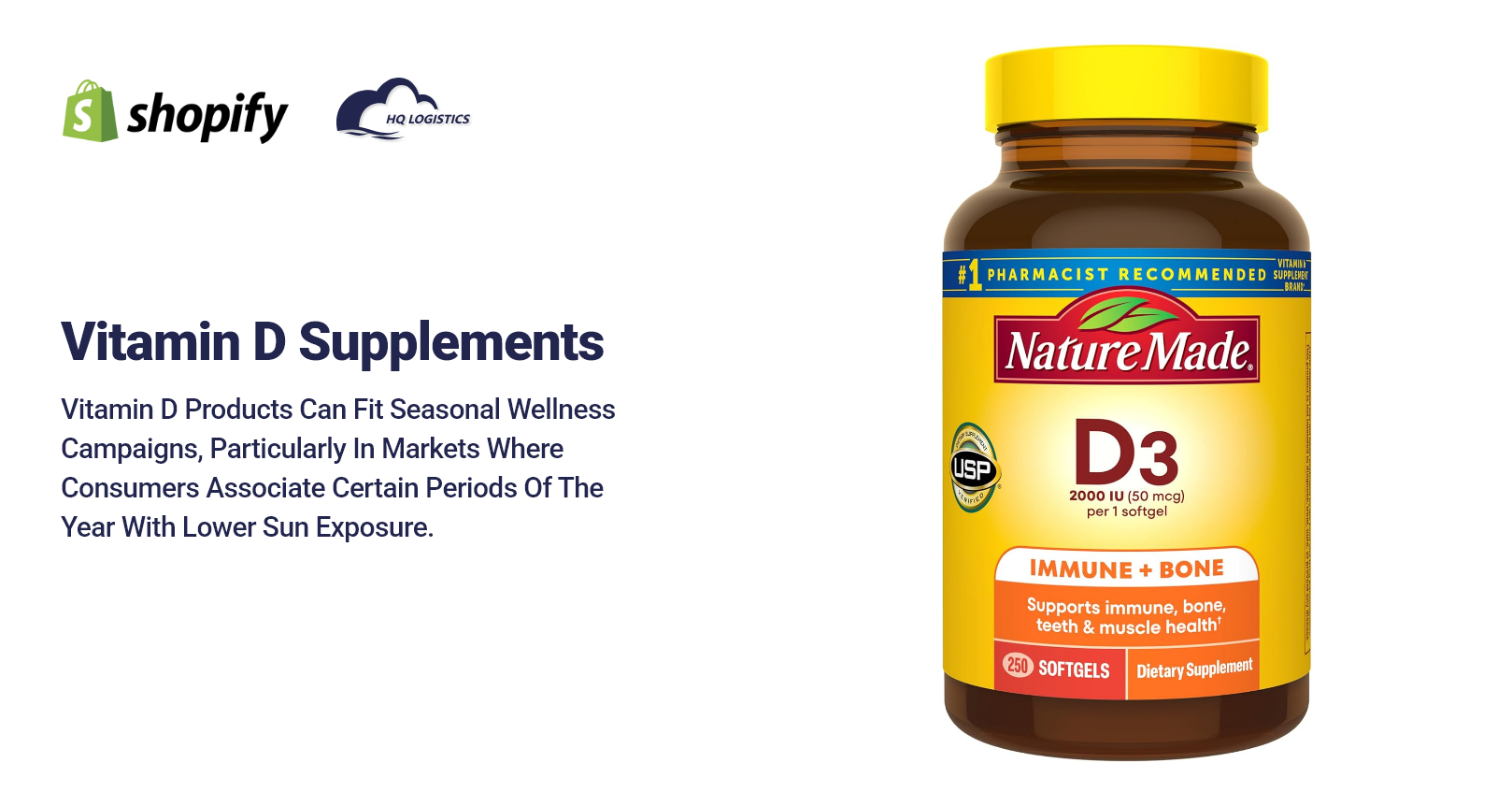
8. Omega-3 Supplements
Omega-3 products are another established supplement category with broad wellness positioning.
Common formats include:
Softgels | Capsules | Liquid Products
Why They're Worth Selling
Established category | Repeat purchase potential | Broad audience
Who They're For
Adults | Wellness Consumers | Older Consumers | Health-Conscious Shoppers
Stocking Tips
Pay attention to product freshness and expiry dates, particularly for formulations containing oils.
Logistics Considerations
Storage recommendations from the manufacturer should be followed carefully. Brands should also monitor packaging integrity to prevent leakage or damage during transportation.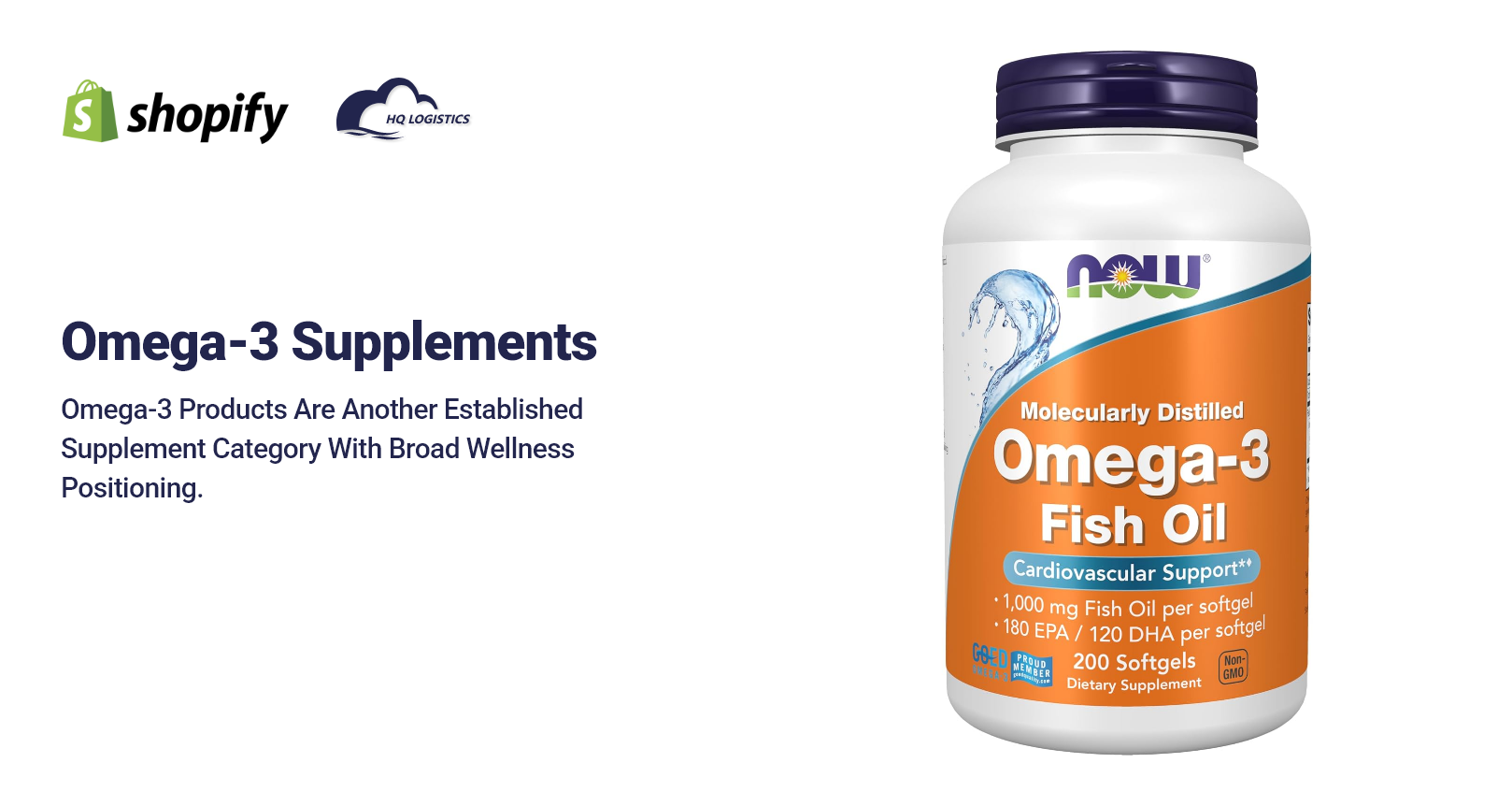
9. Creatine Supplements
Creatine has strong relevance in sports nutrition and fitness ecommerce.
Why They're Worth Selling
Fitness demand | Simple product positioning | Repeat purchase potential | Easy content marketing
Who They're For
Gym Users | Strength Trainers | Athletes | Fitness Enthusiasts
Stocking Tips
Start with the most straightforward product formats and avoid carrying too many variants until demand is proven.
Logistics Considerations
Powder products are heavier than capsules and may require optimized packaging and shipping strategies.
For high-volume US sales, bulk transportation + US warehousing + domestic fulfillment can help create a more scalable model.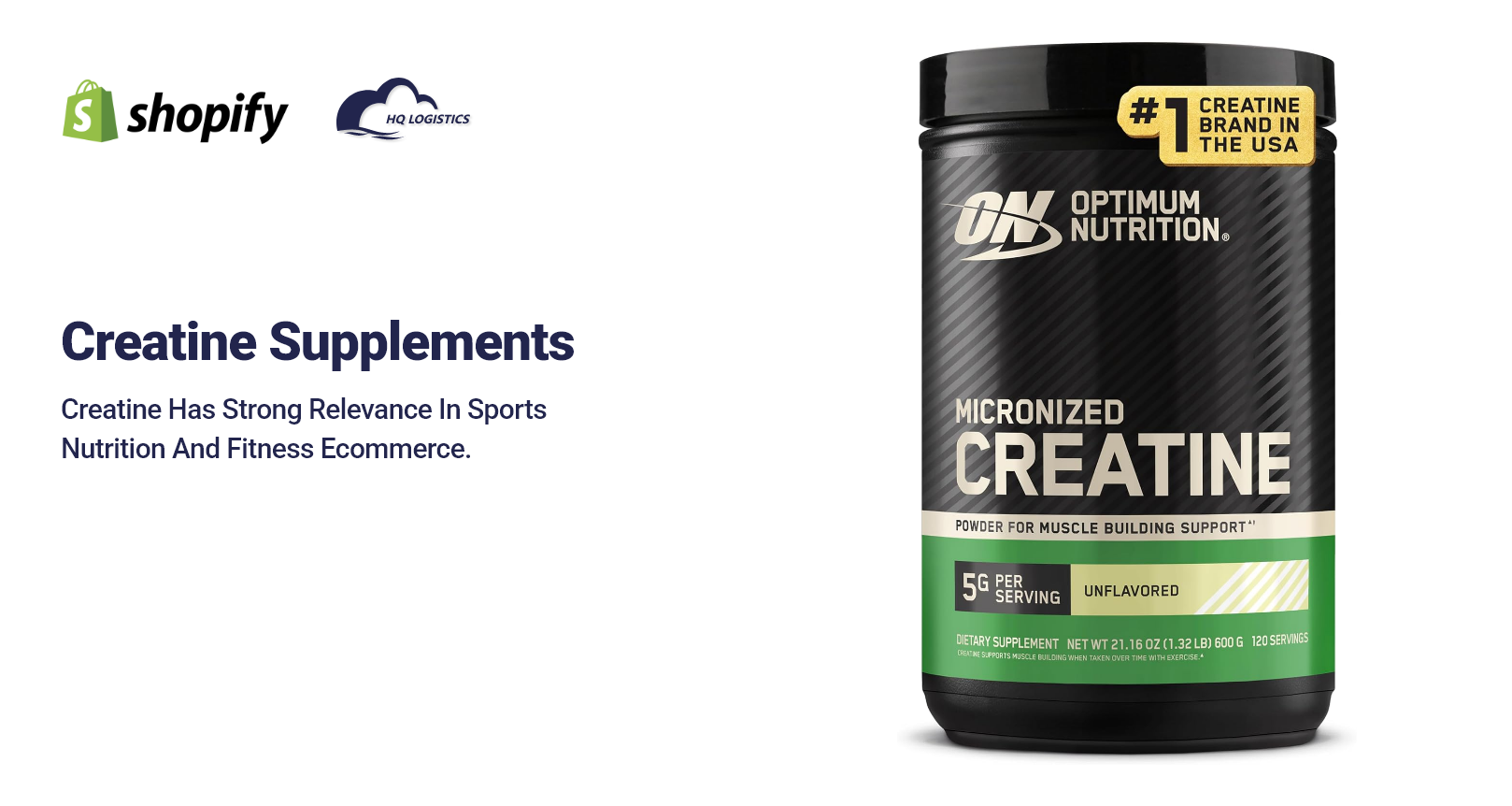
10. Vitamin Gummies
Gummies can make supplements more approachable for consumers who prefer alternatives to traditional tablets and capsules.
Why They're Worth Selling
Convenient format | Strong visual appeal | Multiple flavors | Social-media-friendly packaging
Who They're For
Younger Wellness Consumers | Busy Adults | Lifestyle Shoppers
Stocking Tips
Focus on a small number of flavors and formulas first.
Because gummies can be sensitive to heat and environmental conditions, consider the target market and storage requirements before placing large quantities into overseas inventory.
Logistics Considerations
Check manufacturer storage requirements carefully. Packaging should protect against moisture, heat, and physical damage where applicable.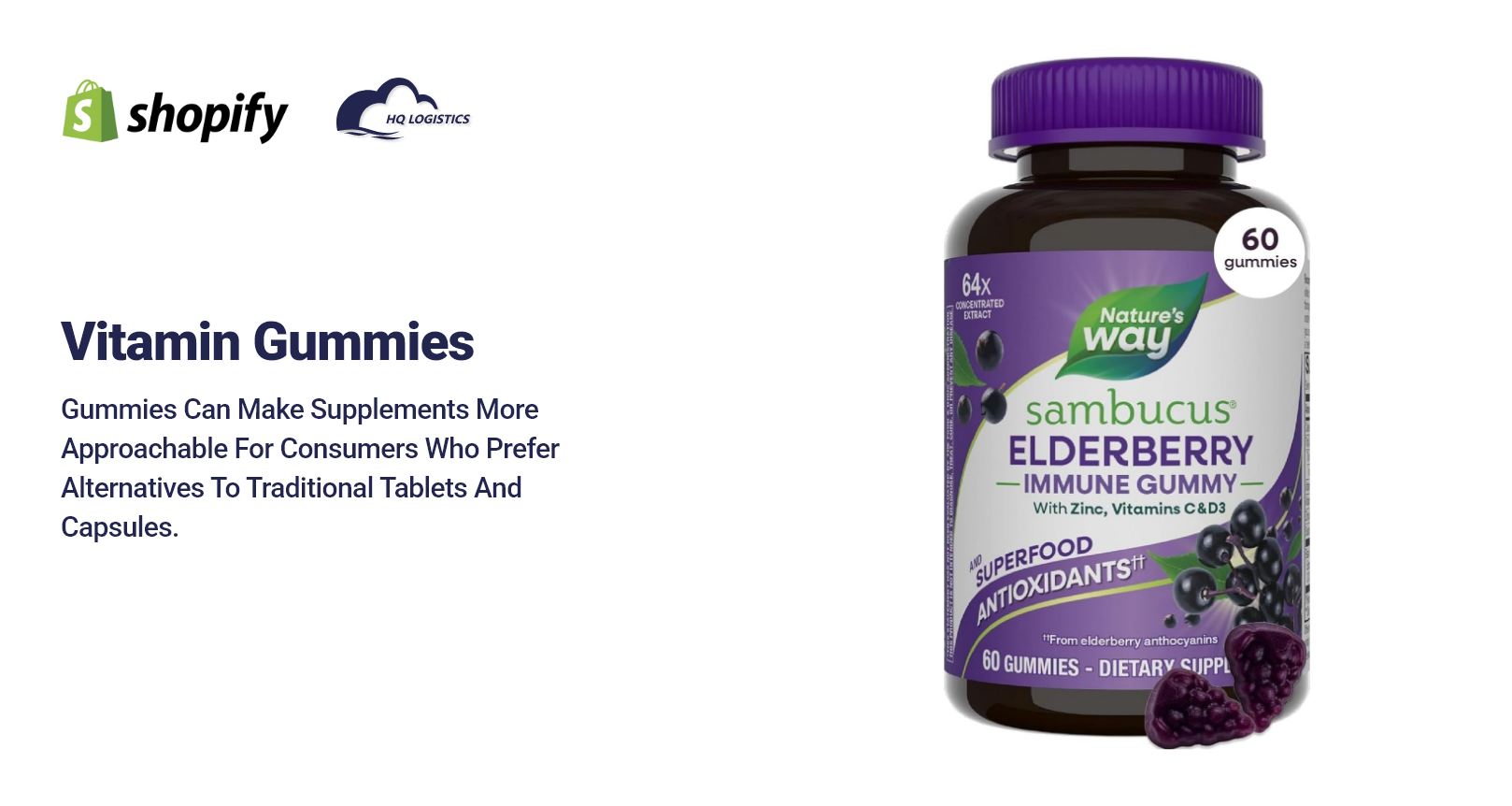
How to Choose the Right Supplement to Sell
Not every trending supplement is a good ecommerce product.
Before sourcing, evaluate five factors:
1. Demand
Look at:
Search Interest | Competitor Sales | Repeat Purchases | Social Trends | Seasonal Demand
2. Margin
Calculate the complete landed cost:
Product Cost + Packaging + Transportation + Duties/Taxes + Warehousing + Fulfillment + Marketing
3. Shelf Life
Supplements are different from ordinary consumer products.
Inventory planning needs to consider:
Production Date | Expiry Date | Sales Velocity | Remaining Shelf Life
4. Compliance
Ingredients, labeling, claims, and market-specific requirements need to be reviewed before selling.
5. Fulfillment
Consider whether the product is better suited to:
Direct Dropshipping | Bulk Import | US Warehousing | EU Warehousing | Hybrid Fulfillment
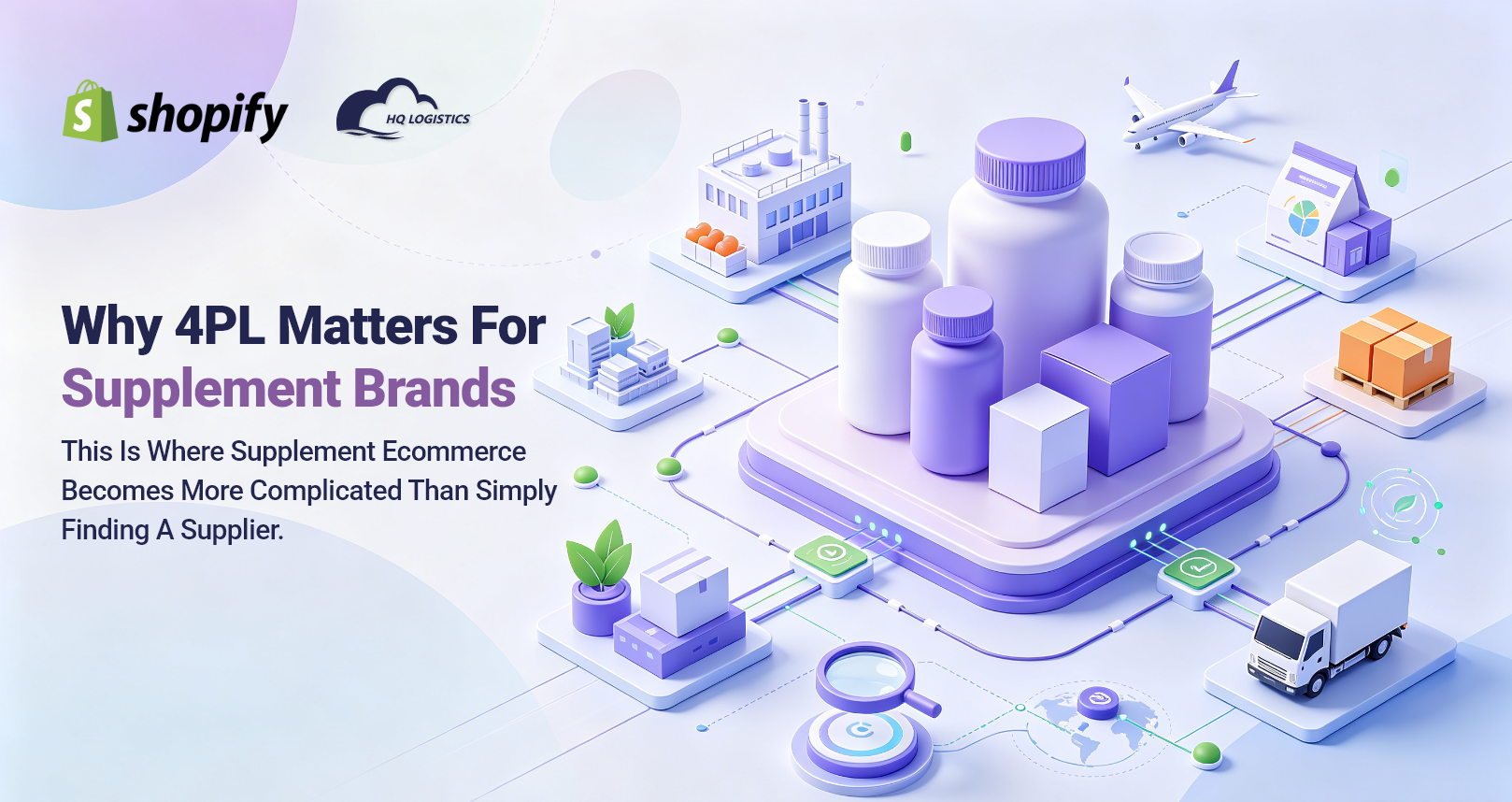
Why 4PL Matters for Supplement Brands
This is where supplement ecommerce becomes more complicated than simply finding a supplier.
A traditional sourcing or fulfillment partner may handle:
Product Sourcing | Packing | Shipping
But a growing supplement brand may need a more connected approach:
Sourcing → Supplier Coordination → Quality Control → Inventory Planning → International Transportation → Overseas Warehousing → Fulfillment
This is where 4PL supply chain management can create additional value.
Instead of only asking:
“How do we ship this order?”
a 4PL approach asks:
“Where should inventory be positioned, how much should we stock, and which fulfillment route will work best?”
Stock Smarter With US Overseas Warehousing
For brands with strong US demand, positioning inventory in a US warehouse can change the fulfillment model.
Instead of:
China Supplier → Individual International Shipment → US Customer
brands can use:
China Sourcing → Bulk Transportation → US Warehouse → Domestic Fulfillment → Customer
This can help brands:
Fulfill Faster | Improve Delivery Consistency | Reduce Individual Cross-Border Shipments | Prepare for Peak Demand
The key is selecting the right products to stock.
Don't immediately move every SKU into the US.
Start with:
Best Sellers | Stable Demand | High-Margin Products | Proven SKUs
How Much Supplement Inventory Should You Stock?
Inventory should be based on demand rather than guesswork.
A simple framework is:
Expected Sales During Lead Time + Safety Stock − Available Inventory = Replenishment Requirement
For example, if a product sells 200 units per week and the complete replenishment cycle takes six weeks:
200 × 6 = 1,200 units
You can then add an appropriate safety-stock buffer based on demand volatility.
The exact number depends on your sales history and supplier lead time.
For supplements, also consider remaining shelf life. Overstocking can be more expensive than a temporary stockout if inventory approaches expiry before it sells.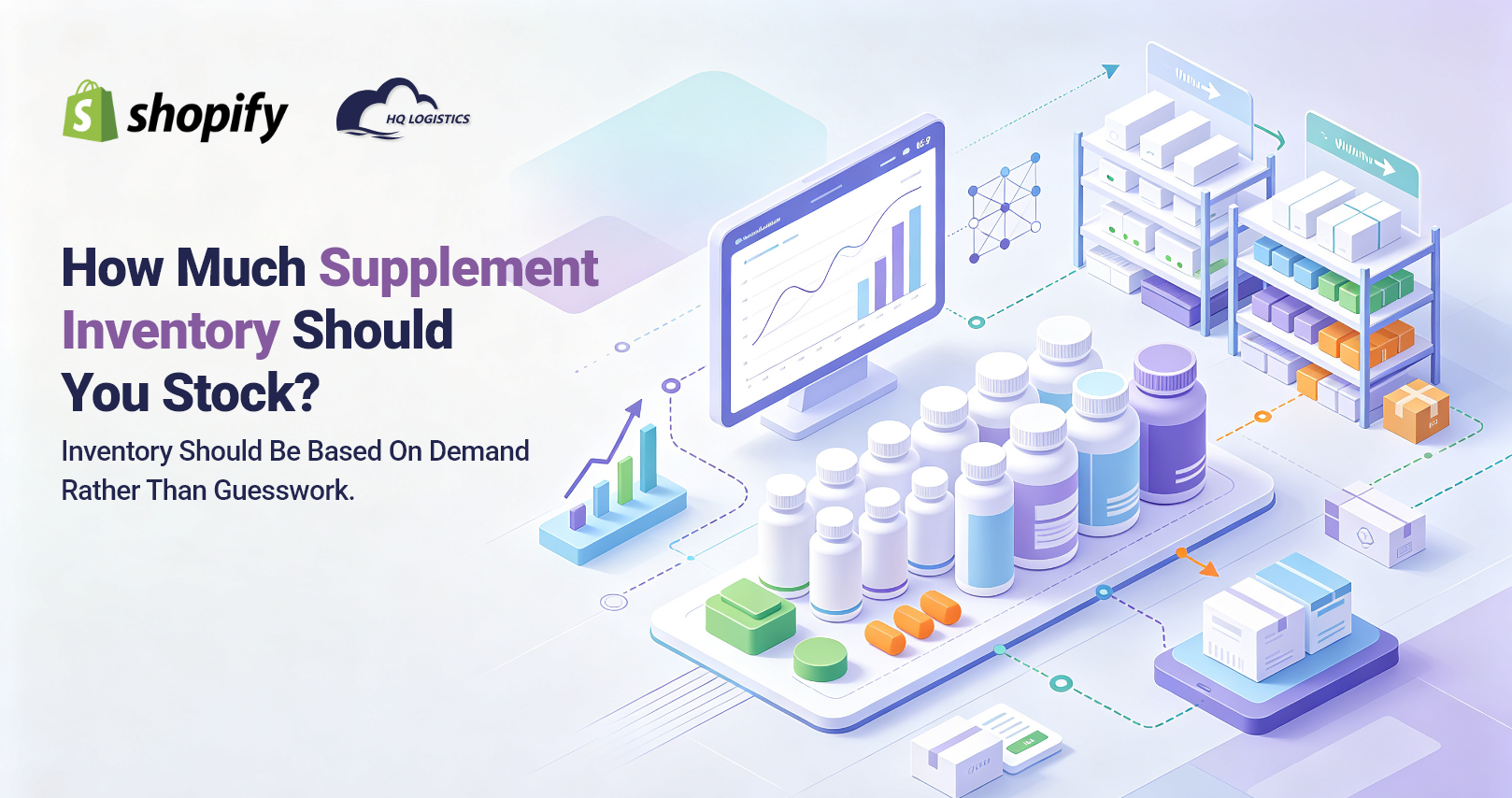
Compliance: An Important Part of Supplement Fulfillment
Supplements require more careful compliance planning than many ordinary ecommerce products.
For the EU market, food supplements are governed by specific rules, and EU countries may require notification to the relevant national authority.
Claims also matter. EU nutrition and health claims must meet applicable rules, and misleading health claims are prohibited.
Labeling requirements should also be reviewed carefully. EU food-labeling rules cover information such as ingredients, allergens, net quantity, date marking, storage conditions, and other mandatory information.
For the US market, dietary supplements have their own labeling requirements, including specific rules around supplement labeling and claims. FDA guidance applies to supplements produced both domestically and abroad.
This means your fulfillment process should include:
Product Documentation | Ingredient Review | Label Check | Batch Management | Expiry Tracking | Storage Requirements | Market-Specific Compliance
A 4PL partner can help coordinate these operational steps, but brands remain responsible for ensuring their products comply with the laws applicable to their markets.
A Smarter Supplement Supply Chain
For a growing Shopify supplement brand, the supply chain can be structured as:
China Sourcing
↓
Supplier & Product Quality Control
↓
Inventory Planning
↓
Bulk Transportation
↓
US / EU Overseas Warehouse
↓
Shopify Order Integration
↓
Local Fulfillment
↓
Last-Mile Delivery
This model allows brands to separate product testing from scalable fulfillment.
New products can be tested with smaller quantities.
Once a product proves its demand, inventory can be moved into a regional warehouse for faster fulfillment.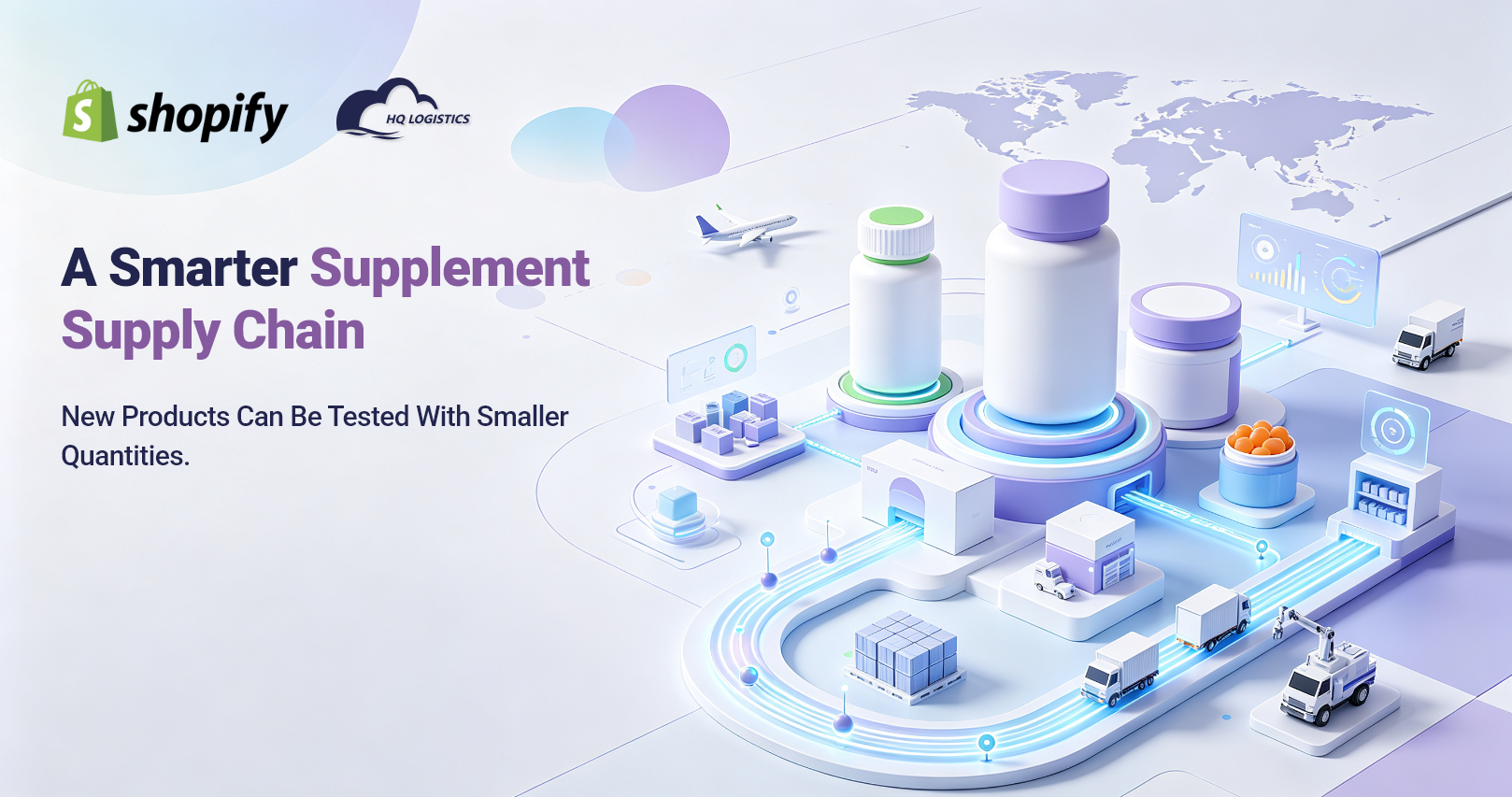
When Should You Move Supplements to an Overseas Warehouse?
A hybrid model can work particularly well.
Stage 1: Product Testing
Small Quantity → Direct Fulfillment
Use this stage to validate demand.
Stage 2: Winning Product
Stable Sales → Bulk Sourcing
Increase inventory once the product demonstrates consistent demand.
Stage 3: Scale
Bulk Inventory → US/EU Warehouse → Local Fulfillment
Move proven products closer to customers.
Stage 4: Optimization
Demand Forecast → Inventory Allocation → Replenishment → Multi-Market Fulfillment
At this point, a 4PL partner can help coordinate the larger supply chain.
Final Thoughts
The best health supplements to sell in 2026 are not simply the products with the most attention.
The stronger opportunities are products that combine:
Demand | Repeat Purchase Potential | Suitable Margins | Manageable Logistics | Reliable Sourcing | Compliance
The 10 categories covered here are:
Probiotics | Magnesium | Collagen | Electrolytes | Protein | Multivitamins | Vitamin D | Omega-3 | Creatine | Vitamin Gummies
But product selection is only the beginning.
As your Shopify brand grows, the next challenge becomes where to stock, how much to stock, and how quickly you can fulfill orders.
That's where a 4PL strategy can make a difference.
Source in China. Plan inventory smarter. Store winning products closer to customers. Fulfill faster.
For supplement brands targeting the US and European markets, the goal isn't simply to sell more products.
It's to build a supply chain that can scale with demand while keeping inventory, fulfillment, and logistics under control.
FAQs
1. What are the best health supplements to sell in 2026?
Popular categories include probiotics, magnesium, collagen, electrolytes, protein supplements, multivitamins, vitamin D, omega-3, creatine, and vitamin gummies. However, brands should validate demand and regulatory suitability for their target market before sourcing.
2. Should supplement brands use a US overseas warehouse?
For brands with consistent US demand, US warehousing can be a strong option for proven best sellers. It can help move inventory closer to customers and support faster, more predictable domestic fulfillment.
3. How much supplement inventory should I stock?
Base inventory planning on sales velocity, replenishment lead time, safety stock, and remaining shelf life. Start with proven SKUs rather than stocking every product variant.
4. Can I dropship supplements before using an overseas warehouse?
Yes. A hybrid model can allow brands to test products with smaller quantities first. Once a product demonstrates stable demand, the brand can consider bulk sourcing and regional warehousing.
5. What should I consider when shipping supplements?
Pay attention to product classification, ingredients, labeling, claims, batch numbers, expiry dates, storage conditions, packaging, customs, and destination-market requirements.
6. What can a 4PL partner do for a supplement brand?
A 4PL partner can coordinate a broader supply chain covering sourcing, supplier coordination, quality control, inventory planning, international transportation, overseas warehousing, fulfillment, and replenishment.