Shipping Perfume Internationally: How Shopify Brands Can Avoid Customs Delays
Shipping Perfume Internationally: How Shopify Brands Can Avoid Customs Delays
Perfume is a high-potential product for Shopify beauty brands, but international shipping can be more complicated than shipping ordinary consumer goods.
Many perfumes contain alcohol and may be subject to Dangerous Goods (DG) transportation requirements. Depending on the product formulation, packaging, quantity, destination, and transportation mode, additional rules may apply.
At the same time, selling perfume in markets such as the EU requires brands to consider cosmetic product compliance, labeling, responsible-person requirements, and product notification.
For Shopify brands sourcing from China, the real challenge is therefore not simply:
“How do I ship perfume?”
It is:
“How do I build a compliant and reliable supply chain that can move perfume across borders without unnecessary customs delays?”
Here are 7 ways to make international perfume fulfillment more efficient.
Why Does Perfume Shipping Face More Customs Challenges?
Perfume combines several logistics challenges in one product.
It can involve:
Flammable Ingredients | Glass Bottles | Leakage Risk | Product Compliance | Customs Documentation | Destination Restrictions
Many perfumes contain alcohol and can therefore fall under Dangerous Goods rules for transportation. The exact classification depends on factors such as alcohol concentration, ingredients, packaging, quantity, and destination.
This means a shipping route that works for clothing or accessories may not necessarily work for perfume.
A successful perfume logistics strategy starts before the order is shipped.
1. Confirm the Product Classification Before Shipping
One of the biggest mistakes brands make is selecting a shipping method first and checking the product requirements later.
For perfume, the first step should be understanding the product itself.
Review:
Alcohol Content | Ingredients | Bottle Size | Product Format | Packaging | Quantity | Destination
Some perfumes may be classified as Dangerous Goods, while not every fragrance product will necessarily have the same classification.
The classification can affect:
Carrier Eligibility | Packaging | Documentation | Transportation Mode | Shipping Cost | Customs Processing
Better Workflow
Instead of:
Order → Find Carrier → Customs Problem
Use:
Product Review → Classification → Shipping Route → Documentation → Fulfillment
This simple change can prevent many avoidable delays.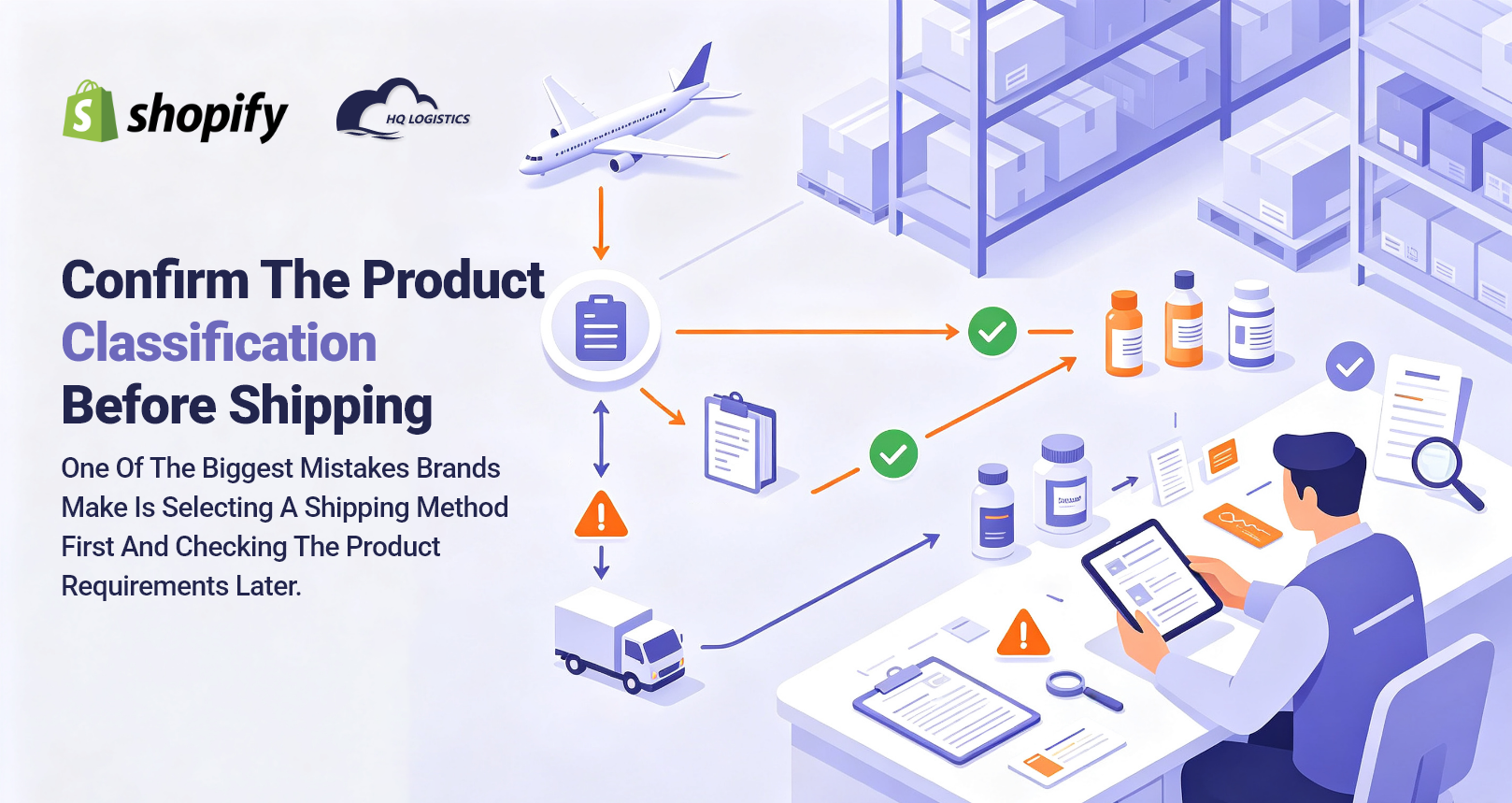
2. Prepare Accurate Customs Documentation
Incorrect or incomplete customs information is one of the easiest ways to create unnecessary delays.
Before shipping perfume internationally, make sure the shipment information is accurate and consistent.
Important information can include:
Product Description | Quantity | Declared Value | Country of Origin | HS Code | Consignee Information | Shipping Documents
Avoid vague descriptions such as:
❌ “Beauty Product”
Instead, use a clear and accurate product description appropriate to the shipment and customs requirements.
The declared value should also accurately reflect the transaction. Carriers and customs authorities may require additional information when the declaration does not match the shipment.
For commercial shipments, brands should also make sure the documentation is consistent across:
Commercial Invoice | Packing List | Shipping Label | Order Data
3. Choose a Carrier That Can Handle Perfume
Not every carrier or shipping service can accept every type of perfume shipment.
Because perfume may be subject to Dangerous Goods requirements, brands should confirm that the selected carrier and service are authorized to handle the specific product and transportation mode. (DHL)
Before choosing a route, check:
Product Eligibility | Destination Restrictions | Quantity Limits | Packaging Requirements | Required Documentation
This is particularly important when shipping:
High-Alcohol Perfume | Large Quantities | Gift Sets | Multiple Bottles | Bulk Inventory
The cheapest shipping route is not always the most efficient route if it creates additional customs or handling risks.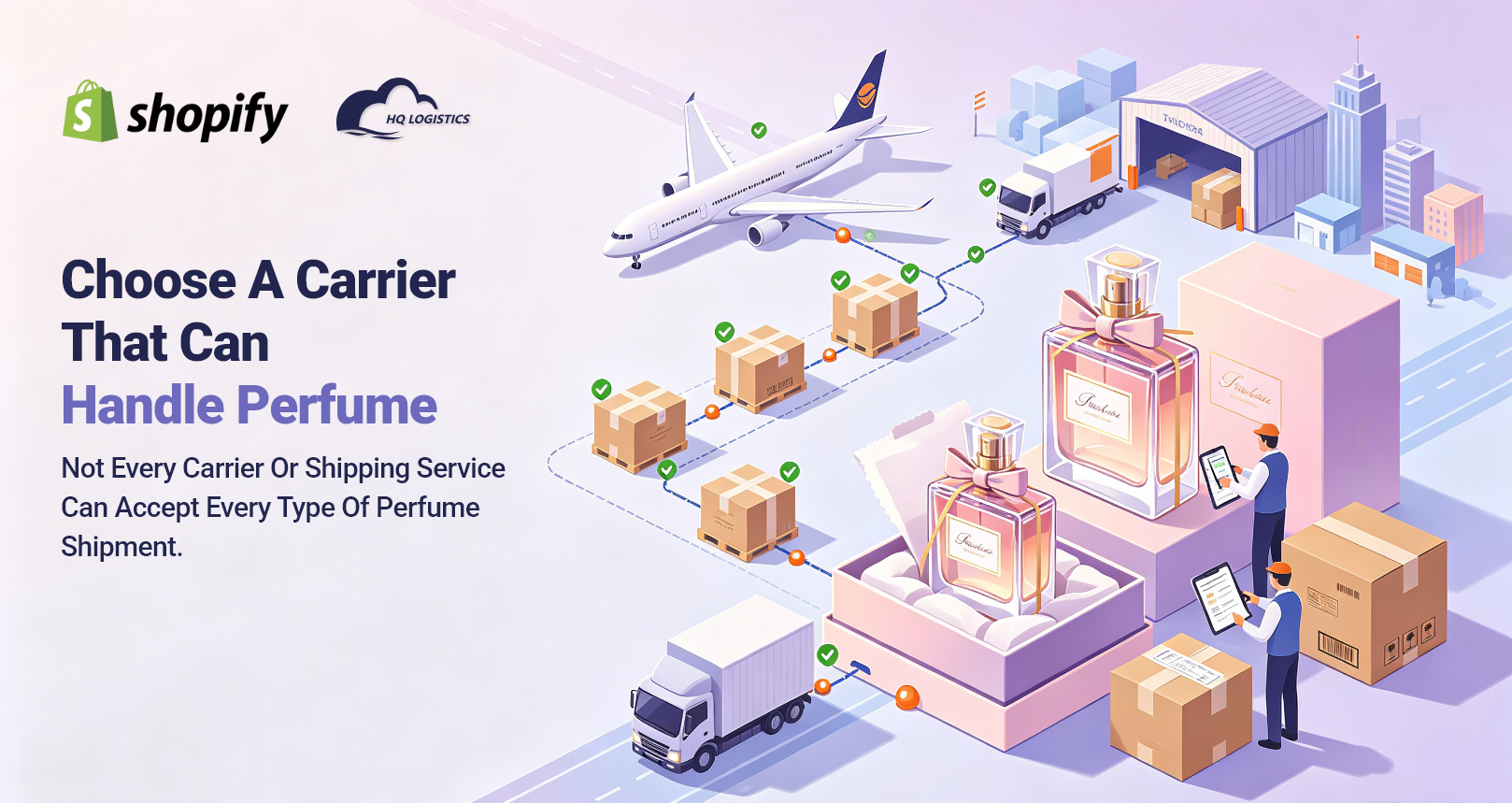
4. Use the Right Packaging
Perfume has two major physical risks:
Breakage + Leakage
Most perfume bottles are made from glass, while the liquid itself can create additional handling concerns.
A suitable packaging strategy may include:
Protective Inserts | Cushioning | Leak Protection | Strong Inner Packaging | Durable Outer Cartons
The objective is to protect the product without creating excessive package volume.
For ecommerce brands, packaging should balance:
Safety + Shipping Cost + Brand Experience
A damaged perfume order can result in more than the cost of replacing the product.
It can also create:
Refunds | Reshipping Costs | Negative Reviews | Customer Complaints
5. Check Destination-Country Requirements Before Launch
International shipping does not have one universal set of rules.
Different destinations may have different requirements for:
Importation | Dangerous Goods | Cosmetics | Labeling | Taxes | Customs Documentation
For example, if a Shopify brand sells perfume into the EU, the product may be subject to the EU Cosmetics Regulation.
EU rules require cosmetic products placed on the EU market to meet safety requirements, have an EU-based Responsible Person, and undergo the applicable product notification process before being placed on the market.
For imported cosmetics, the Responsible Person and importer arrangements should be established appropriately before commercial sales begin.
So brands should not wait for customs clearance to discover that their product documentation is incomplete.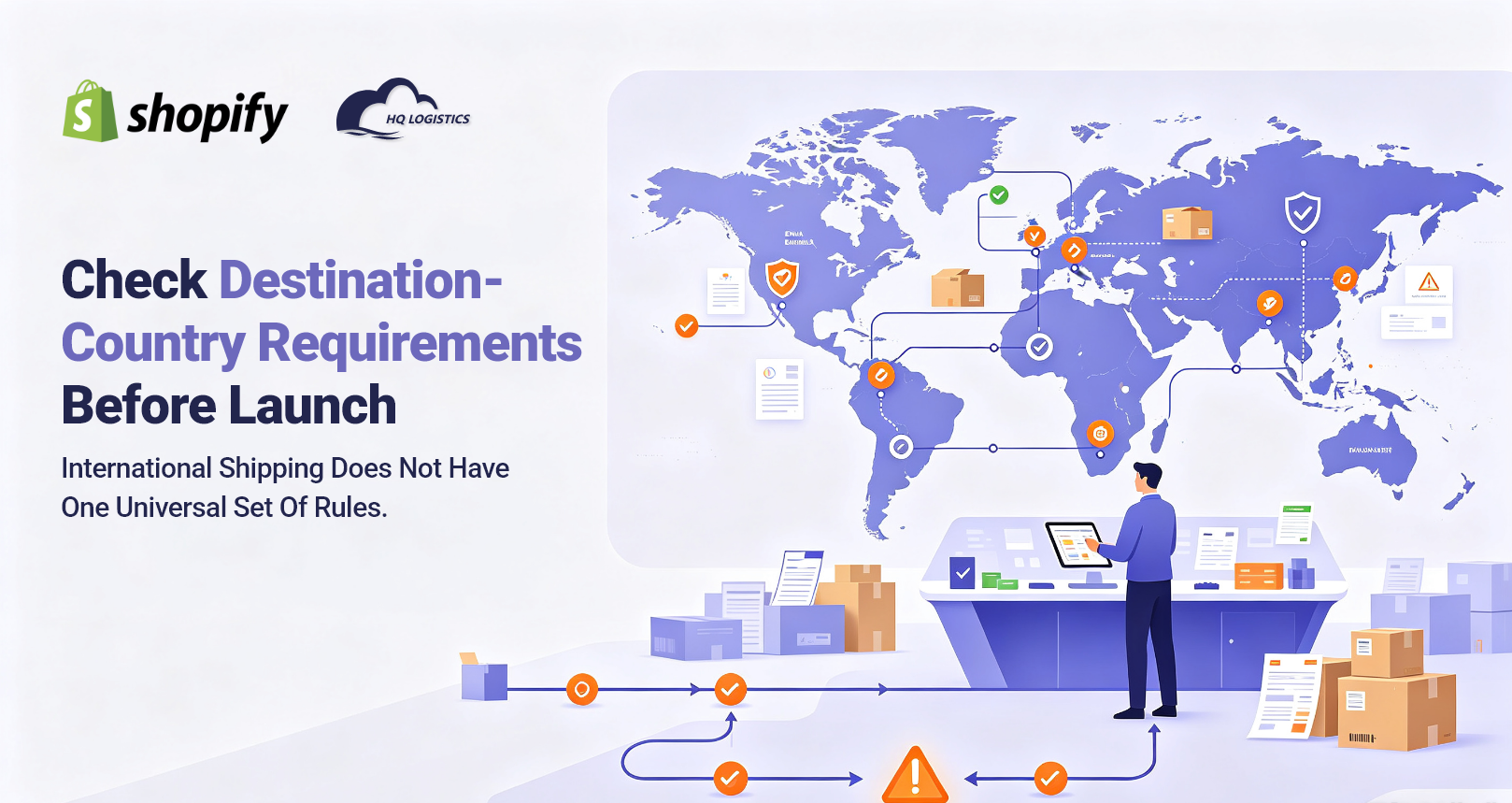
6. Pay Attention to Perfume Labeling in the EU
For Shopify brands selling perfume in Europe, labeling deserves special attention.
The EU Cosmetics Regulation requires specific information on cosmetic packaging, including ingredient information and other mandatory details.
Fragrance allergen requirements have also been updated.
The EU's updated rules introduced individual labeling requirements for 56 additional fragrance allergens. From July 31, 2026, non-compliant cosmetic products may no longer be placed on the EU market, subject to the transition provisions for products already placed on the market.
This means brands should review:
Ingredient List | Fragrance Allergens | Responsible Person Information | Batch Information | Product Function | Required Warnings
before producing large quantities of packaging.
A label problem discovered after inventory reaches Europe can be much more expensive to fix.
7. Consider Overseas Warehousing for High-Volume Products
Direct shipping from China can work well when a brand is testing new products.
But once a perfume becomes a consistent best seller, international order-by-order shipping may become harder to scale.
A different model is:
China Sourcing → Quality Control → Bulk Transportation → EU/US Warehouse → Local Fulfillment → Customer
Instead of moving every individual customer order across borders, inventory is positioned closer to customers in advance.
This can help brands:
Reduce Individual Cross-Border Shipments | Improve Delivery Consistency | Simplify Last-Mile Fulfillment | Prepare for Peak Demand
However, perfume brands should only use overseas warehousing after confirming that the products can legally be imported and stored in the target market.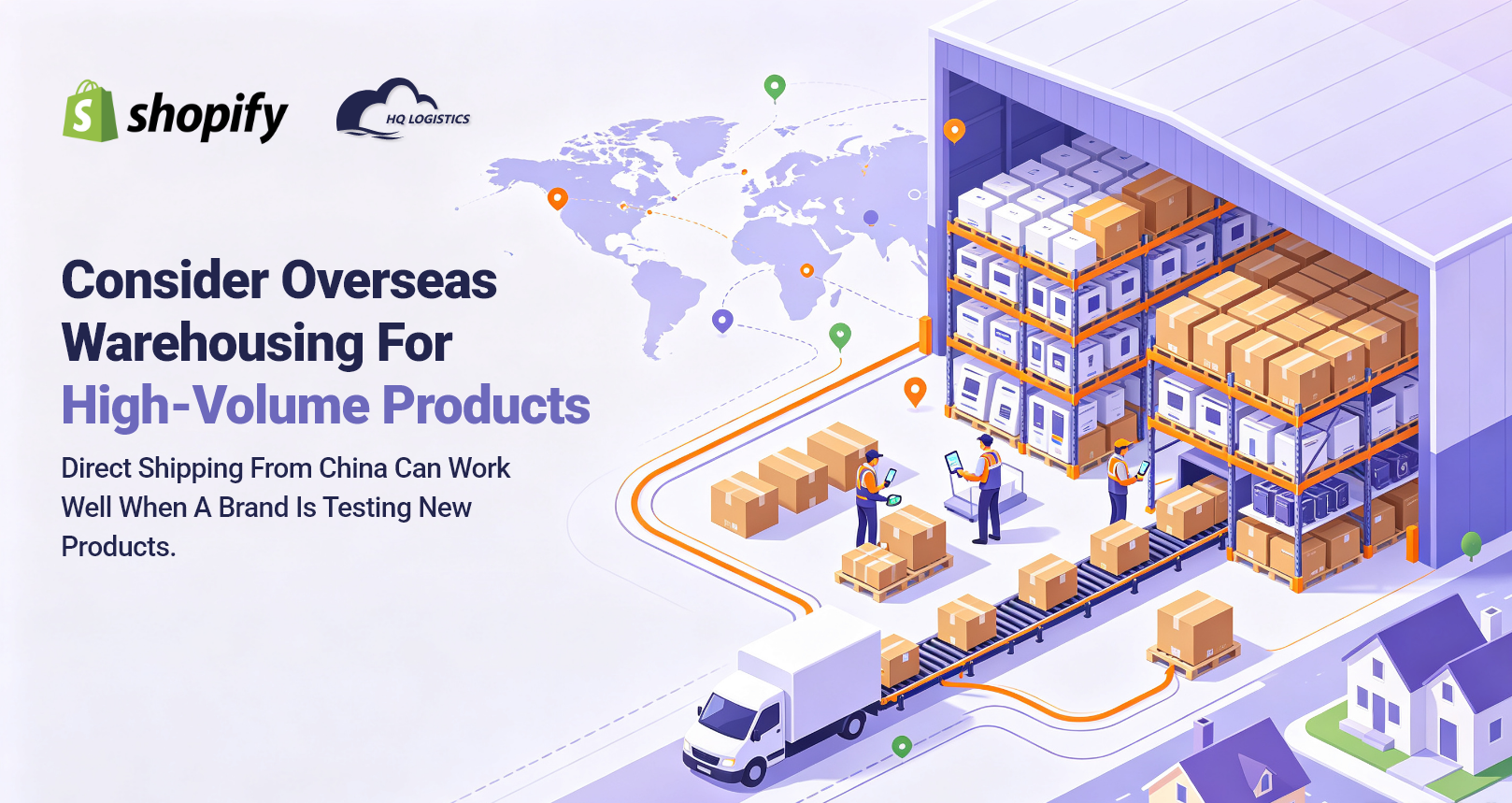
Why 4PL Can Make Perfume Fulfillment Easier
For perfume brands, logistics is connected to almost every part of the business.
Product Sourcing affects product documentation.
Packaging affects shipping cost and damage risk.
Inventory Planning affects delivery speed.
Warehouse Location affects the last mile.
Shipping Routes affect customs and transportation.
This is why a 4PL approach can be valuable.
Instead of managing each part separately:
Supplier + Freight Forwarder + Warehouse + Carrier
a 4PL model coordinates the broader supply chain.
The workflow can look like:
China Sourcing → Supplier Coordination → Quality Inspection → Product & Packaging Review → Inventory Planning → International Transportation → EU / US Overseas Warehouse → Shopify Order Integration → Local Fulfillment → Last-Mile Delivery
The goal is to make the supply chain more proactive rather than waiting for problems to appear during shipping.
Direct Shipping vs. Overseas Warehousing
Option 1: Direct Dropshipping
China Supplier → Customer
Best For:
New Products | Low Order Volume | Product Testing
Advantages:
Low Inventory Commitment | Easy Product Testing | Flexible SKU Selection
Challenges:
Longer Cross-Border Process | More Individual Shipments | Greater Dependence on International Shipping
Option 2: Overseas Warehousing
China Supplier → Bulk Shipment → Overseas Warehouse → Customer
Best For:
Best Sellers | Stable Demand | High Order Volume
Advantages:
Faster Local Fulfillment | More Predictable Delivery | Better Inventory Control
Challenges:
Upfront Inventory Investment | Warehouse Costs | More Complex Inventory Planning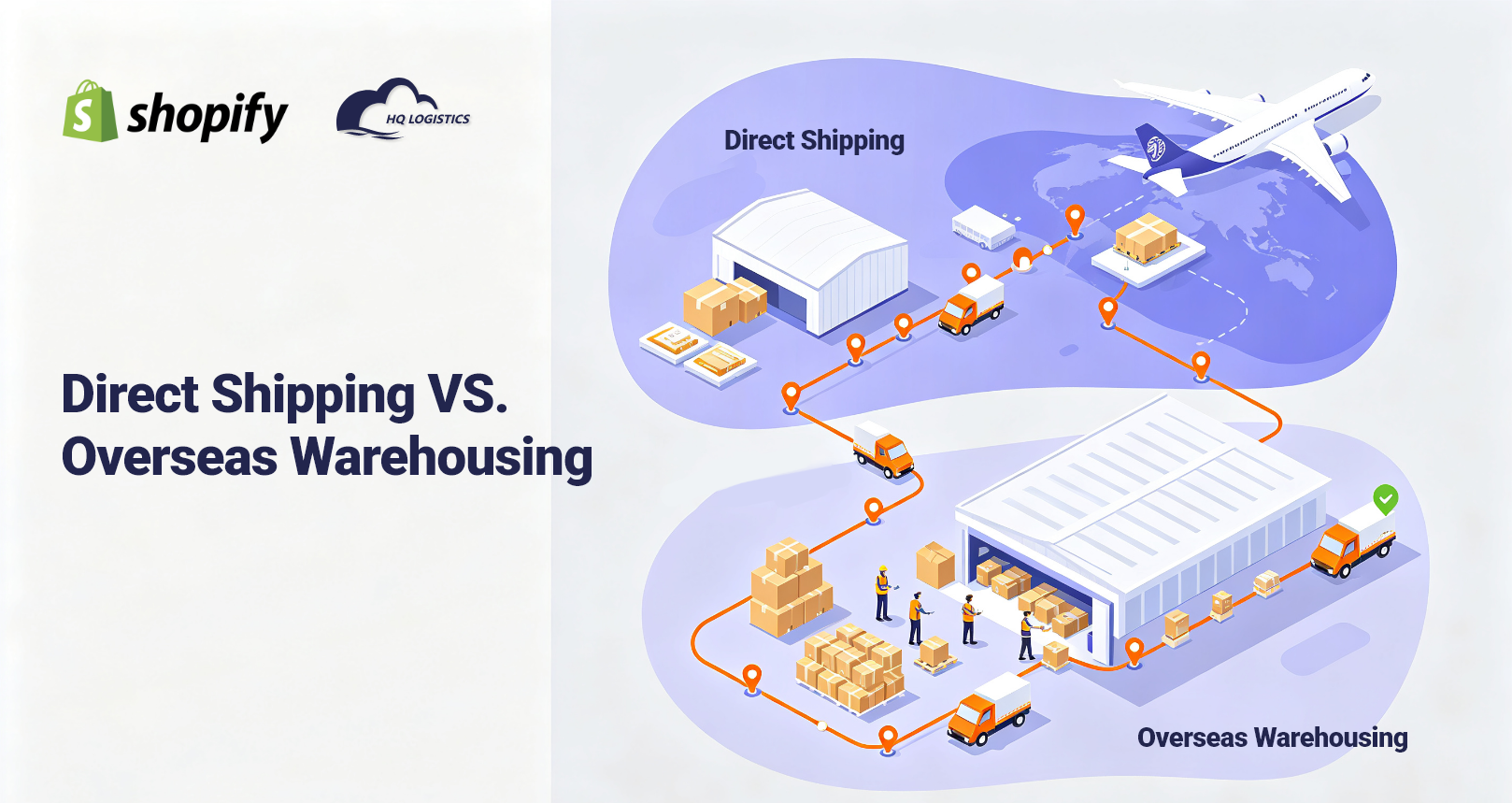
A Smarter Hybrid Model for Shopify Perfume Brands
You don't necessarily need to choose only one model.
A hybrid strategy can work better.
Stage 1: Test
New Perfume → Direct Shipping
Use smaller quantities to validate demand.
Stage 2: Identify Winners
Sales Data → Best-Selling Scents → Demand Forecast
Identify which fragrances deserve deeper inventory.
Stage 3: Stock Overseas
Bulk Sourcing → Quality Control → Overseas Warehouse
Move proven products closer to customers.
Stage 4: Scale
Local Fulfillment → Replenishment → Multi-Market Inventory
Use demand data to determine when and where to replenish.
This approach allows brands to maintain the flexibility of dropshipping while gradually building a more scalable fulfillment network.
5 Common Perfume Shipping Mistakes
Mistake 1: Treating Perfume Like Regular Products
Perfume may be subject to Dangerous Goods transportation requirements.
Mistake 2: Using Inaccurate Product Descriptions
Vague or inconsistent customs information can create questions during clearance.
Mistake 3: Choosing a Carrier Based Only on Price
A low shipping rate is not useful if the carrier cannot properly accept and transport the product.
Mistake 4: Ignoring Destination Regulations
EU cosmetics, for example, have specific requirements for safety, Responsible Person arrangements, notification, and labeling.
Mistake 5: Waiting Until Peak Season to Prepare Inventory
Once perfume becomes a best seller, moving inventory to an overseas warehouse before peak demand can provide more fulfillment options.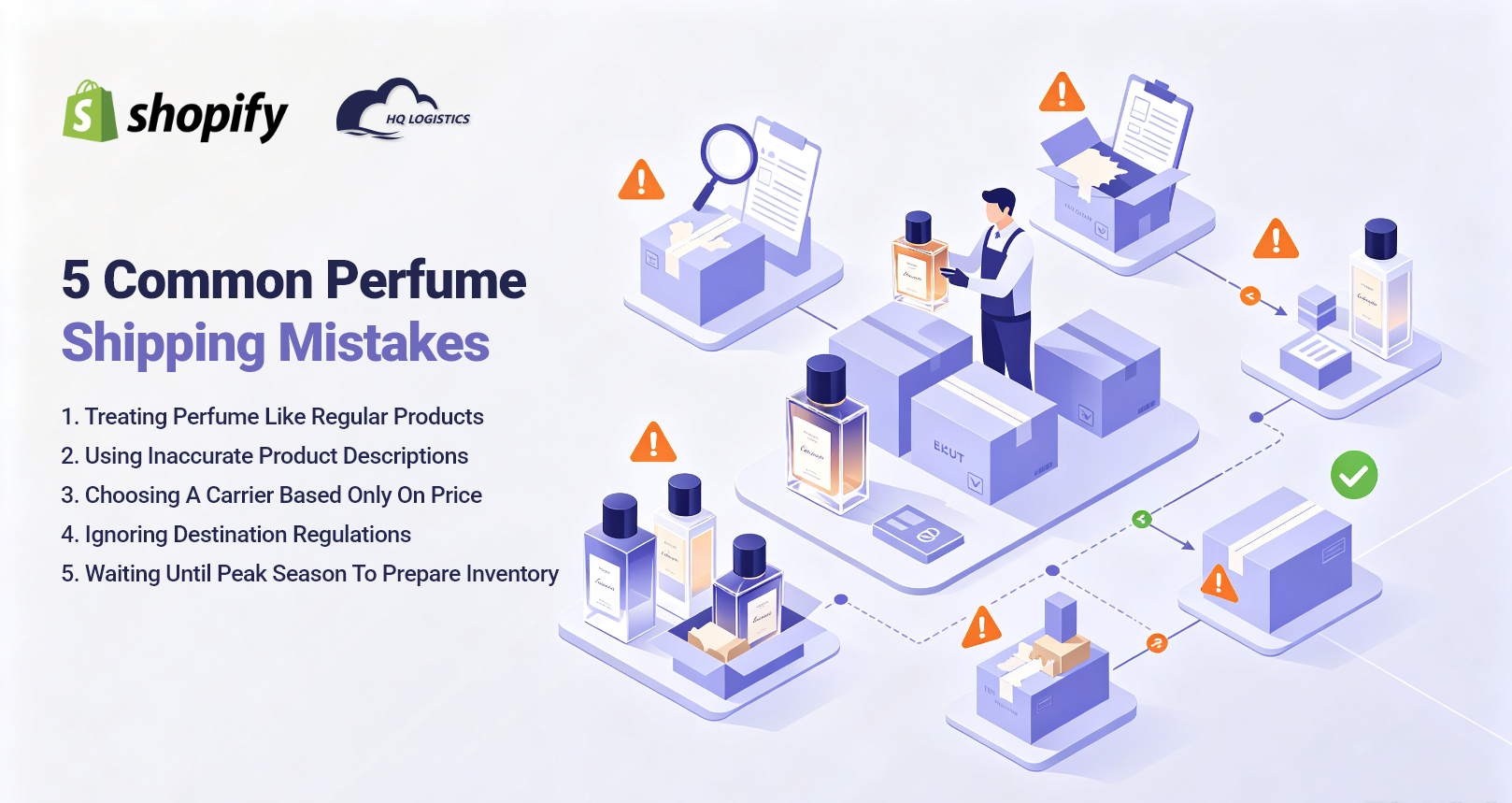
How to Build a Better Perfume Supply Chain
For growing Shopify brands, the ideal process is not simply:
Order → Ship → Deliver
It should be:
Forecast Demand → Source Products → Verify Product & Compliance Requirements → Inspect Quality → Optimize Packaging → Choose Shipping Route → Position Inventory → Fulfill Orders → Monitor Sales & Replenish
This creates a supply chain that can adapt as the brand grows.
Final Thoughts
International perfume shipping can be complicated, but many customs delays are preventable.
The key is to prepare before the shipment leaves the warehouse.
Focus on:
Product Classification | Accurate Documentation | Carrier Selection | Protective Packaging | Destination Requirements | EU Compliance | Inventory Planning
For growing Shopify brands, the next step may be moving from individual dropshipping shipments toward a combination of:
China Sourcing + 4PL Supply Chain Management + Overseas Warehousing + Local Fulfillment
The goal isn't simply to ship perfume internationally.
It's to build a supply chain that helps your fragrance brand clear customs more smoothly, fulfill more reliably, and scale across markets.
Source smarter. Ship compliantly. Stock closer. Grow faster.
FAQs
1. Can perfume be shipped internationally?
Yes, but whether and how it can be shipped depends on the product's formulation, alcohol content, packaging, quantity, destination, and transportation mode. Many alcohol-based perfumes are subject to Dangerous Goods requirements.
2. Why does perfume get held by customs?
Common causes can include incomplete documentation, inaccurate declarations, product classification issues, missing information, destination restrictions, or additional regulatory checks.
3. Can I ship perfume from China to Europe?
It may be possible, but brands need to consider both transportation rules and the regulatory requirements of the destination market. For cosmetics sold in the EU, requirements include safety assessment, a Responsible Person, product notification, and compliant labeling.
4. Should I use an overseas warehouse for perfume?
If you have stable sales in a specific market, an overseas warehouse can be worth considering. It allows proven products to be imported in bulk and then fulfilled locally.
5. How can Shopify brands reduce perfume shipping delays?
Start with correct product classification, complete customs documentation, compliant packaging, an appropriate carrier, destination-market checks, and proactive inventory planning.
6. Can a 4PL partner manage perfume fulfillment?
A 4PL partner can coordinate the broader supply chain, including sourcing, quality control, inventory planning, international transportation, overseas warehousing, fulfillment, and replenishment. Product compliance responsibilities should still be clearly assigned to the appropriate parties.