2026 Q4 Fashion Fulfillment Guide: How Shopify Clothing Brands Prepare for Peak Season
2026 Q4 Fashion Fulfillment Guide: How Shopify Clothing Brands Prepare for Peak Season
Q4 is one of the most important sales periods for Shopify clothing brands.
From Halloween and Black Friday to Cyber Monday and Christmas, ecommerce demand can rise quickly. For fashion brands, peak season also brings additional challenges: more SKUs, more size and color variations, higher return volumes, and tighter delivery expectations.
The brands that perform best during Q4 don't wait for orders to surge before preparing.
They plan their inventory, warehousing, fulfillment, and shipping capacity in advance.
For clothing brands sourcing from China, a well-planned supply chain can look like:
China Sourcing → Quality Control → Inventory Planning → Bulk Shipping → US/EU Warehouse → Fulfillment → Last-Mile Delivery
Here is how Shopify clothing brands can prepare for Q4 2026.
Why Q4 Is Critical for Fashion Brands
Q4 combines several major shopping events into one peak season:
Halloween → Black Friday → Cyber Monday → Christmas → New Year
Fashion is especially relevant during this period because customers are shopping for:
Holiday Outfits | Winter Clothing | Gifts | Partywear | Seasonal Accessories
At the same time, competition becomes stronger.
Customers may compare brands based on:
Price | Product Availability | Delivery Speed | Shipping Cost | Returns | Customer Experience
This means fulfillment is no longer just an operational function.
It becomes part of your competitive advantage.
1. Forecast Demand Before Q4 Begins
The first step is understanding which products are likely to sell.
Don't treat every SKU equally.
Analyze:
Previous Q4 Sales | Current Sales Growth | Best-Selling Sizes | Popular Colors | Seasonal Demand | Product Margins
For example, if a jacket sold 1,000 units last Q4 and sales have grown by 20% this year, simply ordering the same quantity may leave you understocked.
A better approach is to estimate:
Expected Q4 Demand + Safety Stock − Available Inventory = Replenishment Requirement
Use historical data wherever possible instead of relying entirely on intuition.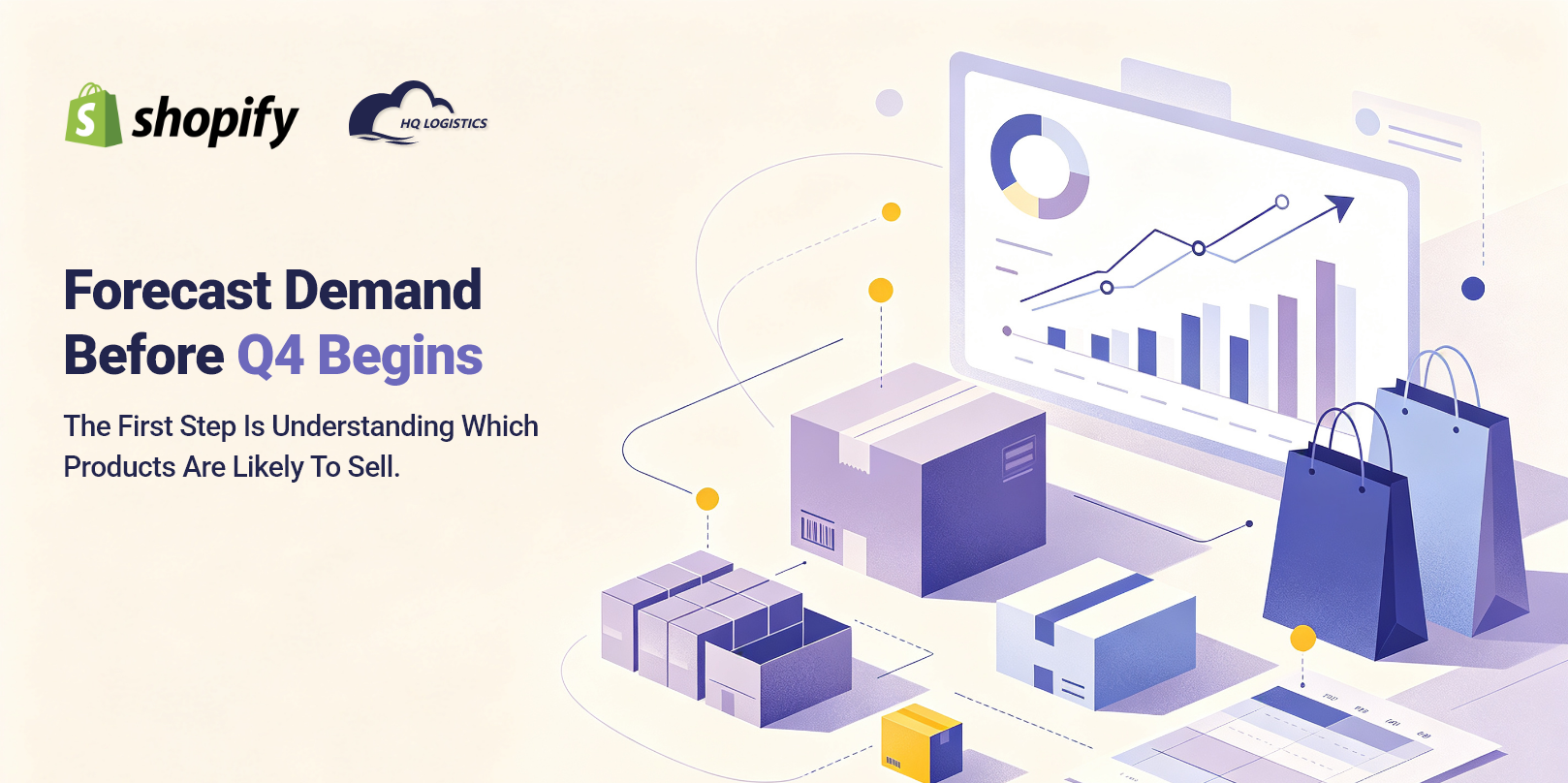
2. Prioritize Your Best-Selling Clothing SKUs
Fashion brands can quickly accumulate hundreds of SKUs.
A single product may have:
5 Colors × 6 Sizes = 30 SKUs
If you sell multiple styles, inventory complexity can grow rapidly.
For Q4, prioritize:
Best Sellers | Fast-Growing Products | Seasonal Winners | High-Margin Items
You don't necessarily need to move every SKU into an overseas warehouse.
Instead:
A-SKUs → High Inventory Priority
B-SKUs → Moderate Inventory
C-SKUs → Limited Stock / Direct Fulfillment
This helps reduce the risk of tying too much capital into slow-moving products.
3. Start China Sourcing Earlier
If your clothing is manufactured or sourced in China, Q4 preparation should begin well before Black Friday.
The supply chain may include:
Supplier Production → Quality Inspection → China Warehouse → Consolidation → International Transportation → Customs → US Warehouse
Every stage takes time.
If you wait until October to place a large replenishment order, you may have limited options when demand suddenly increases.
A better strategy is to identify Q4 inventory requirements early and coordinate production and transportation in advance.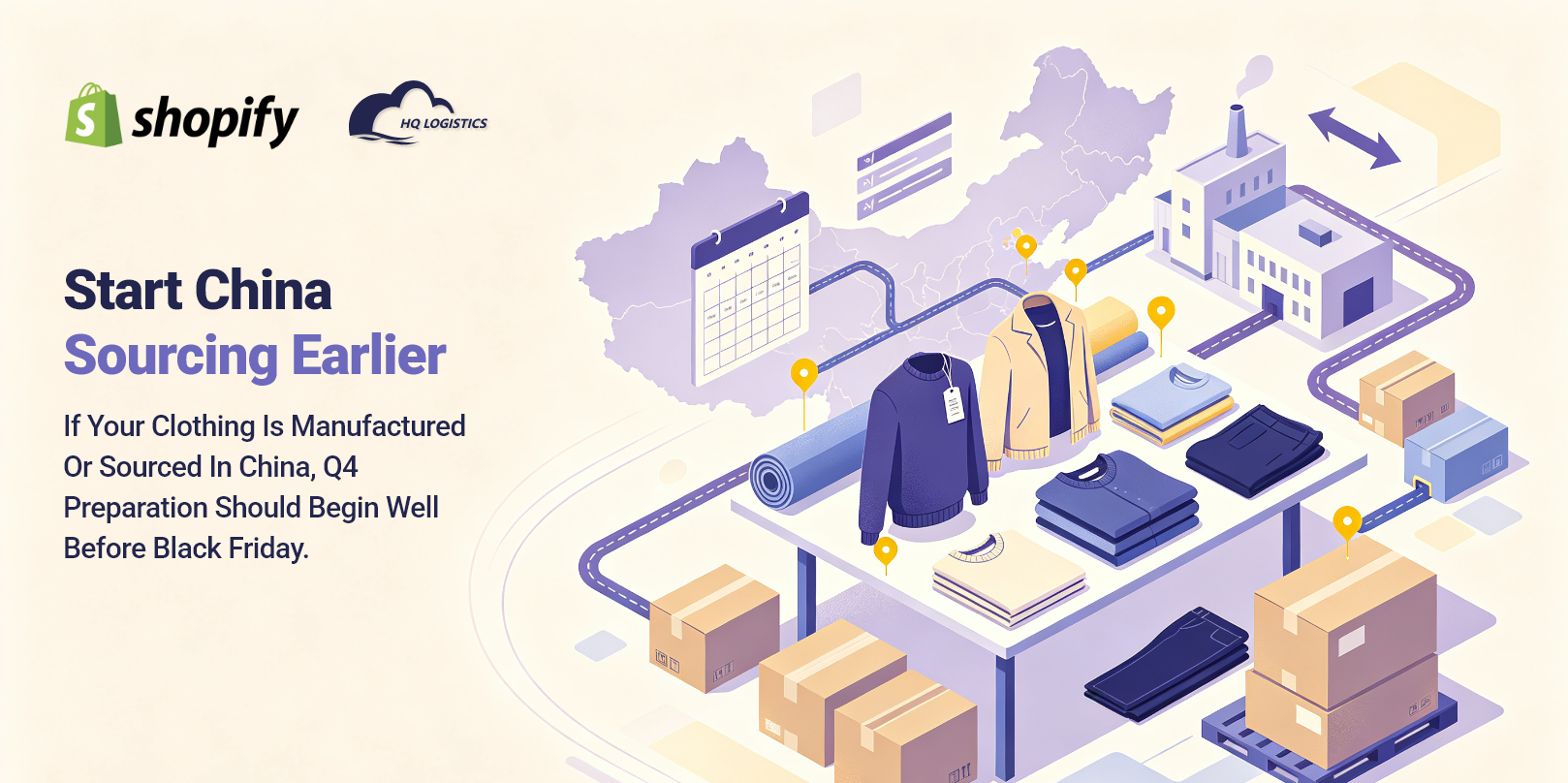
4. Consolidate Inventory Before Shipping
Clothing brands often work with multiple suppliers.
One supplier may produce:
Jackets
Another:
Sweaters
Another:
Accessories
Instead of shipping each purchase order separately, inventory can be consolidated at a China warehouse.
A typical workflow is:
Multiple Suppliers → China Warehouse → Quality Check → SKU Consolidation → Bulk Shipment → US/EU Warehouse
This can make inventory movement easier to manage and can reduce unnecessary individual shipments.
It also creates an opportunity to inspect products before they leave China.
5. Move Winning Products to a US Warehouse
For Shopify brands with strong US demand, pre-positioning inventory in a US warehouse can be especially useful during Q4.
Instead of:
Customer Order → China → International Shipping → US Customer
use:
China → Bulk Shipment → US Warehouse → Domestic Fulfillment → Customer
The international transportation happens before the customer places the order.
Once inventory is in the US, individual orders can be processed through domestic fulfillment.
This can help brands achieve:
Faster Delivery | More Predictable Transit | Better Inventory Availability
For brands selling primarily to US customers, this can be an important part of Q4 preparation.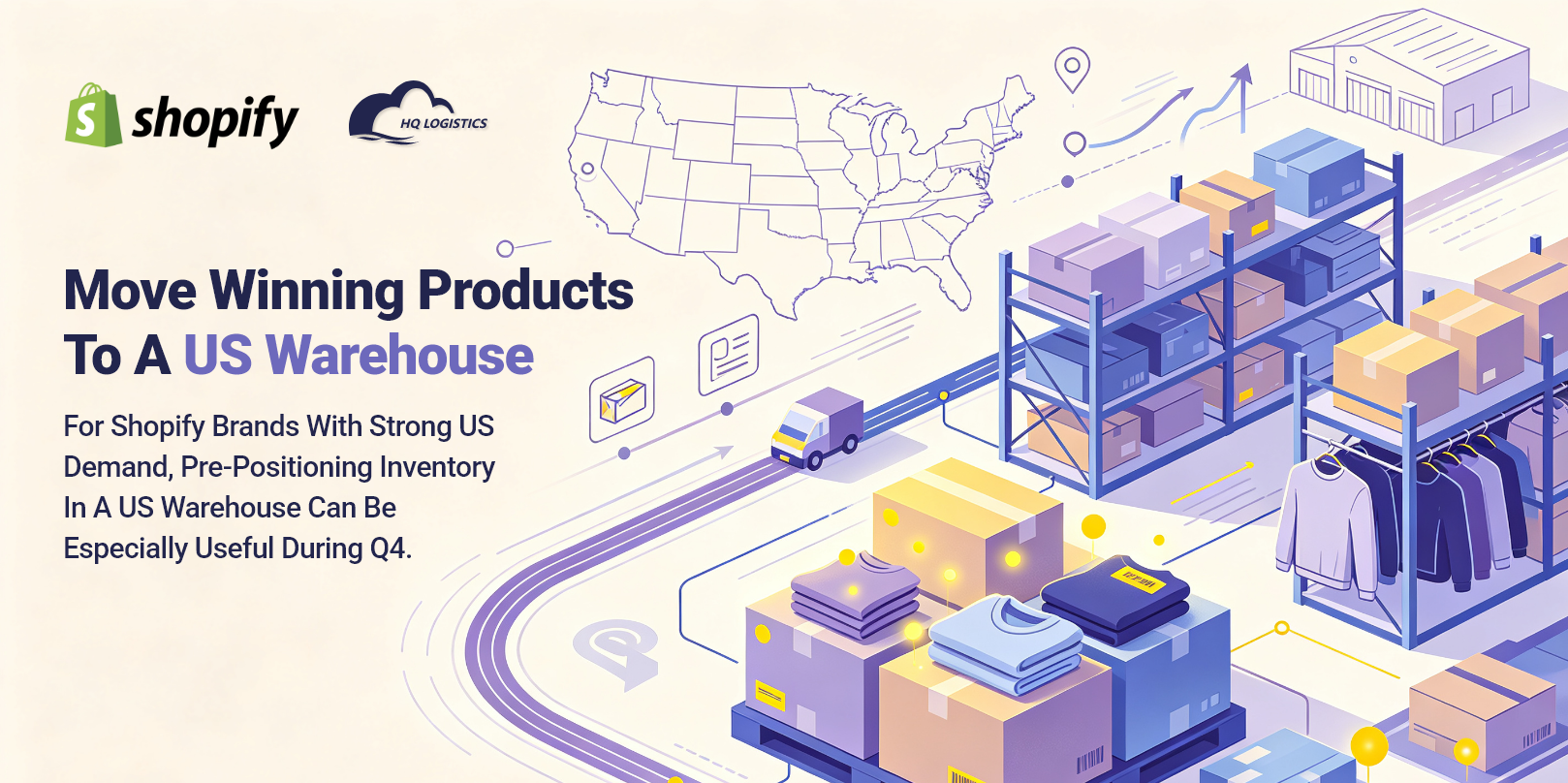
6. Consider EU Warehousing for European Demand
The same principle applies to European markets.
If your Shopify store receives consistent orders from:
Germany | France | Netherlands | Spain | Italy | Belgium
it may be worth evaluating regional EU inventory.
Instead of shipping every order individually from China:
China → Individual Shipment → European Customer
you can consider:
China → Bulk Shipment → EU Warehouse → Regional Fulfillment → Customer
This can help reduce reliance on individual cross-border shipments and create a more localized fulfillment experience.
7. Optimize Clothing Packaging
Fashion products are generally lightweight, but clothing can take up considerable space.
This makes packaging optimization important.
Consider:
Poly Mailers | Vacuum Packaging Where Appropriate | Right-Sized Cartons | Folded Garments | Reduced Empty Space
The goal is to reduce package volume without damaging the products.
For example:
Oversized Packaging → More Volume → Higher Shipping Cost
while:
Optimized Packaging → Lower Volume → Better Shipping Efficiency
For premium brands, packaging should still protect the product and provide an appropriate unboxing experience.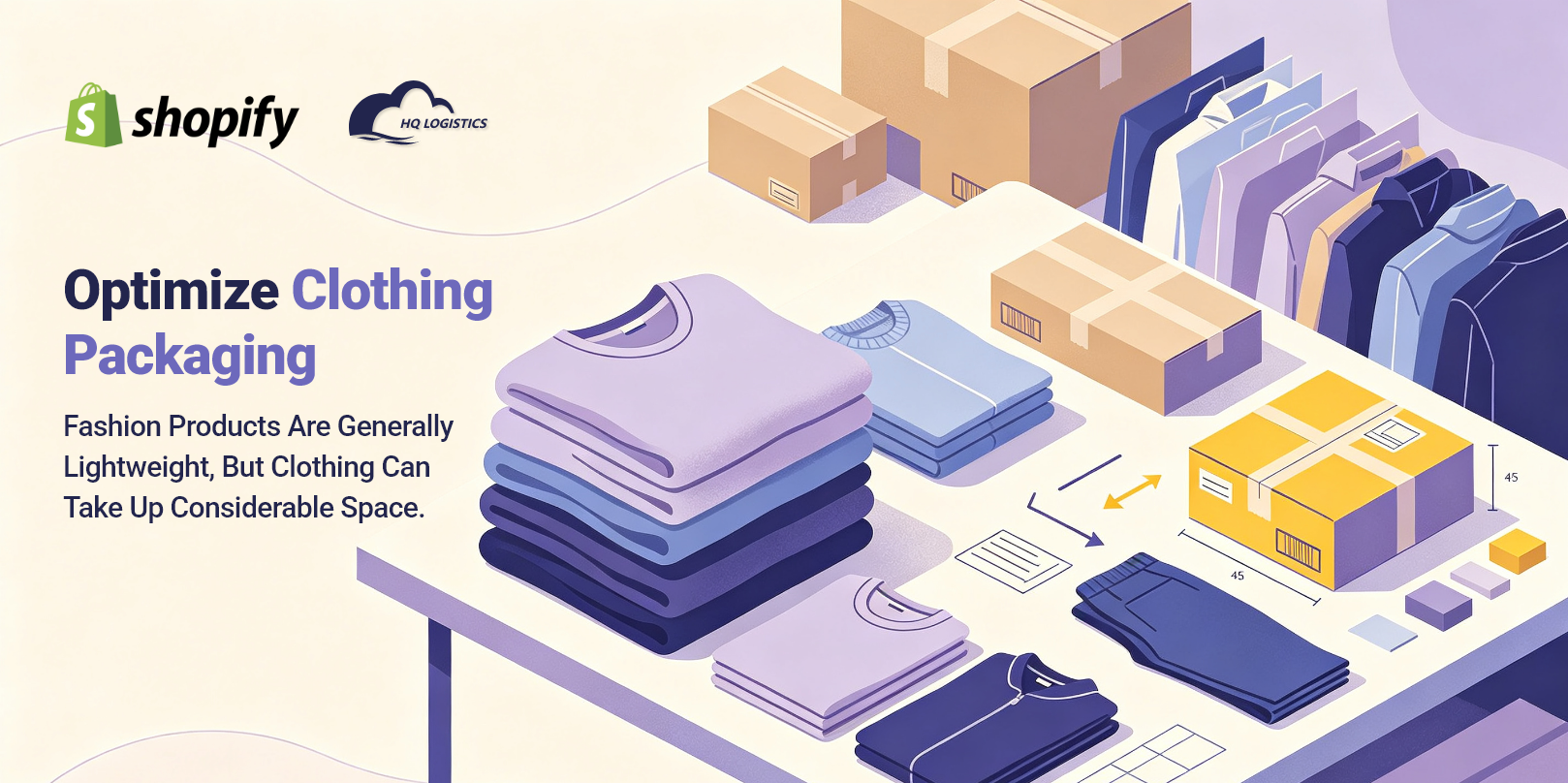
8. Prepare for More Returns
Fashion has another challenge that many other ecommerce categories don't face at the same level:
Size and fit.
During Q4, increased order volume can also mean increased returns.
Brands should plan for:
Return Address | Inspection | Quality Check | Restocking | Exchange Processing | Refunds
An organized returns workflow can help recover sellable inventory quickly.
For example:
Customer Return → Warehouse Inspection → Quality Check → Restock → Available for New Order
The faster this process works, the less inventory is unnecessarily tied up.
9. Prepare Your Warehouse for Peak Order Volume
Having enough inventory is not enough.
Your warehouse must also have enough capacity to process orders.
Before Q4, evaluate:
Daily Order Capacity | Picking Capacity | Packing Capacity | Labor | Storage Space | Shipping Capacity
For example:
If your normal volume is:
500 Orders/Day
and Q4 demand can reach:
1,500 Orders/Day
your warehouse needs to be prepared for the additional workload.
Otherwise, you may have plenty of inventory but still experience fulfillment delays.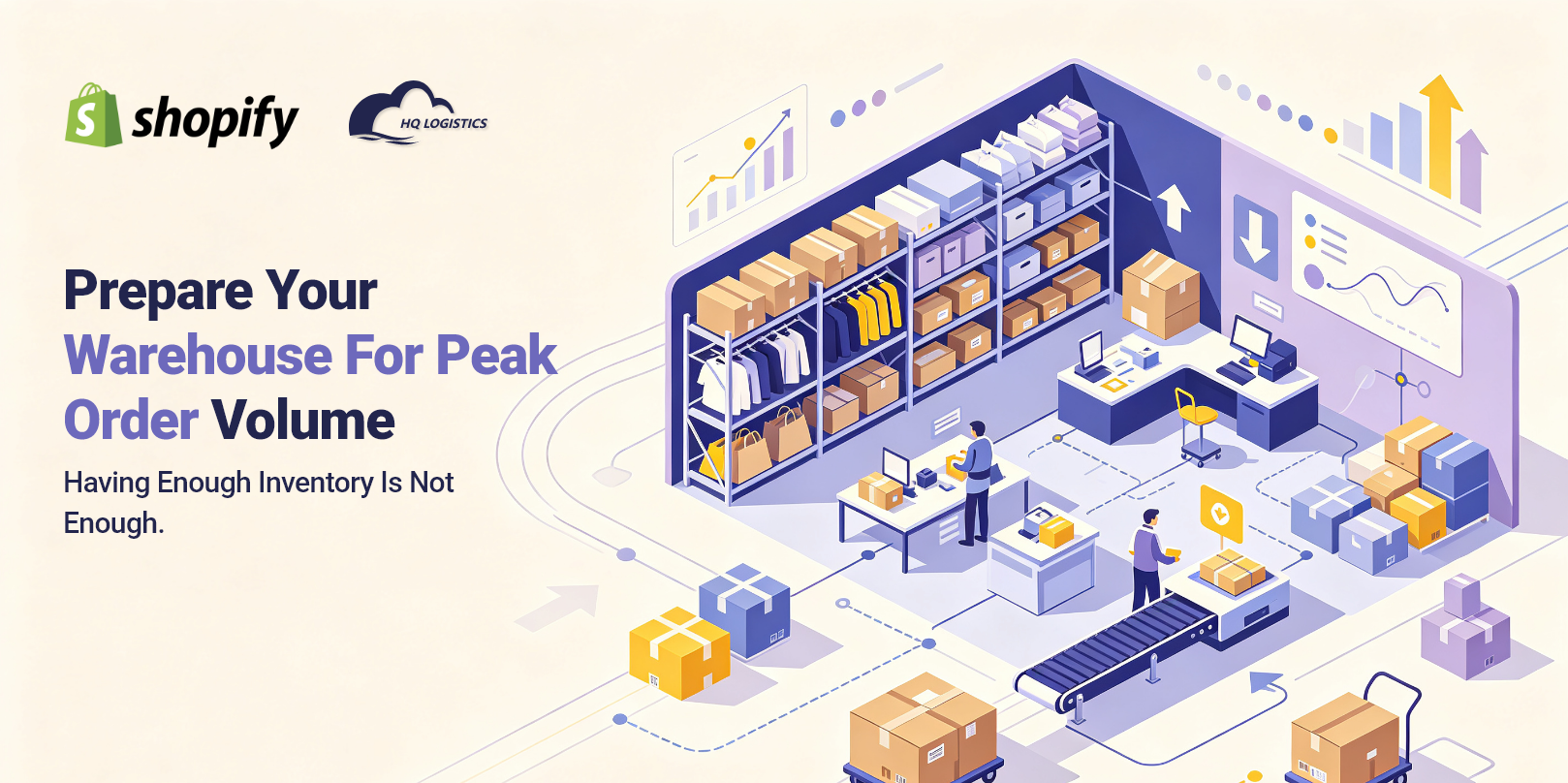
10. Connect Shopify With Your Fulfillment System
Manual order processing becomes increasingly difficult during peak season.
An integrated Shopify fulfillment workflow can connect:
Shopify → Order Management → WMS → Pick & Pack → Shipping → Tracking
This can help automate:
Order Sync | Inventory Updates | Warehouse Allocation | Fulfillment | Tracking Updates
For fashion brands with hundreds of variants, real-time inventory visibility is particularly important.
You need to know:
What Is Selling?
What Is Running Low?
Which Warehouse Has Stock?
When Should You Replenish?
11. Build a Q4 Replenishment Plan
Don't treat Q4 inventory as a single shipment.
Demand can change rapidly between October and December.
A better strategy is:
Initial Stock → Sales Monitoring → Replenishment Trigger → Additional Inventory → Peak Fulfillment
Track:
Daily Sales | Inventory Remaining | Sales Velocity | Incoming Stock | Warehouse Inventory
For example, if a best-selling hoodie is selling much faster than expected, you should identify the trend early enough to arrange additional inventory.
The goal is to avoid:
Stockout → Lost Sales → Emergency Shipping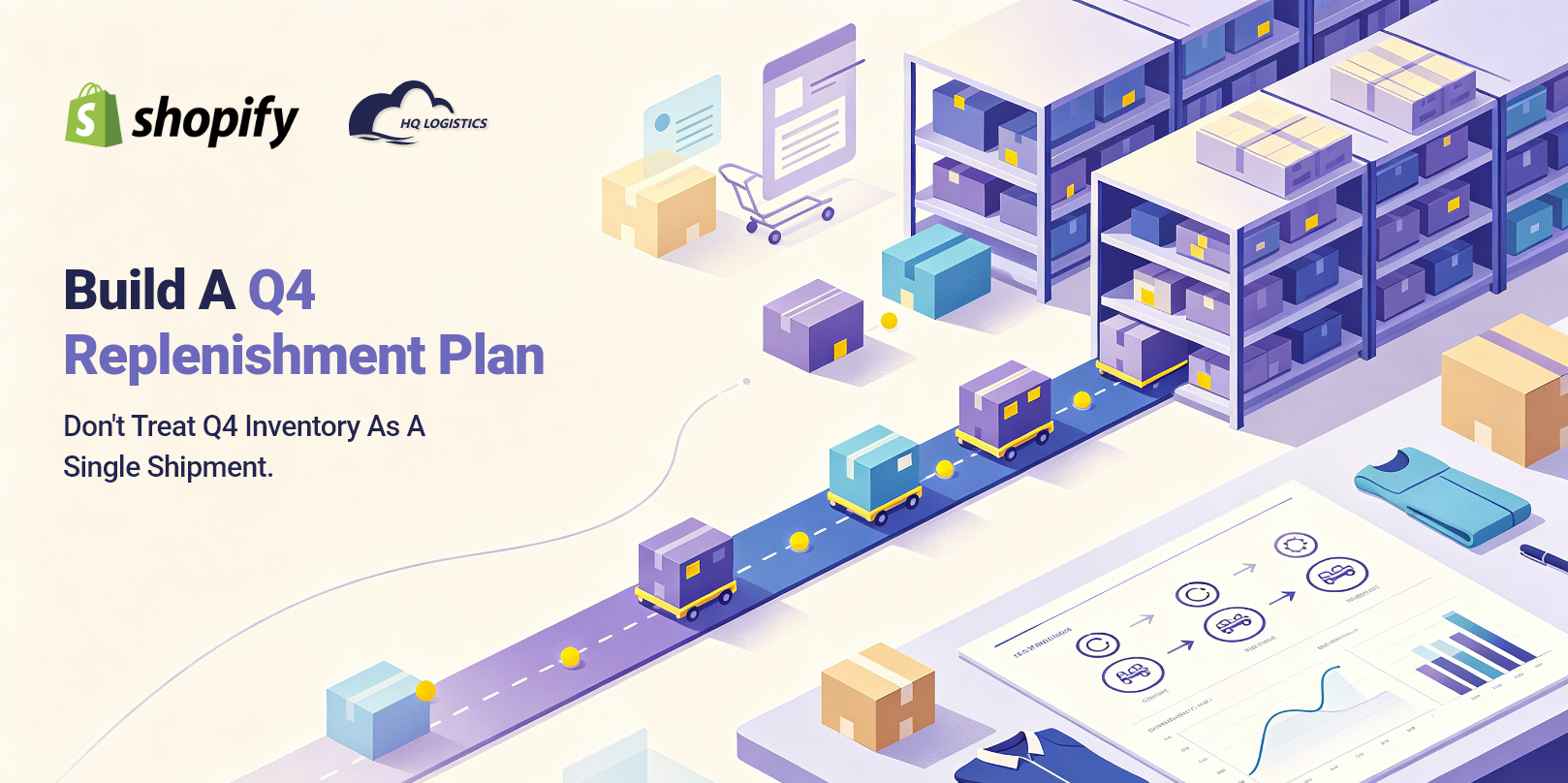
12. Prepare Different Inventory for Different Q4 Events
Q4 isn't one single sales event.
Each period can have different customer behavior.
Halloween
Focus on:
Costumes | Themed Clothing | Accessories
Black Friday
Focus on:
Best Sellers | Promotional Products | High-Margin Products
Cyber Monday
Focus on:
Online Deals | Bundles | Fast-Moving SKUs
Christmas
Focus on:
Giftable Clothing | Winter Products | Accessories | Gift Sets
Planning inventory by event can help brands allocate stock more effectively.
13. Use 4PL to Coordinate the Entire Q4 Supply Chain
This is where 4PL can go beyond traditional fulfillment.
A traditional 3PL generally focuses on:
Storage → Pick → Pack → Ship
A 4PL approach connects more stages:
Sourcing → Supplier Coordination → Inventory Planning → Quality Control → International Logistics → Overseas Warehousing → Fulfillment
For Q4, this means your supply chain can be planned as one system.
Instead of asking:
“Can the warehouse ship my orders?”
you can ask:
“Will the right products arrive at the right warehouse before demand peaks?”
That is a much more strategic question.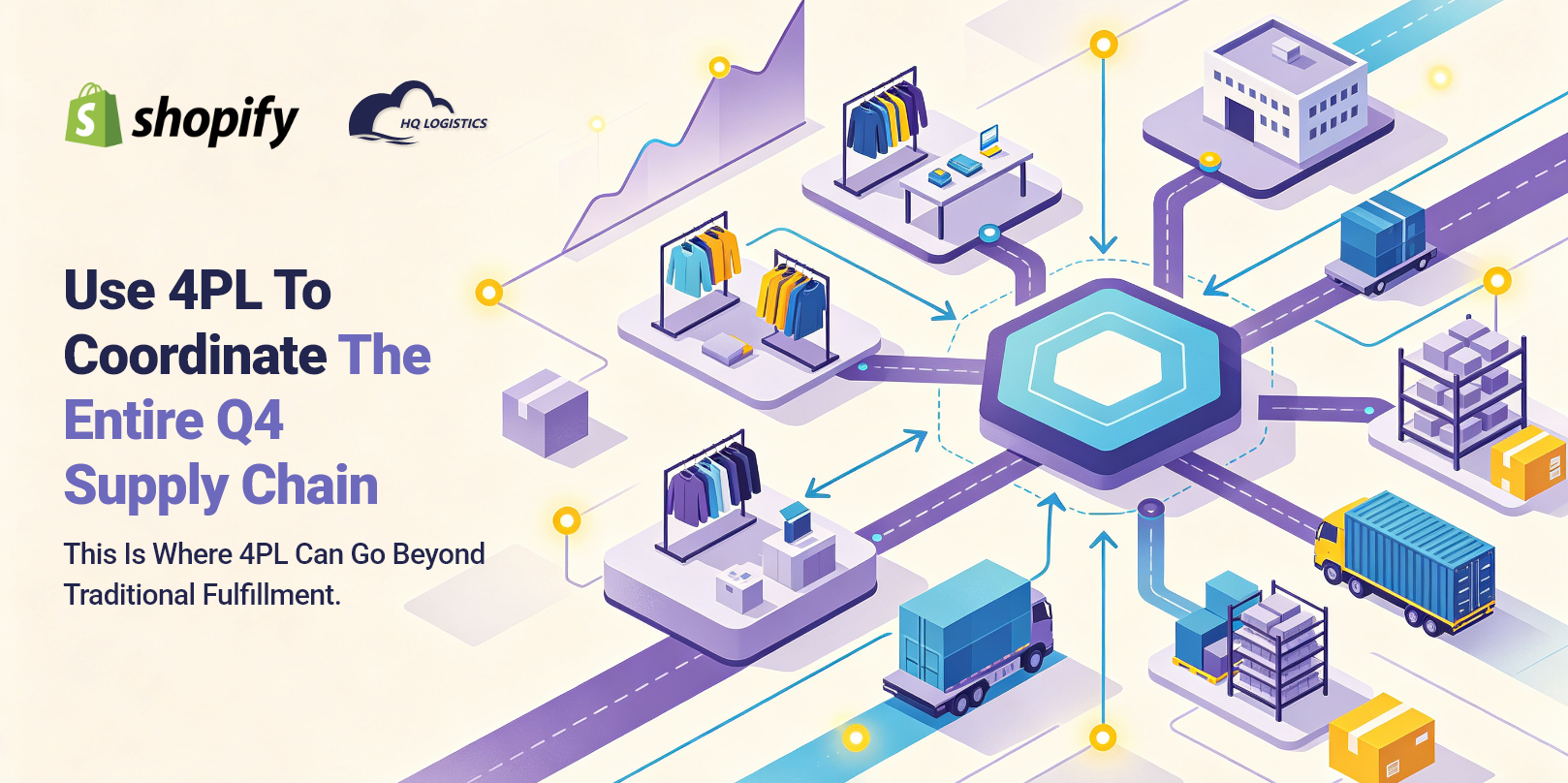
14. Build a China-to-US Q4 Supply Chain
For US-focused Shopify clothing brands, an efficient Q4 model can look like:
China Suppliers → HQ China Warehouse → Quality Inspection → Inventory Consolidation → Bulk Transportation → US Overseas Warehouse → Shopify Order Sync → Pick & Pack → US Domestic Shipping → Customer
This structure separates international inventory movement from individual customer delivery.
That can make the supply chain easier to plan before peak season begins.
15. Don't Wait Until Black Friday to Prepare
A practical Q4 preparation timeline could look like this:
July–August
Analyze sales | Identify best sellers | Forecast demand | Plan Q4 inventory
August–September
Place supplier orders | Quality control | Consolidate inventory | Plan international transportation
September–October
Move inventory to US/EU warehouses | Test fulfillment | Prepare packaging | Check inventory levels
October
Prepare Halloween inventory | Monitor sales | Confirm warehouse capacity
November
Black Friday + Cyber Monday | Daily inventory monitoring | Replenishment
December
Christmas fulfillment | Delivery monitoring | Returns preparation
The exact timeline depends on your product and supplier lead times, but the principle is simple:
Prepare inventory before peak demand—not after it arrives.
3PL vs. 4PL for Q4 Fashion Fulfillment
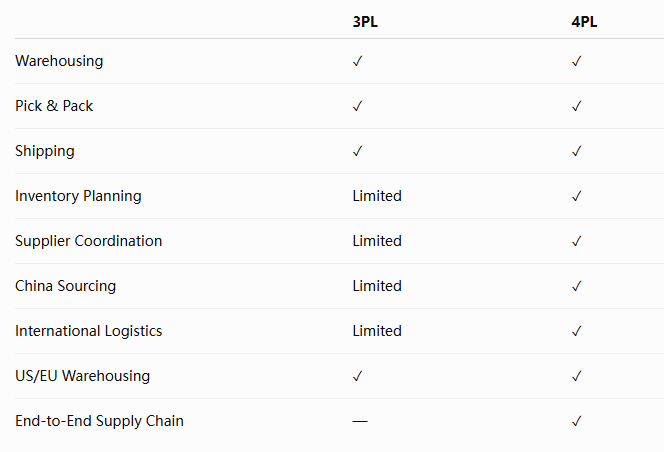
A 3PL can be a strong solution when a brand primarily needs warehouse and fulfillment services.
A 4PL becomes more valuable when the brand needs to coordinate sourcing, inventory, transportation, overseas warehousing, and fulfillment together.
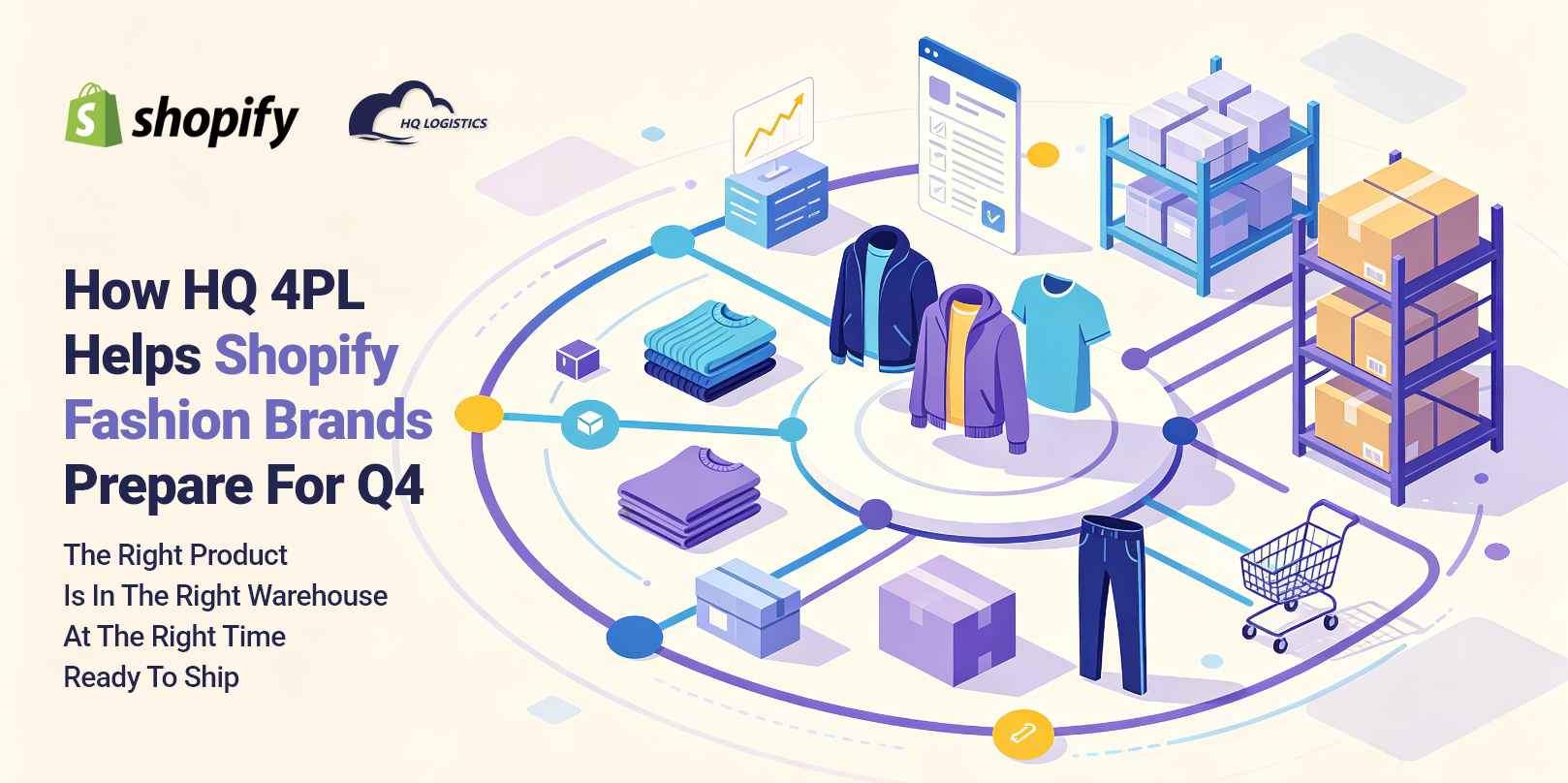
How HQ 4PL Helps Shopify Fashion Brands Prepare for Q4
HQ 4PL can connect the complete supply chain:
China Sourcing → Supplier Coordination → Quality Control → Demand & Inventory Planning → Bulk Transportation → US / EU Overseas Warehousing → Shopify Integration → Peak-Season Fulfillment → Last-Mile Delivery
This allows brands to plan around the entire customer journey rather than focusing only on the final shipping step.
The goal is to make sure:
The Right Product
Is in the Right Warehouse
At the Right Time
Ready to Ship
Final Thoughts
Q4 success doesn't start with Black Friday.
It starts months earlier with inventory planning, supplier coordination, transportation, and warehouse preparation.
For Shopify clothing brands sourcing from China, a smarter strategy is to:
Forecast Demand → Source Early → Consolidate Inventory → Move Best Sellers to US/EU Warehouses → Prepare Fulfillment Capacity → Monitor Inventory → Replenish Before Stockouts
And with a 4PL partner, these activities can be managed as one connected supply chain.
The goal isn't simply to survive peak season.
It's to turn peak-season demand into scalable, profitable growth.
FAQs
1. When should Shopify clothing brands start preparing for Q4?
Ideally, preparation should begin 2–4 months before peak season, especially for brands sourcing clothing from China. Supplier production, quality control, international transportation, and warehouse receiving all require lead time.
2. Should I move all my clothing inventory to a US warehouse?
No. Start with best-selling, fast-moving, and proven SKUs. New or slow-moving products can remain in a direct-fulfillment model until demand becomes more predictable.
3. How much inventory should I prepare for Black Friday?
Use historical sales, current growth, expected promotional demand, supplier lead time, and safety stock to create a forecast. Avoid relying on one fixed number for every SKU.
4. Why use a US warehouse for Q4 fashion fulfillment?
Pre-positioning inventory in the US can allow Shopify orders to be fulfilled domestically, helping brands provide faster and more predictable delivery during the busiest shopping period of the year.
5. How can 4PL help with Q4 fulfillment?
A 4PL partner can coordinate sourcing, inventory planning, quality control, international transportation, overseas warehousing, and fulfillment, helping brands prepare their supply chain before peak demand arrives.