Q4 Is Coming: Is It Time to Switch Your Supplier?
Q4 Is Coming: Is It Time to Switch Your Supplier?
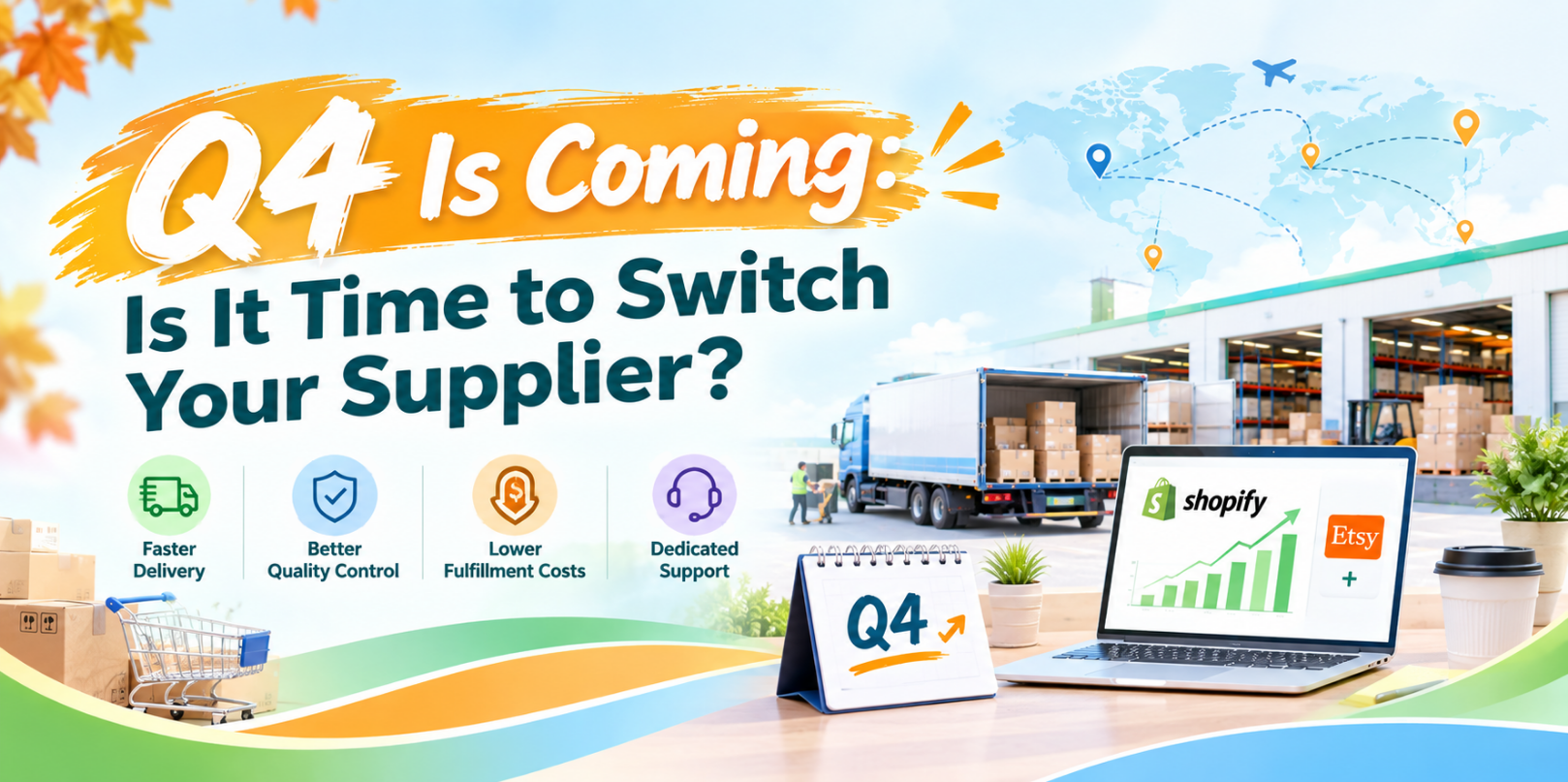
Q4 is coming, and for ecommerce brands, this is often the most important sales period of the year.
Halloween, Black Friday, Cyber Monday, and Christmas can bring a major increase in traffic and orders. But higher demand can also expose problems that are easy to ignore during normal months.
Your supplier may have worked well when you were processing 10 or 20 orders a day. But what happens when your store suddenly receives 100, 300, or even more orders?
If your supplier cannot keep up with inventory, quality control, packaging, fulfillment, or shipping, Q4 may be the right time to rethink your supply chain.
Why Your Supplier Matters More During Q4
During regular periods, a small delay may not have a major impact on your business.
During Q4, the same delay can become a much bigger problem.
A product shortage can cause you to miss sales. Slow fulfillment can lead to customer complaints. Inconsistent product quality can increase refunds and returns. Limited shipping options can make it difficult to deliver orders before important holidays.
That is why choosing a supplier for Q4 is not only about finding the lowest product price.
You need a supplier that can support inventory, quality, fulfillment, packaging, and logistics as your order volume grows.
7 Signs It May Be Time to Switch Your Supplier Before Q4
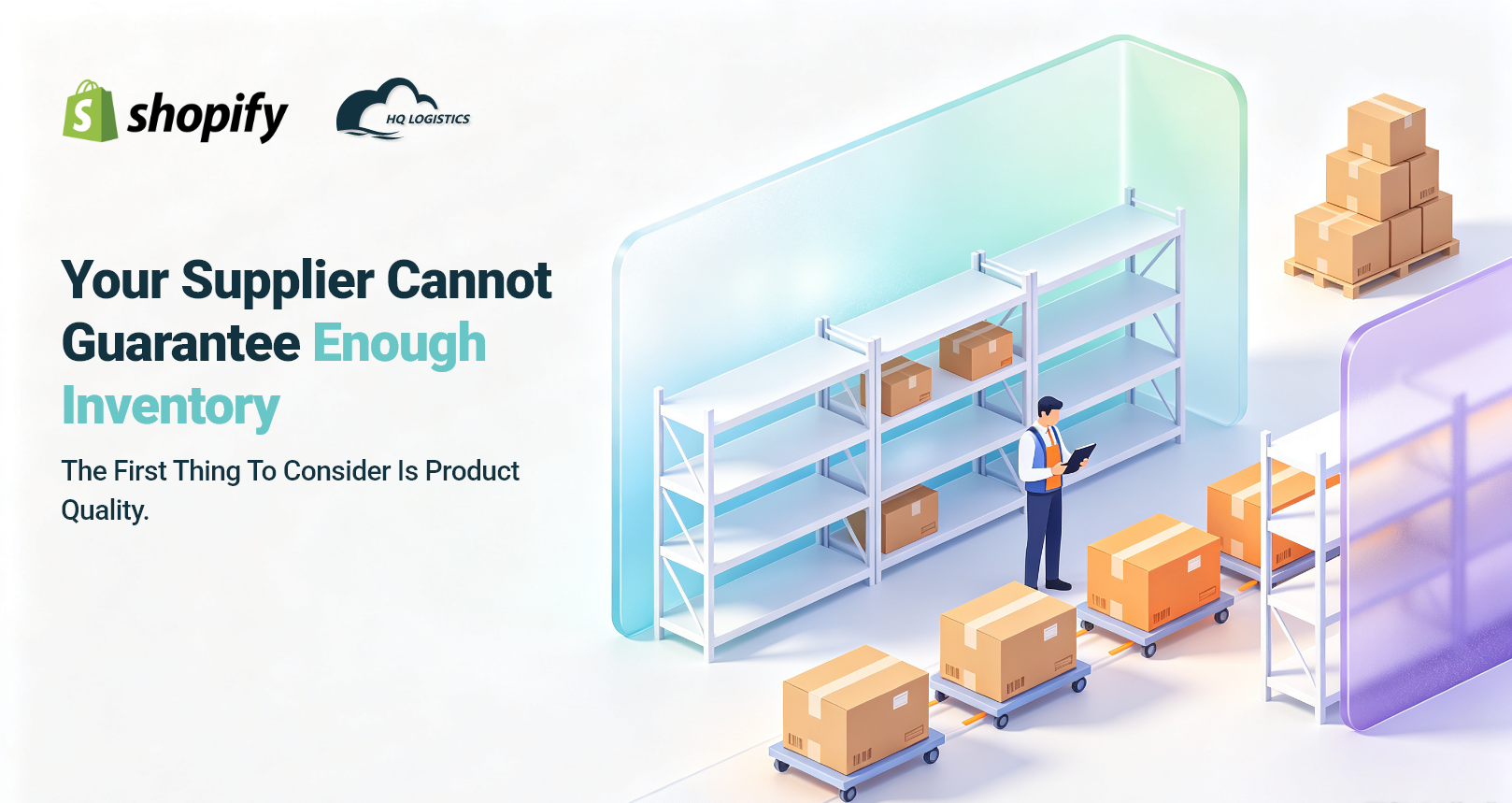
1. Your Supplier Cannot Guarantee Enough Inventory
One of the biggest Q4 risks is running out of your best-selling products.
If your supplier only starts preparing inventory after receiving your orders, you may face longer processing times when demand suddenly increases.
Before Q4, ask about production capacity, lead times, inventory planning, and replenishment speed.
Production Capacity | Current Inventory | Replenishment Lead Time | Bestseller Stock | Backup Inventory Plan
A good supplier should help you prepare inventory based on your expected sales instead of simply reacting after orders arrive.
2. Product Quality Is Not Consistent
When order volume increases, quality problems can become more frequent.
Different production batches may have slightly different materials, colors, sizes, or finishing. If your supplier does not have a reliable quality control process, these differences can reach your customers.
Before the peak season, check whether your supplier can provide consistent quality and perform inspections before products are shipped.
Material Check | Appearance Check | Quantity Check | Size Check | Function Check | Packaging Check
For baby products, pet products, cosmetics, supplements, and small electronics, quality control can be especially important because product quality directly affects customer trust.
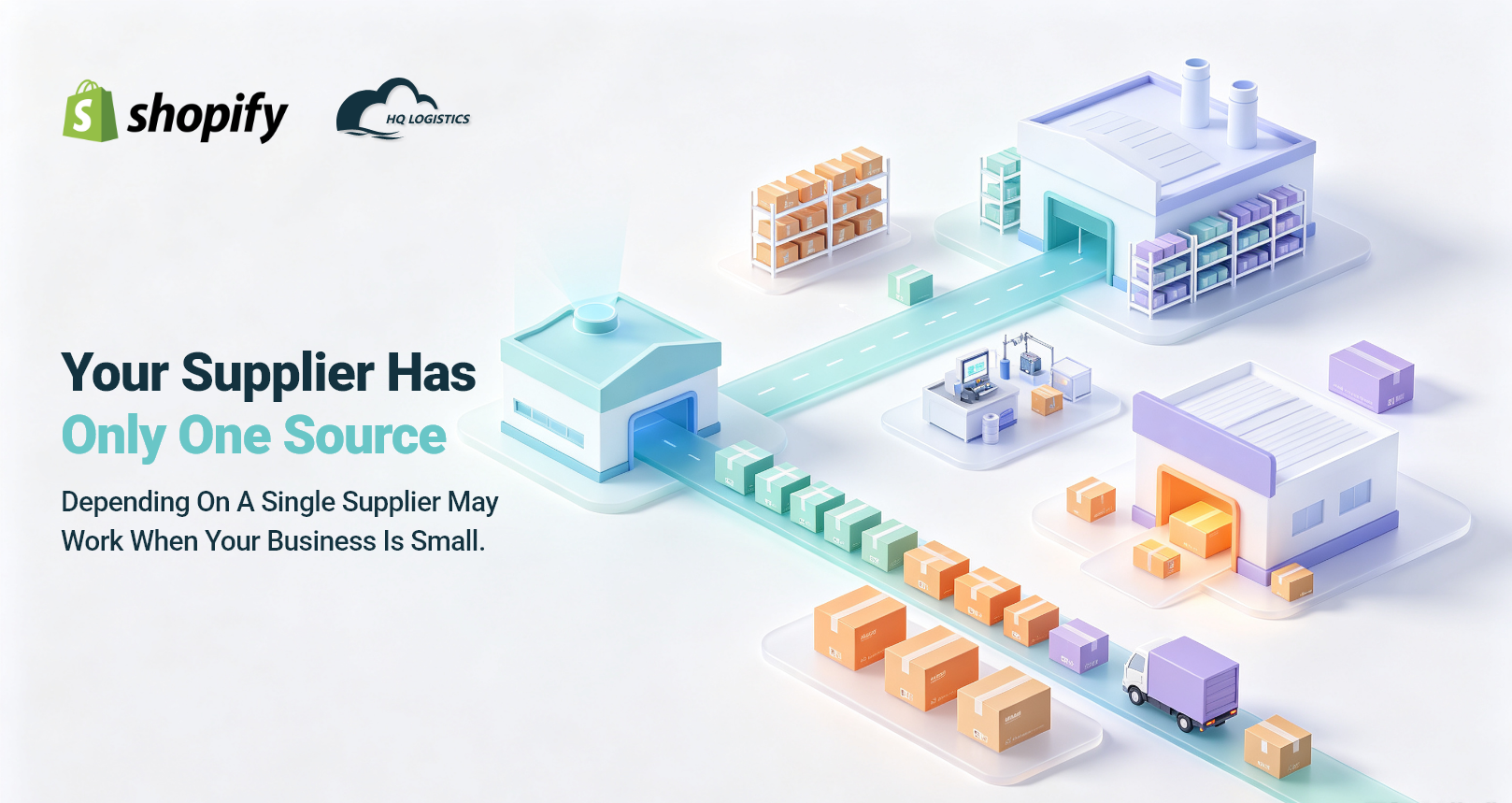
3. Your Supplier Has Only One Source
Depending on a single supplier may work when your business is small.
But as your store grows, supplier risk becomes more important.
Production delays, material shortages, quality problems, or unexpected factory issues can affect your entire business if you have no alternatives.
A stronger supply chain can include multiple qualified suppliers for important products.
Primary Supplier | Backup Supplier | Alternative Product Source | Supplier Quality Comparison | Flexible Replenishment
This does not mean changing suppliers every month. It means having options when your business needs them.
4. Your Supplier Cannot Support Your Branding
Q4 is not only about selling more products. It is also an opportunity to build your brand.
If your supplier only provides basic product fulfillment, you may have limited options for creating a better customer experience.
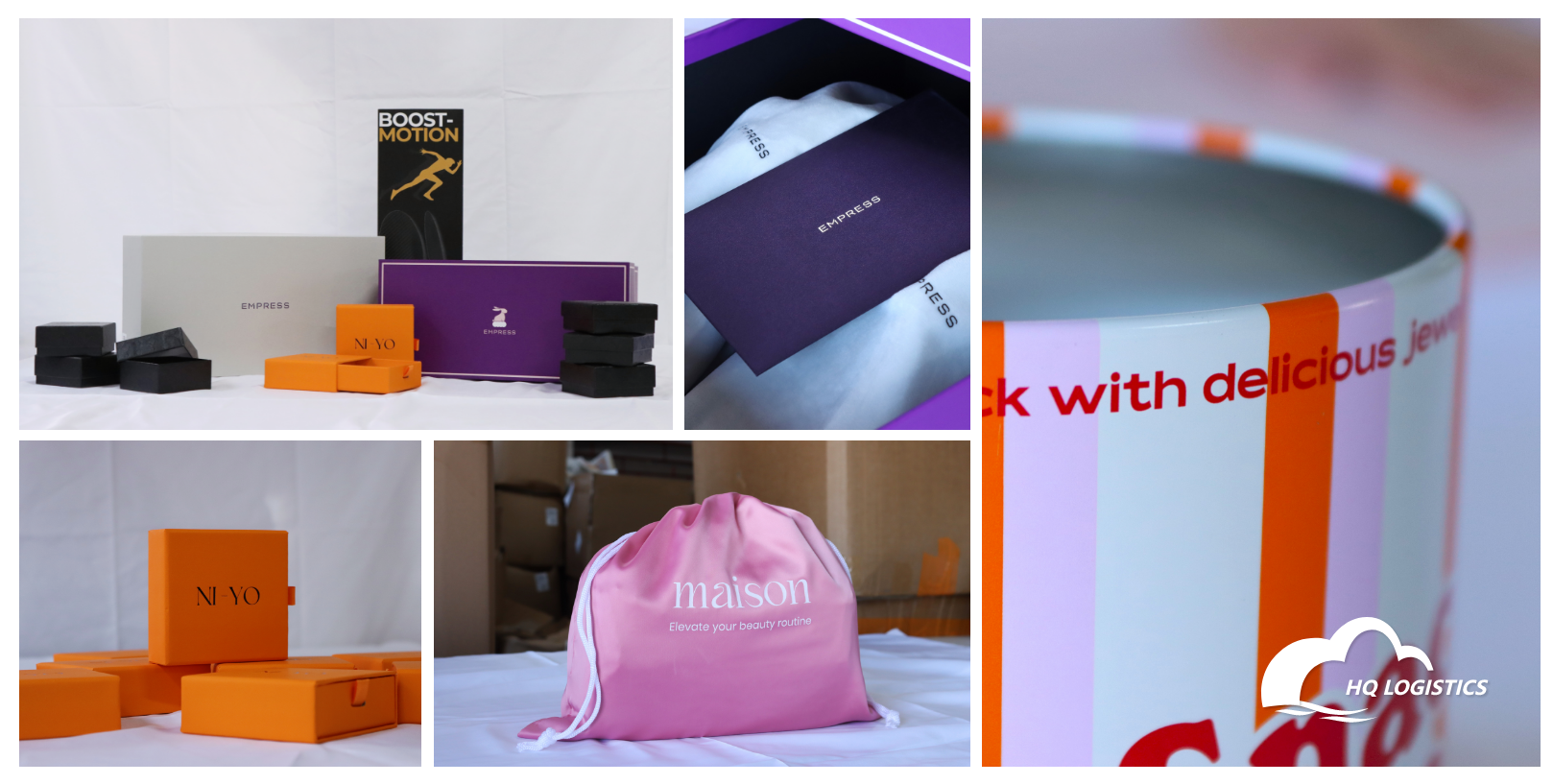
Growing brands may need custom boxes, branded labels, thank-you cards, inserts, hangtags, or other packaging elements.
Custom Packaging | Logo Printing | Thank-You Cards | Inserts | Hangtags | White-Label Packaging
If your current supplier cannot support these requirements, it may be time to look for a fulfillment partner that can grow with your brand.
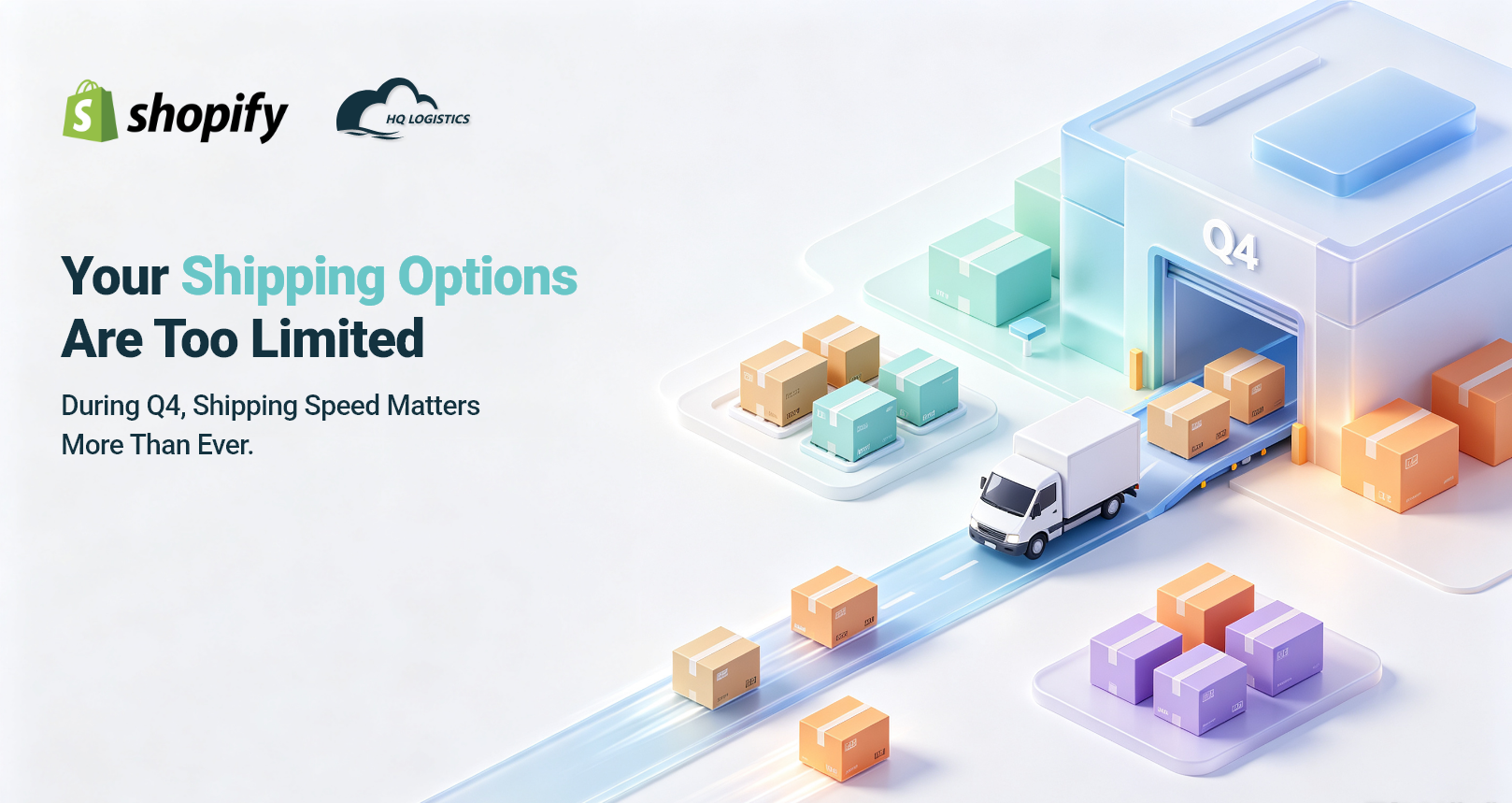
5. Your Shipping Options Are Too Limited
During Q4, shipping speed matters more than ever.
Customers expect their orders to arrive on time, especially when they are purchasing gifts for Halloween, Black Friday promotions, Christmas, or other holiday events.
If your supplier relies on only one shipping channel, you may have fewer options when costs increase or capacity becomes tight.
A better strategy is to have multiple logistics channels based on destination, product type, weight, delivery requirements, and order volume.
Express Shipping | Special Lines | DDP Options | Air Freight | Local Fulfillment | Multiple Carrier Options
The goal is not simply to choose the fastest shipping method. It is to choose the right shipping solution for each order.
6. Your Supplier Cannot Scale With Your Order Volume
Your supplier may perform well today but struggle when your order volume doubles or triples.
This is one of the most important questions to ask before Q4:
Can your supplier handle your peak order volume without sacrificing speed or accuracy?
Look at their fulfillment capacity, warehouse operations, order processing, inventory management, and customer support.
Order Processing Capacity | Warehouse Capacity | Pick & Pack Speed | Fulfillment Accuracy | Customer Support | Peak-Season Backup Plan
If your supplier does not have a clear answer, waiting until Q4 begins could be risky.
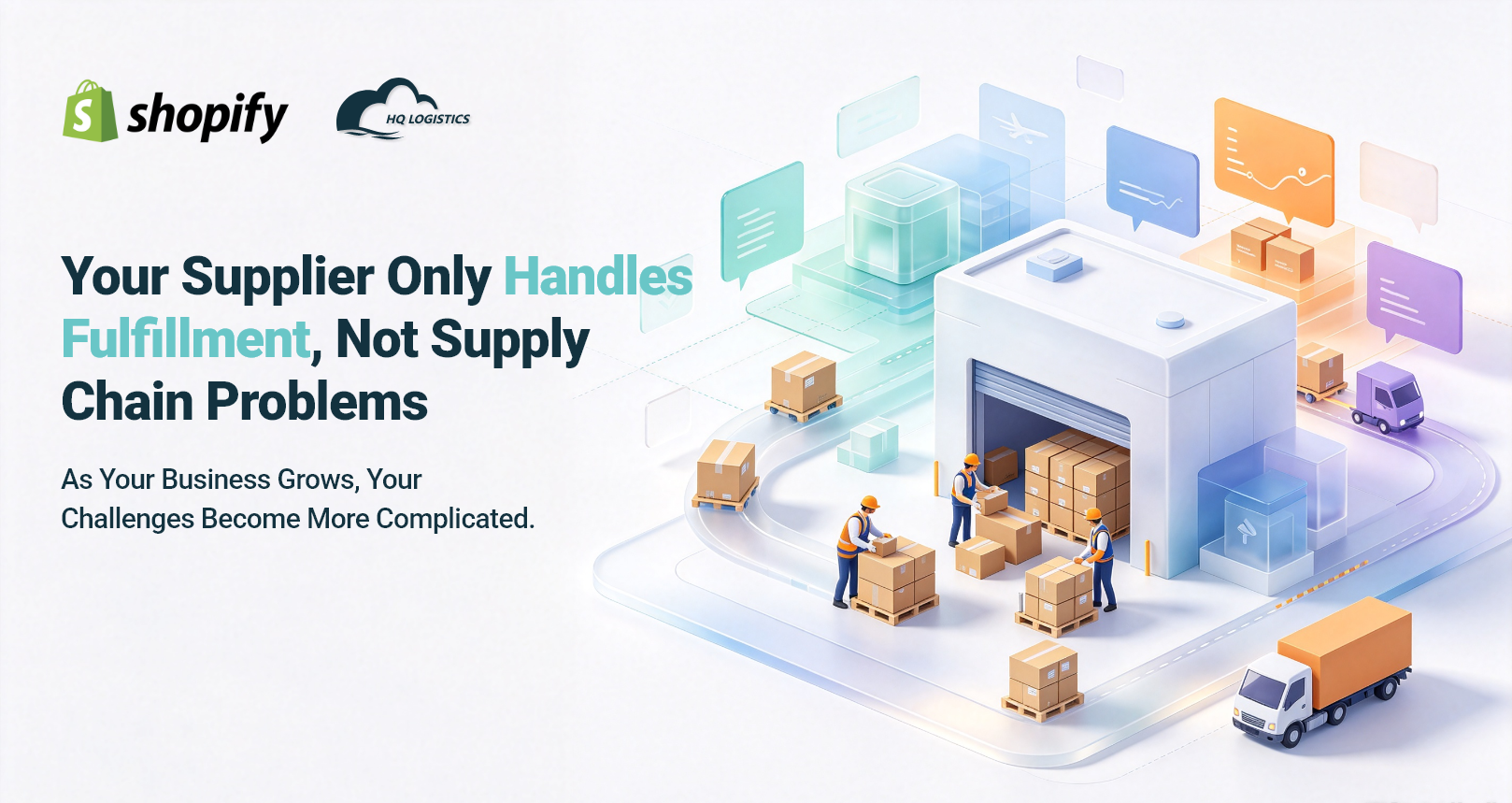
7. Your Supplier Only Handles Fulfillment, Not Supply Chain Problems
As your business grows, your challenges become more complicated.
You may need help with sourcing, supplier management, inventory planning, quality control, packaging, warehousing, fulfillment, and international shipping.
If your current supplier only picks, packs, and ships products, you may eventually need a more complete supply chain solution.
Instead of asking, “Who can ship my orders?”
Start asking:
“Who can help me build a supply chain that supports my growth?”
What Should You Look for in a New Supplier?
Switching suppliers before Q4 does not mean choosing another company based only on shipping prices.
Look at the entire supply chain.
Product Sourcing
Can the supplier help you find suitable products and compare different suppliers?
A strong sourcing process should consider product quality, production capacity, pricing, lead times, and long-term reliability.
Multiple Supplier Options
Can they provide alternative suppliers when your main supplier has production or inventory problems?
Having multiple qualified suppliers can make your supply chain more flexible and reduce dependency on one source.
Quality Inspection
Does the supplier inspect products before fulfillment?
For growing brands, quality control should be part of the fulfillment process rather than something you deal with only after receiving customer complaints.
Custom Packaging
Can the supplier support your brand experience?
Custom boxes, labels, inserts, thank-you cards, and other packaging solutions can help turn a standard product into a more recognizable brand experience.
Multiple Shipping Channels
Can they recommend different logistics solutions based on your destination and product?
A flexible shipping network can help you balance delivery speed, shipping cost, and reliability during peak season.
Warehousing and Fulfillment
Can the supplier support overseas warehousing when your sales volume grows?
For brands with stable demand in specific markets, U.S. or EU warehousing can help move inventory closer to customers and create a more efficient fulfillment strategy.
Should You Switch Suppliers Before Q4?
Switching suppliers right before peak season can feel risky.
But staying with an unreliable supplier can be even riskier.
You should seriously consider switching or adding a backup supplier if you are experiencing several of these problems:
Frequent Stockouts | Slow Order Processing | Inconsistent Product Quality | Limited Shipping Options | Poor Communication | No Backup Supplier | No Custom Packaging Support | Limited Warehouse Capacity | Rising Fulfillment Costs
You do not necessarily need to move everything immediately.
A safer approach is to test a new supplier with a small number of products or a limited percentage of your orders.
This allows you to compare product quality, processing speed, shipping performance, communication, and total fulfillment costs before making a larger transition.
How to Switch Suppliers Without Disrupting Your Business
A supplier transition should be planned carefully, especially before Q4.
Step 1: Identify Your Problems
Start by looking at your current supplier.
What is not working?
Product Cost | Product Quality | Inventory | Fulfillment Speed | Shipping Cost | Delivery Time | Packaging | Communication
Understanding the real problem will help you choose a better solution.
Step 2: Identify Your Q4 Bestsellers
Do not treat every product the same.
Focus on the products that generate the most sales and profit.
Estimate expected Q4 demand and determine how much inventory you may need before the peak season begins.
Step 3: Test the New Supplier
Before moving large volumes, test the supplier.
Order samples, inspect products, test packaging, review processing times, and check shipping performance.
This gives you real operational data instead of relying only on sales promises.
Step 4: Build a Backup Plan
Even after choosing a new supplier, keep a backup option for important products.
Primary Supplier | Backup Supplier | Alternative Logistics Channel | Emergency Replenishment Plan
A resilient supply chain is not built around one perfect supplier. It is built around having enough flexibility to handle unexpected problems.
How HQ Can Support Growing Ecommerce Brands
For growing Shopify brands, HQ provides more than basic order fulfillment.
The goal is to connect product sourcing, supplier management, quality control, packaging, warehousing, fulfillment, and global logistics into one supply chain solution.
HQ can help brands compare and manage multiple suppliers, helping reduce the risk of depending on a single source.
Products can go through quality inspection before fulfillment, while custom packaging options can support brands that are moving beyond basic dropshipping.
For shipping, HQ provides multiple logistics channels to help sellers choose solutions based on destination, product requirements, delivery speed, and cost.
For brands with stable demand, overseas warehousing can also become part of the fulfillment strategy. U.S. warehousing can support domestic U.S. fulfillment, while EU warehousing can help brands serve multiple European markets.
The goal is simple: build a supply chain that can support your brand before, during, and after Q4.
A Simple Q4 Supplier Checklist
Before the peak season begins, review your supplier with these questions:
Can they handle higher order volume? | Can they keep your bestsellers in stock? | Do they have reliable quality control? | Do they have backup supplier options? | Can they support custom packaging? | Do they offer multiple shipping channels? | Can they provide warehousing solutions? | Can they communicate quickly when problems happen? | Can they support your brand after Q4?
If you cannot answer “yes” to most of these questions, it may be time to rethink your supplier strategy.
Final Thoughts
Q4 can bring your ecommerce brand more traffic, more orders, and more revenue.
But growth also puts pressure on your supply chain.
The supplier that worked when you had 10 orders a day may not be the right partner when you have 100 or 500.
Before Halloween, Black Friday, Cyber Monday, and Christmas arrive, take a close look at your current supplier.
Q4 Is Coming. Is It Time to Switch Your Supplier?
The right supply chain partner should not only help you ship today's orders. It should help you source better products, manage suppliers, control quality, optimize fulfillment, reduce supply chain risk, and scale with your brand.

FAQs
1. When should I switch suppliers before Q4?
Ideally, test a new supplier before your peak season starts. Give yourself enough time to evaluate samples, quality, inventory, fulfillment, packaging, and shipping performance.
2. Should I completely replace my current supplier?
Not necessarily. You can start by testing a second supplier for selected products or orders. A backup supplier can reduce supply chain risk without requiring an immediate full transition.
3. What is the biggest supplier problem during Q4?
Inventory shortages and limited fulfillment capacity are common risks, but quality problems, slow processing, shipping delays, and poor communication can also become much more serious when order volume increases.
4. Can a fulfillment partner help me manage multiple suppliers?
Yes. A suitable fulfillment partner can help coordinate sourcing, supplier communication, quality inspection, inventory, warehousing, fulfillment, and logistics across different suppliers.
5. Is overseas warehousing useful for Q4?
It can be, especially when you have stable demand in a specific market. Storing inventory closer to customers can help improve fulfillment efficiency and reduce reliance on international shipping for every individual order.