Q4 Product Radar: 12 Items Shopify Sellers Should Prepare for Holiday Demand
Q4 Product Radar: 12 Items Shopify Sellers Should Prepare for Holiday Demand
Q4 is one of the most important sales periods for Shopify brands. Halloween, Thanksgiving, Black Friday, Cyber Monday, and Christmas create opportunities to attract new customers, increase average order value, and turn seasonal shoppers into repeat buyers.
But holiday success doesn't come from choosing products alone.
Sellers also need to consider demand timing, product margins, supplier reliability, inventory availability, and shipping speed. A product may look promising, but if it arrives too late or runs out of stock during a promotion, the sales opportunity can disappear quickly.
So, which products should Shopify sellers put on their Q4 radar?
In this guide, we'll explore 12 product categories worth evaluating for holiday demand, along with practical tips for sourcing, inventory planning, and fulfillment.
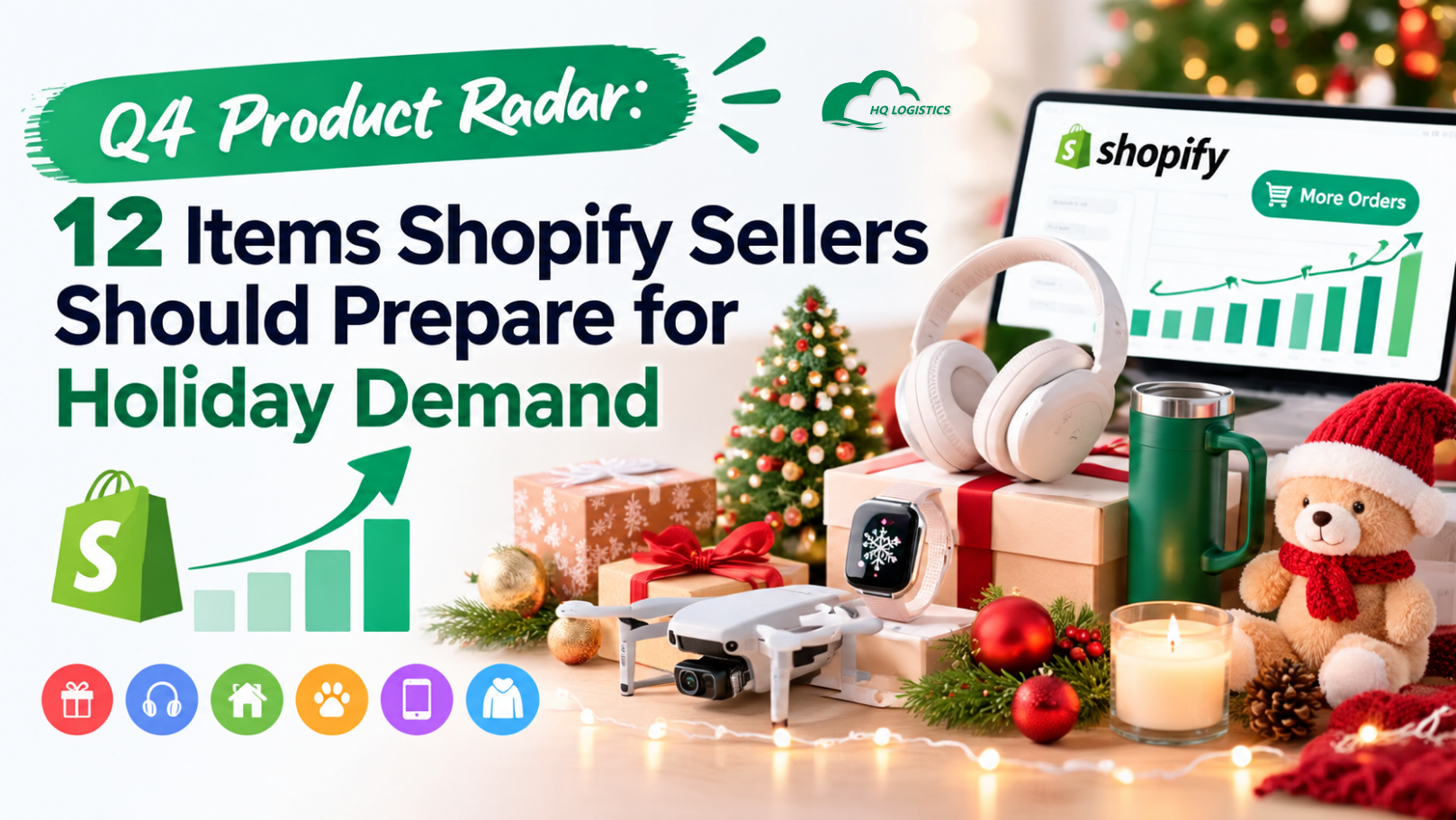
12 Q4 Products Shopify Sellers Should Put on Their Radar
The products below are candidates to research and test—not guaranteed bestsellers. Before placing large orders, evaluate your target market, competition, margins, and actual customer demand.
1. Giftable Tech Accessories
Tech accessories are worth considering because they can serve both practical needs and holiday gifting occasions.
Potential products include wireless charging accessories, phone stands, laptop sleeves, cable organizers, desk accessories, and travel tech pouches.
Why consider them?
Many are compact, easy to demonstrate in product videos, and suitable for gift bundles.What to watch:
Electronics and battery-powered products may require specific testing, documentation, packaging, or shipping arrangements. Check product quality and route eligibility before scaling.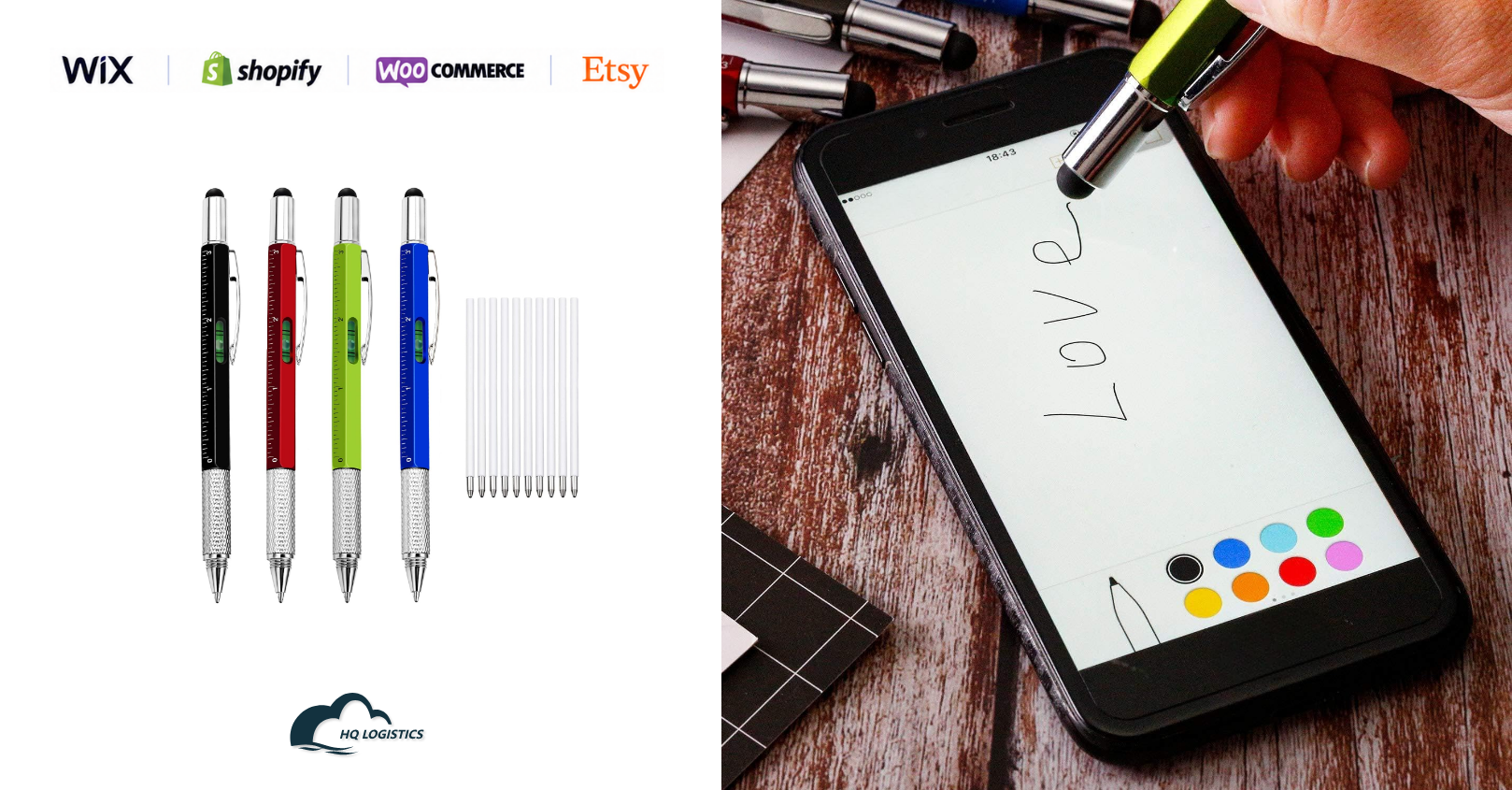
2. Cozy Home Products
As consumers prepare their homes for colder weather and holiday gatherings, cozy home products can fit seasonal shopping needs.
Consider throw blankets, decorative pillow covers, soft cushions, bedside accessories, and comfortable home textiles.
Why consider them?
They are easy to position around comfort, home refreshes, and holiday gifting.What to watch:
Bulky products can increase storage and transportation costs. Compare dimensions and volumetric weight before selecting inventory.3. Holiday Decorations
Seasonal decorations are relevant for Halloween, Thanksgiving, Christmas, and New Year's celebrations.
Potential products include ornaments, decorative garlands, table centerpieces, window decorations, wreaths, and festive banners.
Why consider them?
Sellers can build themed collections and refresh their product pages as different holidays approach.What to watch:
Demand is time-sensitive. Plan purchasing and shipping around the date customers need the decorations, and avoid overcommitting to designs with a short selling window.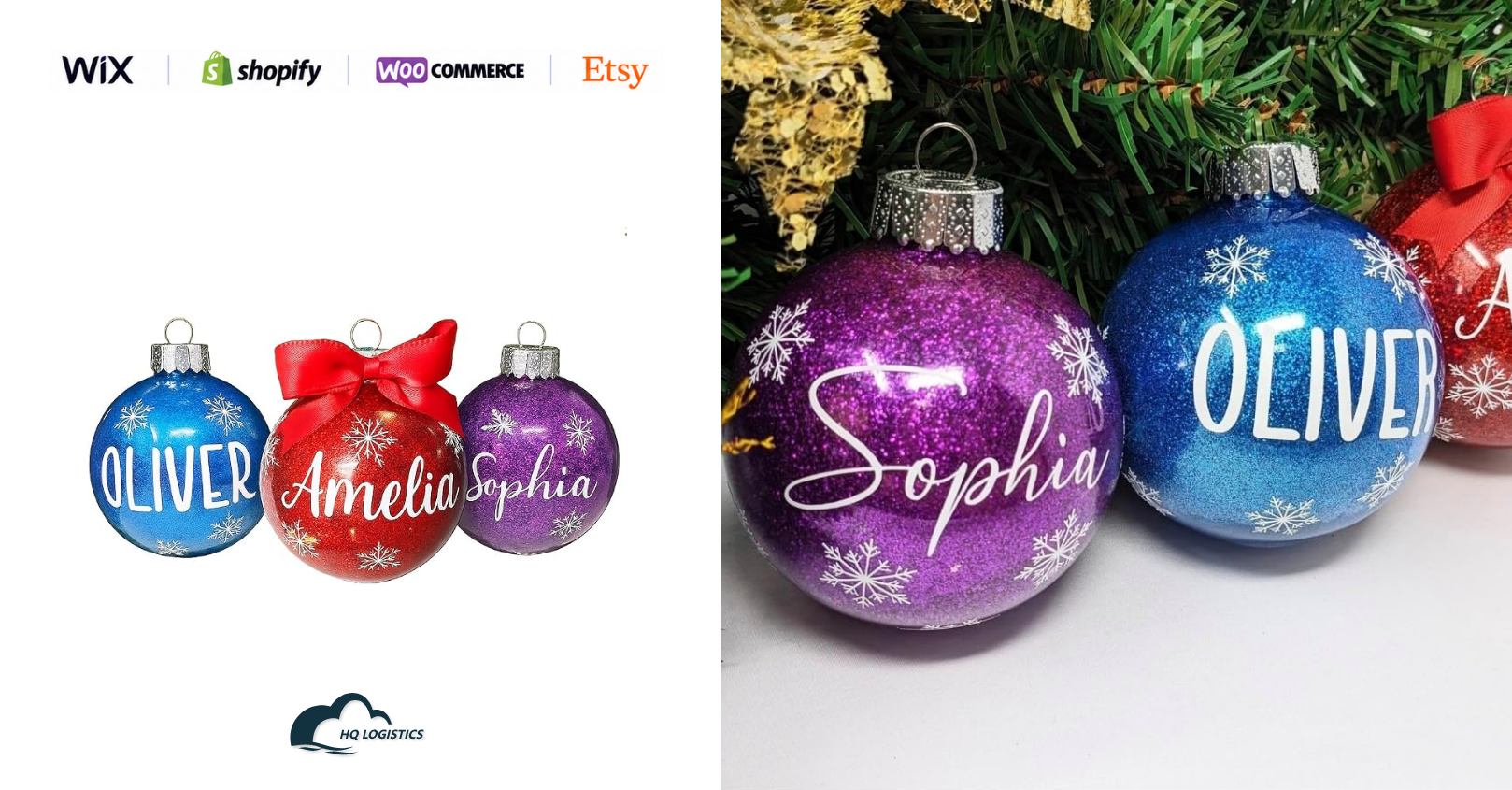
4. Personalized Gifts
Personalized products can help ecommerce brands offer something more distinctive than generic gift items.
Ideas include engraved accessories, custom photo gifts, personalized mugs, name-based ornaments, and customized keepsakes.
Why consider them?
Personalization can add emotional value and help brands differentiate their offerings.What to watch:
Custom production may require longer lead times and additional quality checks. Confirm personalization details, proofing procedures, and production cutoffs before launching holiday campaigns.5. Pet Gifts and Accessories
Pet owners may shop for their animals during the holiday season, making pet accessories another category to investigate.
Options include pet beds, blankets, collars, walking accessories, grooming tools, toys, and seasonal pet outfits.
Why consider them?
Pet products offer opportunities for themed bundles and visual social media content.What to watch:
Check materials, durability, sizing, and product safety. For wearable products, provide clear size guides to help reduce avoidable returns.
6. Kitchen and Drinkware Products
Holiday gatherings and gift exchanges create opportunities for practical kitchen and drinkware products.
Consider insulated tumblers, travel mugs, reusable cups, kitchen organizers, baking accessories, and serving tools.
Why consider them?
Many products can be positioned as gifts for home cooks, coffee lovers, or people who enjoy entertaining.What to watch:
Fragile products need suitable protective packaging. For drinkware, verify material quality, leak resistance where applicable, and packaging performance during transportation.7. Winter Accessories
Seasonal accessories can be an accessible way to expand a Q4 catalog.
Potential products include beanies, scarves, gloves, thermal socks, earmuffs, and cold-weather travel accessories.
Why consider them?
Many items are relatively compact and can complement apparel or gift bundles.What to watch:
Demand varies by region and climate. Focus on markets where the products are seasonally relevant, and manage color and size variations carefully.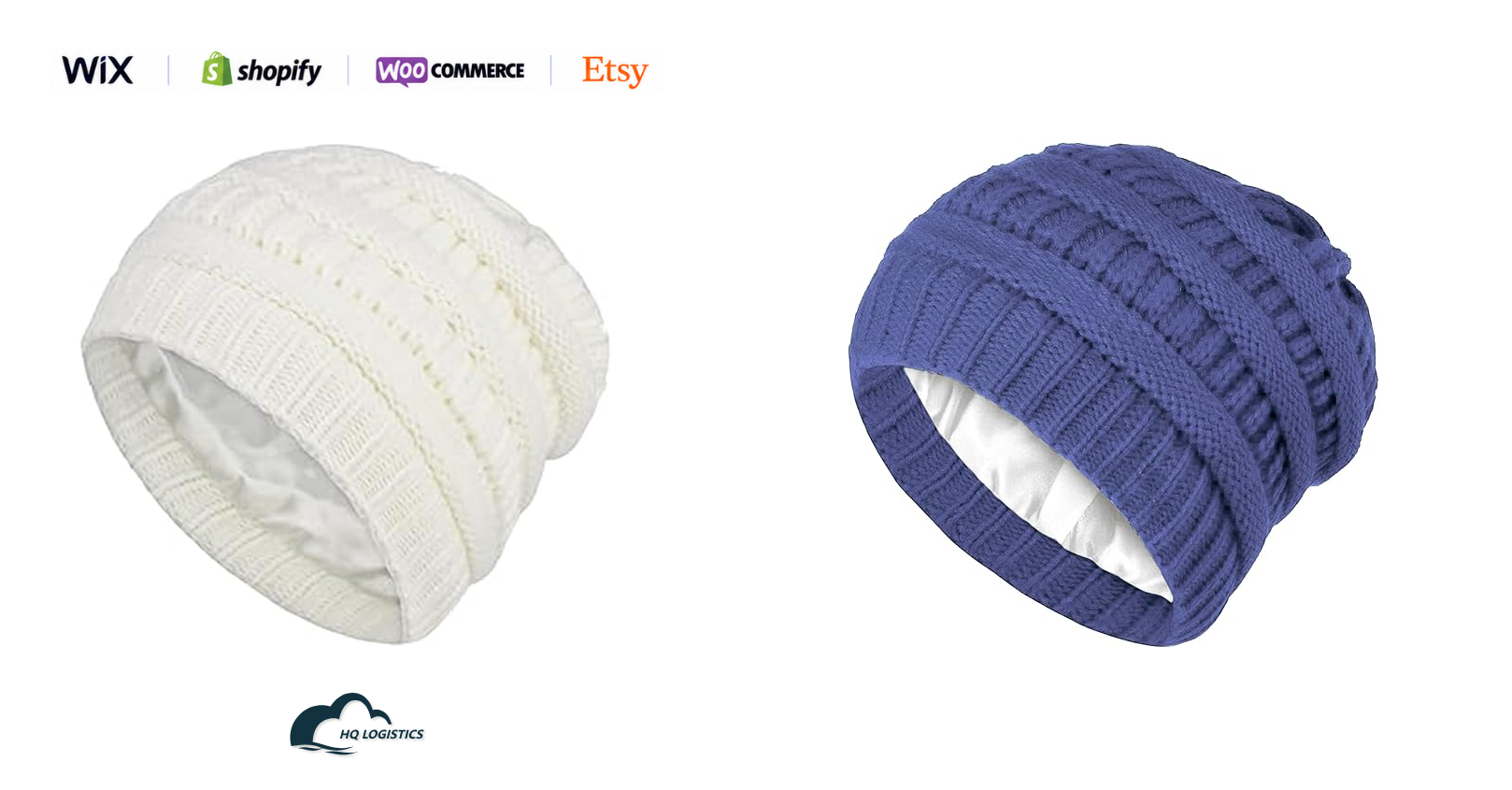
8. Travel Organizers and Luggage Accessories
Holiday travel creates a reason to consider products that help customers pack and organize their belongings.
Ideas include packing cubes, toiletry bags, luggage tags, cable pouches, travel wallets, and compact organizers.
Why consider them?
These products can be marketed around convenience, organization, and travel preparation.What to watch:
Avoid relying only on holiday travel demand. Products with everyday uses may have a longer selling window beyond December.9. Beauty and Self-Care Accessories
Giftable self-care accessories can fit holiday gift sets and personal-care routines.
Potential products include cosmetic bags, makeup organizers, hair accessories, makeup brushes, mirrors, and non-electrical skincare tools.
Why consider them?
They can be bundled into themed sets and marketed around gifting or everyday routines.What to watch:
Product materials, hygiene requirements, labeling, and destination-specific restrictions may affect sourcing and shipping. Check the requirements for the exact item rather than assuming all beauty-related products follow the same rules.
10. Desk and Home Office Accessories
Shoppers may also look for useful gifts for students, remote workers, and people refreshing their workspaces.
Consider laptop stands, desk organizers, mouse pads, cable management products, monitor accessories, and storage trays.
Why consider them?
Many products serve practical needs throughout the year, reducing dependence on a single holiday.What to watch:
Larger or heavier accessories may have higher fulfillment costs. Prioritize compact designs when the selling price and margin support them.11. Kids' Gifts and Creative Kits
Parents and gift buyers may look for products that encourage creativity and provide activities for children during school breaks.
Potential products include craft kits, drawing supplies, building sets, activity books, and age-appropriate creative accessories.
Why consider them?
These products can be marketed around learning, creativity, and family activities.What to watch:
Age grading, small parts, material safety, labeling, and applicable product regulations are important. Verify compliance before sourcing or selling children's products.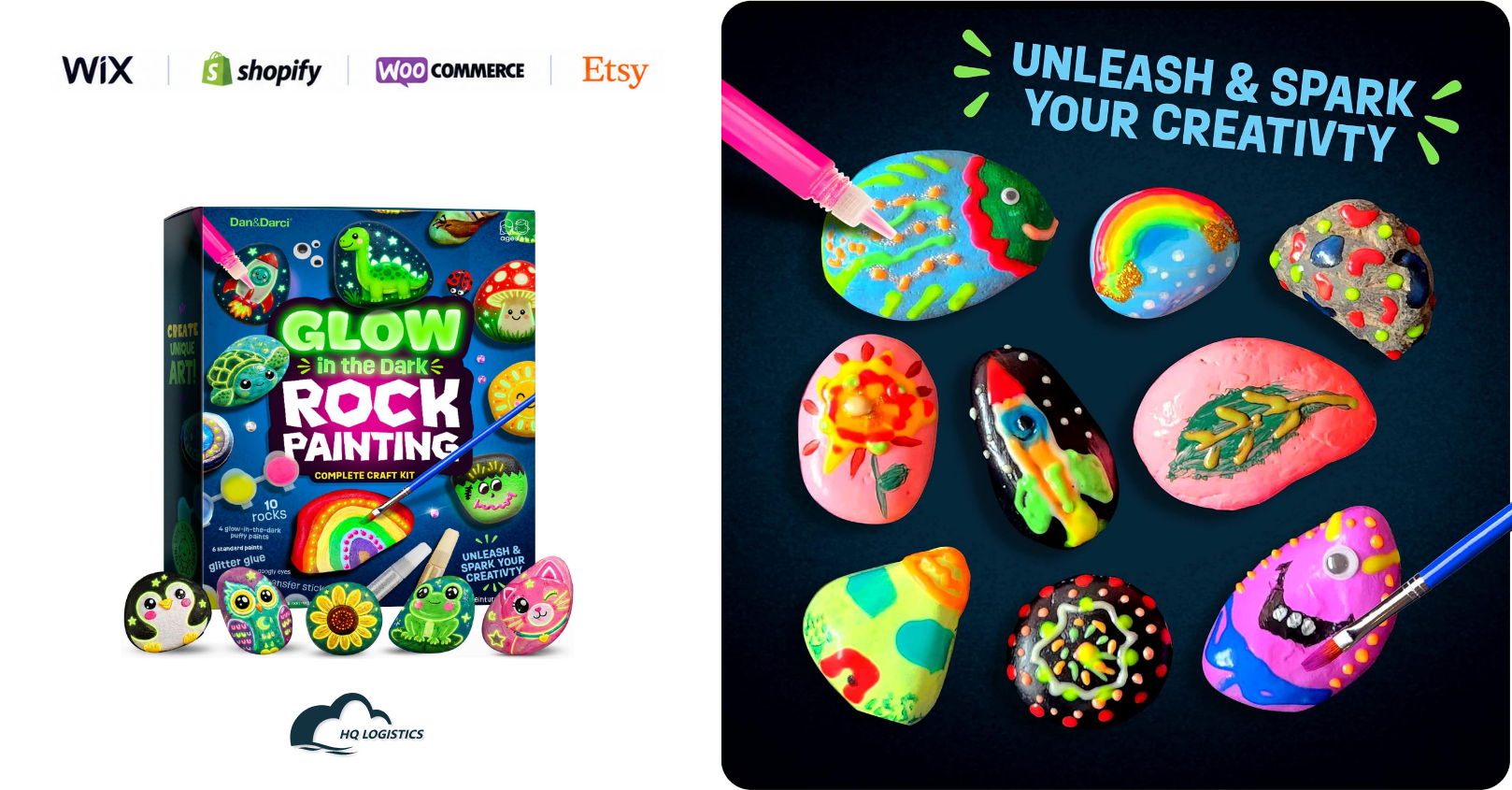
12. Gift Bundles and Ready-to-Give Sets
Sometimes the opportunity isn't a new product—it's a better product combination.
Shopify sellers can bundle complementary items into curated gift sets, such as a travel organizer with a luggage tag, a tumbler with accessories, or a winter accessory set.
Why consider them?
Bundles can make purchasing easier, differentiate an offer, and potentially increase average order value.What to watch:
Calculate the combined product, packaging, storage, and shipping costs. Make sure the bundle is easy to assemble and that every component is available when orders arrive.How to Choose the Right Q4 Products for Your Shopify Store
A list of product ideas is only the starting point. The next step is identifying which products fit your audience and business model.
1. Look for Demand Signals
Review previous Q4 sales, current store analytics, search interest, competitor listings, customer feedback, and advertising results.
Look for evidence of demand rather than relying on social media popularity alone.
2. Calculate Your Total Costs
Estimate the complete cost of each product, including sourcing, packaging, inspection, storage, shipping, fulfillment, and possible returns.
A product with a low purchase price may still be unprofitable if it is bulky, fragile, or expensive to ship.
3. Check the Selling Window
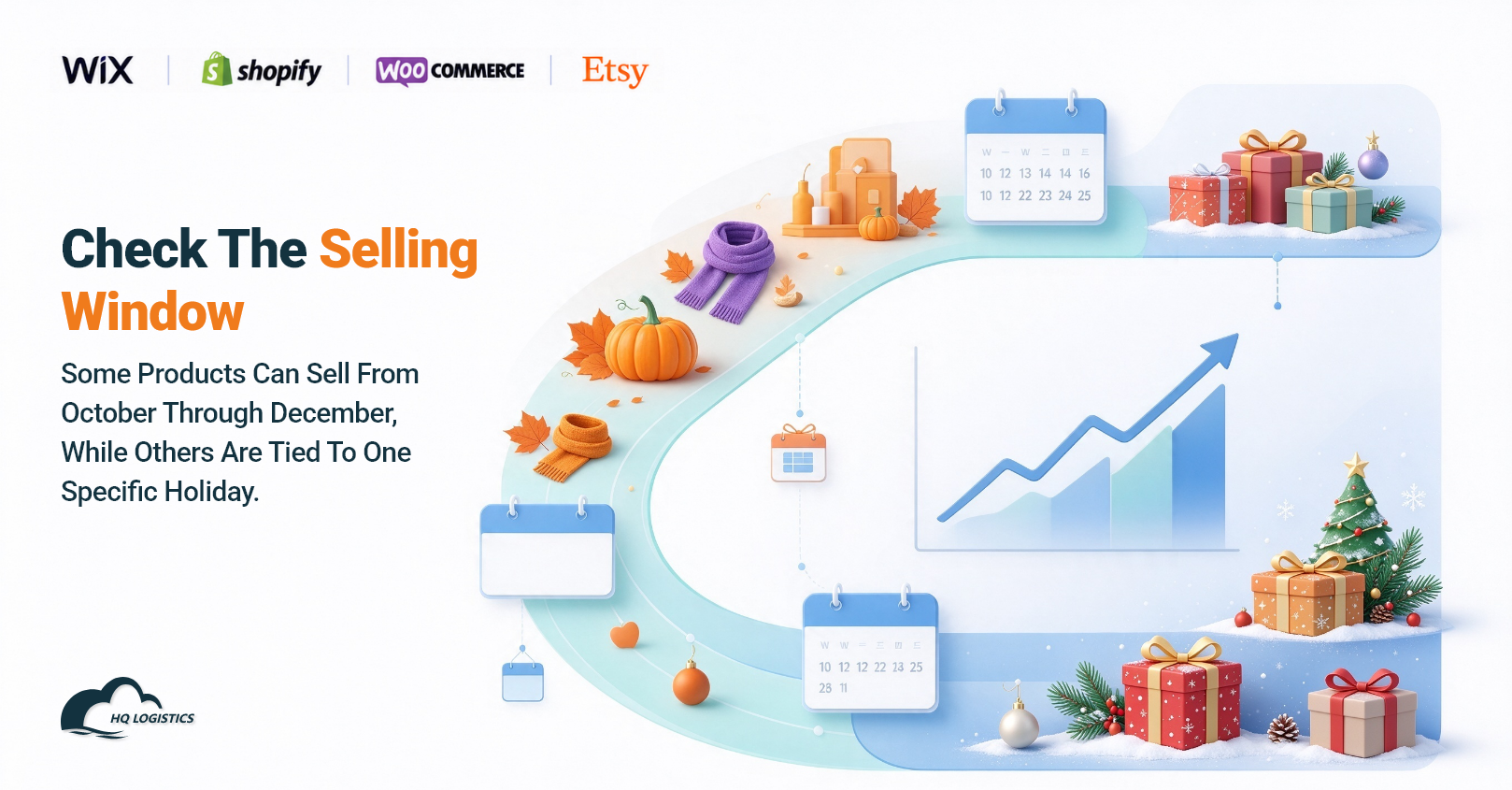
Some products can sell from October through December, while others are tied to one specific holiday.
Whenever possible, balance short-window seasonal items with products that have year-round demand.
4. Test Before Scaling
Start with a manageable quantity or a small campaign. Track conversion rates, customer feedback, returns, and actual profit before committing more inventory.
5. Confirm Supplier Capacity
Before scaling a promising product, check production lead times, minimum order quantities, quality standards, packaging options, and replenishment capability.
A promising product is only commercially useful if you can source and deliver it reliably.
Q4 Inventory Planning: Get Products Ready Before Demand Peaks
Choosing the right products is only half the job. You also need to make sure the inventory is ready when customers begin shopping.
A practical preparation plan includes:
September–Early October:
Research products, review previous sales, test promising items, and confirm supplier capacity.October:
Prioritize proven products, complete quality checks, prepare packaging, and arrange transportation and warehouse receiving.November:
Monitor fast-moving SKUs closely, replenish where feasible, and confirm fulfillment capacity for promotional spikes.December:
Focus on products with a realistic delivery window for holiday shoppers, communicate delivery estimates clearly, and manage remaining seasonal inventory carefully.The exact timing depends on production, international transportation, customs clearance, and warehouse receiving. Work backward from the date inventory needs to be available for sale, and leave a buffer for unexpected delays.
How HQ Helps Shopify Sellers Prepare for Q4
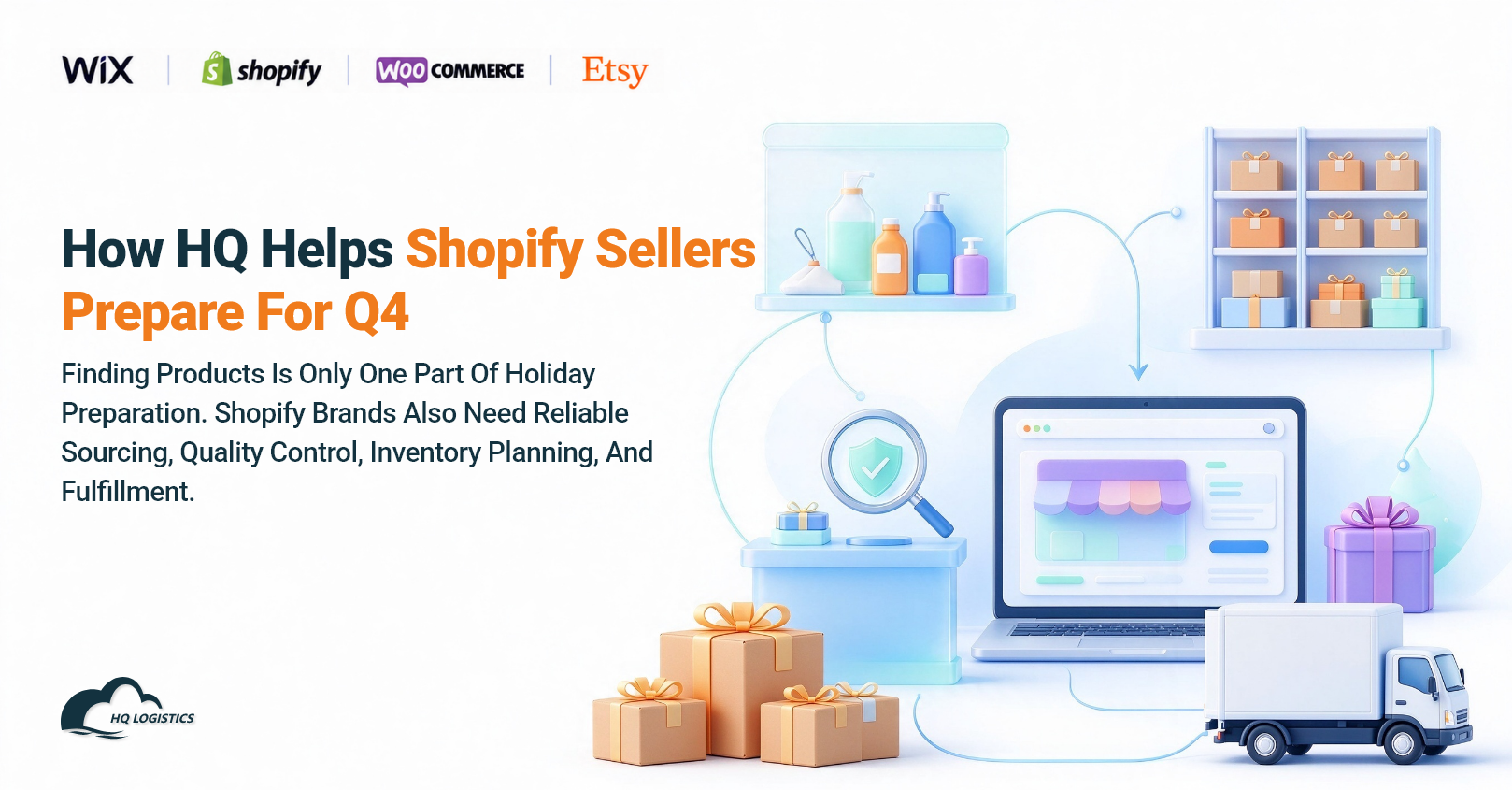
Finding products is only one part of holiday preparation. Shopify brands also need reliable sourcing, quality control, inventory planning, and fulfillment.
HQ can support ecommerce sellers with product sourcing, supplier coordination, quality inspection, product photography, custom packaging, China warehousing, US overseas warehousing, Shopify integration, order fulfillment, tracking synchronization, and global shipping solutions.
A connected workflow can look like:
Product Research → Sourcing → Quality Inspection → Inventory Planning → Warehousing → Fulfillment → Shipping
For eligible products and services, HQ also offers two months of free US overseas warehouse storage. Sellers should confirm eligibility and applicable service conditions before sending inventory.
If your Q4 products are already selected, review which SKUs should be shipped directly from China and which proven bestsellers may benefit from being stocked closer to US customers.
The goal is to connect product selection with a realistic fulfillment plan—so you can prepare inventory before demand peaks instead of reacting after stock runs low.
Final Thoughts
Q4 offers Shopify sellers opportunities across tech accessories, home products, decorations, personalized gifts, pet accessories, kitchen products, winter essentials, and more.
But the best product for your store isn't necessarily the one receiving the most attention online.
It's the one that matches your audience, delivers a healthy margin, can be sourced consistently, and can reach customers within a realistic delivery window.
Research demand. Test carefully. Stock strategically. Fulfill reliably.
Use this Q4 product radar to identify promising opportunities, then build your sourcing and inventory plan around the products your customers actually want.

FAQs
What products should Shopify sellers prepare for Q4?
Categories worth researching include tech accessories, cozy home products, holiday decorations, personalized gifts, pet accessories, kitchen and drinkware products, winter accessories, travel organizers, beauty accessories, desk products, kids' creative kits, and gift bundles.
How can I find products with holiday sales potential?
Review historical sales, customer feedback, search interest, competitor offers, and advertising results. Test products in manageable quantities before committing to larger orders.
When should I start preparing Q4 inventory?
Start as early as your supplier and shipping lead times require. Product research and supplier planning should happen before peak demand, with enough time for production, inspection, international transit, and warehouse receiving.
Should I stock every Q4 product in a US warehouse?
No. Consider pre-positioning proven bestsellers with predictable US demand. New, slow-moving, or uncertain products may be better suited to smaller inventory commitments or direct shipping.
How can I reduce the risk of Q4 stockouts?
Forecast demand, set reorder points, maintain appropriate safety stock, monitor sales velocity, confirm supplier capacity, and arrange replenishment before inventory reaches critical levels.
Why should I consider fulfillment when choosing products?
Product size, weight, fragility, shipping eligibility, packaging requirements, and delivery deadlines all affect fulfillment costs and customer experience. Evaluate these factors before choosing which products to scale.