Fall Fashion to Holiday Sales: 9 Clothing Products Worth Testing This Season
Fall Fashion to Holiday Sales: 9 Clothing Products Worth Testing This Season
Fall is a key season for fashion ecommerce brands. As temperatures drop and holiday shopping approaches, customers begin looking for comfortable clothing, versatile layers, seasonal outfits, and giftable fashion items.
For Shopify sellers, this creates an opportunity to refresh product catalogs and prepare for the Q4 shopping season.
But choosing the right products is only part of the process. Sellers also need to consider product quality, sizing, supplier reliability, inventory costs, and fulfillment speed.
The best approach is to test promising fall fashion products early, identify the styles customers respond to, and scale inventory based on real sales data.
In this guide, we'll explore 9 clothing products worth testing this season, along with practical tips for sourcing, inventory planning, and preparing your Shopify store for holiday demand.
1. Oversized Sweaters
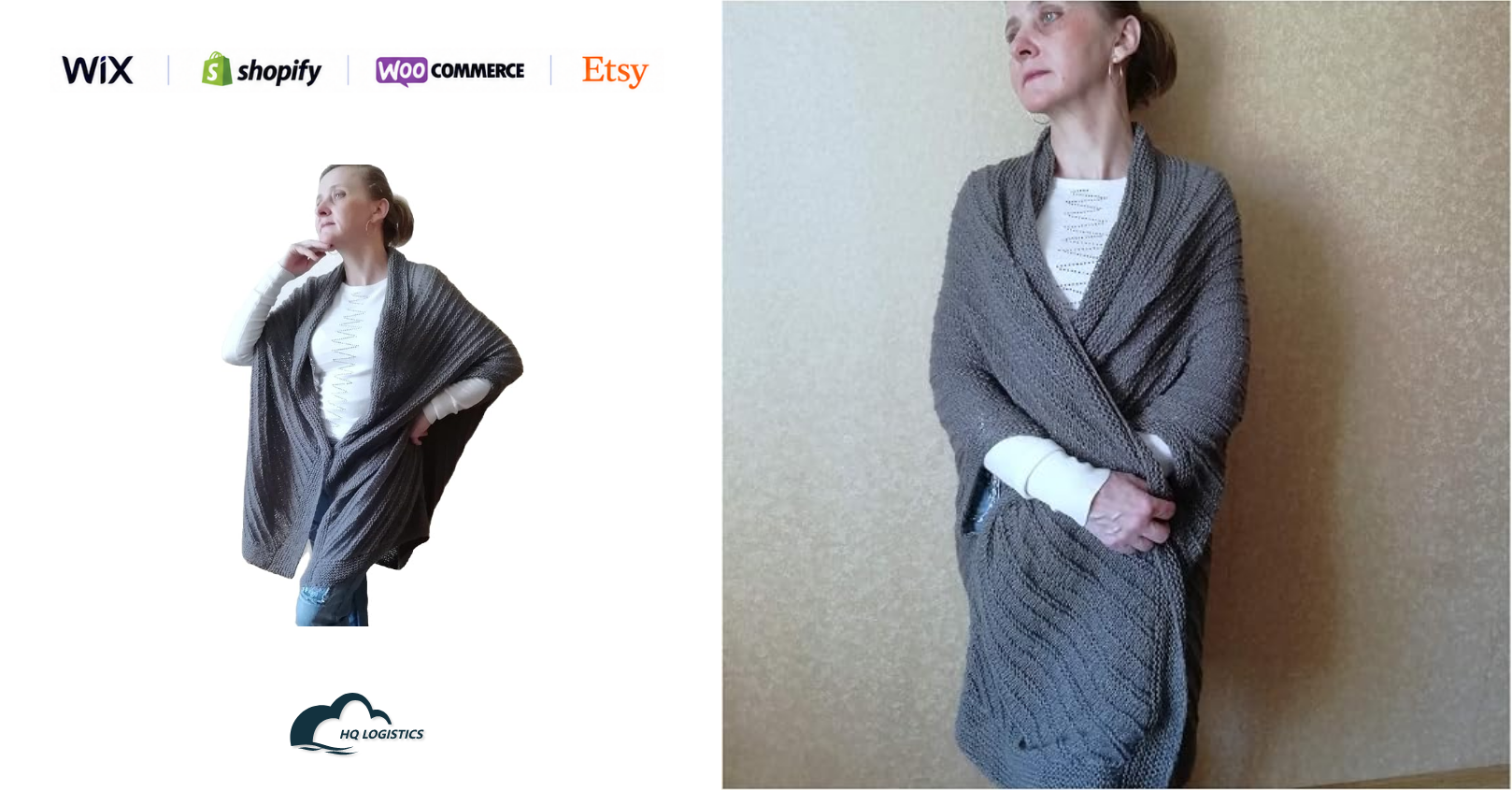
Oversized sweaters are a natural fit for fall and winter fashion collections. Their relaxed silhouettes make them suitable for casual outfits, layering, and everyday wear.
Products worth testing include:
Oversized knit sweaters | Crewneck sweaters | Turtleneck sweaters | Cropped sweaters | Chunky-knit styles | Relaxed-fit pulloversWhy Consider This Category?
Sweaters offer plenty of opportunities to test different colors, textures, and silhouettes. Neutral shades such as beige, gray, brown, cream, and black can complement a wide range of wardrobes, while seasonal colors may help your products stand out.
What Sellers Should Check
Pay attention to fabric composition, thickness, softness, stitching, and sizing consistency. Sweaters can vary significantly in fit and material quality, so reviewing samples before placing larger orders is important.
For inventory planning, start with a manageable selection of colors and sizes. Expand the range once you identify which variants generate the strongest demand.
2. Hoodies and Sweatshirts
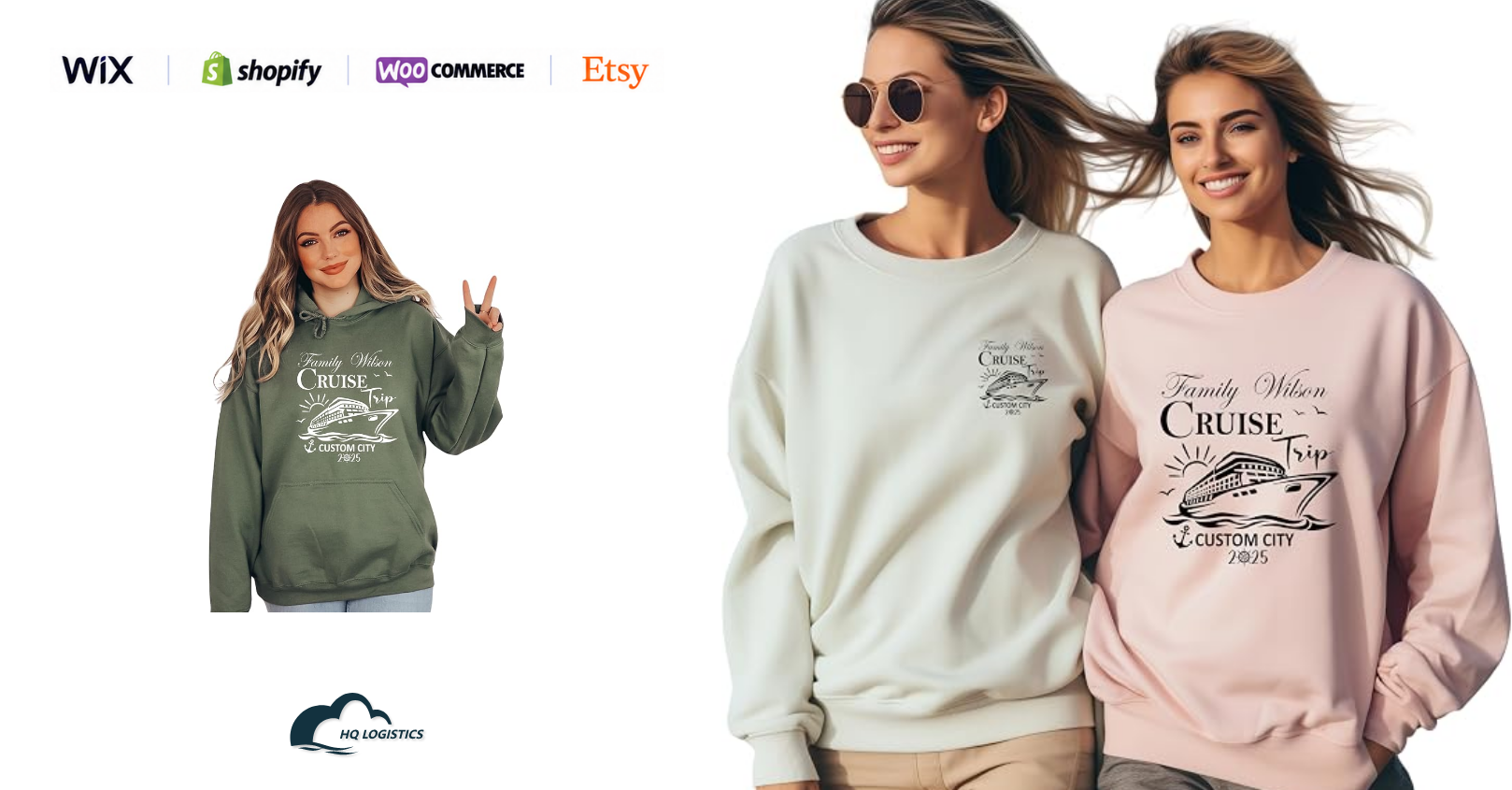
Hoodies and sweatshirts are versatile products for casual fashion brands. They can appeal to customers looking for comfortable everyday clothing, streetwear, or relaxed travel outfits.
Products worth testing include:
Basic hoodies | Zip-up hoodies | Oversized sweatshirts | Graphic sweatshirts | Cropped hoodies | Minimalist crewnecksWhy Consider This Category?
These products can be positioned across several styles, from minimalist basics to graphic streetwear. They can also work well in coordinated collections with joggers, sweatpants, or matching accessories.
What Sellers Should Check
Evaluate fabric weight, shrinkage, color consistency, stitching, print durability, and fit. If you plan to offer branded apparel, confirm whether your supplier can support custom labels, embroidery, screen printing, or other suitable customization options.
Before scaling, test the finished product after washing to check whether its shape, color, and print remain consistent.
3. Cardigans and Layering Tops
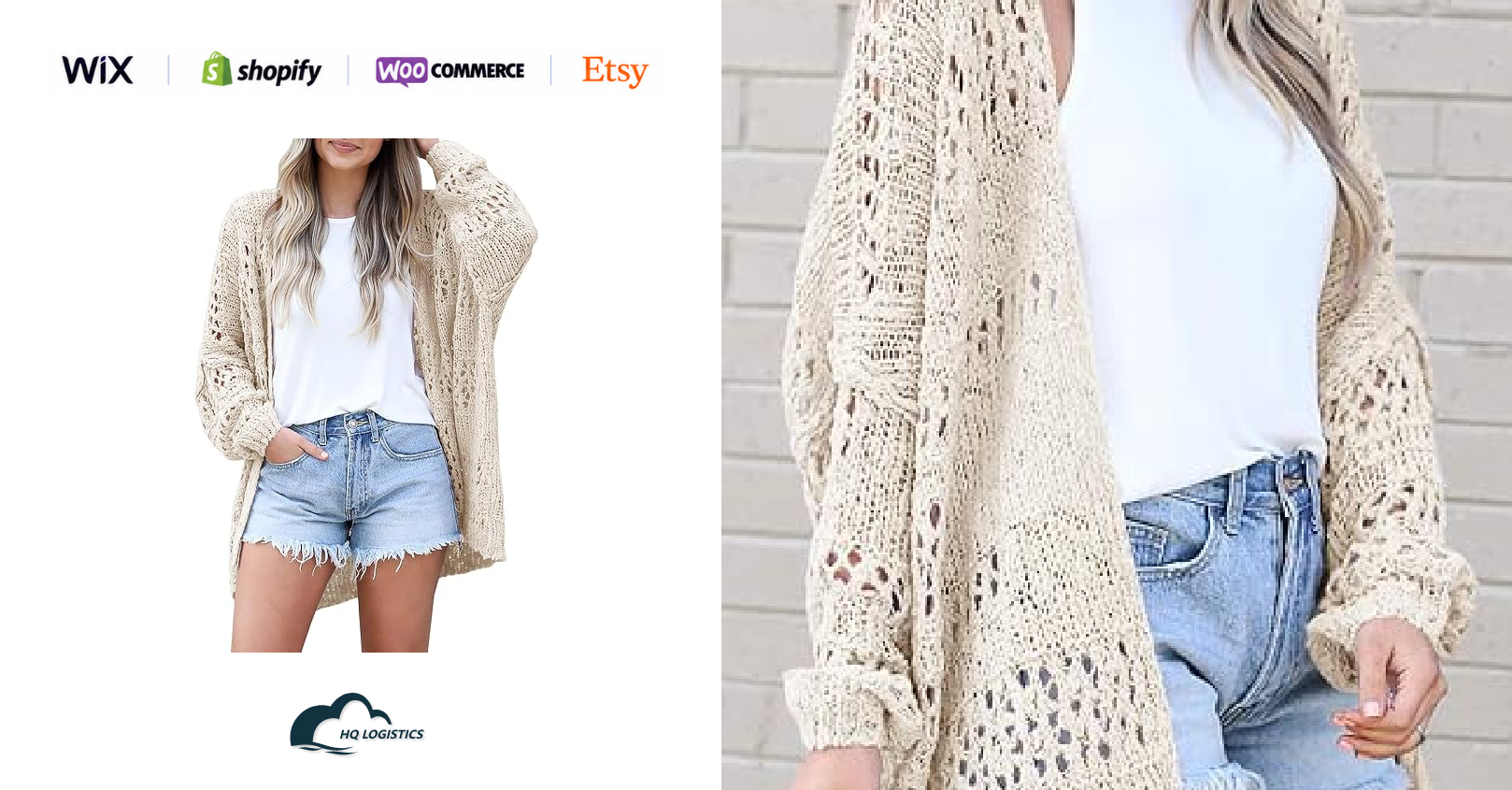
Layering products are useful during the transition from warmer autumn days to colder winter weather. Cardigans and lightweight layering tops can also remain relevant beyond the holiday season.
Products worth testing include:
Button-up cardigans | Cropped cardigans | Longline cardigans | Lightweight knit tops | Ribbed long-sleeve tops | Layering shirtsWhy Consider This Category?
Layering products can fit multiple outfit styles and may appeal to customers looking for versatile wardrobe additions. They can also be combined with sweaters, trousers, skirts, or other products to create coordinated collections.
What Sellers Should Check
Review fabric stretch, button quality, garment length, transparency, and fit. Use clear size charts and accurate product photography to help customers understand how each style is intended to fit.
For sellers building a seasonal collection, layering products can help bridge the gap between fall fashion and winter clothing.
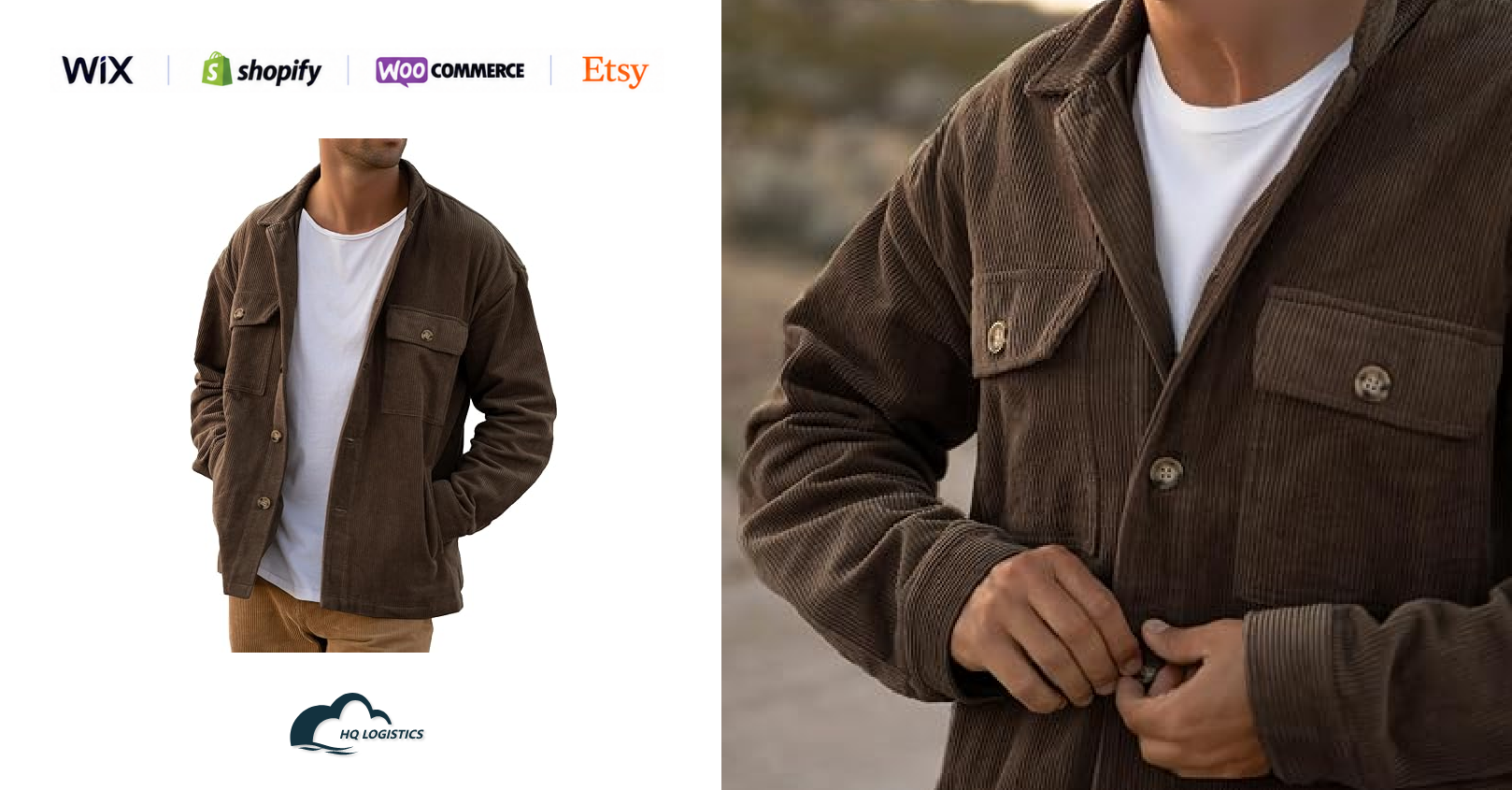
4. Lightweight Jackets and Shackets
Outerwear is another category worth exploring as temperatures fall. Lightweight jackets and shirt-jackets, commonly called shackets, can provide an additional layer without the bulk of heavy winter coats.
Products worth testing include:
Denim jackets | Corduroy jackets | Quilted jackets | Shirt-jackets | Lightweight utility jackets | Casual bomber jacketsWhy Consider This Category?
Outerwear can support higher-value product collections and outfit-based marketing. A jacket can also be styled with several other products in your store, creating opportunities for bundles and cross-selling.
What Sellers Should Check
Pay close attention to garment measurements, fabric thickness, zipper quality, lining, and packaging dimensions. Outerwear may take up more storage and shipping space than lightweight apparel, so estimate its total fulfillment cost before committing to large quantities.
Test a few styles first and use actual sales performance to guide replenishment.
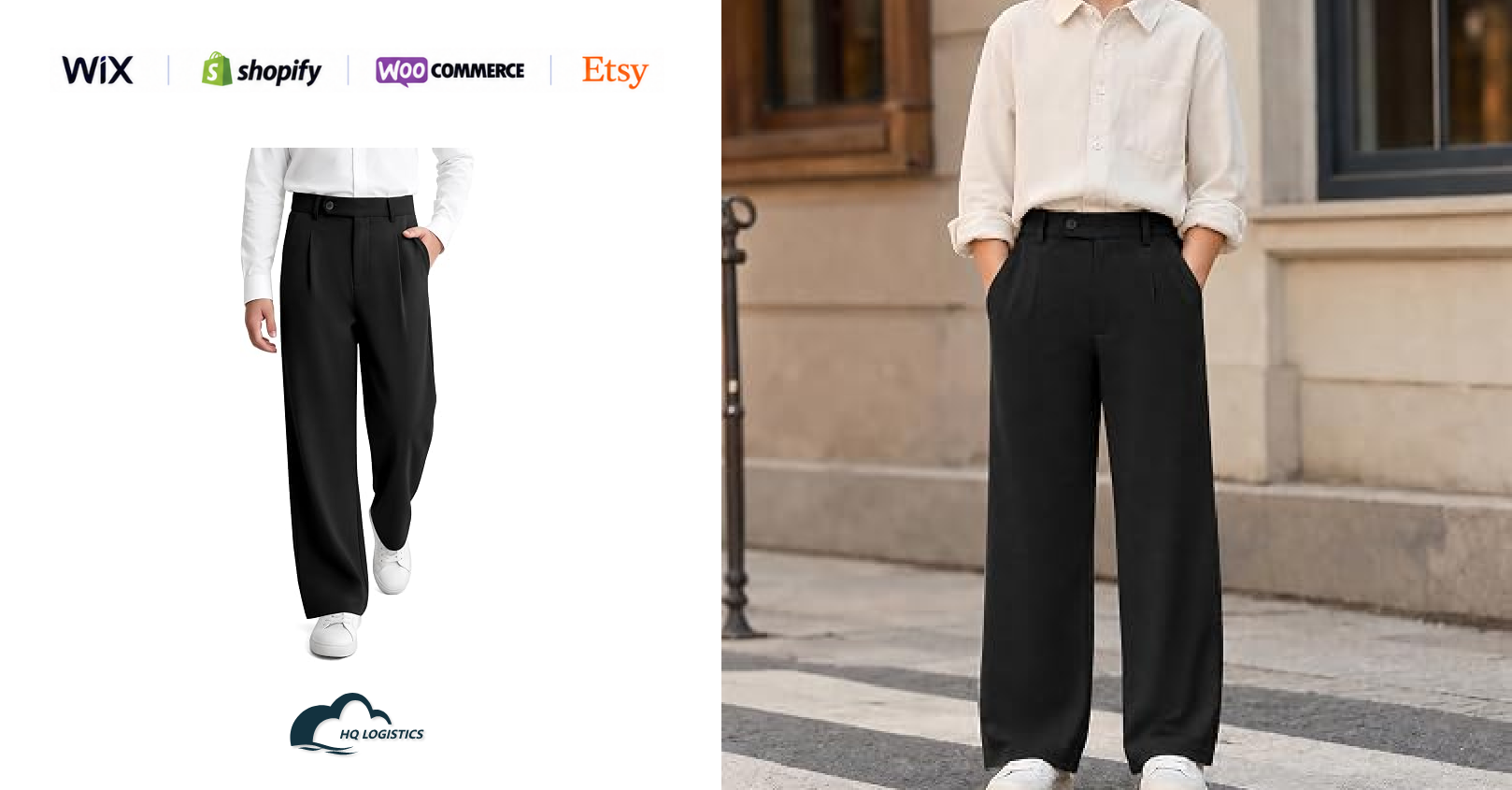
5. Wide-Leg Trousers and Casual Pants
Trousers are worth considering for sellers who want to build a broader fall wardrobe collection beyond tops and outerwear.
Products worth testing include:
Wide-leg trousers | Tailored casual pants | Relaxed-fit jeans | Corduroy trousers | Cargo pants | Stretch-waist casual pantsWhy Consider This Category?
Different cuts and fabrics allow sellers to target several fashion preferences, including minimalist, streetwear, office-casual, and relaxed everyday styles.
What Sellers Should Check
Bottoms require careful size management. Review waist measurements, inseam length, hip measurements, fabric stretch, and fit across different sizes.
Rather than stocking every color and cut immediately, begin with a focused range. Accurate size charts and clear product photos can also help reduce avoidable returns.
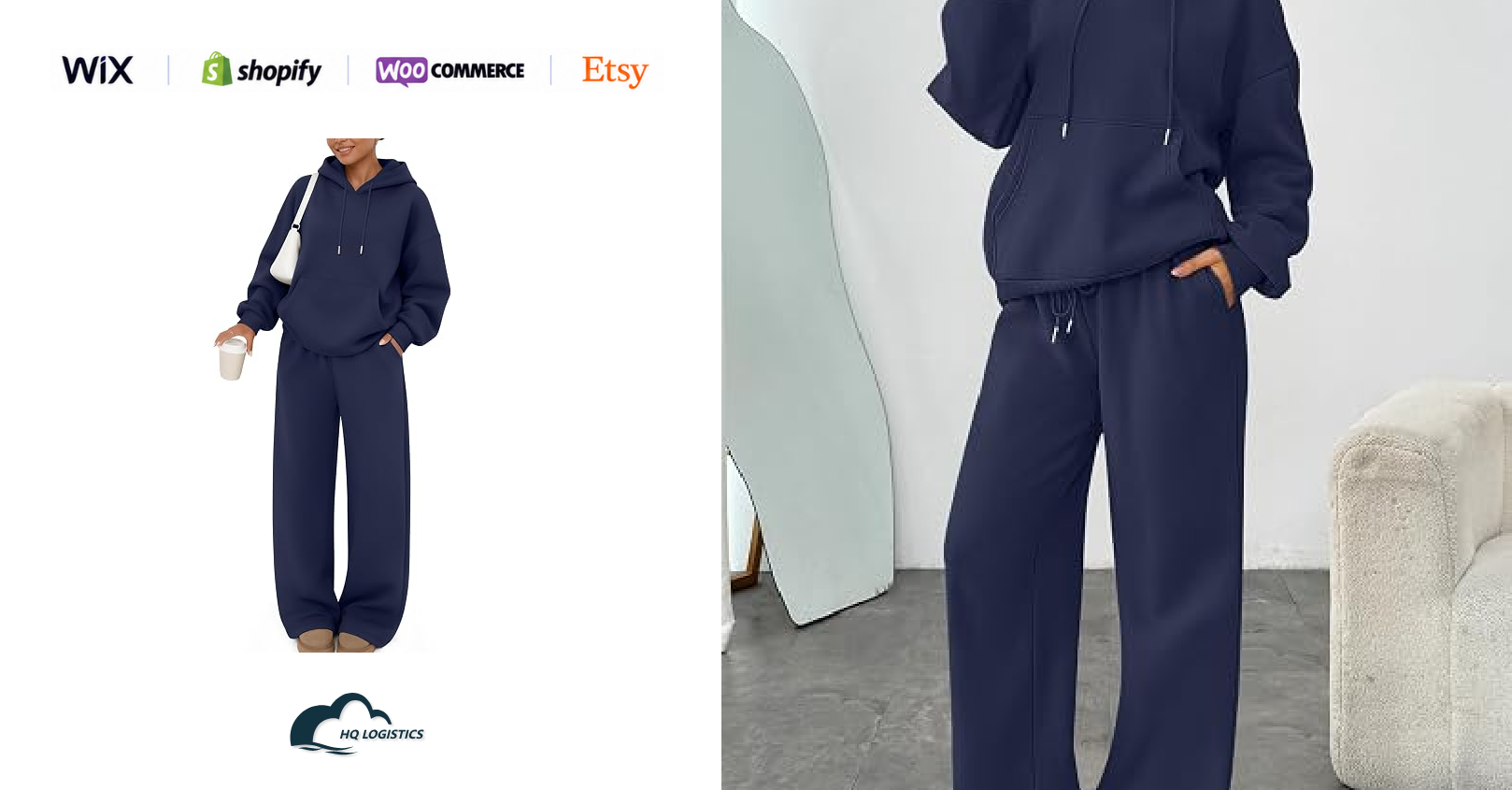
6. Matching Lounge Sets
Matching lounge sets combine coordinated tops and bottoms into a single outfit. They may appeal to customers looking for comfortable clothing for home, travel, or casual outings.
Products worth testing include:
Sweatshirt-and-jogger sets | Knit lounge sets | Long-sleeve-and-pants sets | Relaxed two-piece outfits | Matching hoodie setsWhy Consider This Category?
Sets offer a ready-made outfit and can create opportunities for higher-value orders. Sellers can also use coordinated colors and product photography to present the pieces as a complete look.
What Sellers Should Check
Confirm whether the top and bottom use matching fabrics, colors, and sizing standards. If customers need to choose separate sizes for each piece, make the selection process clear on the product page.
Check the folded package size and total product weight as well, especially if you plan to fulfill orders internationally.
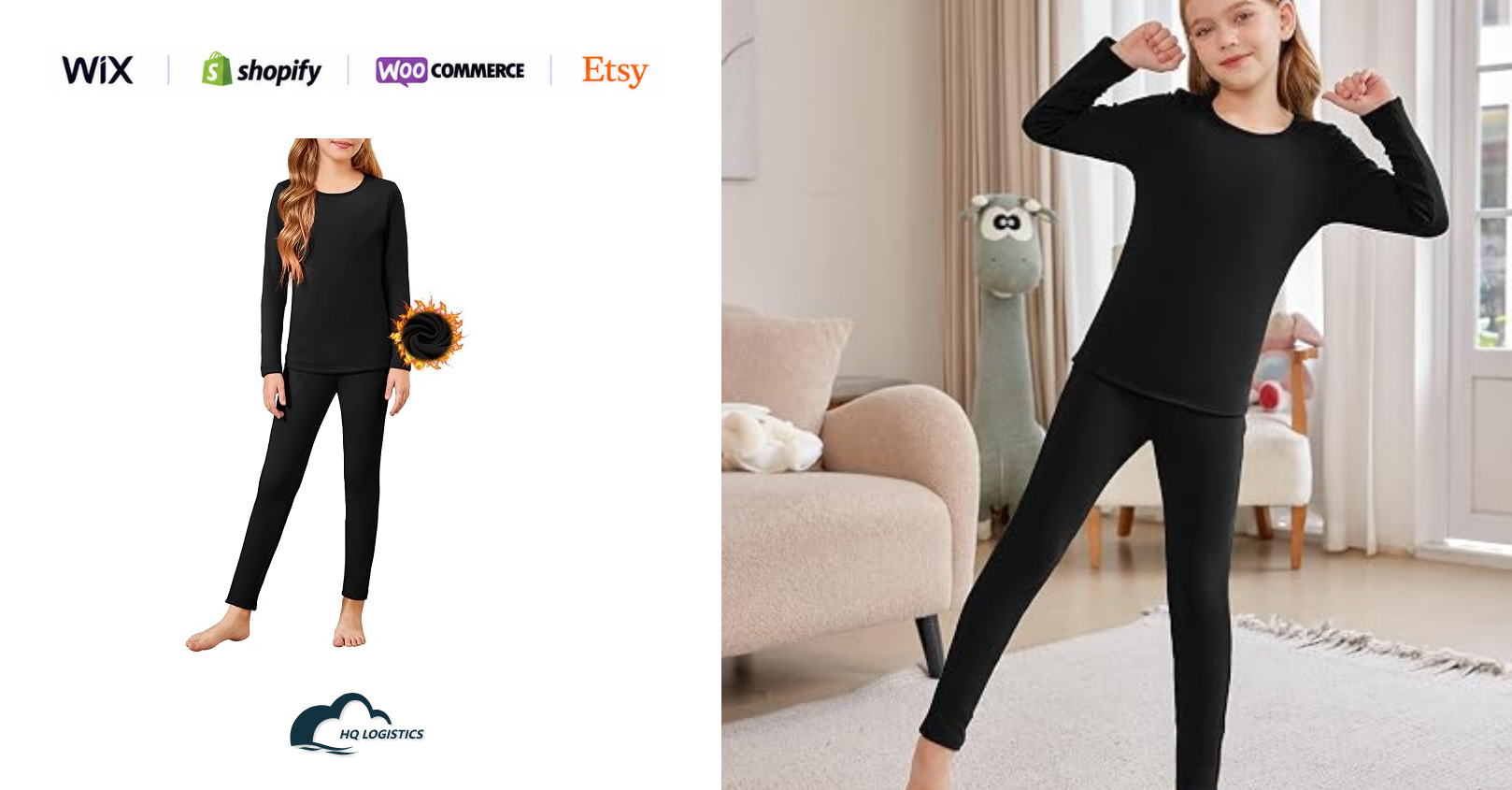
7. Thermal Tops and Base Layers
As colder weather arrives, customers may look for clothing that can be worn underneath everyday outfits. Thermal tops and base layers are worth testing for stores that serve colder regions or customers who spend time outdoors.
Products worth testing include:
Thermal long-sleeve tops | Lightweight base layers | Fleece-lined leggings | Thermal undershirts | Cold-weather layering setsWhy Consider This Category?
Base layers are practical products that can complement outerwear and winter accessories. They may also fit collections designed around commuting, outdoor activities, or everyday winter comfort.
What Sellers Should Check
Evaluate warmth, breathability, fabric stretch, seam comfort, and sizing. Avoid making unsupported claims about temperature ratings or technical performance unless you have product specifications or test results to substantiate them.
Demand will also vary by geography, so review your customer locations before deciding how much inventory to prepare.
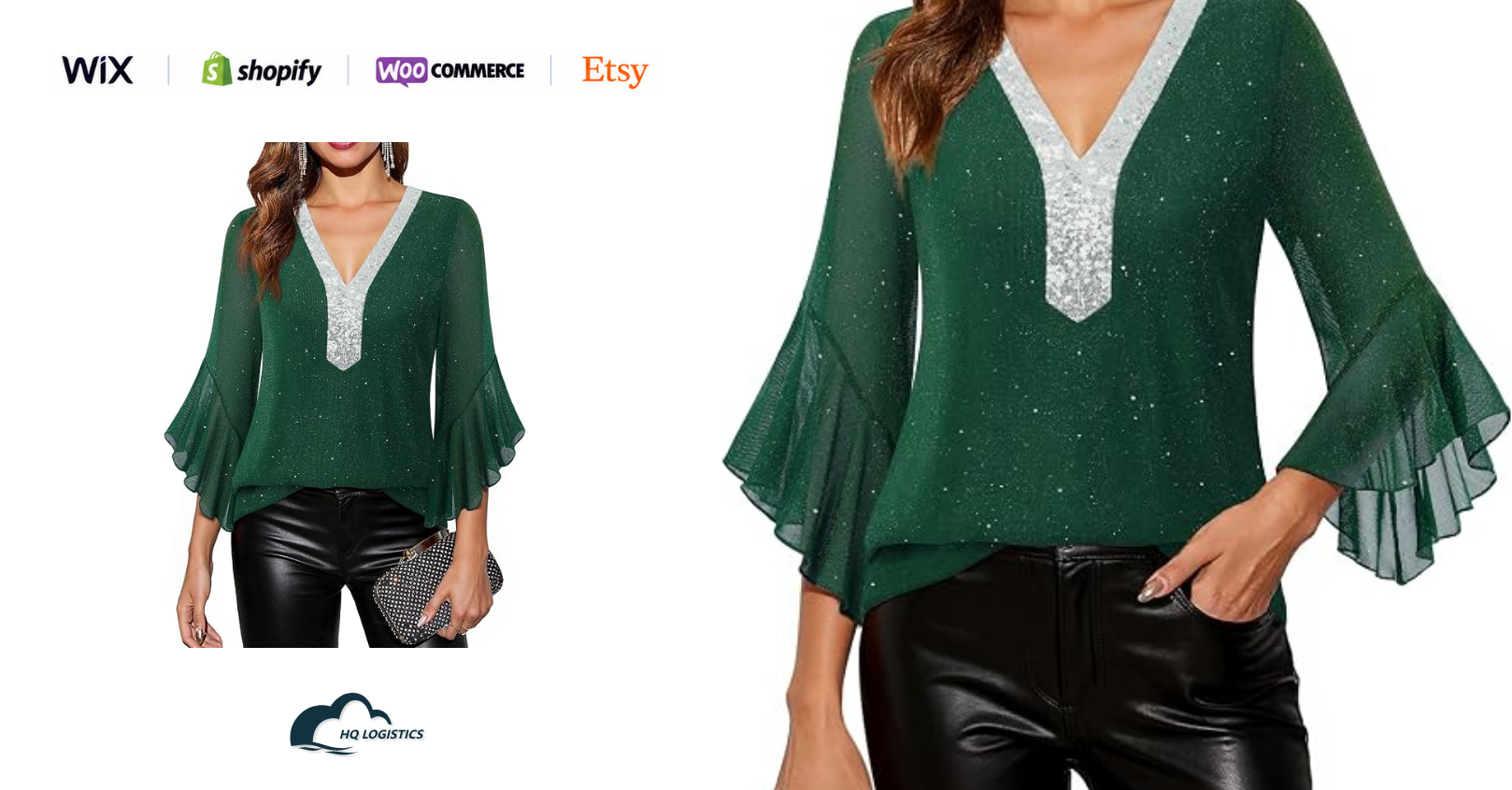
8. Party Tops and Holiday Occasionwear
As the holiday season approaches, some shoppers look for clothing suitable for dinners, parties, family gatherings, and seasonal events.
Products worth testing include:
Satin-style blouses | Statement tops | Velvet tops | Sequin tops | Dressy knitwear | Holiday party dressesWhy Consider This Category?
Occasionwear gives fashion stores a way to introduce more seasonal styles without replacing their entire core collection. These products can also support themed campaigns and outfit recommendations.
What Sellers Should Check
Review fabric quality, embellishments, color accuracy, garment construction, and fit. For products with sequins, beads, or delicate materials, check whether the decorations are securely attached and whether the garment needs special packaging.
Because occasionwear may have a shorter selling window, avoid overcommitting to styles that have not yet demonstrated demand.
9. Matching Family and Holiday Clothing
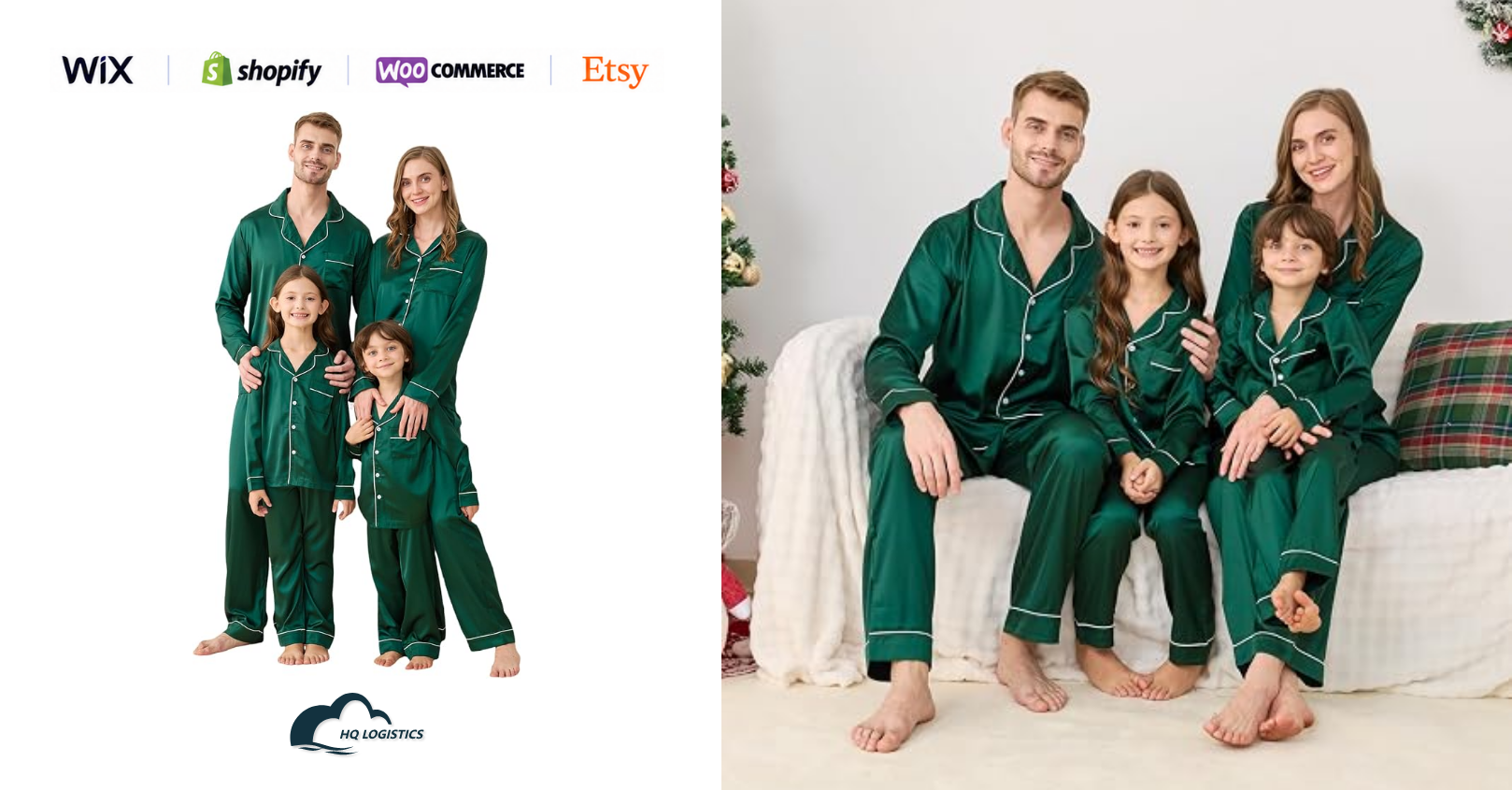
Matching outfits can appeal to shoppers planning family photos, holiday gatherings, or coordinated seasonal looks.
Products worth testing include:
Matching family pajamas | Coordinated sweaters | Parent-and-child outfits | Matching holiday sweatshirts | Family lounge setsWhy Consider This Category?
Coordinated clothing can support themed product collections and gift-oriented marketing. Sellers can also present several pieces together to help customers visualize a complete family look.
What Sellers Should Check
Matching collections require careful size and color coordination across different garments. Confirm that all pieces use consistent materials and colors, and ensure size charts are available for every intended wearer.
If products use holiday-specific graphics or designs, plan inventory carefully to avoid holding excess stock after the seasonal demand window ends.
How to Choose Which Fall Fashion Products to Test
A long product list does not guarantee sales. The goal is to identify products that match your customers, brand positioning, margins, and fulfillment capabilities.
1. Start With Your Target Customer
Think about who your store serves. A minimalist women's fashion brand may prioritize knitwear and cardigans, while a streetwear store may focus on hoodies, cargo pants, and oversized sweatshirts.
Choose products that fit your existing customer profile rather than adding seasonal items simply because they are popular elsewhere.
2. Research Demand Before Ordering
Review your previous sales, customer feedback, competitor assortments, search interest, and advertising results. Use these signals to develop a shortlist of products to test.
Treat product ideas as hypotheses—not guaranteed bestsellers. Start small, measure results, and increase inventory when the data supports it.
3. Calculate the Total Cost Per Order
Product price is only one part of your cost structure.
Your calculations should consider:
Product Cost + Packaging + Storage + Processing + Shipping + Expected Returns
For bulk or overseas inventory, also include inbound transportation, warehouse receiving, and inventory holding costs where applicable.
A product with a low factory price may not be profitable if it is bulky, difficult to pack, or frequently returned because of sizing issues.
4. Check Supplier Reliability and Quality
Before scaling a product, evaluate sample quality, production lead time, minimum order quantity, size consistency, and the supplier's ability to replenish stock.
For apparel, request a clear product specification that covers fabric composition, garment measurements, color, stitching, labels, and packaging.
If you plan to change suppliers, test the new product against your approved sample before transferring a large volume of orders.
5. Consider Inventory Risk
Fall and holiday clothing can have a limited selling window. If you order too much of a specific color, size, or holiday design, leftover inventory may become difficult to sell after the season ends.
A practical approach is to keep test quantities small, prioritize proven variants, and establish reorder points for products that sell consistently.
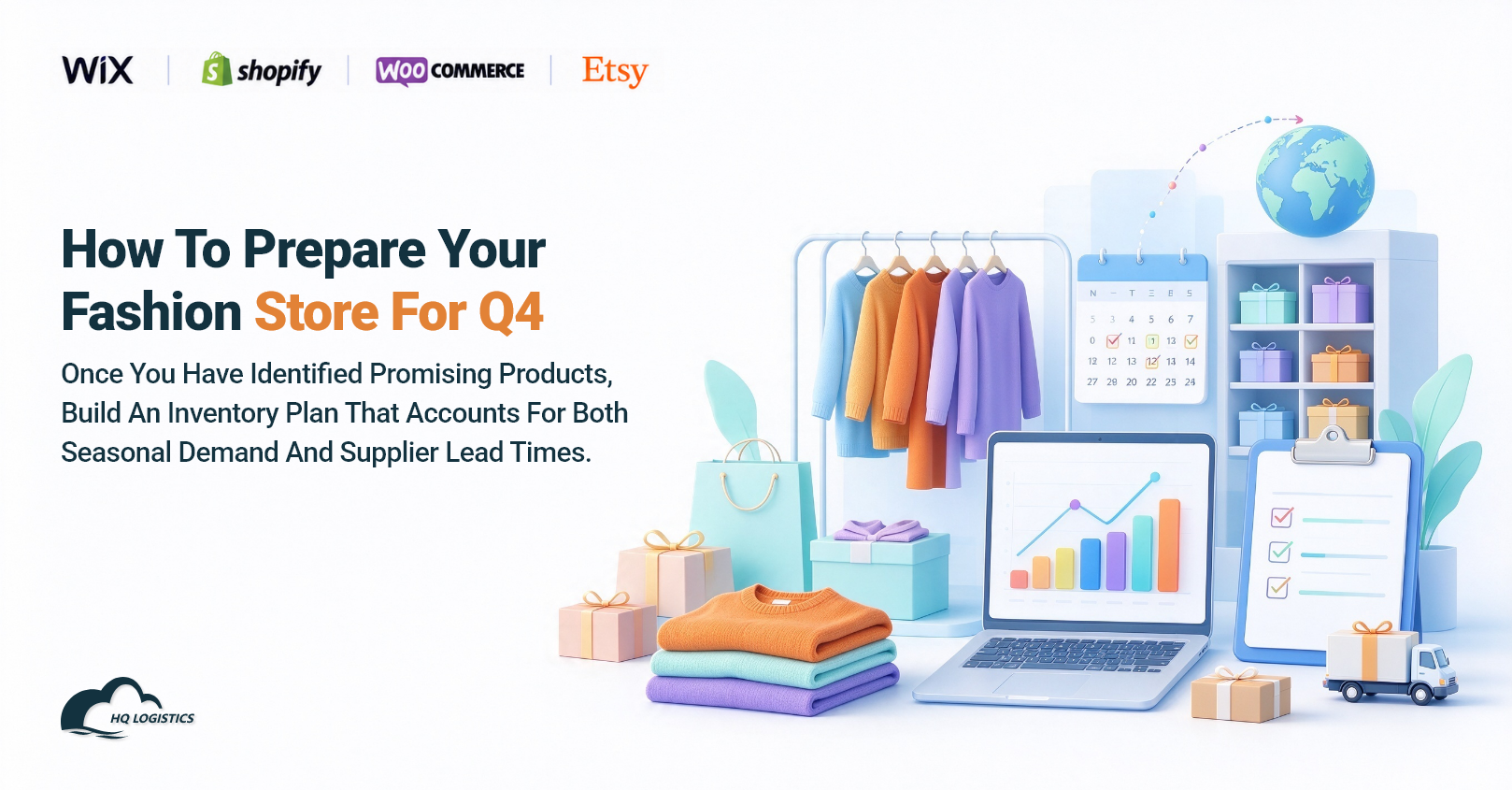
How to Prepare Your Fashion Store for Q4
Once you have identified promising products, build an inventory plan that accounts for both seasonal demand and supplier lead times.
September–Early October: Research and Test
Review your sales data, shortlist products, request samples, confirm specifications, and test product presentation. If the season is already underway, prioritize items that can realistically be sourced and delivered within your remaining sales window.
October: Prioritize Proven Products
Review early sales performance and decide which products deserve replenishment. Confirm supplier production capacity, packaging requirements, and realistic arrival dates before placing larger orders.
November: Monitor Stock and Fulfillment
Track sales velocity, inventory availability, order processing, and delivery performance. Avoid scaling inventory based only on short-term spikes without checking whether demand is likely to continue.
December: Focus on the Remaining Selling Window
Prioritize products with a realistic delivery timeline and clear customer expectations. Reduce exposure to highly seasonal inventory that may not sell before the holiday period ends.
The exact timeline will depend on your sourcing location, production lead time, shipping method, and target market.
Why Apparel Sellers Need a Flexible Fulfillment Strategy
Fashion products create several inventory challenges.
Different sizes and colors multiply the number of SKUs. Demand can vary between variants, and a product may sell quickly in one size while another remains in stock. Seasonal designs can also lose relevance after the holiday period.
A flexible fulfillment strategy can help sellers manage these challenges by connecting sourcing, quality inspection, inventory planning, warehousing, and shipping.
For example, a seller may keep new styles and uncertain products in China while positioning proven bestsellers in a U.S. or EU warehouse when the sales data supports that decision.
This hybrid approach can help balance inventory flexibility with the potential benefits of local fulfillment.
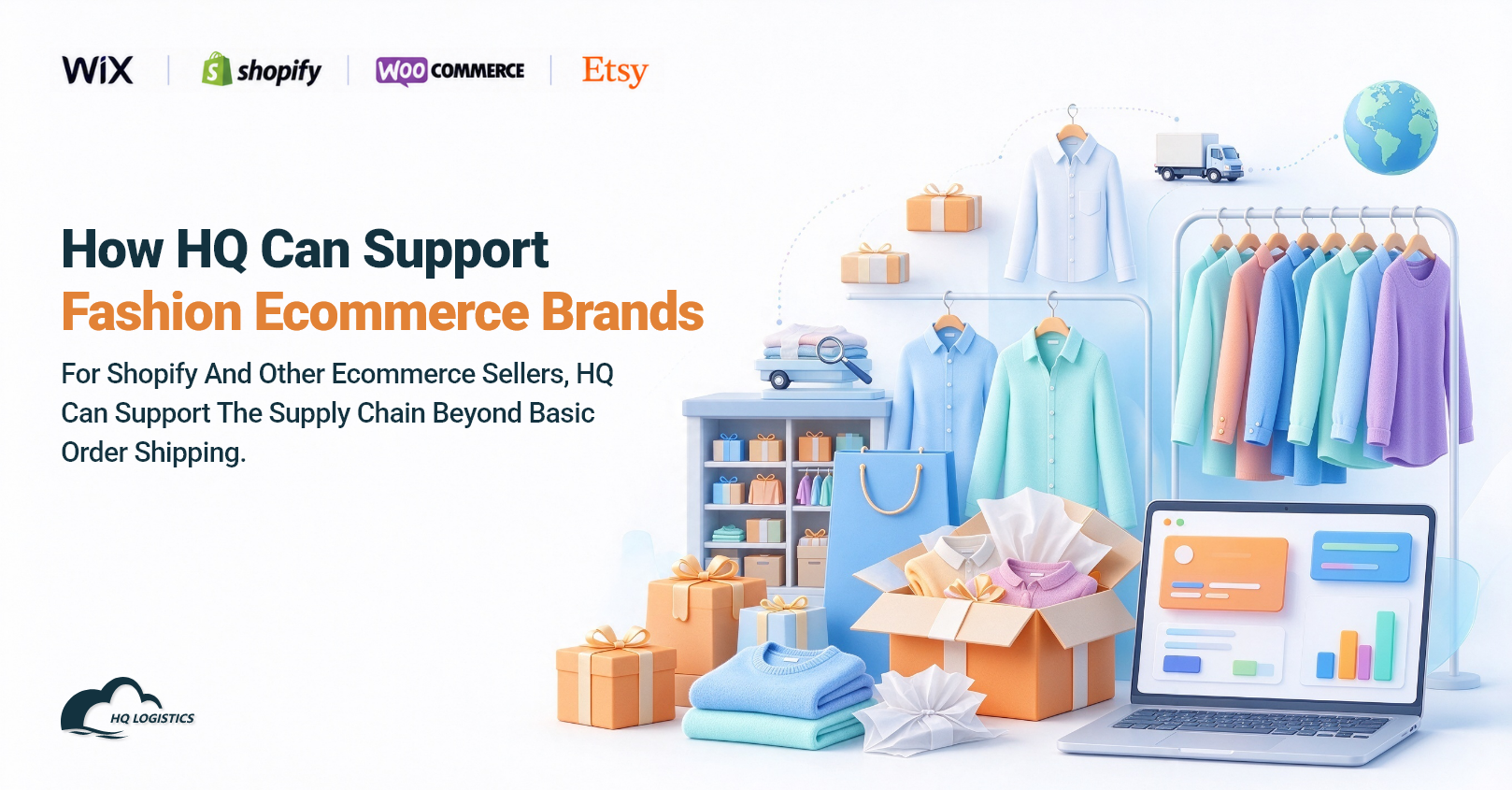
How HQ Can Support Fashion Ecommerce Brands
For Shopify and other ecommerce sellers, HQ can support the supply chain beyond basic order shipping.
Depending on product and service requirements, support can include:
-
Product sourcing:
Find supplier options based on your target price, specifications, and quality expectations. -
Quality inspection:
Check product appearance, measurements, stitching, packaging, and other agreed specifications. -
Custom packaging and branding:
Coordinate suitable labels, inserts, and branded packaging for your fashion products. -
China warehousing:
Keep new or lower-volume products flexible while testing demand. -
U.S. and EU warehousing:
Consider positioning proven products closer to customers when order volume and total costs justify it. -
Shopify integration:
Connect order workflows and synchronize tracking information. -
Global shipping:
Compare suitable shipping options based on destination, product characteristics, cost, and delivery requirements.
For eligible products and plans, HQ also offers two months of free U.S. warehouse storage, subject to applicable eligibility requirements. Confirm the details with HQ before sending inventory.
The objective is to help fashion brands connect product sourcing, inventory, and fulfillment in one coordinated workflow.
Final Thoughts
Fall fashion can create opportunities for Shopify sellers to refresh their catalogs and prepare for holiday demand—but no product category guarantees sales.
Oversized sweaters, hoodies, cardigans, lightweight jackets, trousers, lounge sets, thermal layers, party tops, and matching family outfits are all worth evaluating based on your audience and sales data.
Start with a focused product range, check quality and sizing carefully, and scale inventory only when real demand supports it.
Test thoughtfully. Stock strategically. Fulfill reliably.
A well-planned sourcing and fulfillment strategy can help your fashion store move from fall collections into the holiday season with greater flexibility and control.

FAQs
What clothing products are worth testing for fall and holiday sales?
Consider sweaters, hoodies, cardigans, lightweight jackets, casual trousers, lounge sets, thermal layers, party tops, and matching family clothing. The best choices depend on your target customer, region, price point, and sales data.
When should Shopify sellers start sourcing fall clothing?
Start as early as possible because sampling, production, inspection, and transportation all require time. If the season has already begun, focus on products with realistic lead times and avoid assuming that every item can arrive before peak demand.
How can fashion sellers reduce clothing inventory risk?
Test small quantities, limit the number of initial variants, monitor sales by size and color, and establish reorder points for proven products. Be cautious with holiday-specific designs that may lose demand after the season ends.
What should I check before choosing an apparel supplier?
Review fabric composition, garment measurements, stitching, color consistency, sample quality, minimum order quantity, production lead time, packaging, and replenishment capability. Use written specifications to help maintain consistency between orders.
Should I use a U.S. or EU warehouse for fashion products?
Overseas warehousing may be worth considering when you have stable demand in a specific market and predictable bestsellers. Compare inbound shipping, storage, fulfillment, local delivery, inventory turnover, and leftover-stock risk before deciding.
Can HQ help with fashion product sourcing and fulfillment?
HQ can support sourcing, quality inspection, custom packaging, warehousing, Shopify integration, and global shipping, depending on your product and service requirements. Contact HQ to confirm available options for your clothing category and target markets.