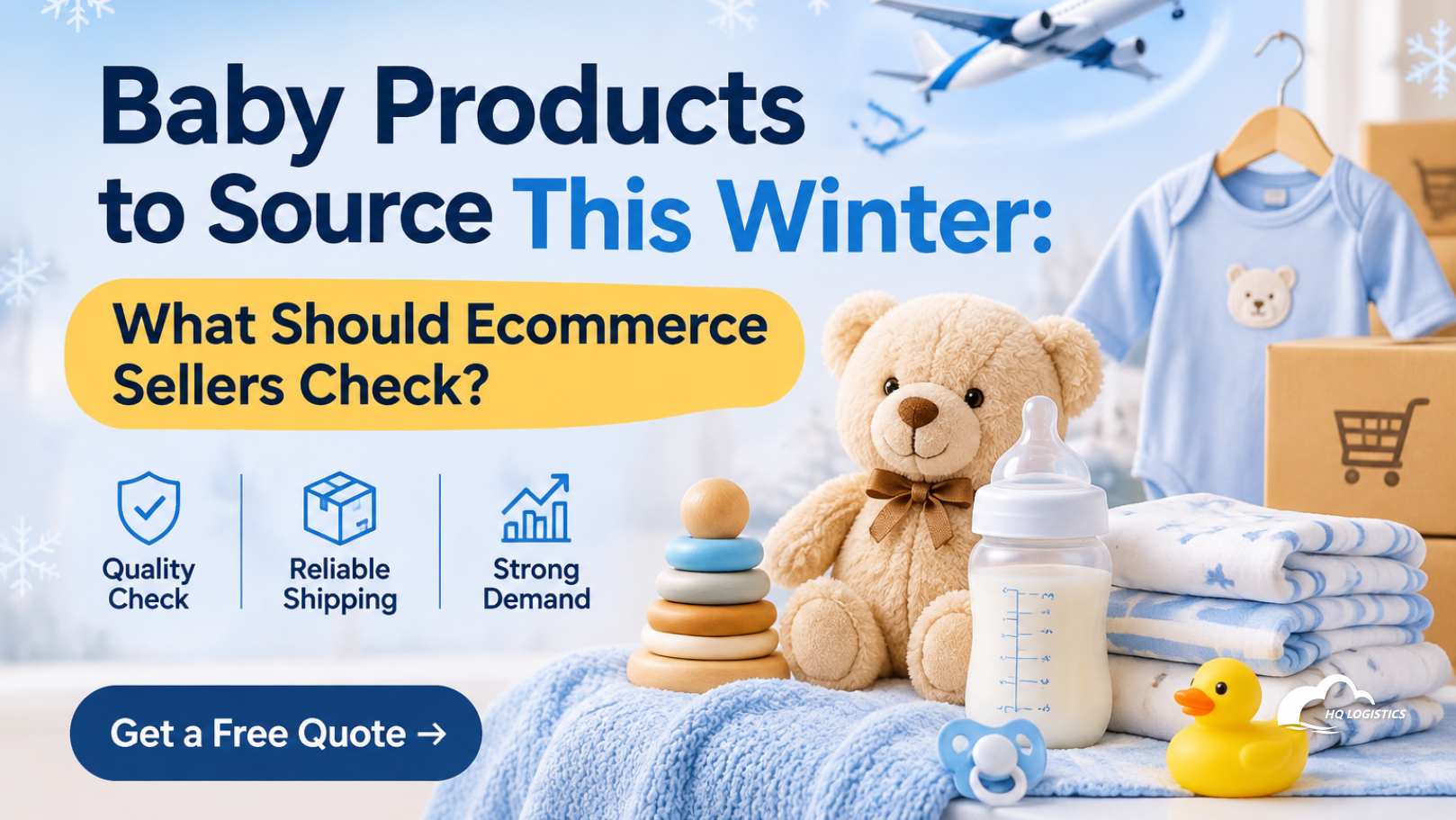
Baby Products to Source This Winter: What Should Ecommerce Sellers Check?
Baby Products to Source This Winter: What Should Ecommerce Sellers Check?
Winter creates new opportunities for ecommerce sellers in the baby products market. As temperatures drop, parents look for practical products that help keep their babies comfortable, warm, and protected during colder weather.
For online stores, seasonal baby products can be a useful addition to a winter collection. However, choosing the right products requires more than following trends. Material quality, product safety, sizing, supplier reliability, and shipping arrangements all matter.
If you are planning to source baby products from China this winter, here are some product ideas and important checks to consider before placing an order.
1. Baby Winter Products Worth Considering
The best winter products are often those that solve everyday problems for parents. Here are several categories worth exploring.
1. Baby Winter Clothing
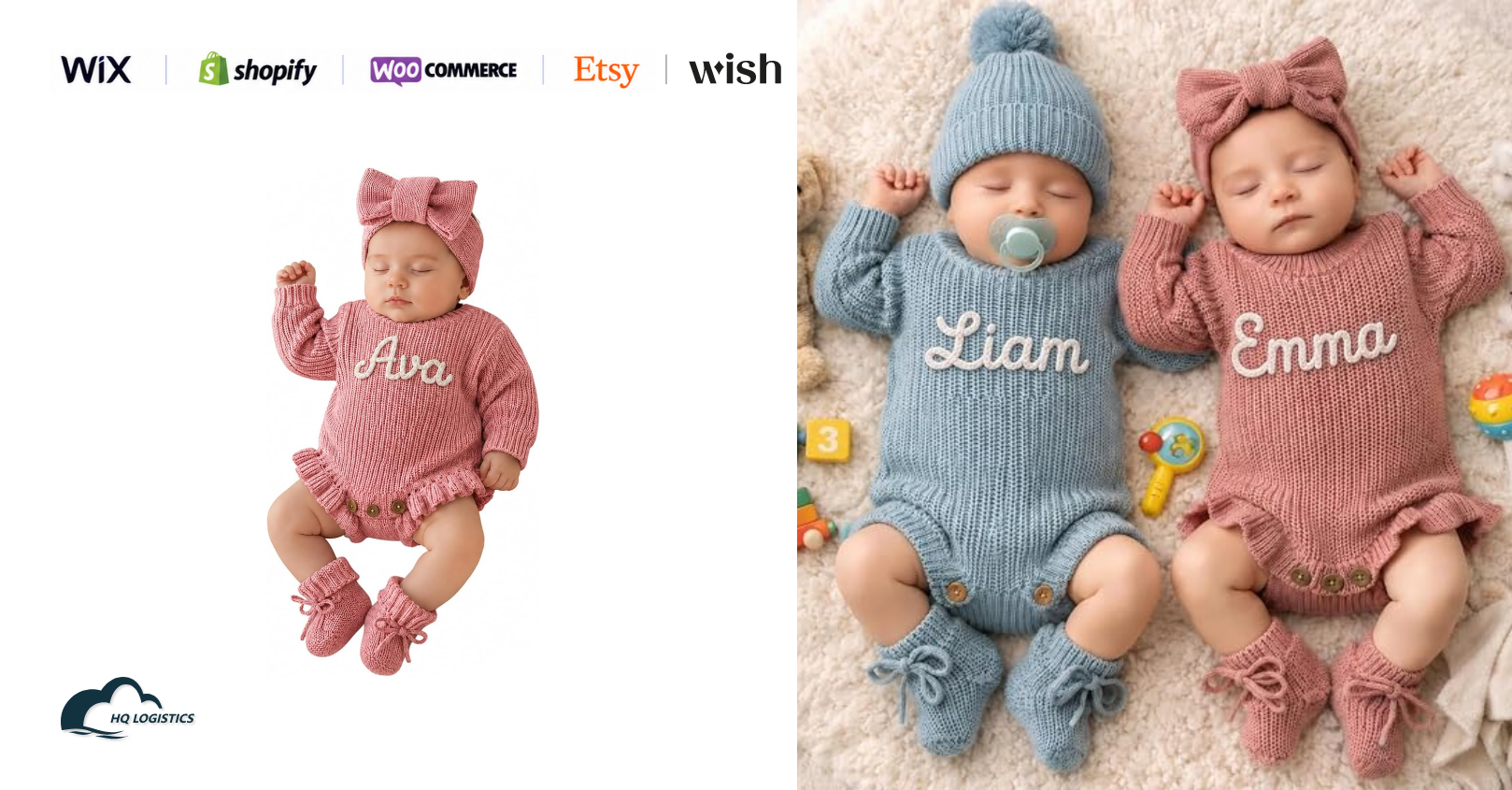
Baby jackets, fleece rompers, knitted sweaters, thermal tops, and winter outfits are popular seasonal product ideas.
When sourcing clothing, pay attention to:
-
Fabric softness and breathability
-
Stitching quality and loose threads
-
Size accuracy and fit
-
Zippers, buttons, and decorative attachments
-
Washing instructions and fabric durability
Look for comfortable materials that are suitable for babies' sensitive skin. Avoid relying only on product photos when evaluating fabric quality.
2. Hats, Mittens, and Baby Socks
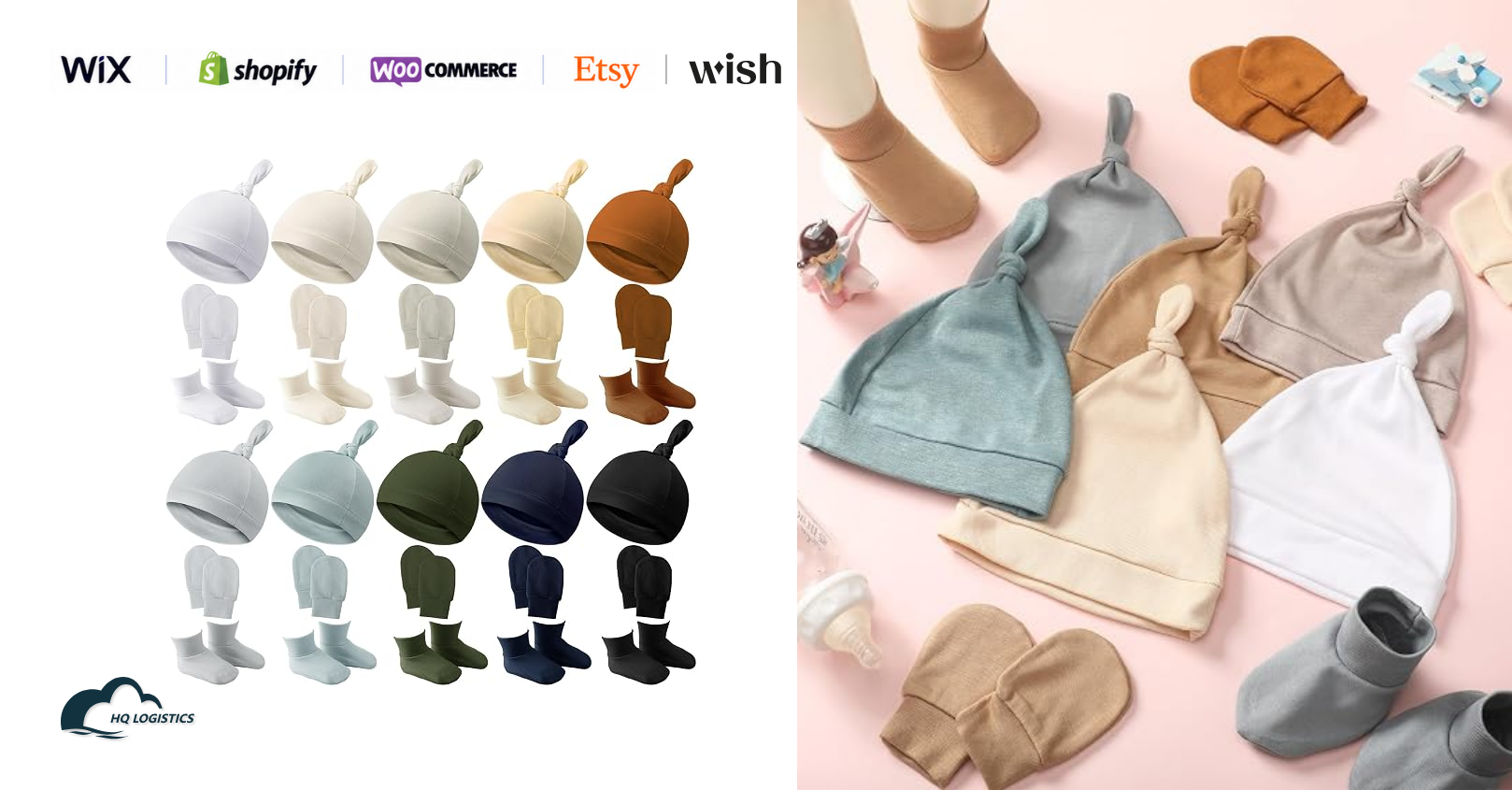
Small winter accessories can complement a baby clothing collection. Knitted hats, warm socks, mittens, and soft booties are practical options for everyday use.
Check whether the materials feel comfortable, whether the sizes are appropriate for the stated age range, and whether small decorative parts are securely attached.
3. Baby Stroller Accessories
Cold-weather stroller accessories, such as weather covers and appropriately designed stroller footmuffs, may appeal to parents who take their babies outdoors.
Before sourcing these products, check material durability, attachment methods, dimensions, and compatibility with different stroller models. Products that affect infant positioning or restraint systems require particularly careful safety evaluation.
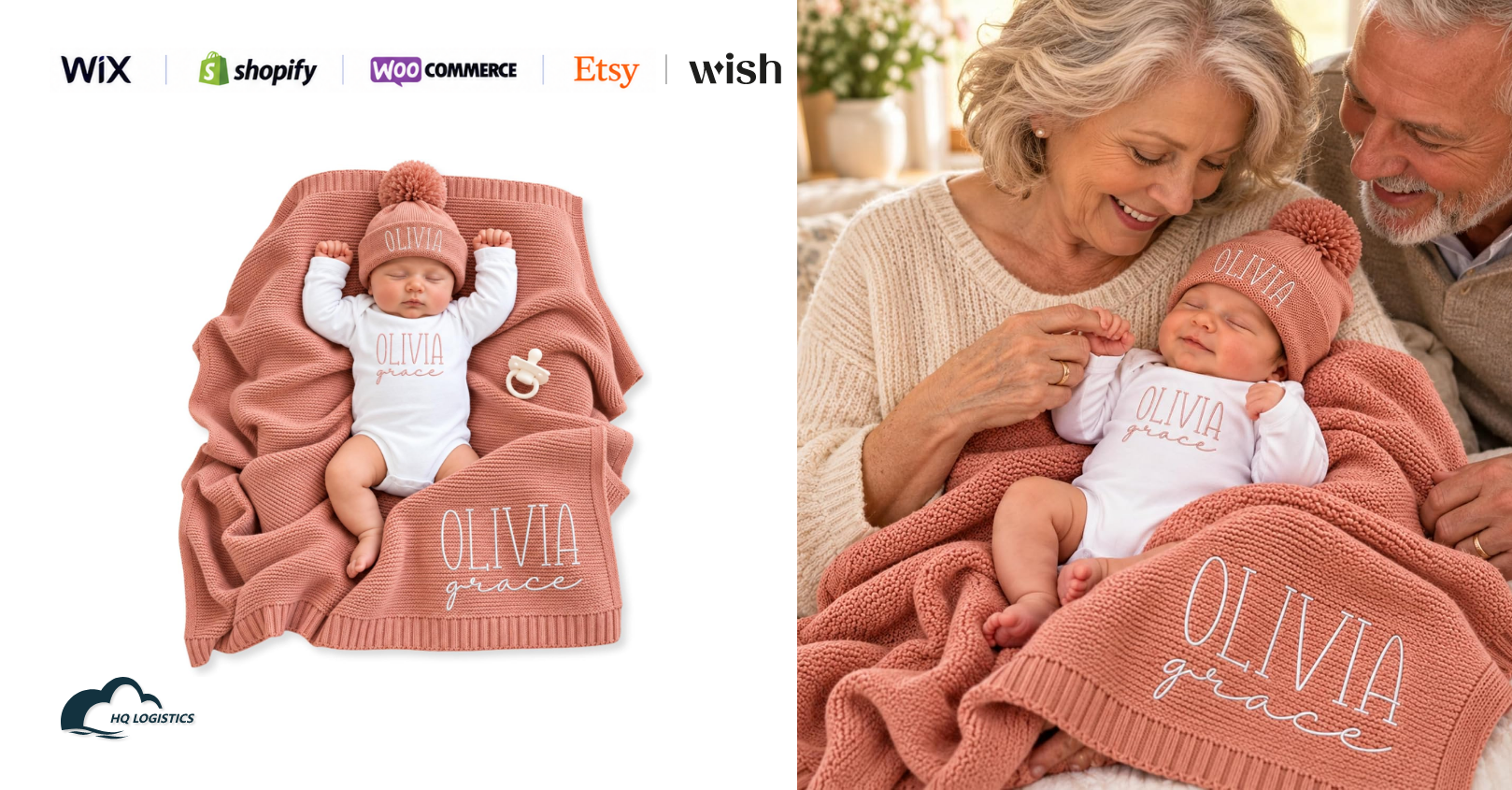
4. Baby Bedding and Wearable Blankets
Wearable blankets and appropriately designed sleep sacks can be considered for winter product collections.
Pay attention to fabric breathability, sizing, zipper quality, and product construction. Make sure product descriptions clearly explain the intended use and applicable age or size range.
Important:
Do not promote loose blankets, pillows, crib bumpers, or infant nests as safe infant sleep products. Baby sleep products must be evaluated against applicable safety requirements, and product images should not show unsafe sleep environments.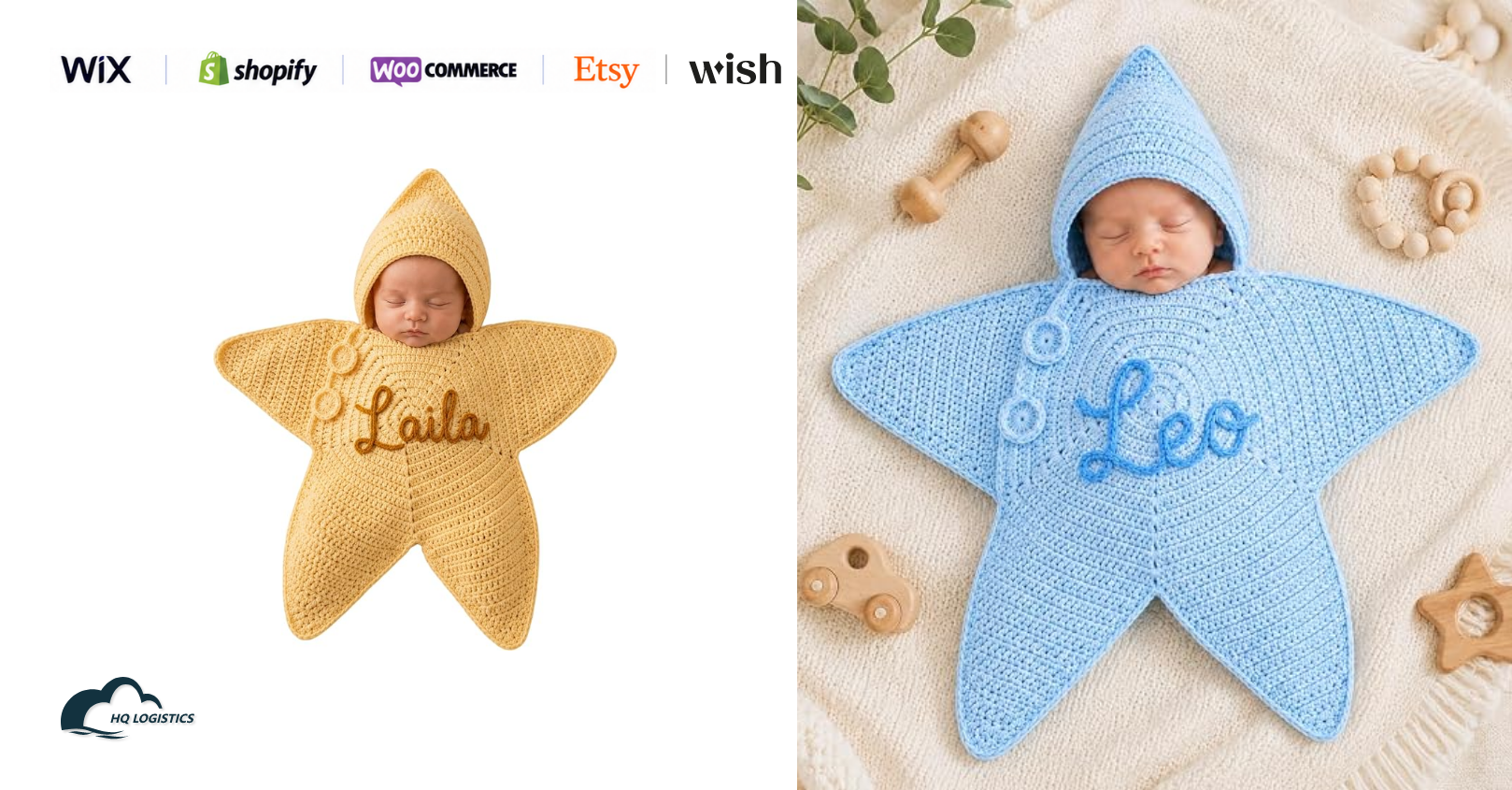
5. Baby Bath and Care Products
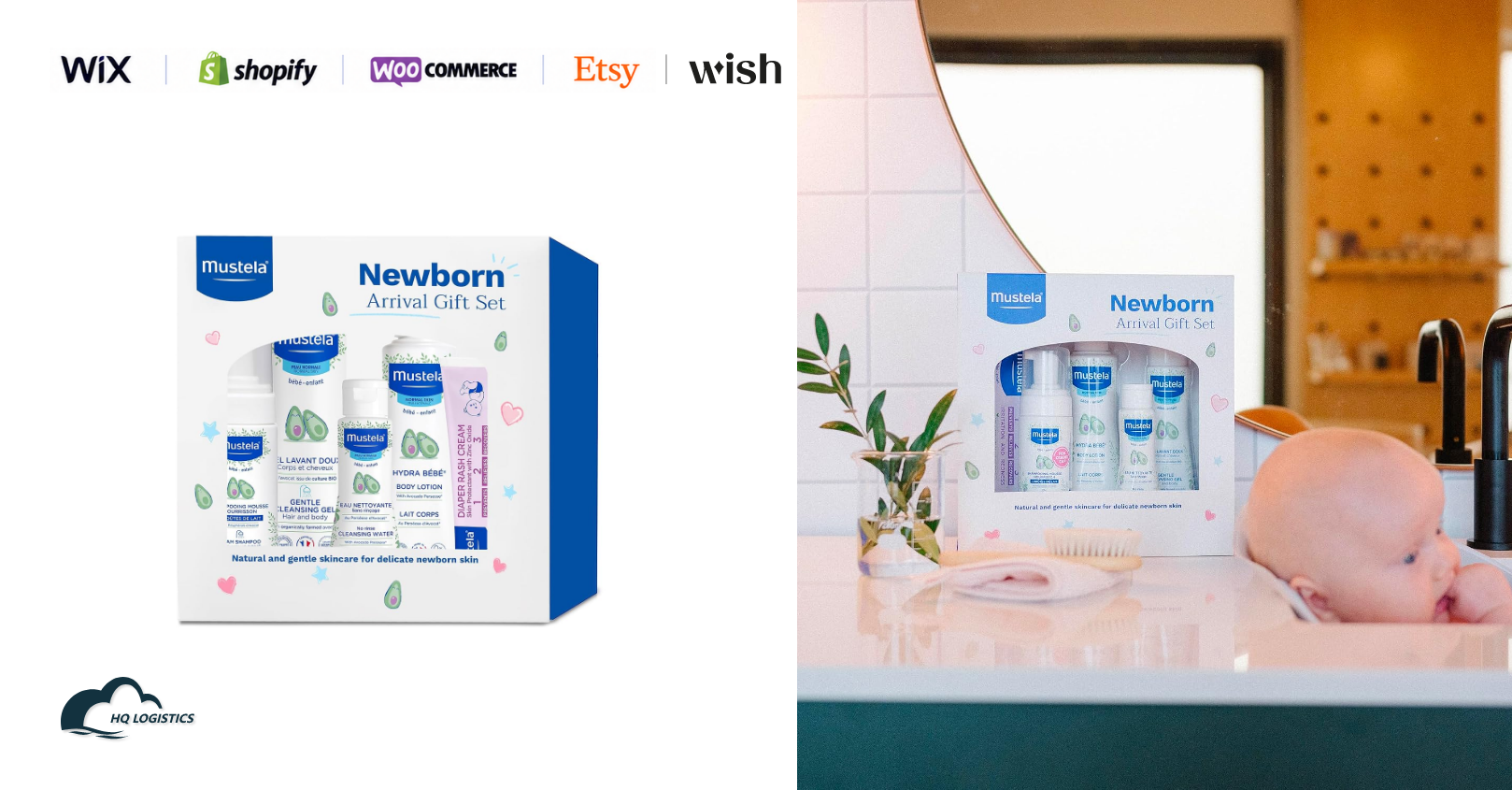
Winter can also create demand for soft hooded towels, bathrobes, washcloths, and gentle baby care accessories.
Check fabric absorbency, colorfastness, stitching, material composition, and whether the product is easy to wash and maintain.
2. What Should You Check Before Sourcing Baby Products?
Baby products require extra attention because product defects can affect children's safety and customer trust. Before choosing a supplier, consider these important factors.
Material Safety
Ask suppliers for detailed material information. Check fabric composition, coatings, dyes, and other components that may come into contact with a baby's skin.
For products intended for young children, make sure the supplier can provide relevant test reports and compliance documentation where required.
Product Construction and Small Parts
Inspect seams, buttons, zippers, snaps, fasteners, and decorative elements. Look for sharp edges, loose components, weak stitching, and potential choking hazards.
For products intended for children under three, small-parts requirements are particularly important.
Size and Product Specifications
Confirm dimensions, age recommendations, weight limits where applicable, and compatibility details.
For clothing, compare actual measurements with the supplier's size chart. For stroller accessories, confirm the intended models and attachment specifications.
Safety Standards and Certifications
Requirements vary depending on the product category and destination market.
For example, sellers importing children's products into the United States should check applicable CPSC requirements, including testing, certification, tracking labels, and warning information where required. Some durable infant products have additional mandatory standards.
Do not rely on vague supplier claims such as "safe material" or "certified quality." Ask for relevant documentation and verify that it applies to the exact product and model you intend to sell.
3. How to Evaluate a Baby Product Supplier
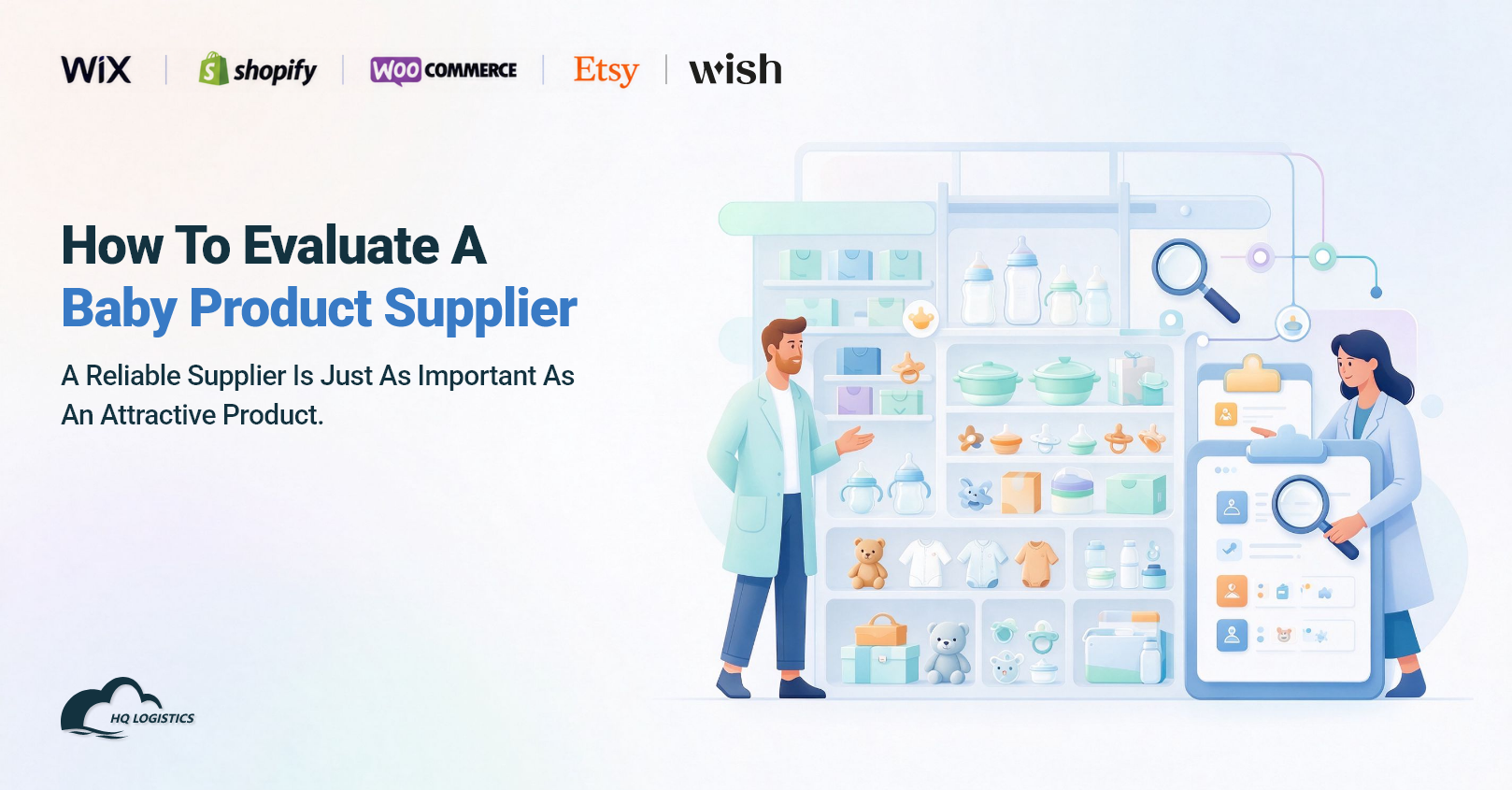
A reliable supplier is just as important as an attractive product.
Before placing a bulk order, consider the following:
-
Production Experience:
Check whether the supplier has experience manufacturing the specific type of baby product. -
Sample Availability:
Request a physical sample to evaluate materials, construction, sizing, and overall quality. -
Documentation:
Ask for applicable test reports, certificates, and product specifications. -
Production Capacity:
Confirm whether the supplier can handle your expected order quantity and replenishment schedule. -
Communication:
Make sure the supplier can clearly explain customization options, production timelines, and quality standards.
Comparing multiple suppliers can also help you understand differences in materials, pricing, and production capabilities.
4. Why Sample Inspection and Quality Control Matter
Product photos and supplier descriptions cannot always show the actual quality of an item.
Before placing a large order, consider arranging a sample inspection. This gives you an opportunity to review the physical product and identify potential issues early.
A practical inspection may include:
-
Checking fabric texture, thickness, and stitching
-
Measuring product dimensions against specifications
-
Examining zippers, buttons, and other components
-
Checking color consistency and visible defects
-
Reviewing packaging and product labels
-
Confirming that the sample matches the approved design
For baby products, visual inspection alone cannot establish regulatory compliance. Required laboratory testing and certification should be handled separately by qualified parties.
With clear inspection requirements, you can make more informed purchasing decisions and reduce the risk of receiving products that do not match your expectations.
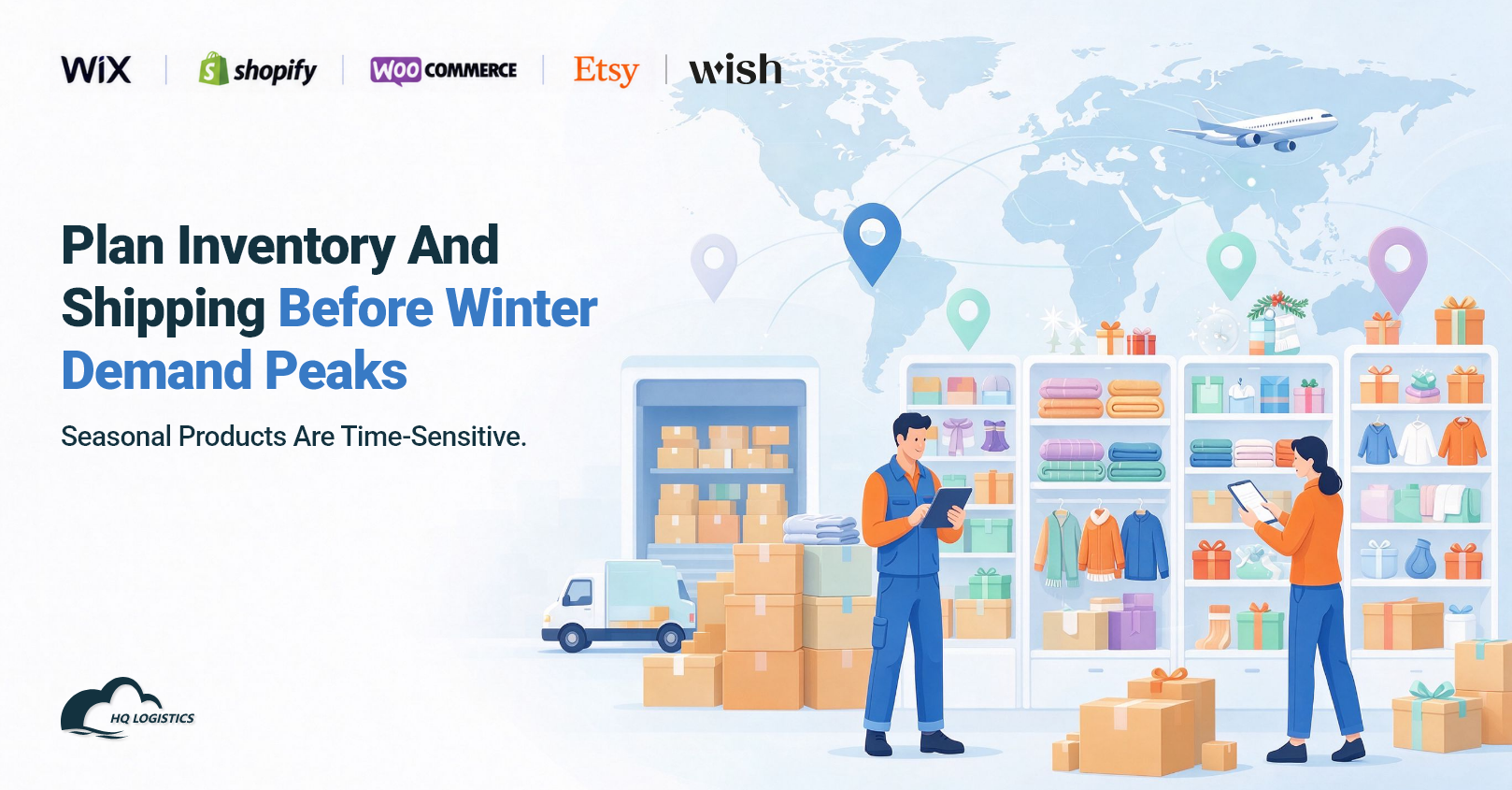
5. Plan Inventory and Shipping Before Winter Demand Peaks
Seasonal products are time-sensitive. If your inventory arrives too late, you may miss important sales opportunities.
Consider these planning steps:
-
Source Early:
Allow enough time for supplier communication, sample review, production, and quality checks. -
Start with Suitable Quantities:
Test demand before committing too much inventory to seasonal products. -
Prioritize Practical Products:
Focus on items with clear everyday uses and a suitable target audience. -
Plan Shipping Routes:
Compare delivery times and costs based on product characteristics and destination markets. -
Prepare Replenishment Plans:
Work with suppliers and fulfillment partners to understand how quickly popular products can be restocked.
A clear sourcing and shipping plan can help reduce last-minute pressure during the winter season.
6. How HQ Supports Baby Product Sourcing and Fulfillment
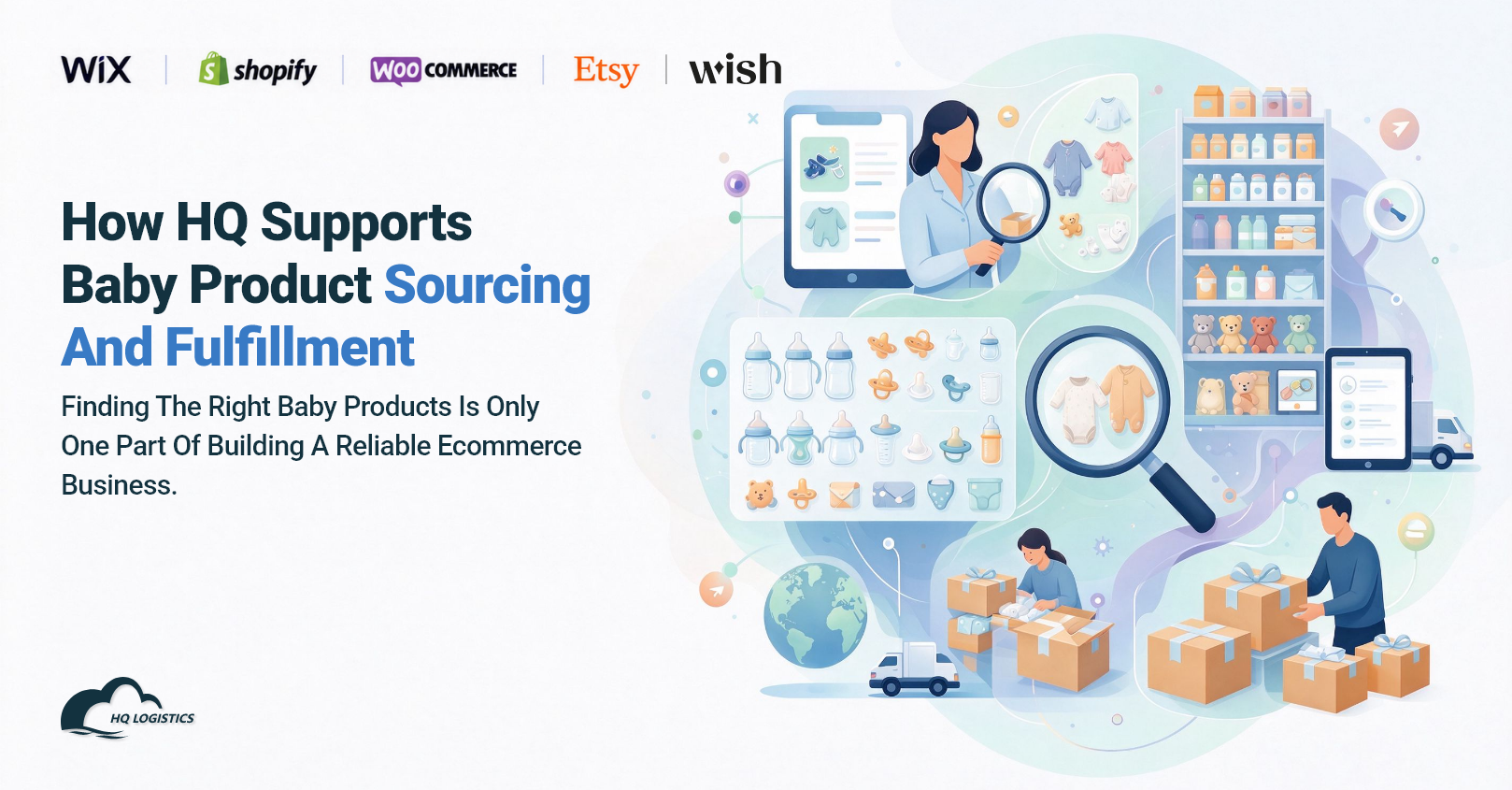
Finding the right baby products is only one part of building a reliable ecommerce business. You also need supplier coordination, product inspection, inventory management, and dependable shipping.
HQ LOGISTICS supports ecommerce sellers with sourcing and fulfillment services in China.
From product links and supplier communication to sample purchasing and quality inspection, HQ can help you coordinate important steps before bulk purchasing.
Available support includes:
-
Product Sourcing:
Find suitable products and coordinate with suppliers. -
Sample Purchasing:
Arrange samples for review before larger orders. -
Quality Inspection:
Check product appearance, dimensions, materials, and other agreed specifications. -
Custom Packaging:
Explore branded packaging options for your ecommerce store. -
Warehousing and Fulfillment:
Manage inventory, process orders, and arrange international shipping.
Whether you are testing a new baby product or expanding an existing winter collection, having a coordinated sourcing and fulfillment process can make operations easier to manage.
Explore HQ Product Sourcing and Services to learn more.
FAQs About Sourcing Baby Products
1. What Baby Products Sell Well in Winter?
Winter clothing, hats, mittens, socks, stroller accessories, wearable blankets, and baby bath products are categories worth researching. Actual demand depends on your target market, pricing, and customer preferences.
2. What Materials Should I Look for in Baby Winter Clothing?
Look for materials that are soft, comfortable, and suitable for the intended use. Always check fabric composition, construction, washing instructions, and relevant safety documentation rather than relying on material names alone.
3. Should I Order Samples Before Bulk Purchasing?
Yes. Samples allow you to review the actual product, check sizing and construction, and compare suppliers before making a larger purchasing commitment.
4. What Safety Requirements Apply to Baby Products?
Requirements depend on the product type and destination country. In the United States, many children's products are subject to specific testing, certification, labeling, and tracking requirements. Always verify the rules that apply to the exact product you plan to sell.
5. How Can HQ Help Source Baby Products from China?
HQ can support product sourcing, supplier coordination, sample purchasing, quality inspection, warehousing, and international fulfillment. These services help sellers coordinate the process from product selection to order delivery.

Final Thoughts
Winter baby products offer ecommerce sellers opportunities to expand their seasonal collections, but product safety and quality should always come first.
Before placing an order, research the market, evaluate suppliers, review samples, and confirm the applicable compliance requirements. With careful planning and reliable sourcing support, you can build a more suitable winter product collection for your customers.
Looking for baby products to source this winter? Start with the right supplier, check every important detail, and build your inventory with confidence.